




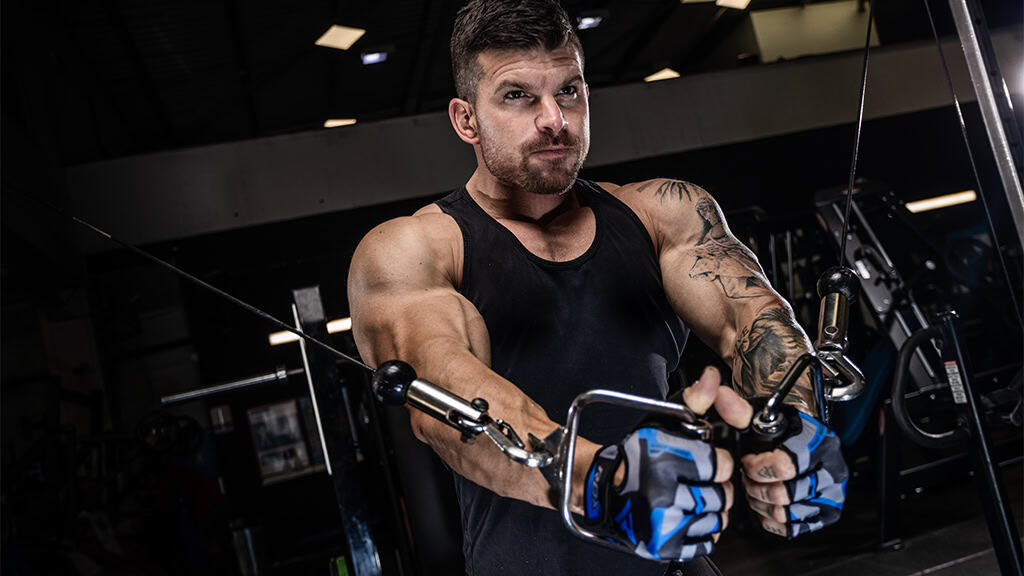
Winter sneaks in quietly, and suddenly everything feels a bit slower… except your appetite. Funny how that works. The colder weather makes your body crave warmth, energy, and yes – more food. That’s one reason winter is hands-down the best time to start a bulk in winter strategy. Another? You recover better. Cooler temperatures help you train harder without feeling drenched and exhausted. Even your sleep gets deeper. Winter, in a way, becomes nature’s built-in “muscle season.”
This is why many lifters jump into something called a winter bulk. It’s not about stuffing yourself with junk or falling into sloppy “dirty bulking.” It’s more like giving your body the perfect environment to grow; with solid training, nutrient-dense meals, smart macros, and enough calories to gain without losing your athletic shape. In this guide, you’ll get the full blueprint. Everything you need for winter muscle gain. Workouts. Season-friendly meal plans. Macros that support growth. High-calorie but clean meals. Tips to stay motivated.
If you’ve ever wondered how to bulk in winter without turning into a snowman made of fat, this guide is your go-to plan.
Why Winter is the Best Time to Bulk?
When the cold weather kicks in, your body behaves differently. Some of it is instinct. Some of it is lifestyle. All of it works in your favor if you’re trying to build size. Let’s start with the simplest advantage: cooler temperatures make training easier. You don’t overheat. You don’t sweat buckets. Your heart rate stays more controlled, so you can push heavier for longer. That alone can improve performance, especially during those big compound lifts.
But here’s the fun part – winter naturally nudges you toward a calorie surplus. Appetite goes up. And then there are the holidays… where saying no becomes nearly impossible. Instead of fighting this seasonal appetite, you can use it for winter muscle gain by filling your diet with calorie-dense, high-quality foods.
Another underrated factor? Clothing. Bulky sweaters, jackets, hoodies. They hide the temporary fluff that comes with a bulk. And let’s be honest, that psychological comfort matters. You can focus on lifting and eating well without feeling self-conscious about a little extra softness.
There’s also something happening inside the body – winter encourages slightly higher fat storage. It’s your system preparing for colder days, giving you a naturally more anabolic environment. Muscles respond better when your body isn’t in “lean mode.” More calories = more growth.
That brings us to an important distinction: how to bulk in winter the right way. There’s “lean bulking,” which prioritizes nutrient-dense foods and a moderate surplus. Then there’s “dirty bulking,” which is basically eating everything in sight… and then regretting it in March. A smart winter bulk focuses on nutrients. Whole foods. Proper macros. Steady progression.
Winter gives you the perfect playground. You just have to use it wisely.
Bulking Macros Ratio
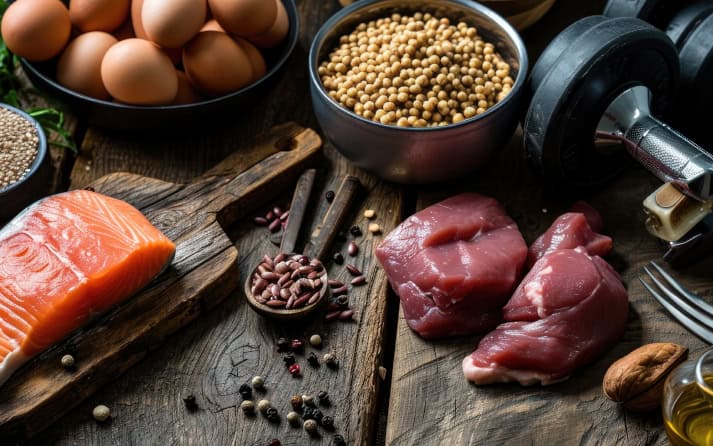

Here’s where people either get it right or get completely lost: macros. If calories tell your body how much to grow, macros tell it what kind of growth it’s getting. And for winter gains, your bulking macros ratio becomes the backbone of your success.
Let’s break it down without overcomplicating it.
1. Protein
Aim for 1.6–2.2 g/kg of body weight. Why? Because muscles repair themselves through amino acids. No protein = no growth. It really is that simple. You don’t need to drown in shakes, but you also shouldn’t skip real food sources. Think meat, fish, eggs, plant proteins, dairy or dairy-free alternatives. A solid base.
2. Carbs
Carbs are your best friend in winter. You need them for strength. For fuel. For those heavy lifts that actually trigger hypertrophy. So let them take 45–55% of daily calories. Carbs refill glycogen – the stuff that makes your muscles feel full, strong, and ready for another set. Without enough carbs, even good protein won’t hit its full potential.
And this is where carb and protein balance matters. Too much protein alone won’t help. Too many carbs without protein won’t build muscle. It’s the harmony that counts.
3. Fats
People fear fats, but in a bulk they’re essential. Not just for calories. For hormones. The ones that actually control muscle building — testosterone, growth hormones. Aim for 20–30% daily.
4. Calorie Surplus
Here’s where discipline beats ego. The sweet spot is +250–400 calories above maintenance for lean gains. Enough to grow without drowning in unnecessary fat. Avoid the classic winter trap of going +800 calories “just because it’s bulking season.” That leads to rapid fat gain, sluggishness, and much harder cutting later.
For example, if you’re eating 2,800–3,200 kcal per day, your plate might look like:
- 170–190g protein
- 350–430g carbs
- 70–90g fats
A clean structure. Manageable. Perfect for growth.
Dial in your macros and you’re already halfway to real progress.
Related Article: Best High Protein Foods for Muscle Growth: Top Sources for Strength & Recovery
A Winter Mass Building Workout Program
Training in winter feels different. Stronger. Heavier. There’s something about cold weather that makes iron feel lighter. But to take advantage of it, you need structure. This Mass Building Program gives you a clean 4-day split designed for maximum size.
Progressive overload is key. Add reps, add weight, add intensity. Your body is primed for growth right now – use that.
Day 1: Chest + Triceps
- Bench Press – 4×8–10
- Incline Dumbbell Press – 4×8-10
- Dips – 3×10-12
- Tricep Pushdowns -3×12-15
Heavy pushing to kick off the week. Winter chest days just feel better.
Day 2: Back + Biceps
- Deadlifts – 4×6
- Bent-Over Rows – 4×8–10
- Lat Pulldowns – 4×10–12
- Dumbbell Curls – 3×12
This day builds density. The kind you notice when hoodies start feeling snug around the back and arms.
Day 3: Legs + Core
- Squats – 4×8–10
- Romanian Deadlift – 4×8
- Walking Lunges – 3×12 each leg
- Leg Press – 3×12
- Ab Circuit – 10 minutes
Leg days in winter? Rewarding. Less sweating, better stamina, stronger focus.
Day 4: Shoulders + Arms
- Overhead Press – 4×8–10
- Lateral Raises – 3×15
- Hammer Curls – 3×12
- Skull Crushers – 3×12
Round out the week with volume. Shoulders love winter – joints feel more stable and warm-ups are easier to maintain.
Recovery Matters
Winter air is dry. You lose water without noticing. Hydrate more than you think. Sleep longer if your body asks for it. Rest days are sacred. All these little things boost winter muscle gain without you even realizing it.
Related Article: Gym Workout Plan for Gaining Muscle: The Ultimate Guide to Strength & Mass
Winter Fitness Tips to Maximize Muscle Gain
Here are the small habits that multiply your results:
- Warm up longer. Cold muscles resist heavy loads.
- Drink more water – thirst signals drop in winter.
- Prioritize sleep; longer nights help recovery and muscle repair.
- Keep protein snacks ready in your gym bag or desk drawer.
- Track macros – winter eating gets unpredictable.
- Wear layers to keep joints warm during training.
- Add supplements like creatine or protein powder if you’re short on calories.
These simple winter fitness tips make everything smoother and more consistent. Small actions, big payoffs.
FAQ’s
If you follow the plan – the meals, the macros, the workouts – you end up creating a really solid winter bulk without forcing it. And by the time the weather starts to warm up again? You’ll notice the difference. Stronger lifts. Fuller muscles. A little extra size that actually feels earned, not accidental.
Stick with it. Let winter work with you instead of against you. The payoff comes quietly at first… and then all at once when spring hits and you realize you built something real.