



So what’s the real deal with these pulses, and how to do squat pulses without wrecking your knees?
In this guide, you’ll see why they’re more than just a squat pulse workout trend. We’ll break down step-by-step form, common mistakes, big-time benefits, and the most asked questions. Stick around — your legs will thank you later.
What Are Squat Pulses?
Ever felt your legs catch fire halfway through a set? That’s usually from moves like the squat pulse exercise, which keep muscles under tension way longer.
By staying low and pulsing, you turn simple bends into serious leg strengthening exercises that athletes, boxers, and even beginners swear by.
A Tiny Move With Massive Impact
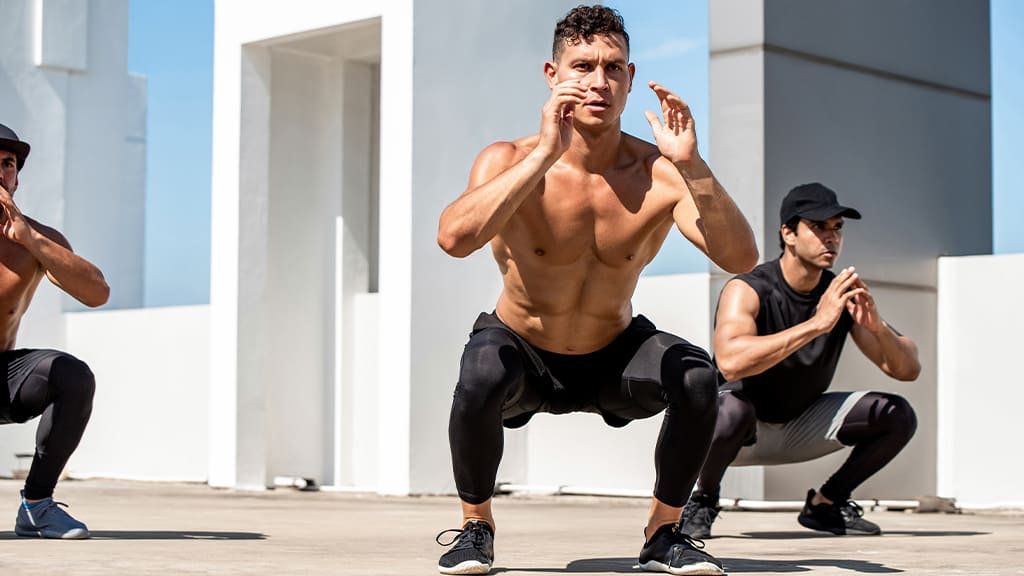
So what is a squat with a pulse at the bottom? It’s just holding a squat low, then moving up and down a few inches without ever standing up straight. This tiny bounce forces your quads and glutes to work overtime, keeping them fired up the whole set.
How They Differ From Regular Squats?
A normal squat gives your legs a break at the top. Pulses steal that rest, locking in constant work so you build more control and muscle. That’s the trick to lasting endurance and sculpting definition.
Why Athletes & Fighters Love Them?
Ever wonder why fighters have tree-trunk legs? This constant tension builds power that carries over into footwork and quick pivots in the ring. It’s simple but sneaky tough.
How to Do Squat Pulses Properly? (Step-by-Step Guide)
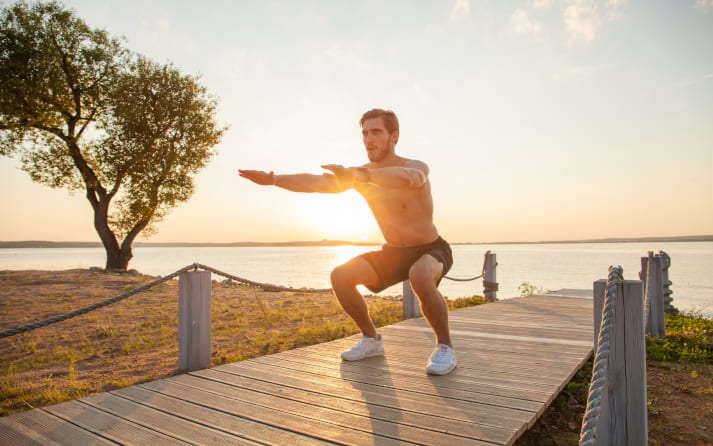

Don’t rush into pulsing just to end up with aching knees. How to do squat pulses right is about sharp form that keeps joints happy and muscles screaming in the best way. Get these basics down, and you’ll own every pulse without wobbling like a newborn deer.
Step 1: Set Your Foundation
Stand with feet shoulder-width apart, toes slightly turned out if it feels natural. Imagine rooting into the ground like a sturdy oak tree. This base keeps you balanced once the pulses begin.
Step 2: Lower Into Position
Drop your hips down until your thighs hover just above parallel to the floor. Keep your chest proud, shoulders pulled back, and eyes facing forward. This is your launch pad.
Step 3: Start the Pulse
Begin tiny, controlled movements — just 2 to 6 inches up and down. Keep it smooth, no jerky hops. Maintain a strong squat pulse form with your core braced tight, like someone might punch your stomach at any second.
Step 4: Rise With Control
Once you’ve hit your time or reps, press through your heels and stand up slowly. This mindful finish prevents wobbly knees and helps lock in the work.
Key Form Tips to Remember
If you’re ever unsure, check a mirror or record yourself. Your squat pulse form tips checklist: neutral spine, knees tracking over toes, weight balanced mid-foot, and zero slouching. That’s proper squat technique at its finest.
Related Article: How Many Squats Should I Do a Day? A Complete Guide for Beginners to Advanced
Common Mistakes and How to Fix Them
Most folks mess up their squat pulse form by rushing through like they’re hopping on hot coals. Even tiny slip-ups can mess up progress or leave you with nagging aches. Watch for these traps so you keep your proper squat technique locked in.
Rounding Your Back
Letting your spine cave piles stress on your lower back. Keep your chest proud and shoulders chill. Picture balancing a glass on your head — that’s an easy way to nail clean squat pulse form.
Knees Falling Inward
When your knees knock, you’re leaking power. Push them slightly out so they line up with your toes. Imagine spreading the floor apart under you. It’s one of the simplest squat pulse form tips that sticks fast.
Losing Core Tightness
A floppy core is begging for problems. Brace like someone might throw a jab at your gut. It protects your spine and keeps all that energy in your legs.
Breathing Wrong
Holding your breath is like pulling the plug early. Exhale as you pulse up, inhale as you dip. Smooth breaths keep your tank full so you finish strong.
Benefits of Squat Pulses
This tiny move loads your muscles from start to finish, turning a simple squat into one of the best leg strengthening exercises you can do. It’s a game changer for anyone after serious gains.
Supercharged Glute and Quad Activation
Staying low fires up your thighs and butt way harder than popping up. That deep squeeze is why pulses are top-tier glute strengthening exercises that deliver real shape and power.
Builds Endurance for Fighters
No surprise this is a go-to workout for boxers. More time under tension builds next-level stamina so your legs keep bouncing when others gas out. Perfect for anyone who needs long-lasting drive.
Boosts Control and Balance
Holding low sharpens how your knees and hips stabilize. That pays off in the ring, on the field, or just climbing stairs without wobbling. It’s a lower body workout that quietly builds joint strength too.
Ideal as a Finisher or Warm-Up
Throw pulses in before big lifts to wake muscles up, or burn them out at the end. Either way, you’ll leave the gym or home floor knowing you put in real work.
Related Article: Best Kickboxing Exercises to Tone Your Arms, Legs, and Core
Squat Pulse Variations and Progressions
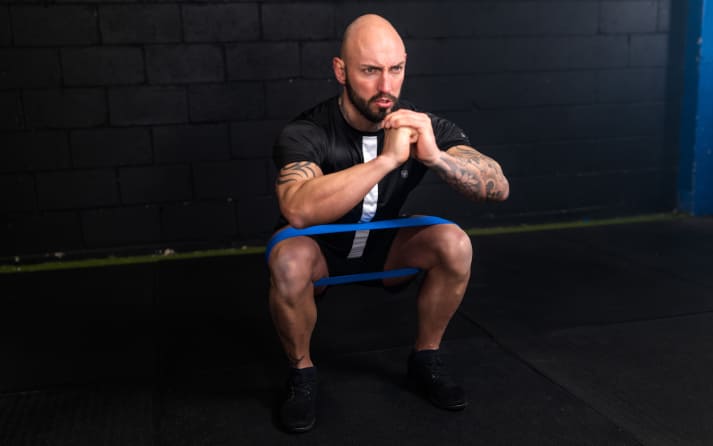
Once you’ve nailed the basics, it’s time to turn squat pulses into a full-on squat pulse workout. Mix in weights, bands, or new tempos. These changes keep muscles guessing, which means more growth. Think of it like telling your legs, “Surprise, we’re not done yet.”
Weighted Squat Pulses
Hold dumbbells or hug a kettlebell tight to your chest. That load cranks up tension, making this one of the sneakiest glute strengthening exercises you’ll ever feel.
Band Pulses
Loop a band above your knees. Keeping pressure out wakes up those hips and stops your knees from caving. It turns a simple move into a whole new challenge.
Pulse and Hold Combos
Pause three seconds at the bottom after a few pulses. This trains your body to stay solid under pressure.
Add Jumps or HIIT
Toss in jumps after pulses or work them into circuits. Great as a bodyweight exercises finisher that’ll torch you without fancy gear.
Perfect on Leg Day
Throw these into your next leg day workout. It doesn’t take much to feel the fire, and your legs will be thanking (or cursing) you tomorrow.
How to Add Squat Pulses to Your Workout?
Use them as part of your next squat pulse workout, a warm-up to spark muscle fibers, or a finisher that leaves your legs fried. No fancy stuff needed — just grit and maybe a band.
Sets, Reps, and Rest
Try 3 sets of 20 pulses or hit 30 seconds on, 30 off. Short rests ramp up sweat. Longer breaks help beginners ease in. Either way, it’s a solid lower body workout that builds staying power.
Finishers and Quick Circuits
Wrap up leg day with 2 minutes of pulses. Or mix them into a bodyweight circuit with lunges and crunches. This makes it an easy home workout for legs that hits hard.
More Than Just Legs
These slip in core bracing too. Keeping your middle tight through each pulse sneaks in core strengthening exercises without even trying.
FAQ’s
Everyone’s got burning questions once they start doing squat pulses and their legs feel like molten lava. Let’s clear up the most common stuff people ask before, during, or after they try these nasty little burners.
Conclusion
If you want legs that look strong and move even better, squat pulses are a must. This simple squat pulse exercise burns like crazy, building more control, muscle, and grit. Keep your form sharp and pulse with purpose — that’s where the real change hides.
Mix these into your leg day workout or your favourite home workout for legs and watch how fast you level up. Stick with it. Your future self will be glad you did.