



Sure, touching your toes looks impressive, but even advanced yogis rely on props. Blocks, straps, mats – these aren’t crutches. They’re tools. Tools that help with balance, alignment, and sometimes just making you feel… comfortable.
Props let you explore without pushing too hard. They prevent injury. They make poses feel possible instead of impossible. And let’s be honest, sometimes it’s just nice to have support while you figure things out.
In this guide, we’ll talk about the main yoga props, what they do, and how to use them effectively. Whether you’re brand new or a seasoned practitioner, there’s something here for you. Consider this your personal yoga prop guide.
What Are Yoga Props and Why Do They Matter?
Props are simple tools with a big purpose. They’re there to support your body. To help you stay balanced, aligned, and… sane.
For beginners, props make poses approachable. That forward fold that used to feel like medieval torture? A block or strap changes everything. For advanced practitioners, props refine technique. They help you feel subtle shifts in alignment.
Common props include yoga blocks, yoga straps, mats, bolsters, and balls. Each one has a slightly different purpose. Mats provide grip. Blocks elevate. Straps extend. Bolsters and balls add support or a challenge, depending on your needs.
Why do they matter? They make yoga accessible to all body types. They reduce strain, enhance comfort, and give you confidence. Lots of fitness benefits. Props don’t make you weaker. They make you smarter about your body.
A solid yoga prop guide shows how to integrate these tools. It helps you practice safely and effectively. And if you’re a beginner, yes, these are some of the best yoga accessories for beginners you can get.
Yoga Blocks: Support, Stability & Strength
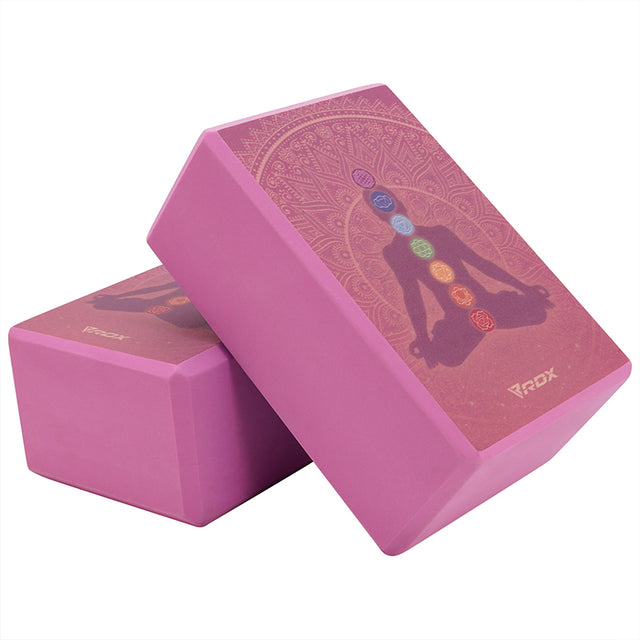
Let’s start with yoga blocks; they are probably the most versatile prop. They offer support, elevation, and stability. Tight hips? Blocks help. Weak core? Blocks assist. Not sure you’ll reach the floor? Blocks meet you there.
Blocks come in three main types:
- Foam Blocks: Light, soft, beginner-friendly. Easy on the hands. Easy to carry.
- Cork Blocks: Firmer, eco-friendly. Ideal for balance poses. Feels grounding.
- Wood Blocks: Solid and traditional. Maximum support for those who like structure.
How to use them? Plenty of ways, in many different yoga poses. In Triangle Pose, put a block under your hand to maintain alignment. Sitting in Hero Pose? A block under your hips takes pressure off your knees. For core work, squeeze a block between your thighs in Bridge Pose or seated positions.
The real benefit? Safety and confidence. You’re not forcing your body. You’re learning it. That’s the essence of yoga blocks benefits. Even pros reach for them.
Yoga Straps: Flexibility & Extension

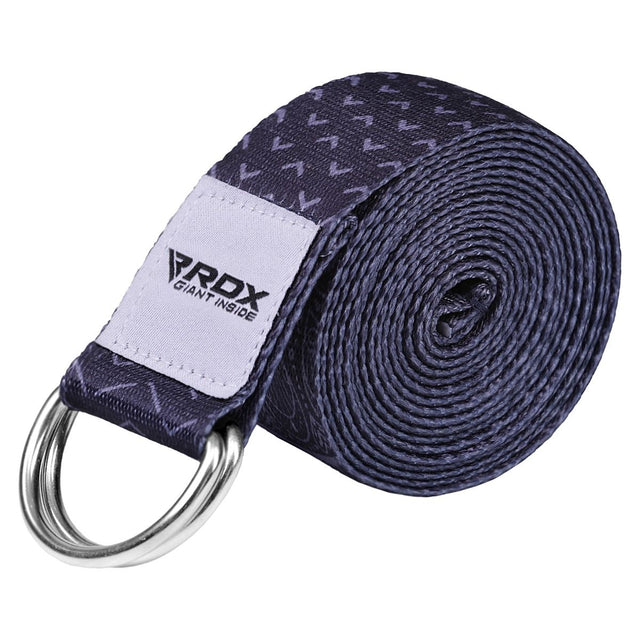
Sometimes, your arms just won’t reach. That’s when a yoga strap becomes your best friend. It extends your limbs. Helps you stretch. Holds poses safely.
Types:
- Cotton Straps: Durable, easy to grip. Classic choice.
- Adjustable Straps with D-Rings: Fine-tune the length for precision stretches.
How to use it? Lots of ways.
- Loop it around your feet in Seated Forward Fold.
- Pull gently without rounding your back.
- In Cow Face Pose, a strap bridges the gap between your hands behind your back.
- Lying on your back? Strap a leg up for a safe hamstring stretch.
Straps expand your range of motion. They encourage alignment. You stretch without strain. Over time, they help you move toward advanced poses without injury.
Think of straps are your quiet helpers. They aren’t big on show but they make the impossible possible. Using them consistently lets you deepen yoga poses with props safely. Beginners, this is one of the most effective ways to progress. And it feels… surprisingly empowering.
Related Article: The Power of Yoga: How Ancient Movements Shape Modern Wellness?
Yoga Mats: The Foundation of Every Practice
Your mat is the stage. The ground beneath your feet. The thing that keeps you from sliding across the room mid-pose. A yoga mat isn’t just for decoration. It’s stability, comfort, and grip.
Types:
- PVC Mats: Durable, grippy, beginner-friendly.
- Cork Mats: Eco-friendly, sweat-resistant, textured naturally.
- Rubber Mats: Cushioned, stable, great for dynamic flows.
Choosing the right mat matters. Thickness? 4–6mm is usually perfect. Too thin, and your knees protest. Too thick, and balance suffers. Non-slip is crucial. And eco-friendly? Bonus points for sustainability. Clean it often, roll it up, store away from sun. It’s simple care that keeps it lasting.
Benefits? Immediate. Prevents slipping. Reduces risk of injury. Focuses your mind. A solid mat forms the base of your yoga prop guide. It’s one of the best yoga accessories for beginners you can invest in. You can’t do much without a good foundation.
Bonus Props: Yoga Bolsters, Blankets & Balls
- Yoga Bolsters: Support hips or spine in restorative poses. Sink into Savasana. Feel the difference.
- Yoga Blankets: Cushioning or warmth. Fold, roll, tweak.
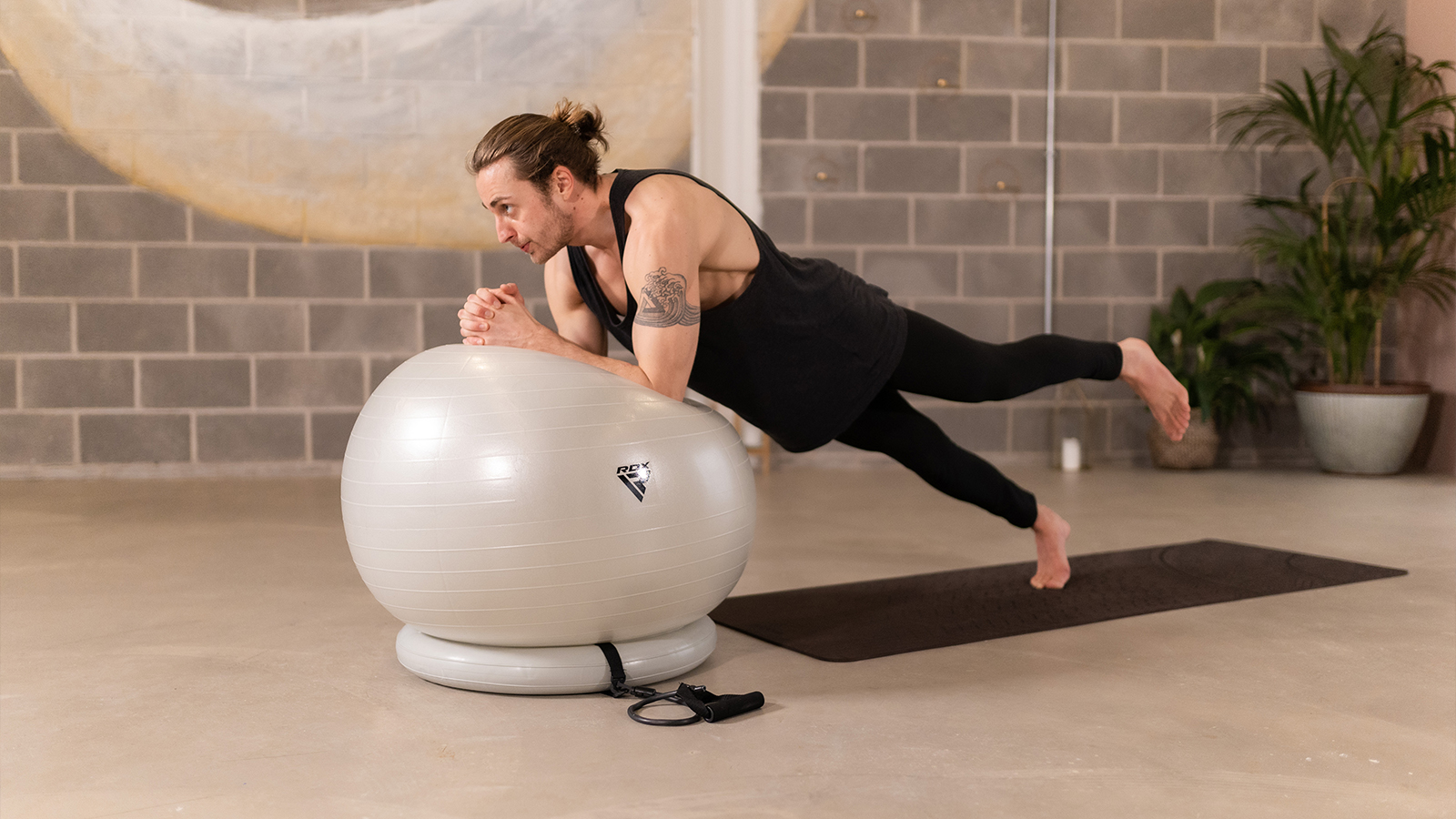
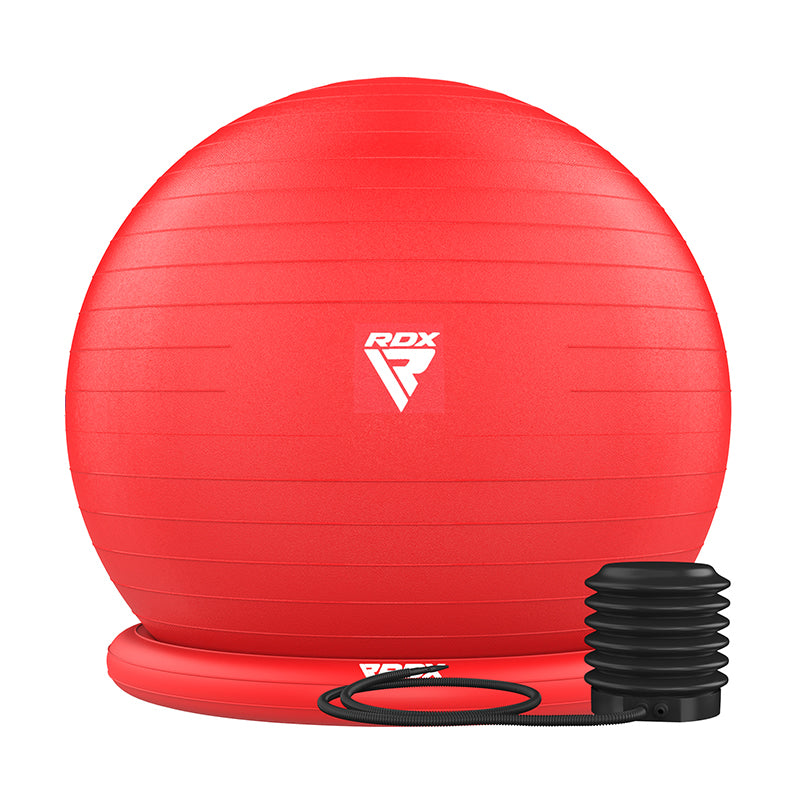
- Yoga Balls: Balance and core strength. Add dynamic challenge or gentle support.
These props make yoga more accessible. Less strain, more relaxation. They help you explore depth safely. Bolsters and blankets = comfort. Balls = subtle strength. Combined thoughtfully, they complement your practice. Understanding yoga balls support is part of mastering your yoga prop guide.
Related Article: Best Valentine’s Day Gifts for Yoga Lovers: Thoughtful & Unique Ideas
How Yoga Props Help You Deepen Your Practice?
Props aren’t about doing less. They’re about doing better.
They heighten awareness. Blocks, straps, bolsters; they teach you to feel alignment. Notice your shoulders, hips, spine. Tiny tweaks matter.
For beginners, props build confidence. Hold a pose longer. Stretch deeper. Move safely. Prevent injuries. They stabilize joints, reduce muscle strain.
Props also help progression. That block under your hand in Triangle Pose? Today, it’s support. Tomorrow, you might reach the floor without it. Strap in Seated Forward Fold? Teaches the body gradually for full extension.
Props = patience, body awareness, safe growth. They help you deepen yoga poses with props, build strength, and protect yourself.

Common Mistakes to Avoid When Using Props
- Overreliance: Support, yes. But don’t let props replace effort.
- Improper Alignment: Check placement. Blocks too high, straps too tight, and suddenly you’re straining.
- Ignoring Comfort: Adjust to your body, not the other way around.
- Neglecting Cleanliness: Mats and straps collect sweat and dust. Regular cleaning is non-negotiable.
Treat props as partners, not gadgets. This mindset keeps them effective. Mastering this is part of a strong yoga prop guide.
Yoga Prop Routine for Beginners

Here’s a simple routine to try:
- Mountain Pose (Tadasana): Ground on your mat. Breathe. Feel your feet.
- Seated Forward Fold: Strap around feet. Pull gently. Spine stays long.
- Triangle Pose (Trikonasana): Block under hand. Align hips and shoulders.
- Child’s Pose (Balasana): Bolster under hips. Sink into comfort.
- Savasana: Rolled blanket under knees. Relax completely.
Hold each 30–60 seconds. Focus on breath, adjustments, sensations. Combine props for comfort, stability, and progression. A beginner’s yoga prop guide in practice.
FAQ’s
Learning props is part of understanding yoga props, yoga strap uses, and yoga blocks benefits.
Props aren’t just for beginners. They deepen awareness. Improve posture. Make practice safer.
Straps for flexibility. Blocks for support. Mats for stability. Each prop is a partner in progress.
Invest in quality props. These are some of the best yoga accessories for beginners – tools that make yoga accessible, safe, and enjoyable.