



Running builds so much. Endurance. Confidence. Speed. And that quiet kind of strength that shows up on days you didn’t expect to feel strong at all.
But running also…takes. It tightens your hips, stresses your joints & leaves your muscles looking for something gentler, something that puts everything back where it belongs. That’s where yoga for runners sneaks in and changes the whole story.
This guide isn’t about becoming a “yoga person.” It’s about balance. Real balance. The kind that makes your legs hurt less and your stride feel smoother and your body a little less annoyed with you.
We’re breaking down the best yoga poses for runners, why they help so much, and when to use them – before a run, after a run, or whenever you’re feeling tight in places you didn’t even know could get tight.
Think of it like adding a small upgrade to your routine. Nothing heavy. Nothing extra. Just a few minutes that make everything you already do… easier.
Alright. Deep breath. Let’s get into it.
Why Yoga is Essential for Runners?
Here’s the thing most runners know but don’t really deal with: the sport is incredible, but it’s also brutal on your body over time. Every stride tightens something. Hamstrings shorten. Calves get cranky. Hips lock up. And the glutes – they’re trying their best but often just… lose the plot during long miles.
Yoga for runners steps in as the quiet antidote. Not flashy. Not complicated. But unbelievably effective.
It increases flexibility in all the places running tends to steal it. Hips open. The back loosens. Ankles stop feeling like rusty hinges. And because yoga improves mobility, your stride naturally becomes smoother – less “stompy,” more fluid. Better alignment, too. Some runners don’t realise how much their posture or pelvic tilt affects their performance until they do a few sessions.
Then there’s the mental part. People think runners already have good focus and sure, sometimes. But yoga brings in that slow, intentional breath control that helps manage pacing, effort, and even anxiety during hard runs.
Less tension = more efficient breathing.
More efficient breathing = better overall performance.
Yoga after running helps restore what the miles take away. Yoga before running primes you so those miles don’t feel like a fight from the very first step.
Is it essential? Honestly… yeah. The more consistently you run, the more consistently your body needs this kind of balance.
Related Article: Best Yoga Blocks 2025: How to Choose Between Cork, Foam & Natural Rubber Blocks?
Yoga Before Running vs Yoga After Running
There’s a right time for everything. especially stretching. And yoga is no different. Runners often ask: Should I do yoga before running or save it as yoga after running? The answer is: both, but for different reasons.
1. Yoga Before Running
Before you run, your muscles don’t want deep stretching. They’re not awake yet. They don’t want to be pulled like taffy. What they do want is activation. Slow mobility stretches. Light, dynamic opening. Think of this as telling your body, “Hey, we’re about to run, so let’s warm up without scaring the muscles.”
Pre-run yoga focuses on:
- Gentle hip mobility
- Waking up the glutes
- Opening the ankles
- Engaging the core
- Loosening the spine
Dynamic movements, not long holds.
A quick pre-run mini routine:
- Cat-cow (30 seconds)
- Standing leg swings (10 each side)
- Light downward dog for runners (20–30 seconds)
- Marching bridge lifts
- An easy forward fold
Short. Simple. Nothing that forces a deep stretch.
Deep stretching before running can actually reduce your performance because the muscles lose natural tension – the kind you need for push-off strength and speed. So keep it light.
2. Yoga After Running
Now this is where you melt into things.
Post-run yoga is all about:
- Long holds
- Releasing tight hips
- Softening hamstrings
- Lengthening calves
- Dropping tension in the back
Deep stretches help your body recover faster and prevent that stiff, robot-walk feeling the next morning.
A simple post-run cool down:
- Lizard pose stretch – 1 min each side
- Butterfly pose (Baddha Konasana) – 1–2 min
- Half pigeon pose – 1 min each side
- Forward fold stretch – 1 min
- Gentle spinal twist – 1 min
Two different times. Two different purposes. Same goal: running that feels good.
The 10 Best Yoga Poses for Runners
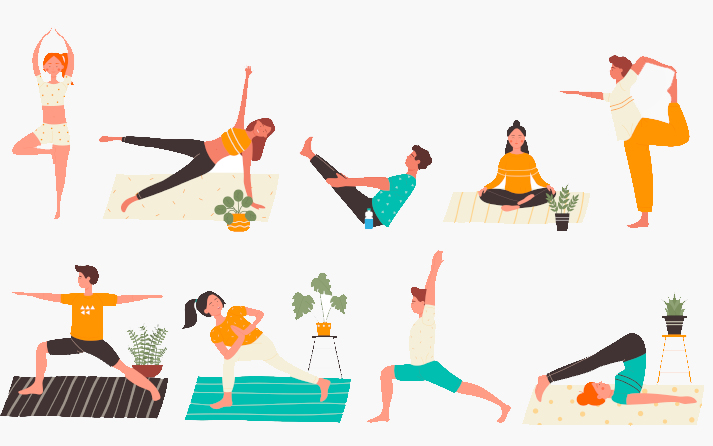
Below are the most effective yoga poses for runners, with steps, benefits, muscles targeted, and when to use them.
1- Butterfly Pose (Baddha Konasana)
Targets: inner thighs, hips, groin
When to use it: Yoga after running (perfect cool-down)
How to do it:
- Sit tall.
- Bring the soles of your feet together.
- Let your knees fall outward like butterfly wings.
- Hold your feet and gently lean forward.
Why runners need it: Long runs lock up the hips – especially if you sit at a desk all day too. This pose opens everything back up. It’s simple, peaceful, and surprisingly effective.
Benefits:
- Improves hip mobility
- Reduces tightness from high mileage
- Helps your stride feel more fluid the next day
2- Half Pigeon Pose
Targets: glutes, hip rotators, IT band
When to use it: After running (NEVER pre-run)
How to do it:
- From downward dog, bring one knee forward behind the wrist.
- Slide the opposite leg back.
- Fold forward and breathe.
Why runners need it:
This is the pose for tight hips. The deep tension that hides along the IT band? Half pigeon goes right to the source.
Benefits:
- Releases deep hip tightness
- Prevents IT band flare-ups
- Helps reduce knee strain by improving hip mobility
3- Happy Baby Pose
Targets: lower back, hips
When to use it: After running, especially after long runs
How to do it:
- Lie on your back.
- Grab the outside edges of your feet.
- Pull your knees toward your armpits.
- Gently rock side to side.
Benefits:
- Decompresses the spine
- Softens lower-back tension
- Helps reset posture after lots of miles
Happy Baby looks silly, feels amazing, and solves half the “tight back after running” issues that people think are normal.
4- Downward Dog
Targets: calves, hamstrings, back
When to use it: Before and after running (light hold pre-run, long hold post-run)
How to do it:
- Hands shoulder width apart.
- Lift your hips up and back.
- Press your heels toward the floor.
- Keep your spine long.
Benefits:
- Lengthens the posterior chain (everything runners tighten)
- Helps loosen calves, which often cause Achilles issues
- Great for warming up or cooling down
This pose alone can fix half the stiffness you feel after speed work.
5. Cow Face Pose
Targets: outer hips, glutes
When to use it: After running
How to do it:
- Sit down.
- Stack your knees on top of each other.
- Lean forward slightly.
Benefits:
- Opens outer hips – crucial for smoother stride rotation
- Reduces tension in glutes
- Helps prevent overcompensation injuries
Outer hips are the secret troublemakers for runners. This pose is like a reset button.
6. Bridge Pose
Targets: glutes, lower back, hip flexors
When to use it: Before OR after running
How to do it:
- Lie on your back.
- Plant your feet.
- Lift your hips up.
- Squeeze your glutes.
Benefits:
- Strengthens the posterior chain
- Reduces knee strain
- Helps correct hip imbalances
Runners often have “sleepy glutes.” Bridge Pose wakes them up beautifully.
7. Standing Forward Fold
Targets: hamstrings, calves, lower back
When to use it: After running
How to do it:
- Stand tall.
- Hinge from the hips.
- Let your upper body hang.
Benefits:
- Elongates shortened muscles from running
- Releases lower back stiffness
- Amazing after hill runs
You don’t need to reach your toes. Just let gravity do the work.
8. Lizard Pose
Targets: hip flexors, groin, psoas
When to use it: After running
How to do it:
- Step one foot forward into a lunge.
- Drop your hands or elbows to the floor.
- Sink into the stretch.
Benefits:
- Targets deep hip flexors (every runner’s trouble spot)
- Reduces anterior pelvic tilt
- Helps improve stride length
This one is intense in the best way.
9. Half Lord of the Fishes (Seated Spinal Twist)
Targets: spine, obliques, hips
When to use it: After running or on rest days
How to do it:
- Sit tall.
- Cross one leg over the other.
- Twist gently toward the top knee.
Benefits:
- Improves rotational mobility
- Resets posture
- Helps reduce back discomfort
Twists help undo the repetitive forward motion of running.
10. Tree Pose
Targets: balance, ankle stability, core
When to use it: Before running or on training days
How to do it:
- Stand tall.
- Place one foot on your inner calf or thigh.
- Balance and breathe.
Benefits:
- Improves ankle stability
- Strengthens balance
- Reduces injury risk
A strong, steady runner starts at the feet.

How Often Should Runners Practice Yoga?
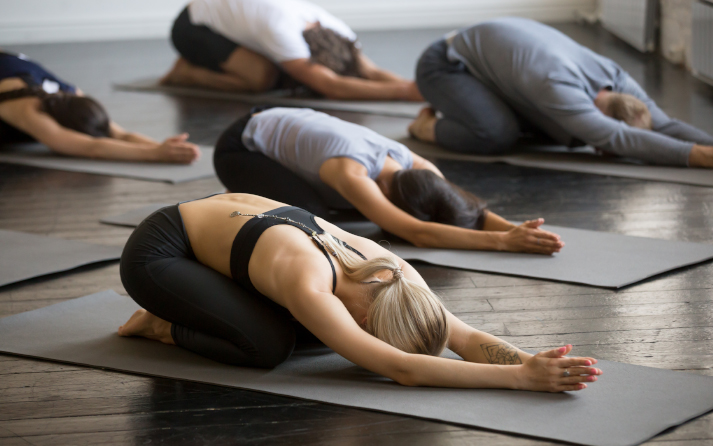
Yoga is great for recovery, not just for stress relief and weight loss. You stretch your body and that helps with mobility and muscle soreness which are pretty common with runners. When your muscles are not too tight, you can easily keep injuries at bay. We have given you 10 poses of yoga that will help your body stay strong, energetic, and flexible while you ace running.