



Sandbag training is one of the most versatile tools for building strength. It challenges your stability. It boosts conditioning fast. But what if you pick the wrong size or weight? Your gains could stall. You might even risk injury. That is why choosing wisely matters more than you think.
This guide is your quick sandbag weight guide. It will show how to select the right bag for your workouts. From beginners to pros, every athlete can benefit. So, how is that for a start? By the end, you will know exactly what size sandbag should I get for your goals.
Sandbag training is not just lifting heavy stuff. It is a form of functional training that challenges your muscles in ways normal weights cannot. You are constantly adjusting to a shifting load. Your core, stability, and grip get tested every time. Let us delve into why this training is so effective. What if one tool could hit strength and conditioning at once?
Understanding Sandbag Training
Functional training sandbags are designed to mimic real-world movements. Unlike static weights, the load shifts inside the bag as you move. This forces your muscles to stabilize constantly. It also improves coordination and balance naturally. Choosing the correct functional training sandbag size matters because it directly affects how challenging each exercise will feel for your level.
Key Benefits
- Sandbag training builds real-world strength fast.
- Grip strength improves with every lift and carry.
- Conditioning gets a boost you can feel in daily activities.
- It also reduces reliance on machines.
For best results, follow simple sandbag weight recommendations so your training is effective without risking injury or overloading too soon.
Types and Shapes of Sandbags
Traditional cylindrical bags are simple and durable. Handle-equipped functional sandbags offer more versatility. You can clean, carry, or drag them with ease. Shape impacts how the weight shifts, which affects exercises differently. Picking the right type can make a huge difference in your workouts and progress.
Factors to Consider When Choosing a Sandbag
Picking a sandbag is trickier than it looks. You might think grab a heavy one and go, but trust me, it pays to think a bit. Your goals, how strong you are, what exercises you do, how often you train, and if the bag can adjust – all of this matters. Ever tried a bag that felt all over the place? Choosing right makes a big difference.
Training Goals Matter
Are you after strength, endurance, or a mix? Heavy bags push muscles hard. Lighter ones let you move faster and longer. Depending on what you want, you’ll get a better idea of what size sandbag should I get. Don’t overthink but don’t just pick randomly either. Small steps help big gains.
Fitness Level Consideration
If you are just starting, go light. Focus on form, not numbers. Intermediate and advanced folks can add weight slowly. Using a simple sandbag weight guide makes picking safer. It’s better to progress than crash into something too heavy. Trust me, technique matters more than ego here.
Exercise Type and Frequency
Carries, cleans, squats, drags, throws – each hits your body differently. Train daily? Go for a bag that can take it. Few times a week? Lighter works fine. It’s about what fits your routine. Mix it up and keep it interesting.
Adjustability Options
Fillable bags let you tweak weight per exercise. Fixed ones are simple but less flexible. Adjustable bags save money and let you train smarter. It’s super helpful when you want variety without buying five bags.
Sandbag Weight Guide by Experience Level
So, where do you even start? It’s kinda tricky. Grab too heavy and you struggle. Too light and it barely matters.
Beginners
If you are just starting, men usually do okay with around 20 to 40 pounds. Women? Somewhere near 10 to 25 pounds. It’s light enough to practice moves but still gives you a challenge. Using a sandbag training beginner weight helps. And honestly, the best sandbag weight for beginners is the one that feels doable but not boring.
Intermediate
Men can try 40 to 60 pounds. Women 25 to 40. It’s about pushing a bit more but still keeping control. Mix strength and endurance. It’s okay to take it slow, trust your body, see what works.
Advanced
For experienced folks, heavier bags are the fun part. Men might go 60 to 100 plus pounds. Women 40 to 70. It’s intense, you know? And if you remember your starting weight sandbag training, it’s kinda crazy how far you get. These bags hit strength, stability, and conditioning all at once. Feels good.
Related Article: Functional Fitness Training: Build Strength, Mobility and Real-World Performance
Choosing the Right Size for Functional Training
So, size actually matters more than you think. It’s not just the pounds. Small, medium, large – each does something different. Ever tried a bag that felt all over the place? Let’s break it down and see what size sandbag should I get without overthinking it.
Small Bags
Small ones are about 20 to 40 pounds, or 9 to 18 kg. You can move them fast and practice form. Using the right functional training sandbag size here helps you get technique right. It’s easier to start light and build up.
Medium Bags
Medium bags are around 40 to 60 pounds, 18 to 27 kg. It’s kinda versatile. You can squat, carry, or toss them without too much trouble. It’s a solid middle-ground if you want a bag that does a bit of everything.
Large Bags
Large ones hit 60 to 100+ pounds, or 27 to 45+ kg. These are for heavy strength, carries, or strongman-style lifts. Handling gets tricky because the weight shifts a lot. It’s intense but super effective. You really notice stability and control when using these.
How Much Should a RDX Sandbag Weigh?
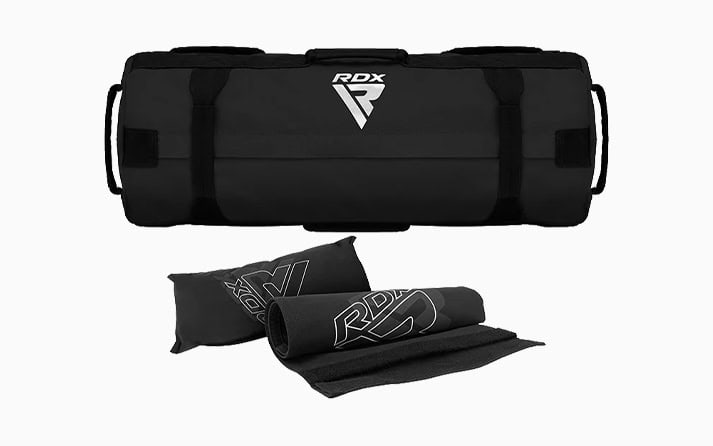
RDX sandbags are popular for a reason. But deciding how much should a RDX sandbag weigh depends on your level and goals. Beginners should start light to focus on form and control. Advanced users can handle heavier bags to push strength and endurance.
RDX Sandbag Ranges
RDX sandbags come in light, medium, and heavy options. Beginners usually pick lighter ones, while intermediate or advanced lifters go heavier. It’s flexible and practical. Knowing the ranges helps you decide without guessing. It’s also easier to track progression. Using the right sandbag weight recommendations keeps workouts challenging but safe. You can scale gradually and feel results.
Adjustability Options
Some RDX bags are fillable. That means you can tweak the weight for different workouts or exercises. Beginners can start light and slowly add sand. Advanced users can push heavier loads. It’s super handy for variety. These adjustable bags make training smarter. Following sandbag weight recommendations ensures you pick weight that matches your level and goals.
Mistakes to Avoid When Choosing a Sandbag
Going too heavy too soon is common. It’s risky. You can hurt yourself or ruin form. If you are just starting, following a starting weight sandbag training plan is smarter. Take it slow, build confidence, and avoid frustration.
Ignoring Technique
Some people pick a bag based only on max strength. But technique matters more than raw weight. If you skip proper form, your progress slows and injury risk rises. Focus on learning movements first. It’s better to lift lighter and get it right than struggle with heavy bags and mess up your workout.
Handle Placement and Bag Type
Handle placement and bag style are small details that matter a lot. Some bags are harder to grip. Some shift strangely. Ignoring this can make exercises awkward or unsafe. Check handles, bag shape, and feel before buying. It’s worth it for comfort and control during every rep and set you do.
Not Considering Workout Variety
Using the same bag and exercises gets boring. It’s important to mix workouts. Try carries, squats, cleans, throws. Different weights and styles keep you challenged. Following a sandbag weight guide helps pick appropriate bags for variety. It’s fun and helps strength, endurance, and technique all at once.
FAQ’s
Picking the right sandbag is tricky but important. It’s about your level and your goals. Start light. Focus on technique. Slowly go heavier as you get stronger. Knowing what size sandbag should I get keeps workouts safe. Following sandbag weight recommendations helps too. The right bag makes training full-body, fun, and effective. You will feel stronger every session.