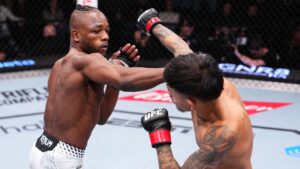



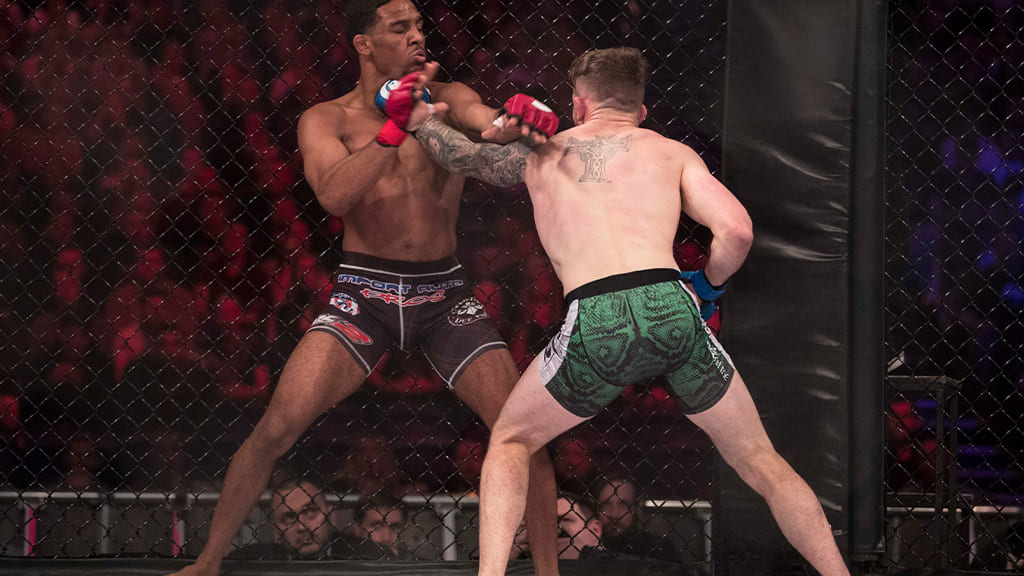
But where did it all begin. Early UFC events felt raw and sometimes crazy. Fighters from karate, wrestling, boxing came with one mission. Prove their style was best. It shocked the audience. Soon rules improved. Fights became safer yet still exciting. And that rise made UFC the big stage for MMA across the world today.
Over time gyms everywhere added new training for this sport. Boxing pads, jiu jitsu mats, wrestling drills all under one roof. That is how mma became unique. It is not one martial art but many. New fans search for MMA disciplines explained to figure out why fighters move so differently. Styles clash, skills mix, and that is why every fight feels fresh.
Core Disciplines of MMA Explained
When new fans search for MMA disciplines explained, they usually wonder how different martial arts mix inside the cage. The beauty of it lies in variety. Every style brings unique tools, and when combined, fights become unpredictable. That is why knowing the roots of each skill is vital to understanding what is mma and why it feels so exciting.
Boxing in MMA
Boxing in MMA basically consists of the following:
Striking Foundation
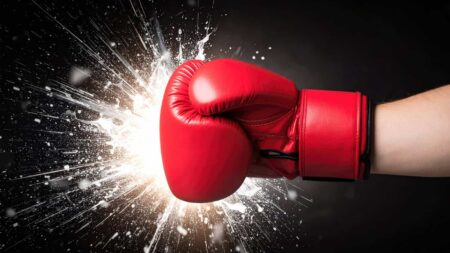
At its core, Boxing in MMA is all about sharp hands. The jab sets distance, while hooks and uppercuts punish mistakes. Footwork makes it even harder to catch. Many fighters lean on boxing because good hands can change fights quickly. You see, clean punches not only hurt but also open chances for takedowns and other strikes.
Famous Fighters
The influence of Boxing in MMA is clear when you watch stars like Conor McGregor or Jorge Masvidal. They use timing, angles, and counter punching to keep rivals guessing. Even wrestlers train boxing to round out their game. It is no secret that boxing teaches patience. And that patience often leads to highlight reel knockouts that thrill the crowd.
Kickboxing in MMA
Kickboxing in MMA usually includes:
Weapons and Combos
The style of Kickboxing in MMA adds power through leg kicks, head kicks, knees, and elbows. Fighters mix them with punches, creating fluid combinations. A single low kick can slow a rival badly. Some even build whole careers with this method. Watching a heavy leg kick land makes you realize why fans cheer every time it connects.
Clinch & Pressure
Another strength of Kickboxing in MMA is control in close range. Fighters use knees and elbows from the clinch to break defences. Pressure fighters especially thrive here. It is not only about raw power but rhythm. They trap opponents with feints, then land hard. When used right, kickboxing turns the cage into a place where escape feels impossible.
Brazilian Jiu-Jitsu in MMA
Brazilian Jiu-Jitsu in MMA incorporates all of the following:
Submissions & Control
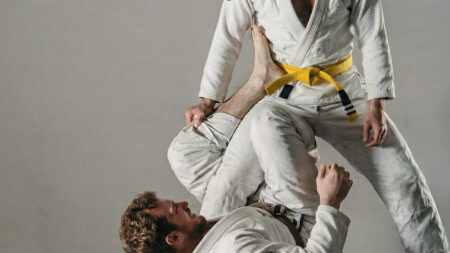
If striking rules the feet, the ground belongs to Brazilian Jiu-Jitsu in MMA. Fighters use armbars, chokes, and sweeps to control or finish. Many fans at first think the ground looks slow. But every grip and shift hides danger. One slip means a fighter is tapping. This is why Jiu-Jitsu remains the art of survival inside the cage.
Champions Who Use It
Renowned legends like Royce Gracie showed the power of Brazilian Jiu-Jitsu in MMA early. Today, names like Charles Oliveira still carry that tradition. They proved the ground game can beat even the hardest puncher. Grappling is not just defense, it is attack. And champions who master it remind fans that mma is more than fists. The ground holds equal glory.
Wrestling base MMA fighters
When we talk about wrestling base MMA fighters, we usually refer to:
Takedowns & Control
Strong takedowns define Wrestling base MMA fighters. Once on top, they decide the pace. The cage becomes their world. Double-legs and single-legs drag rivals to the floor. Control is the name of the game. It may look less flashy than striking. Yet fans know wrestling often makes the real difference. Dominance starts with putting the other man down.
Ground and Pound
After takedowns, Wrestling base MMA fighters unleash ground-and-pound. Elbows, punches, short shots rain down until the ref steps in. It is raw, it is brutal, yet effective. Many champions with wrestling base became legends because of this. Their stamina and pressure simply break opponents. Ask any coach and they will say: wrestling is the backbone of modern mma success.
Karate and Taekwondo in MMA
When going over Karate and Taekwondo in MMA, we mean:
Distance & Movement
Styles like Karate and Taekwondo in MMA bring unique footwork and distance control. Fighters dart in with speed, land shots, and vanish. It looks unusual compared to boxing or kickboxing. Yet this movement confuses rivals. Fans enjoy the flair too. It shows that even traditional martial arts still shine when adapted for cage fighting. Distance becomes a real weapon.
Striking Surprise
The other gift of Karate and Taekwondo in MMA is the element of surprise. Spinning kicks, side kicks, and blitz attacks appear out of nowhere. Critics once said these styles would not work. But champions like Lyoto Machida proved otherwise. Their victories showed mma rewards creativity. Sometimes the most unexpected strike ends up being the fight-changing moment.
Related Article: MMA fighting techniques you should know
How Do Fighters Win in MMA?
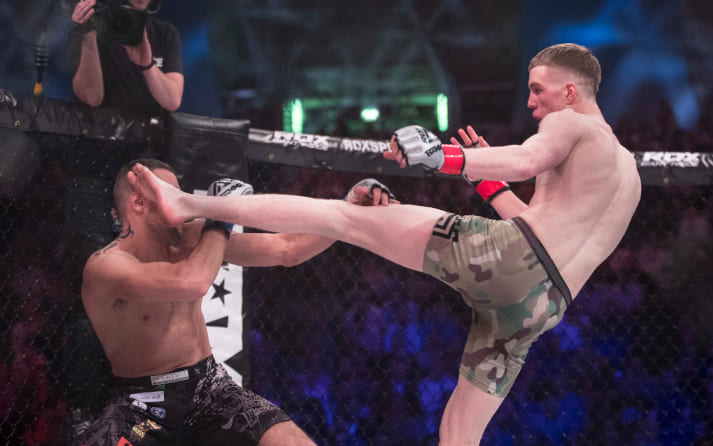
When people talk about MMA winning methods (knockout, submission, decision), they often imagine chaos and sudden endings. Some end fast, some grind out till the last second. That variety makes every event exciting. Now let us look at the three main ways fighters secure victory inside the cage.
Knockout
Few moments in sports match the shock of a knockout. One clean punch, a head kick, maybe even an elbow, and the lights go out. Fans jump up instantly. Fighters train for weeks, but a single second decides everything. It looks brutal, yet this sudden finish is why highlight reels keep growing and why knockouts remain unforgettable in mma history.
Submission
On the ground, victory often comes through a submission. Chokes, armbars, leg locks, all force opponents to tap. To outsiders it may seem slow. But every shift in grip can end the fight. Submissions show that brains matter as much as brawn. They carry drama too, because fans know one slip means defeat, no matter how strong the rival.
Decision
Not every bout ends early. Sometimes three or five rounds pass, and judges must decide. Points are scored based on control, striking, and effectiveness. Fans may not always agree with outcomes, but decisions reward consistency. Fighters who push pace and avoid big mistakes often win this way. It shows that mma is also about smart strategy, not just chaos.
MMA Gear for Beginners
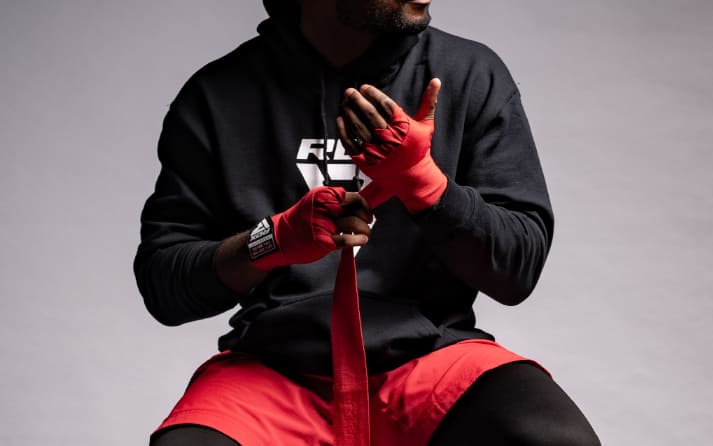
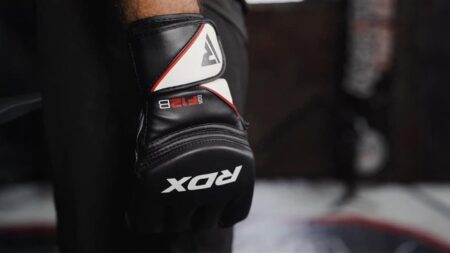
The very first thing you’re going to need is MMA gear for beginners (gloves, mouthguards, shin guards). Gear is like your shield. Without it, even light drills can feel dangerous. With it, you train free. That confidence changes everything. You punch harder, move faster and learn quicker. Simple, right?
Gloves, Mouthguards, Shin Guards
Gloves are underappreciated because they aren’t only for your knuckles. They save your partner’s face, too. Mouthguards look boring, but one missing tooth costs way more. Shin guards? They turn painful kicks into learning moments. When you wear proper gear, practice feels smoother. You can keep training longer. And that is the real trick for beginners—time on the mat, not time nursing bruises.


Safety Equipment Importance
Training without MMA gear for beginners (such as gloves, mouthguards, shin guards) is risky. Injuries slow everything down. One sprain or chipped tooth and you are sitting out for weeks. Gear are vital for respect too. When you wear safety equipment, partners trust you more. Sessions stay tough but fair. That trust makes fighters go harder, explore more moves, and grow without fear.
Training & Fitness for MMA
You can not just walk into a fight and expect your body to hold up. Training and fitness for MMA are the backbone of every fighter’s success. It is not only about looking fit. It is about being explosive, durable, and ready to battle through every second. Without the right training, even skillful fighters fade away too quickly.
MMA is an unmatched mix of striking, grappling, and constant action. Every discipline plays a role in shaping fighters. The appeal lies in its unpredictability. Some win with power, others with skill. But the excitement always stays, making MMA the ultimate modern sport.