



Explosive, powerful, and precise, the suplex is a perfect blend of strength and technique. Behind its raw power lies serious science: physics, timing, and body mechanics all come into play.
You don’t need to be a pro to learn it. You just need the right guidance and reps. This guide breaks down every variation, grip, and technique—from the back suplex to belly to belly. Plus, we’ll cover muscle memory drills, strength and conditioning tips, and flexibility hacks for smoother lifts.
Ready to slam? Let’s dive in.
What is a Suplex? Breaking Down the Basics
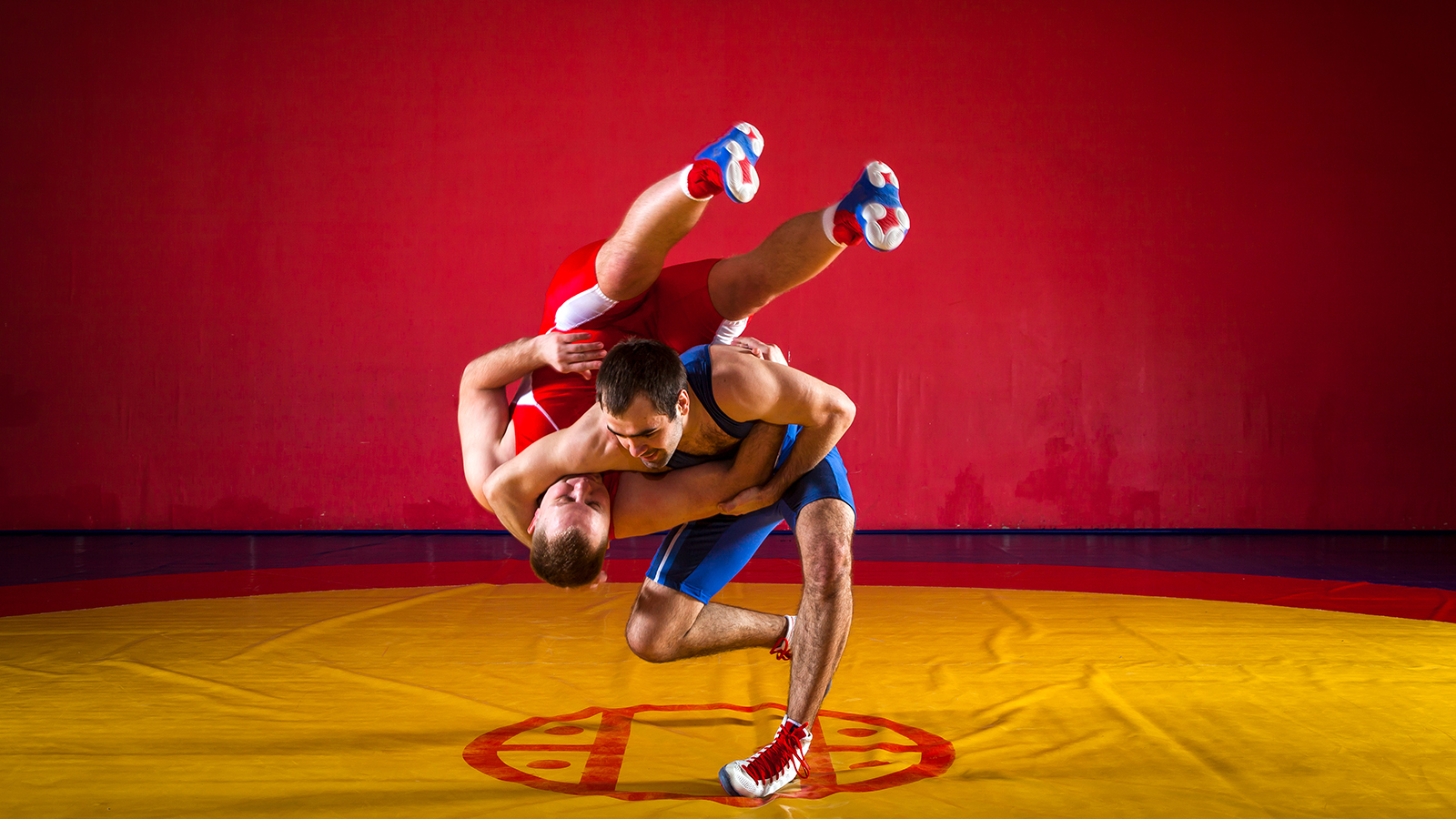
At its core, the suplex is a wrestling throw combining power and precision. You lock your opponent with a tight body hold, use your hips to lift, and slam them down hard. Simple in concept but deadly in execution.
There are different types: back suplex, front suplex, and the classic belly-to-belly suplex. Each uses grips like the gable grip, S grip, or butterfly grip to control your opponent. Your wrestling stance and timing are key to making it all work.
Ever wrestled in the 50/50 position or fought for overhook/underhook control? That’s where smooth hip movement and throwing technique shine. Use a training dummy to build muscle memory and explosive power. Add strength, conditioning, and flexibility work for an unstoppable bridge and throw.
Types of Suplexes You Should Know First
The suplex is one of the most explosive wrestling techniques. Every fighter should master these three core suplex variations:
- Back Suplex: You lock a solid body hold from behind and arch back to slam your opponent. Explosive and perfect when your foe exposes their back.
- Front Suplex: Also called headlock or body lock suplex. You control from the front, driving your opponent down with smooth hip movement and grips like the gable or S grip.
- Belly-to-Belly Suplex: Chest to chest, with a big hip pop and powerful lift. The butterfly grip rules here, giving you deep control and elevation.
These moves flow from clinch battles — overhook/underhook or 50/50 positions. Practice transitions on a dummy to build muscle memory. Strength, conditioning, and flexibility training polish your bridge and throw.
Building the Right Wrestling Stance and Base
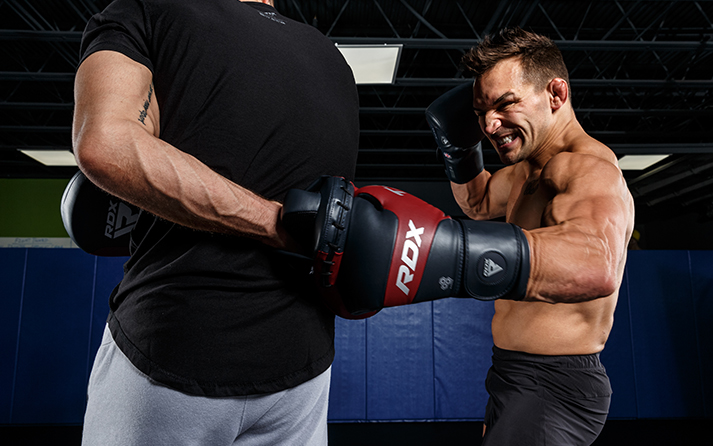
Your boxing stance is the foundation of every suplex and takedown. Without a solid base, your moves collapse.
Stay low, balanced, and ready to explode. Keep your hands up and feet moving—this sets you up for smooth grip transitions like the gable, S, or butterfly grip. A strong base powers your hip movement and explosive throws.
Weak footwork gets you countered before you lift. That’s where strength and flexibility training come in, keeping you steady and mobile. Master your stance, nail your base, and watch your throws get unstoppable.
Related Article: How to Perfect Your Kickboxing Stance and Techniques
Essential Grips for Control and Setup
Grip equals control. Control wins matches. Nail these essential grips:
- Gable Grip: Palms locked, fast and rock-solid. Perfect for clinches.
- S Grip: Fingers interlocked, flexible and versatile for tricky setups.
- Butterfly Grip: Forearms locked, best for deep body lock control and belly to belly suplexes.
Switching grips mid-fight can change everything. Train these grips on a dummy to lock in muscle memory and confident control.
Body Lock and Entry Mechanics
The body lock is your golden ticket to suplex power. Whether double underhooks or overhook/underhook clinch, your mission is clear: get tight, stay close, and control the fight.
Lock your chest to theirs, hips inside, arms tight like a vice. Use your hips and stay low in your wrestling stance to dominate.
Drill entries on a dummy to build flawless muscle memory. Then drive forward, break their balance, and unleash your throw—whether back, front, or belly to belly.
Pair this with strength, conditioning, and flexibility to max out your speed and power.
Hip Movement and Throw Execution
Your hips are the engine behind every killer suplex. Nail hip movement and your throws will be unstoppable.
The winning sequence:
- Drop levels low
- Slide hips under your opponent
- Pop explosively
- Lift clean and strong
- Arch back tight
- Slam down with full control
No shortcuts. Drill slow and smart on a dummy. Build muscle memory on your bridge and throw, the all-important hip pop.
Flexibility training keeps you mobile and ready for smooth execution.
Practicing with a Training Dummy
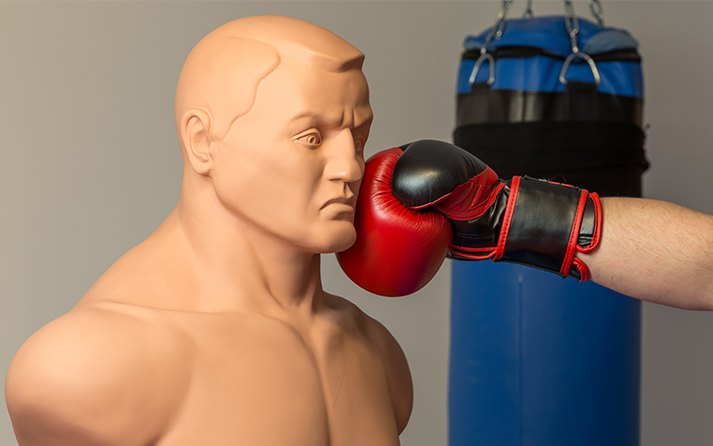
No partner? No problem. Training dummies are your best friend.
Use them to grind reps safely. Lock in your grips, set your hips, and nail your body lock before lifting. Keep it realistic—practice every detail.
Dummies build muscle memory and confidence without risk.
Train smart, solo and hard.
Developing Explosive Power for Suplexes
Technique gets you started, power makes it unforgettable.
Build explosive strength with:
- Deadlifts for full-body power
- Kettlebell swings for hip drive
- Hip thrusts to activate glutes
- Medicine ball slams for rotational speed
Pair strength and conditioning with flexibility work to keep your body agile and injury-free. Explosive power is the secret sauce behind every killer suplex.
Related Article: Discover the Four Boxing Styles: Which One Matches Your Fighting Style?
Building Muscle Memory Through Drills
Practice doesn’t just make perfect—it makes permanent.
Start with entries. Then grips. Then add lifts—hold at the top before throwing. This slow, controlled drilling builds reflexes and grooves your technique.
Do it right 10 times over wrong 100.
Partner or no partner, drills build habits that last.
The Bridge and Throw: Finishing the Suplex
You’ve lifted your opponent. Now finish strong.
Arch your back into a powerful bridge for leverage and safety. Rotate your body to guide the throw. Keep your grip solid till the slam finishes. Landing smoothly protects your neck and prevents injury. Master this to score pins in wrestling or end fights in MMA. Drill the finish repeatedly until it’s instinctive.
Flexibility Training for Better Execution
Flexibility is your suplex cheat code.
Stretch key areas:
- Hips
- Hamstrings
- Lower back
Dynamic warm-ups before practice fire up muscles. Static stretching post-training aids recovery. More mobility means better bridges, cleaner hip movement, and fewer injuries. Flexibility training makes every suplex variation smoother and safer.
Common Mistakes Beginners Make (And How to Fix Them)
Avoid these rookie traps:
- Relying on strength alone (technique beats force)
- Loose gable grip (tight grip wins)
- Lazy hips (no pop, no lift)
- Half-hearted throws (commit fully)
Fix by drilling slow reps, reviewing footage, and seeking feedback.
Mistakes teach—but don’t make them habits.
Train Hard, Train Safe: Suplex Safety Tips for You and Your Partner
Safety is key in suplex training:
- Warm up fully
- Communicate clearly
- Learn breakfall techniques
- Control your throws; don’t just go for impact
Respect your partner and the mat. Training smart builds trust and skill.
Conclusion
Want to dominate? Build your foundation.
Suplex mastery isn’t brute strength—it’s timing, control, and repetition. Nail your stance, grips, entries, and body lock. Even pros drilled these moves 10,000 times. No shortcuts—just consistent reps and smart training. Now it’s your turn. Which suplex style are you working on? Drop your thoughts below and let’s level up together.