




This guide gives you the game plan, the right foods, the best timing, how to stay strong while dropping pounds, and how to rehydrate fast after weigh-ins.
You want to make weight and still hit like a truck? Keep reading.
Understanding Weight Cutting in Boxing
Weight cutting is the process of dropping pounds before a fight to make weight for a specific division. Boxers usually do this through gradual dieting or rapid water loss. Some reduce calories and carbs over weeks. Others sweat out water weight in saunas or by wearing heavy clothes while training.
Boxers often adopt aggressive short-term strategies to drop weight fast, which can lead to dehydration, fatigue, and even serious health risks. If you’re unfamiliar with the full scope of these dangers, it’s worth reading more about what weight cutting in combat sports really involves—and how to reduce the associated risks.
Why go through this? A lighter weight class lets you fight in a lower weight class. That means a potential size and strength advantage on fight night. But there’s a risk. Cut too much, and you lose power, endurance, and muscle. Dehydration can make you sluggish, weak, and more prone to injury.
The key is cutting smart. Starving or sweating too much can ruin your performance. The goal isn’t just to make weight—it’s to step in the ring at full strength.
Weight Cutting Meaning: How Does It Affect the Body?
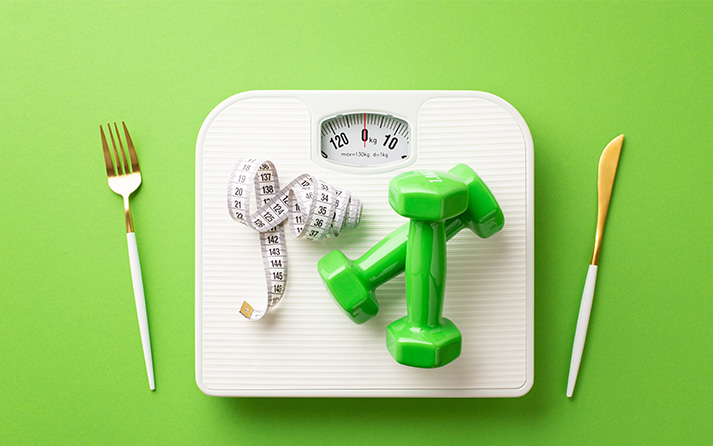
Weight loss is different for different people. Some are focusing on dropping Kilos and pounds. Others are focused on increasing their muscle mass. Boxers are unique in the sense that they need to cut fat and lose water weight.
Here is the catch, though. Cutting water weight can mean a loss of energy. You become slow, and your muscles become weak too. You can be achieve your goal, but you are losing something alongside it too. So, it has a high price.
Extreme dehydration means low performance. Less water means less blood volume. Your heart works harder. Endurance tanks. Your brain slows down, and your reflexes suffer. Worst of all? Muscles lose strength. So basically, you need a muscle retention diet.
The second option, which is cutting fat, is also a slow and strenuous process. But it’s the right way to cut without losing power. But if you cut too hard, your body will start burning muscle instead of fat. That’s bad news. Less muscle means less power behind your punches. It also slows recovery and increases injury risk.
That’s why balance must be maintained. As a fighter, you need to be very vigilant and smart while losing weight. Get rid of fat and water weight, but keep an eye out for the hazards on the way. Find the right balance of weight cutting and energy maintenance.
Nutrition Strategies to Cut Weight and Retain Power
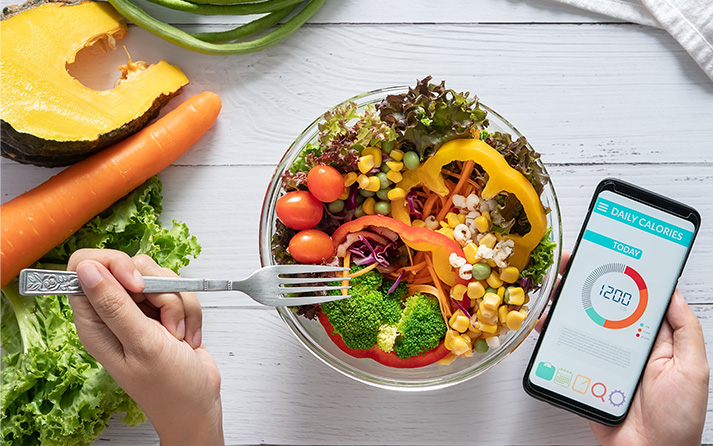
Cutting weight for boxing doesn’t mean starving. Especially when you are a fighter. How will you fight when your body has no energy, no fuel to run on. Eat less to lose weight, but eat right to make up for the cut in the amount. This is called eating smart.
We’ll tell you what to do:
1. High-Protein Cutting Diet
Protein is your best friend when you want energy that sustains and adds fewer calories. Protein keeps you full for longer, which simply means you won’t be hungry soon. It is not as high in calories as high-fat foods. And it builds muscles. It also keeps muscles from breaking down while you cut weight. More muscle = more power. Stick to lean sources:
- Chicken, turkey, and fish
- Eggs and egg whites
- Protein shakes for quick recovery.
Eat protein with every meal. It keeps you full and fuels your muscles.
2. Controlled Carbohydrate Intake
Carbs aren’t the enemy. You need them for energy. The trick is timing. Eat carbs earlier in the day and around training. Stick to:
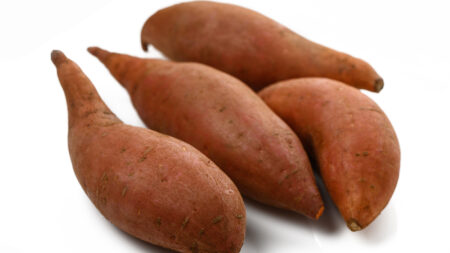
- Whole grains (oats, quinoa, brown rice)
- Vegetables (broccoli, spinach, sweet potatoes)
Cutting carbs too much kills endurance. Keep them low, but don’t wipe them out.
3. Healthy Fats for Energy
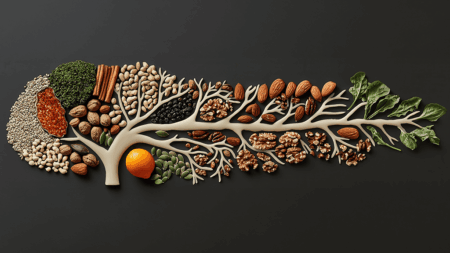
Fats fuel long training sessions. They also help your body absorb key vitamins. Add:
- Avocados
- Olive oil
- Nuts and seeds
A little fat goes a long way. Don’t overdo it, but don’t skip it either.
4. Caloric Deficit Done Right
You must burn more calories than you eat to lose weight. But cutting too much will drain you. Drop 300-500 calories a day—not more.
5. Micronutrients Matter
Vitamins and minerals keep your body strong during cuts. Focus on:
- Electrolytes (sodium, potassium, magnesium) to prevent cramps
- Iron and B vitamins for energy
- Vitamin D and calcium for bone strength
Related Article: The Best Healthy Diet Plans for Weight Loss in 2025
Cutting Weight Without Losing Power: The Role of Exercise
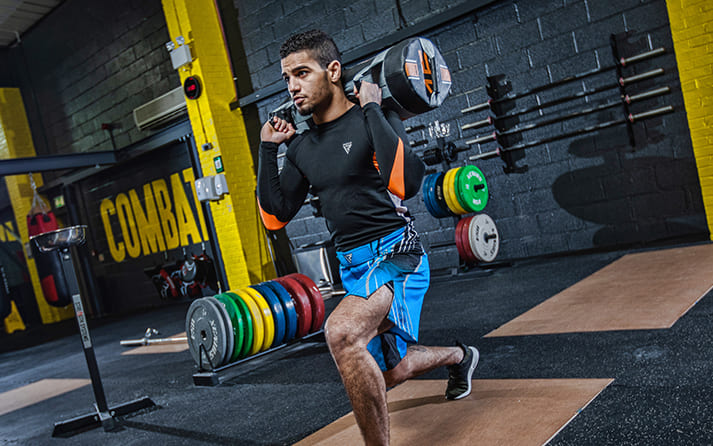
Proper dieting is an undeniable part of losing weight, but we can’t forget about training. It burns calories, builds muscle, and tones your body. Here is how you should exercise to keep up your energy and still lose lots of weight:
1. Weight-Cutting Exercise Regimen
Your weight-cutting boxing training should help you burn fat, not muscle. Here’s the formula:
- HIIT for Fat Loss— Short bursts of high-intensity work burn fat fast. Think sprints, jump rope, and explosive drills. These keep metabolism high without draining strength.
- Strength Training to Maintain Muscle — Lift weights at least 3-4 times a week. Focus on compound movements like squats, deadlifts, and bench presses. This keeps muscles engaged while cutting.
- Avoid Excessive Cardio—Too much steady-state cardio eats muscle. Skip long-distance runs. Instead, mix in short, intense cardio sessions.
2. Strategies to Minimize Muscle Loss
- Keep protein intake high. It is simple science. Protein builds muscle. You should keep giving your body protein so there is no loss of muscle. If you start losing muscle, you’ll darin yourself of energy.
- Get enough sleep—your body recovers and keeps muscle when rested. Fitness pros know the importance of sleep. Sleep reboots your brain, and gives your muscles a growth impetus.
- Train with resistance, not just cardio. Resistance training tears your muscles and that’s how they grow. It helps with easy weight loss too since muscle needs more energy for maintenance. This means with more muscle, you’ll burn more calories automatically.
3. Light Workouts Before Weigh-Ins
As weigh-in day gets closer, taper down. Intense training too late drains energy. Instead:
- Do light pad work and mobility drills.
- Avoid long, exhausting sessions.
- Keep sweating to a minimum unless cutting final pounds.
Related Article: Boxing for Weight Loss: Burn Calories & Tone Up Quickly
The Final Days – How to Cut Weight in 24 Hours
The last 24 hours before weigh-ins are crucial. These are not the days to cut weight too hard because if you do, you’ll only lose strength. This is not the time you’d want to lose strength. There is a way to lose some more pounds just before weigh-ins without killing your performance.
1. Step-by-Step 24-Hour Weight Cut
- Reduce Water Intake—Lower water gradually 24 hours before. Don’t cut it off completely.
- Sweat It Out Smartly—Use a sauna, hot bath, or wear layers. You’ll sweat and lose water weight, but don’t overdo it. With too much dehydration, you can ruin your performance.
- Keep Salt in Check— A small amount of sodium helps prevent cramping. Don’t cut it completely. But you need to make sure you aren’t eating too much salt before weigh-ins. This is because this will lead to water retention.
- Light Activity Only—No hard training. Shadowboxing or light movement helps sweat out extra water without exhausting you.
2. Rehydration After Weigh-In
Reaching your ideal weight is just step one. You definitely need your energy, your strength for the finale. So refuel and rehydrate fast. Here’s the plan:
- Electrolytes first – Coconut water, sports drinks, or electrolyte tablets bring back lost minerals.
- High-sodium foods – Salt helps your body hold onto water again. Think broth, pickles, or lightly salted meals.
- Small sips, not gulps – Drink slowly to avoid bloating.
3. Refueling for Power
Once rehydrated, it’s time to eat. Go for:
- Fast-digesting carbs – White rice, pasta, or bananas to restore energy.
- Lean protein – Chicken, eggs, or fish to rebuild muscle.
- Healthy fats – Nuts or avocado for sustained energy.
Do it right, and you’ll step into the ring at full strength, ready to go to war.
Rehydration and Refueling After the Weigh-In
Making weight is only half the battle. Weight cutting is done. Next up is the fights. You need to get back in fighting shape and spirit, and that needs loads of energy in your system. You need to rehydrate and refuel, but here is the right way of doing that:
The Danger of Rapid Rehydration
Chugging water right after weigh-in is a mistake, though you’d instinctively want to do it. It can cause bloating, nausea, and even mess with your electrolyte balance. You should rehydrate but only gradually. Let your system understand the changes that are going to happen. Sip fluids over the next few hours to let your body absorb them properly.
Best Foods and Drinks for Rehydration
Start with liquids to restore hydration fast:
- Electrolyte-rich drinks – Coconut water, sports drinks, or electrolyte tablets.
- Smoothies – A mix of fruit, protein, and healthy fats for quick digestion.
- Broths and soups—Warm, salty liquids help your body hold onto water.
Once fluids are in, move to solid foods:
- Fast-digesting carbs – Rice, pasta, oats, or bananas to restore energy.
- Lean protein – Chicken, fish, or eggs to rebuild muscle.
- Healthy fats – Nuts, seeds, and avocado for sustained fuel.
Managing Energy for Fight Night
Eat small, frequent meals. Avoid heavy, greasy foods that slow digestion. It goes without saying that you need to take balanced meals with carbs, protein, and fats. This will give you the energy and strength for the fights.
Key Tips for Maintaining Power During a Weight Cut
Cutting weight shouldn’t mean cutting strength. Stay sharp, explosive, and ready to fight with these key strategies.
1. Keep Protein High
Muscle loss is the enemy. The fix? Regular protein intake. Eat lean protein with every meal—chicken, fish, eggs, or shakes. This keeps your muscles fed and strong.
2. Prioritize Sleep & Stress Management
Lack of sleep kills recovery. Stress raises cortisol, which eats away at muscle. Aim for 7-9 hours of sleep and find ways to relax—breathing exercises, stretching, or light walks.
3. Listen to Your Body
Feeling drained? Weak? Back off. Overtraining and extreme cutting can lead to injury. Adjust training intensity if needed. A tired fighter is a slow fighter.
4. Cut Weight the Smart Way
The best cuts happen over weeks, not days. Crash cuts lead to weak performances. Instead, adjust diet and training gradually. The more time you give yourself, the better you’ll perform on fight night.
Conclusion
Weight-cutting isn’t just about losing weight—it’s about staying strong while doing it. The right nutrition and training plan make all the difference.
Crash weight-cutting diets and extreme dehydration will leave you weak in the ring. Instead, focus on high-protein meals, proper hydration, and smart training to keep your power. Listen to your body, avoid drastic cuts, and give yourself enough time to adjust.
Remember, health and performance come first. A fighter who cuts weight the right way stays explosive, sharp, and ready to dominate. Long-term success comes from sustainable weight-cutting methods, not last-minute panic. Cut smart, fight strong, and always step in the ring at your best.