




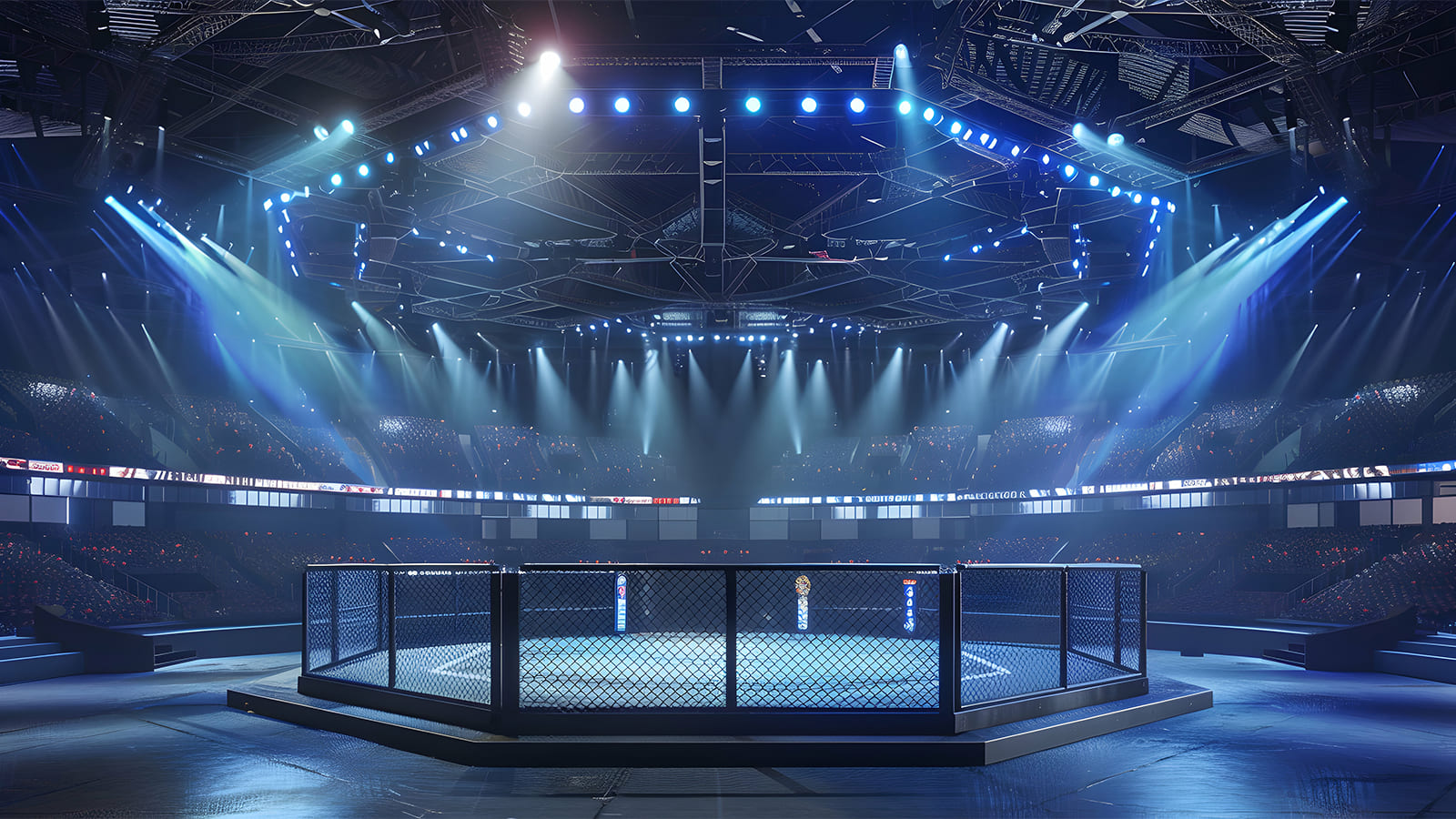
Irrelevant these questions may seem, but they aren’t. So today, we are digging into UFC Octagon measurements. So, let’s step into the cage.
What is the UFC Octagon?
When people talk about “the cage,” they talk about the Octagon. It’s that official and, frankly, iconic fighting arena of the UFC. Eight sides, metal fencing and padded walls.
Back in 1993, when UFC 1 took place, the Octagon made its debut. It wasn’t just some random, quirky choice. There were some solid reasons behind how it looked. The founders wanted something different from a boxing ring. Something that screamed, “this isn’t boxing.” Something safer too. Corners in boxing rings can trap fighters in awkward, dangerous ways.
An eight-sided design solved it.
Over time, the Octagon became a symbol of MMA. For fighters, it’s sacred ground. For fans, it’s the heartbeat of MMA. Step inside that cage, and the vibe shifts. You know you’re in the UFC.
So if you’re wondering, what is the UFC Octagon? It’s not just dimensions and fencing. It’s the home, the identity of modern mixed martial arts.
UFC Octagon Size and Measurements
The UFC Octagon size is pretty consistent across major events, and here’s what it looks like:
- Inside fighting area: 30 feet (9.1 meters) in diameter.
- Outer edge: 36 feet (11 meters) across.
- Fence height: 5 feet (1.5 meters) tall.
Those are the officially-endorsed UFC Octagon measurements. Big enough for movement, small enough to force action.
Now, if you’re asking, how tall is the UFC cage? The answer’s five feet. Doesn’t sound huge, right? But that seems from the outside. Get in, and it looks absolutely massive. Especially consider the lights blazing down and thousands of eyes staring in.
For MMA outside of UFC, the size of the cage can be different. Some cages are smaller, around 24 feet across. A few go bigger. The UFC’s chosen middle ground works well. Too small, and fighters are forced into constant brawls. Too big and you risk endless circling, with guys running laps instead of throwing hands.
The size of the UFC Octagon hits that sweet spot. Right in the middle, enough of everything. It supports the fights and even makes them what they are.
Related Article: How to Perform the Kimura Lock? Techniques and Variations for MMA Fighters
How Does the UFC Octagon Affect the Fighters?
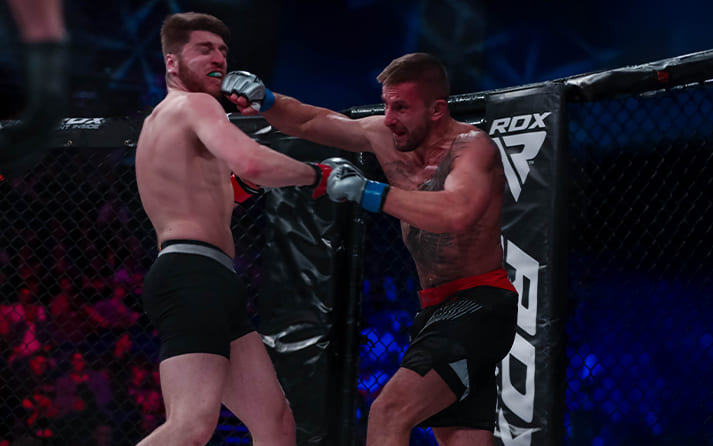
Space has its impacts.
In a standard 30-foot Octagon, you’ve got:
- room to move
- cut angles
- reset.
The cage gives them the playground to think and create.
But shrink that space, and it’s a different fight. Less running. Less time to breathe. You’re right in the fire. Some cards use a smaller cage (25 feet) when arenas can’t fit the full-size one. And guess what? Stats show those fights end quicker. Why? Less escape room. More collisions.
Then there’s the walls. Ring craft in MMA is all about how you use the fence. Press a guy against it. Pin his hips. Trap him. Or spin off when you’re the one stuck. Fighters call it “cage wrestling,” and it’s an art in itself.
So yes, Octagon size is quite strategic. Every inch counts when fists, knees, and takedowns are flying.
Why Does the UFC Use the Octagon?
You may wonder why the cage? I mean, the UFC can very well use any other space and design. But they don’t, and here are the reasons:
First off – fighter safety. The Octagon’s design means no corners, no awkward spots where a fighter can get jammed in and take unnecessary damage. The fence is padded, the floor secure, and even the edges are built to minimize injuries.
Second – visibility. Eight sides open up the view. Whether you’re sitting front row or watching on TV, you get cleaner sight lines. No ropes sagging like in a boxing ring. No posts blocking half the action. The UFC Octagon size is for the fans too.
And lastly – identity. Think about it. Boxing owns the ring. Wrestling has its mats. UFC needed something that said, “This is ours.” And they nailed it. The Octagon is branding genius. Even the word itself feels sharp, dangerous.
Related Article: Armbar Techniques: Top 5 Submissions for MMA Fighters
Comparing the UFC Octagon to Other MMA Rings
Bellator? They’ve got their own eight-sided cage, but it’s a little smaller than the UFC’s.
ONE Championship? They tried a circle. Bigger, wider, with even more space for movement.
Pride back in the day? They fought in a square ring, more like boxing.
And these differences matter. A bigger circle favors strikers who like distance. A smaller cage is for wrestlers and pressure fighters who want to cut space fast. The UFC’s is landing just in the middle balancing both sides of the coin.
So, basically, Octagon size or UFC Octagon dimensions actually play a role in making the UFC fights what they are. The glory that UFC enjoys is partially embedded in the cage size, too. It is truly iconic.
The Psychology of the Octagon: How Size Impacts Fighters’ Mindset
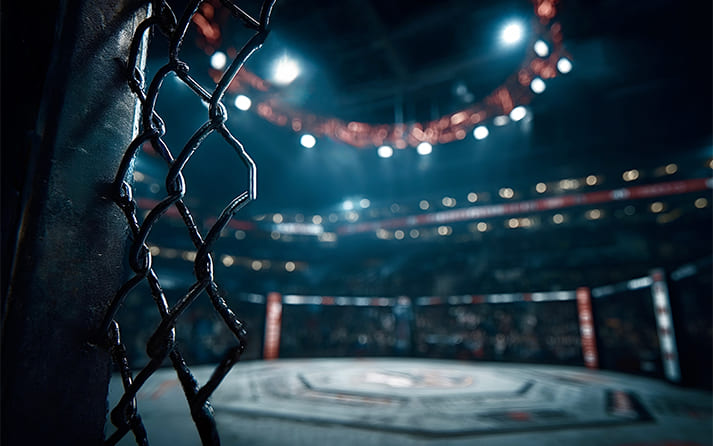
People often forget that the cage has a psychological impact and gives off its own vibe.
For some fighters, walking into a 30-foot Octagon feels like freedom. Space to think. Space to move. For others, it feels like a trap.
That 5-foot height of the UFC cage might seem like nothing, but when you’re pressed up against it, sucking air, trying to peel your back off the fence, it feels like a wall. Add in the roar of the crowd, and suddenly the space feels even smaller.
Size also changes the fight tempo. A bigger cage can slow things down as fighters play the long game. A smaller cage turns every round into a sprint. That mental shift can decide a fight before the first punch even lands.
So yeah, the UFC Octagon size plays its part in the game.
FAQ’s
The UFC Octagon isn’t just metal and padding. It’s part of the fight itself.
The size of the Octagon dictates rhythm, pace, even the way fighters think under pressure. You see it in footwork feel it in clinches & notice it when someone’s back hits the fence.
So next time you watch two warriors step inside, don’t just watch the punches. Watch the space. The Octagon is the silent third opponent. Always there. Always shaping the fight.