



This guide is basically your no-nonsense, slightly nerdy, slightly opinionated yoga mat buying guide. We’re comparing the three big players: TPE, PVC, and rubber. Side by side. Grip, thickness, sustainability, price – the whole thing. And once you get the right one under your feet? Your entire practice shifts.
What is a TPE Yoga Mat?
TPE stands for Thermoplastic Elastomer, which, if we’re honest, sounds more complicated than it is. Imagine plastic and rubber had a child who inherited all the “soft and flexible” traits but didn’t inherit the “smells like chemicals” downside. That’s TPE.
What is a PVC Yoga Mat?
PVC, Polyvinyl Chloride, is probably the yoga mat material you’ve met before, even if you didn’t know its name. It’s everywhere. Kind of like the “classic” option that refuses to quit. And honestly? There’s a reason it’s been around forever.
What is a Rubber Yoga Mat?
Rubber mats are like the overachievers of the yoga world in the best way. They’re made from natural rubber tapped from rubber trees. They’re biodegradable. Sustainable. And when it comes to performance…well, it’s almost unfair.
Grip Comparison: Which Yoga Mat has the Best Grip?
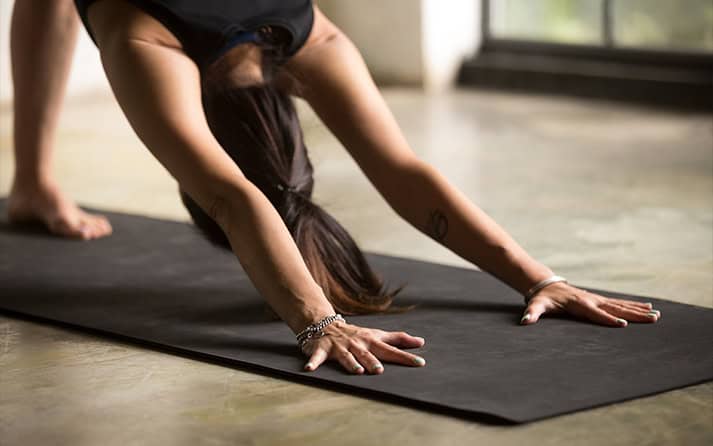

Grip is one of those things you don’t think about until the moment you suddenly… lose it. Ever slipped in downward dog? That micro-panic tells you everything you need to know about how important grip really is.
Let’s break it down simply:
1. Dry Grip
- Best: Rubber yoga mat. Hands down.
- Good: PVC (but only after the break-in period).
- Moderate: TPE. Soft, pleasant, but not the grippiest.
2. Sweaty Grip (Hot Yoga)
- Best: Again, rubber. It thrives in sweat.
- Good: PVC – surprisingly reliable when slightly moist.
- Weakest: TPE – sweat makes it lose traction fast.
Real-world example
Tree pose on TPE? Fine.
Tree pose on PVC? Pretty good.
Tree pose on rubber? Solid like a mountain.
Flow transitions also reveal the truth. Rubber sticks to your hands and feet like it’s rooting for you. PVC grips well after it loosens up. TPE? Sometimes it’s okay, sometimes your hand just wanders during Plank and you wonder why.
Grip changes because of density, surface texture, and how the material reacts to moisture. Rubber stays tacky. PVC becomes tacky. TPE stays soft… which is great for comfort, not great for sweat.
When comparing yoga mat grip comparison factors, rubber simply sits on top of the throne.
Durability Comparison
Durability is one of those features that you don’t appreciate until you see your mat peeling like a croissant. So let’s get straight to the rankings:
PVC – Most Durable
These mats can last 5-10+ years. They barely show wear. They’re stubborn in the best way.
Rubber – Very Durable
They hold up incredibly well, especially with strong grip-focused practice. The only enemy? Too much sun. UV breaks them down faster.
TPE – Moderate Durability
Great for gentle practice but not ideal for daily high-intensity use.

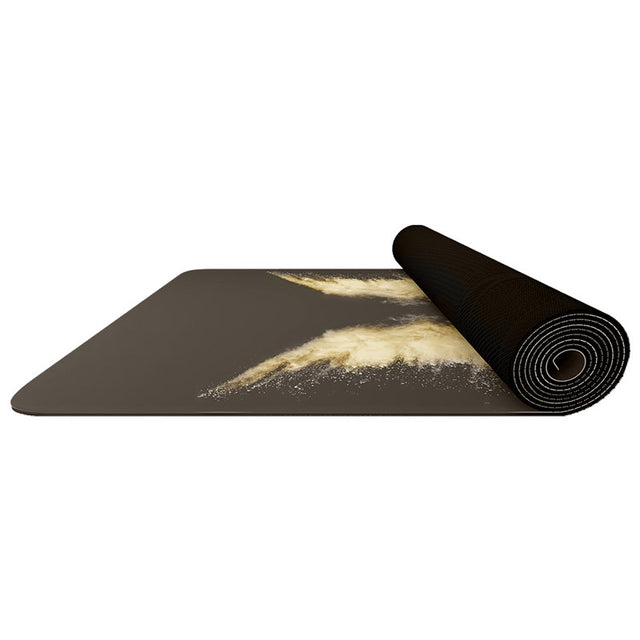
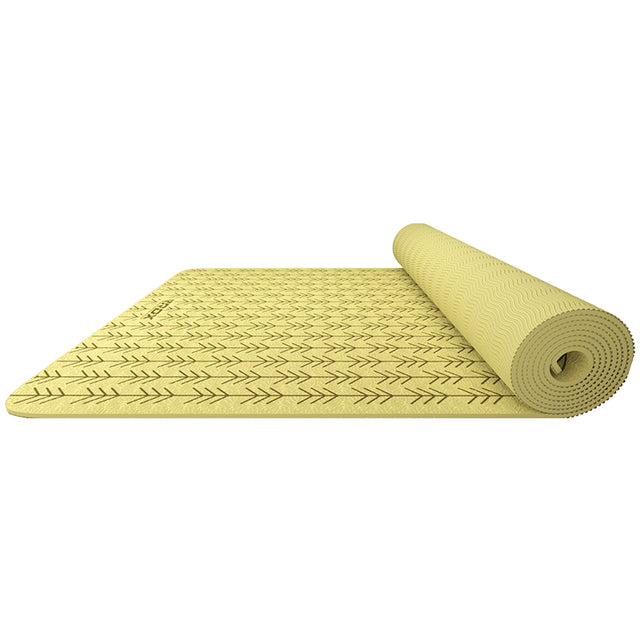
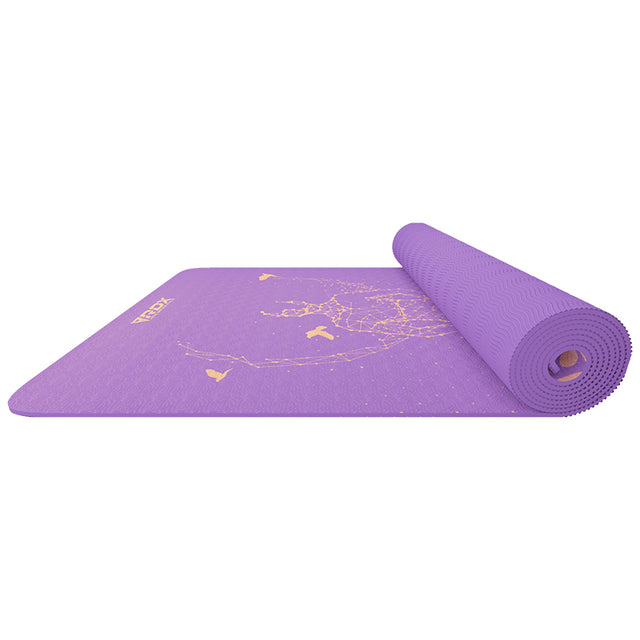
If you practice hot yoga, vinyasa, or anything dynamic, your mat wears out faster, no matter the material. HIIT on a yoga mat? Yeah, that’ll shorten its lifespan instantly. (We’ve all done it once. Never again.)
For pure yoga mat durability and longest lifespan, the PVC yoga mat wins easily.
Eco-Friendliness Comparison
This one is pretty straightforward, and honestly, a little sobering.
Most Eco-Friendly: Rubber
Natural. Biodegradable. Sustainable harvest practices. Rubber mats eventually return to the earth, which feels poetic in a way.
Moderately Eco-Friendly: TPE
Recyclable depending on the manufacturer. No heavy chemicals. Not perfect, but way better than PVC.
Least Eco-Friendly: PVC
Non-biodegradable. Hard to recycle. Chemical-heavy in many cases. It basically sticks around forever, which is great for durability…not so great for the planet.
Quick distinction
Biodegradable = breaks down naturally.
Recyclable = needs processing to be reused.
So in the world of eco-friendly yoga mat options, rubber wins, TPE sits in the middle, and PVC trails behind.
Comfort, Cushioning & Texture
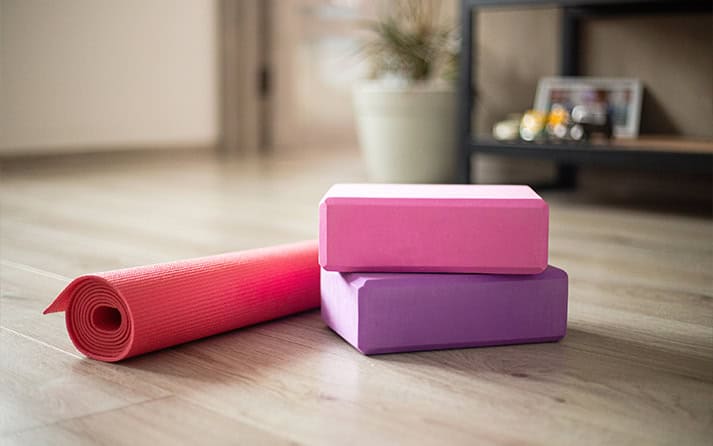
Comfort is tricky because we all like different things. Some want plush. Some want firm & Some want a weird in-between that feels soft but still grounded.
TPE is the softest. Plush. Cloud-like. Amazing for knees, hips, and elbows. If joint comfort is your top priority, TPE feels like the mat equivalent of being handed a warm blanket.
PVC has that firm, stable feel – great for balance, maybe a little harsh for long kneeling poses unless you get a thicker mat. But stability-lovers swear by it.
Rubber is dense and supportive. It’s not plush, but it protects joints incredibly well because the density absorbs impact without feeling “squishy.” The texture also offers natural grip without stickiness.
Thickness matters too:
- 4mm = standard, most stable
- 6mm = cushioned, joint-friendly
- 8mm = maximum comfort, less stability for balancing poses
If comfort is your main priority, go for TPE or a thicker rubber mat. PVC? Better for those who like that grounded, firm foundation the old-school yogis always talk about.
Price Comparison
Here’s the quick breakdown:
- TPE: $$ (mid-range): usually $20–$40. Great value for comfort and softness.
- PVC: $ (budget): often $10–$30. Cheapest option with the longest lifespan.
- Rubber: $$$ (premium): typically $50–$120+. Pricey, but you’re paying for sustainability and unmatched grip.
Price usually reflects what you’re prioritizing: sustainability, brand, density, or grip. Budget users go PVC. Beginners love the soft feel of TPE without overspending. Serious practitioners or hot yoga fans go straight for rubber because performance > price.
Everything circles back to your own yoga mat buying guide priorities.
Best Yoga Mat Based on Your Needs
If picking a mat still feels like too many tabs open in your mind, here’s the ultra-simple recommendation list. No overthinking. Just matching material to personality.
Best for Beginners: TPE
Lightweight, soft, welcoming. Zero intimidation factor.
Best for Budget Shoppers: PVC
Durable, cheap, dependable. The mat that refuses to quit.
Best for Eco-Friendly Yogis: Rubber
Biodegradable, sustainable, long-lasting. Peace of mind included.
Best for Hot Yoga: Rubber
A grip that feels like you’ve glued your hands to the mat.
Best for Durability: PVC
It wins this category by miles.
Best for Comfort: TPE or Thick Rubber
Cloud-like or dense support. Depends on your vibe.
Once you know what matters most to your practice: comfort, grip, sustainability, longevity – choosing between the types of yoga mats becomes surprisingly clear.
FAQ’s
So, what’s the “best” yoga mat? Honestly, there isn’t one. It depends on what matters most to you: grip, comfort, durability, eco-friendliness or some combination of all of them.
TPE mats feel soft, light, and comforting. Great if your joints are sore or you just want a forgiving surface. PVC? Built to last, tough as nails, and surprisingly stable once you break it in. Rubber mats? Grip that makes you wonder how you ever survived without them, plus eco-friendly bragging rights if that matters.
At the end of the day, picking a mat is about your practice and your priorities. Get the one that fits your flow, your style, and, let’s be honest, your mood that day. Because once your mat feels right under your hands and feet… yoga actually starts to feel better. Really better.