




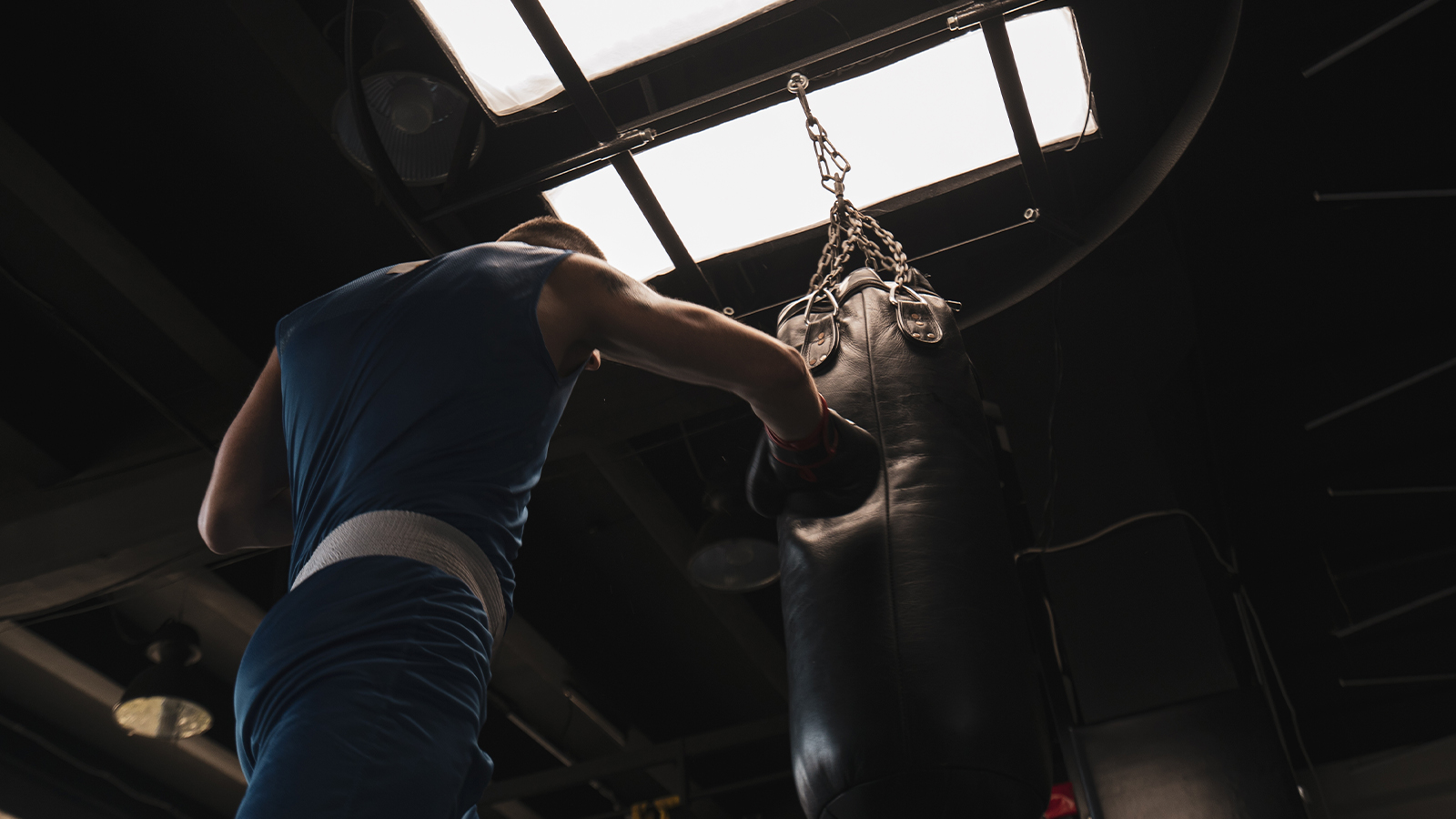
Look—pros and champs still drill these same boxing techniques every day. Why? Because if you don’t have the basics down, you’re just shadowboxing with your own potential. Mastering each boxing punch means you control distance, own the rhythm, and actually start dictating the pace, no matter who’s in front of you. The jab lets you test your opponent. The cross lets you make ‘em feel it. Hooks and uppercuts? Those are your tools for breaking guards and finishing the job.
Ready to see what makes each of these punches matter? Let’s break them down, keep it simple, and show you how to start building real boxing skills—one punch at a time.
Understanding the Boxing Punch Numbers and Types of Punches in Boxing
If you’ve spent time in any boxing gym, you’ll notice trainers call out numbers instead of names: “one” for jab, “two” for cross, all the way up to “six” for the rear uppercut. This boxing punch numbers system keeps things clear and fast—no confusion, just action. You’ll often hear combinations like “one-two-three,” meaning jab-cross-lead hook, and you’ll instinctively know which punching type to throw.
This shorthand is the universal language for boxing movements. Learning it early is key, whether you’re working on mitts, the heavy bag, or sparring. Master the boxing punch numbers and you’ll flow through combinations with less thinking and more instinct, setting you up for effective boxing combos for beginners and advanced fighters alike.
Related Article: Injury in Boxing: How to Stay Safe and Fight Strong
The Jab (Punch #1): The Foundation of Boxing Moves
No matter your level, the jab is the fastest, most essential punch. It’s your go-to for measuring range, disrupting your opponent’s rhythm, and opening up opportunities for heavier punches. The jab is the lead punch in almost every boxing combination and is central to both offense and defense.
A good jab comes from snapping your lead hand straight out from your chin, rotating your shoulder, and then quickly retracting to guard. Many beginners make the mistake of dropping their rear hand or overextending, but real skill is about staying balanced and sharp. Drilling your jab on the double-end bag helps with timing and accuracy—a must for every boxer.
Related Article: Shoulder Stability Exercises for Boxers | Build Strong Punches
The Cross (Punch #2): Power Punch in the Types of Hits in Boxing
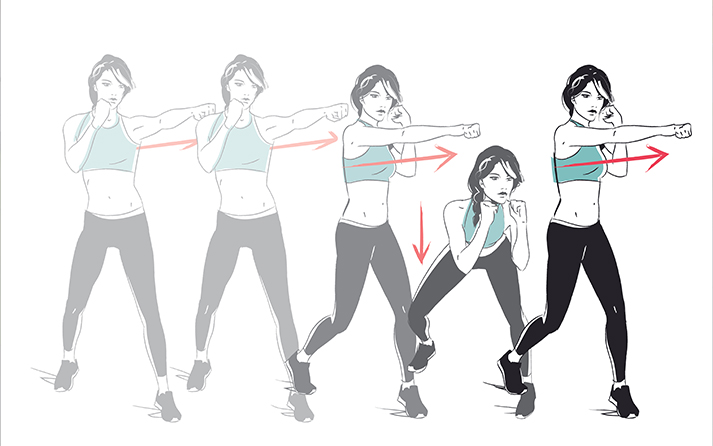
Here’s where you put some real heat on your punches: the cross. Out of all the types of punches in boxing, this is your go-to power shot. Thrown with your rear hand, the cross is what cracks through guards and turns a combo into a real threat. Nail the technique—rotate your feet, fire your hips, and snap your shoulder through the target. The goal? Transfer all your weight forward, so every bit of your body is behind that punch. That’s how you make your cross count.
A clean, tight cross can end a round—or end a fight. But don’t get sloppy. As soon as you throw it, bring your hand right back to your chin to keep your guard tight. Most people get lazy and leave themselves open for counters. Don’t be that person.
When you hit the heavy bag, play with your speed and power. Switch it up. Feel how engaging your legs and core boosts both stability and impact—these little adjustments turn an average boxing punch into something dangerous. Drill the classic “one-two”—jab, cross—over and over. It’s the blueprint for every solid boxing combo for beginners and the secret behind those highlight-reel knockouts you see from the pros. Get the basics right, and the advanced stuff falls into place
Related Article: The Rise of Boxing as 2025’s Hottest Fitness Trend
Hooks: Lead Hook vs Rear Hook (Punches #3 and #4)
When you step inside and the distance closes, it’s hook season. Out of all the classic boxing moves, hooks are the punches that do serious damage up close. You’ve got two main types of hooks in boxing—the lead hook (punch #3) and the rear hook (punch #4). For the lead hook, you pivot hard on your front foot, twist your hips, and swing that arm level, coming around the opponent’s guard. The rear hook? Same move, other side. More reach, a different angle, but just as lethal.
If you’re serious about learning the difference—lead hook vs rear hook—pay attention to your hips. It’s not just about swinging your arm; all the real power in these boxing punches comes from the lower body. Get lazy with your technique and you’ll be tapping, not cracking.
Want to drill it right? Hit the heavy bag and alternate hooks, feeling that snap and rotation each time. Then move to mitts for live feedback—react to calls, unleash those hooks without telegraphing. This is how you build fight-ready reflexes, speed, and accuracy. Mix your hooks into your favorite boxing combinations and you’ll start breaking through defenses and landing the kind of shots that get noticed.
Related Article: A Detailed Guide to Boxing Round Durations | RDX Sports
Uppercuts: The Knockout Punches in Boxing (Punches #5 and #6)
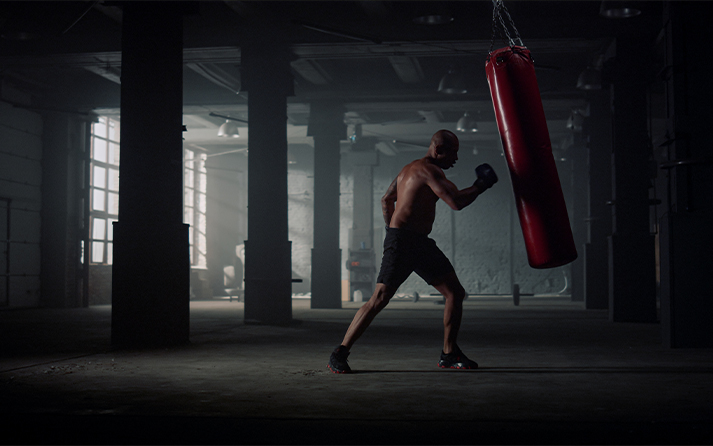
Uppercuts are your secret weapon when the fight gets close. Out of all the types of hits in boxing, the lead uppercut (punch #5) and rear uppercut (punch #6) are the go-to punches for breaking through a tight guard. Each uppercut is a tight, explosive move—punching upward right from your core to catch your opponent where they least expect it.
To land a powerful uppercut, drop your weight, bend those knees, and use your legs and hips to drive your fist up. Check your form in the mirror, or use resistance bands to build real knockout strength. Whether you’re drilling basic boxing punches or working on advanced boxing techniques, uppercuts are the finishing touch that make your boxing combinations deadly.
Related Article: How to throw a Boxing Hook and Uppercut – RDX Sports Blog
Building Combos with Purpose for Beginners: Linking the Basic Boxing Punches
Let’s get real about boxing combinations. If you’re just throwing wild punches, you’re not boxing—you’re hoping for the best. Smart fighters build combos that actually mean something. Start with your basics: the one-two. Jab, cross. Clean, efficient. Once that’s solid, add a hook or sneak in an uppercut. Now you’re unpredictable, and that’s exactly how you want it.
You build this skill with reps—on the mitts, on the heavy bag. Don’t just stand there. Move your feet, pivot out after your last punch, and keep your balance tight between each shot. Mix up three- or four-punch boxing combos, and pay attention to your transitions. Every punch should set up the next one.
Over time, these movements become automatic. The basics—those core boxing punches—start to link up on their own. That’s the difference between just throwing punches and actually boxing.
Related Article: 5 Best Boxing Core Exercises to Build Power & Stability
Troubleshooting Common Mistakes
A lot of beginners get tripped up by the basics. They rush their punches, forget about their footwork, or let their guard drop as soon as they throw. Don’t make those mistakes. Slow down. Focus on exaggerating your hip movement, keep your stance solid, and check your form—yeah, use a mirror if you have to. Training with a partner or coach is even better. They’ll spot the little stuff before it turns into a bad habit.
Footwork matters as much as your hands, especially when you’re learning the different types of punches in boxing. Stay light. Be ready to pivot, circle, and move in and out of range with every combination. Clean technique, sharp movement, and real-time feedback—that’s how you build good habits and get your boxing fundamentals right.
Mastering the basic boxing punches is what gets you started in real boxing. Drill your jab to control the distance, work the cross for power, use hooks to dominate up close, and fire uppercuts to break through defenses. The real progress comes from focusing on clean form and steady, consistent boxing combinations. Keep adding new boxing techniques as you go—there’s always more to learn.
If you’re training, keep it practical: throw on your RDX gloves, set your timer, and break your session into fundamentals and combos. Work the bag, mix in mitt drills, and pay attention to your technique. Need to step things up? Check out our lineup of boxing training equipment to keep your sessions sharp. Every round, every punch—it all moves you closer to real boxing skills.