




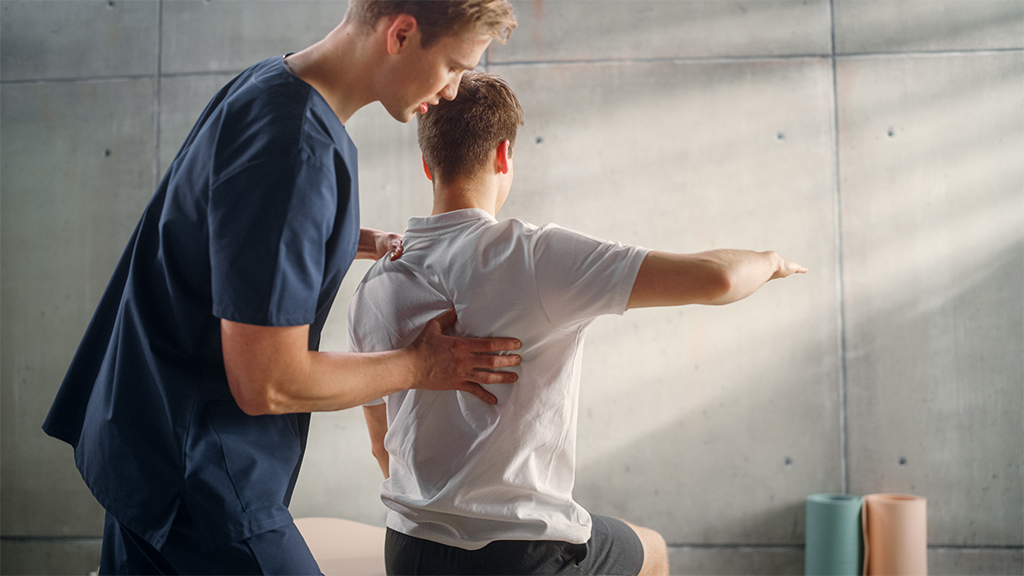
But here’s a little twist: not everything you hear about recovery is true. Some advice might help you get better faster, while other guidance might do more harm than good.
So, should you really jump into an ice bath immediately following a grueling workout—or is that all a myth?
In this blog, we’ll explore some of the biggest myths and truths about sports recovery. You’ll discover what really works, what doesn’t, and how to be smart about sports recovery—not hard. Let’s start.
Why Sports Recovery Matters?
Sports recovery is the body’s process of repairing, rebuilding, and strengthening itself after exercise. This includes rest, good sleep, hydration, stretching, and eating the right food.
When you exercise, your muscles go through stress. The muscle fibers develop small tears. Rest allows time for those muscles to heal and develop. That’s what makes your performance better over time.
Your body begins to break down without the correct recovery. You are more fatigued, more sore, and even more prone to injury. Over time, this can affect your progress or make you unable to train.
Muscle soreness is normal after a tough workout; however, it should not typically last too long. Recovery cuts this soreness and makes your body feel better the next day. It also helps keep your heart, joints, and immune system healthy.
But here’s the problem: there is so much bad advice. People follow myths because they assume they’re in the right direction. Ultimately, they forgo hurting their bodies and wasting time on ineffective approaches. Nutrition for recovery, for instance, is often overlooked because of these prevailing myths.
It can be really helpful to know what actually allows your body to recover. Now it’s time to separate the fact from the fiction.
Section 2: Common Myths About Sports Recovery
Myth 1: “No Pain, No Gain”

If you’re not hurting, you’re not gaining. That’s what many people believe. But that’s not true.
Pain is your body’s alert that something isn’t right. It’s normal to feel sore after a tough workout. However, acute or persistent pain could indicate an injury. You should not push through serious pain.
Progress comes from smart training and appropriate recovery, not from suffering. Listen to your body. Train hard, but rest smart.
Myth 2: Stretching Immediately After Exercise Prevents Soreness
Stretching has many benefits. It enhances flexibility and helps you to cool down. But it does not prevent muscle soreness.
Delayed Onset Muscle Soreness (DOMS) occurs when your muscles recover following a tough workout. Stretching does not stop this process.
Gentle stretching, after all, can feel nice and enable your body to relax. It’s ideal for long-term flexibility, but it’s not a cure for soreness.
Myth 3: More Rest Days Mean Laziness
Resting does not mean you’re lazy. It means you’re smart.
Muscles develop during recovery, not in the workout. Recovery days are for repairing muscle fibers and resting your body.
On the other hand, overtraining, which involves training without allowing the body time to rest, can lead to burnout, fatigue, or injury. Even top athletes have off days.
Active recovery, like walking or light yoga, is also helpful. It keeps the body moving without overloading it.
Myth 4: Ice Baths Are the Ultimate Recovery Tool
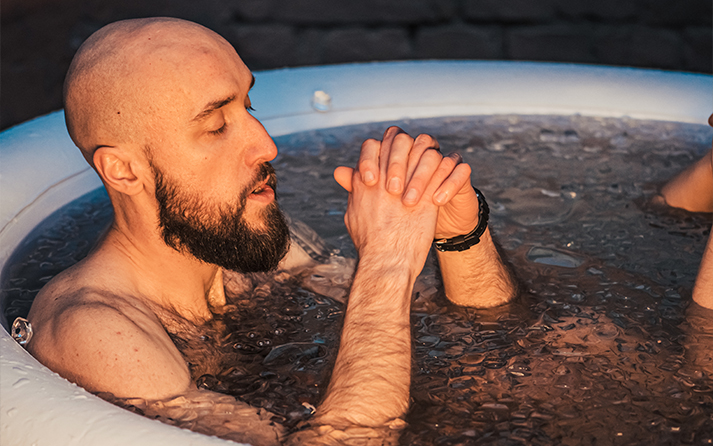
Athletes commonly use ice baths. They can temporarily reduce swelling and make you feel less sore.
But they’re not a magic fix. Some studies show they may even slow muscle growth if used too often.
They work better for some people than others. And for many, simple rest and hydration do the job just as well.
If ice baths make you feel better, go ahead, but don’t treat them like a cure.
Myth 5: You Need Expensive Recovery Equipment to Improve
There are many high-tech recovery tools—massage guns, compression boots, and more. They can help, but they’re not a must.
The best recovery tools are free: sleep, water, good food, and rest.
A foam roller or a stretch band can do wonders and is inexpensive. Before spending money, be sure to take care of the essentials.
Lifestyle factors like getting enough sleep and hydrating frequently tend to outweigh any technology.
Section 3: Science-Backed Truths About Athletic Recovery
Truth 1: Sleep Is the #1 Recovery Technique
Sleep is the most effective recovery tool. During sleep, your body repairs muscles, balances hormones, and strengthens your immune system.
Much of the healing in your body occurs while you are in deep sleep. The growth hormone released by the brain helps muscles in repairing tissue. When you don’t sleep well, your recovery slows down, even if you do everything else right.
Get between 7–9 hours of sleep each night. Your performance depends on it.
Truth 2: Active Recovery Beats Total Rest
This can reduce soreness and help you bounce back faster.
You may feel right by lying on the couch all day after a challenging workout, but light movement is more beneficial.
Active recovery is a low-level fitness activity — walking, yoga or swimming. This increase in blood flow helps transport nutrients to the muscles and remove waste. This can also decrease soreness and help you recover more quickly.
Truth 3: Nutrition and Hydration Speed Up Recovery

After exercise, your body needs fuel. You’ve used up energy and broken down muscle.
To recover well, eat a mix of protein and carbs. Protein helps repair muscles. Carbs refill your energy stores.
Don’t forget hydration. What you lose through sweat is replaceable with water and electrolytes. Dehydration leads to more fatigue and slower recovery.
Simple recovery snacks:
- Greek yogurt with fruit
- A protein shake with a banana
- Chicken wrap with veggies
Truth 4: Consistent Recovery Routines Matter
Recovery isn’t simply something you do post-hard workout. You must do it on a daily basis.
Doing things like stretching, foam rolling, drinking enough water, and getting sleep every day helps your body recover and rebuild. You shouldn’t do all techniques all the time—but consistency is crucial.
The small daily habits make the biggest difference over time.
Truth 5: Mental Recovery Is Just As Important
Recovery isn’t only physical. Your mind needs rest, too.
The stresses from work, school, or training can add up. It can mess with your sleep, your focus, and even muscle recovery.
Use tools such as meditation, breathing exercises, or journaling to declutter your mind. Even five minutes a day can reduce your stress and restore your energy.
Your body is able to heal quickly with a healthy mind.
Section 4: Best Recovery Techniques for Athletes
There are many methods to aid recovery after sports or intense exercise. Let’s see the most effective techniques and tools that work.
Sleep Optimization Tips
Sleep is when your body repairs muscles, balances hormones, and rebuilds energy. You should treat it as one of your top priorities.
Here are some simple tips for better sleep:
- Stick to the same bedtime every night
- Avoid screens 1 hour before sleep.
- Keep your room dark, quiet, and cool.
- Don’t eat heavy meals before bed.
- Try calming music or breathing exercises.
If you do not sleep well at night, even short (20–30 min) naps in the day can aid in recovery.
Post Workout Recovery Meals: Quick Ideas
What you consume post-training is incredibly important. Your muscles act like sponges — they soak up nutrients best right after exercise.
Aim to eat within 30 to 60 minutes after a workout. Combine protein and carbs.
- Smoothie with banana, milk, and protein powder
- Tuna or egg sandwich on whole-grain bread
- Chicken with brown rice
- Oats with nuts and berries
Remember to drink water — and, if you’ve been sweating heavily, electrolytes as well.
Foam Rolling and Stretching: What Actually Works
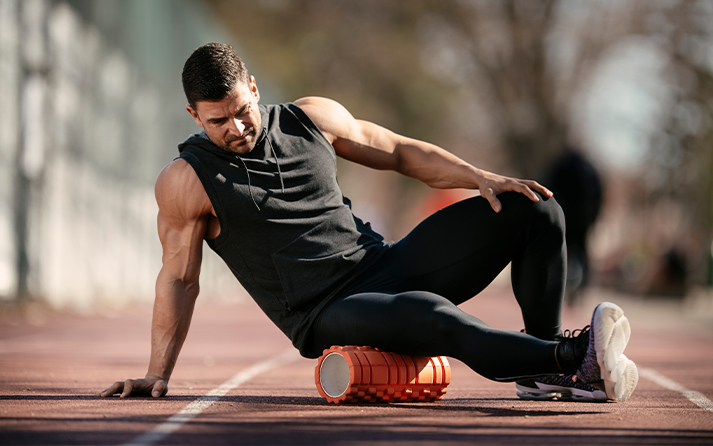
Foam rolling also reduces feelings of muscle tightness by increasing blood circulation and relaxing tissues. To be most helpful, it should be used regularly.
Focus on each sore area for 1–2 minutes, applying moderate pressure. You could use a foam roller in between workouts or on rest days.
Stretching—particularly after you work out—helps improve flexibility and decrease stiffness. Keep each stretch for 20–30 seconds. Don’t bounce or force the stretch — keep it easy.
Sports Recovery Equipment
No fancy tools are necessary, but a few recovery gadgets can assist:
- Foam Rollers: Best for daily use
- Massage Guns: Help break up muscle knots and tension
- Compression Boots: May boost circulation and reduce swelling
Use them wisely. Overuse can cause soreness. Always listen to your body.
Sports Recovery Therapy Options
There is an increasing demand for advanced therapies. Here’s what science says:
- Cryotherapy (cold exposure): Can decrease muscle soreness in the short term, but is not needed for everyone.
- Massage Therapy: Relieves tight muscles, eases tension, and promotes recovery.
- Infrared Sauna: This may help with relaxation and blood circulation, though more studies are needed.
These can be helpful, but they work much better along with simple recovery practices like sleep, nutrition and movement.
Section 5: How to Build Your Perfect Recovery Routine?
Recovery isn’t one-size-fits-all. It depends on your sport, how hard you train, and how your body feels. But having a plan helps you stay consistent.
Here’s a sample weekly recovery routine:
- Monday (Workout Day):
Post-workout: Protein shake + foam rolling
Evening: 8+ hours of sleep - Tuesday (Active Recovery):
Light walk or yoga
Stretching session - Wednesday (Workout Day):
Post-workout: Balanced meal + massage gun
Evening: Relaxation or breathing exercises - Thursday (Rest Day):
Focus on nutrition, hydration, and mental recovery. - Friday (Workout Day):
Post-workout: Cold shower or light stretching - Saturday (Active Recovery):
Low-intensity swim or bike ride.
Foam rolling + sleep early - Sunday (Optional):
Choose full rest or gentle mobility work.
Keep in mind your routine should be tailored to your needs. Runners might need more leg recovery. Weightlifters might be more concerned with muscle repair. Listen to your body. If you are feeling tired, it’s perfectly fine to exchange a workout for additional rest.
Recovery is personal. Do different experiments, and then choose what works best for you.
Conclusion
Smarter recovery means better performance, fewer injuries, and improved long-term health. And it’s not about doing more—it’s about doing what works.
We’ve busted common myths and shared real, science-backed truths. Now it’s your turn. Think about one recovery myth you believed. Was it “no pain, no gain”? Or maybe you thought you needed expensive tools? Challenge that idea and try something new.
Rest and recovery are the most effective ways to support muscle soreness relief and keep your body strong. Recovery isn’t just a break—it’s a key part of your training.
Which recovery technique do you swear by? Let us know in the comments!