




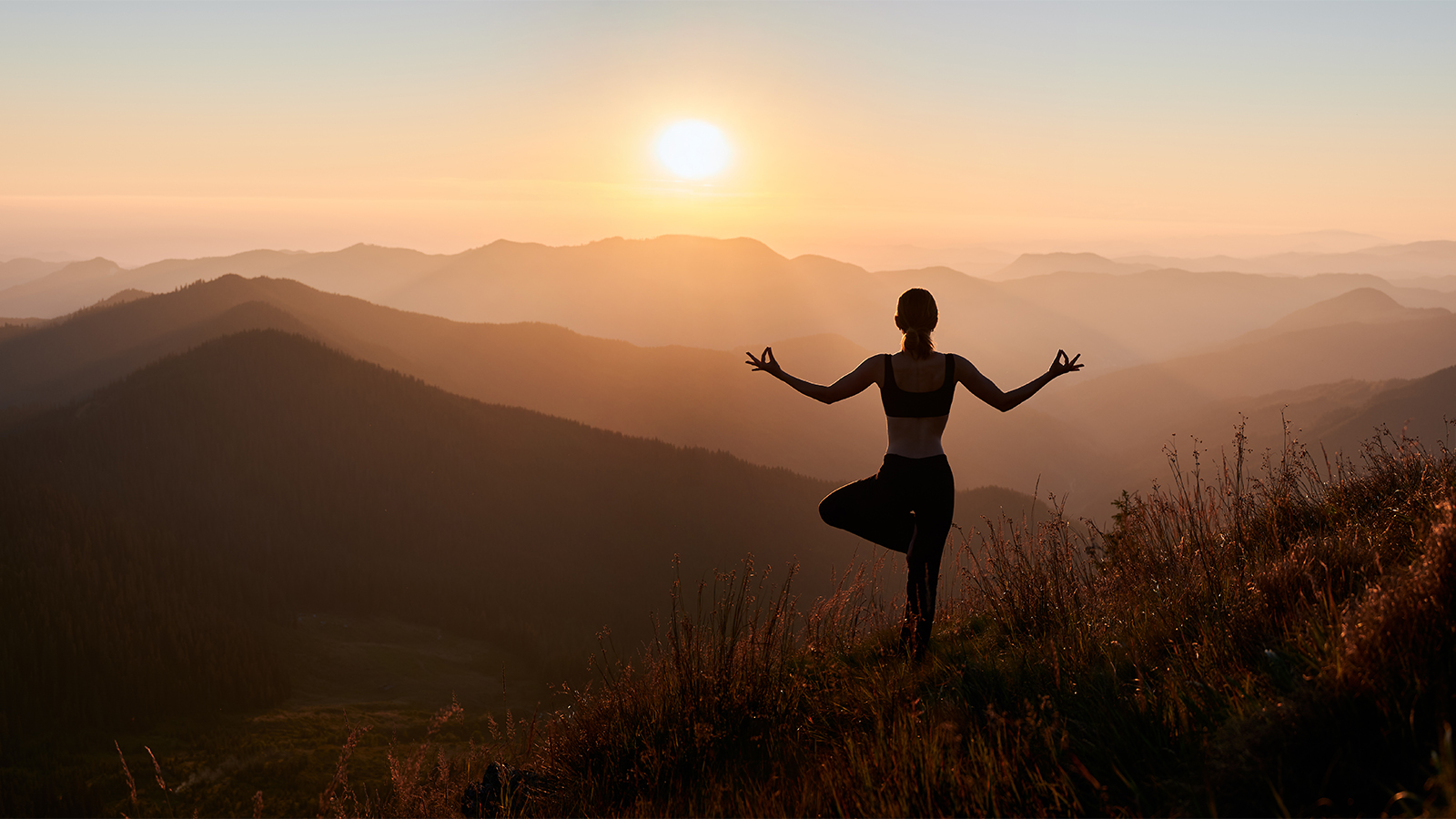
Yoga started as quiet meditation under ancient skies but it has now become one of today’s most powerful wellness tools. The best thing about Yoga is that it gives you a lot more than just movement and flexibility; it reignites the connection between the body and the mind. Connection of the past and present, the spiritual and physical.
But how did we get there? How did yoga move from a religious experience to a practical one? DO we still hold those principles that our ancestors did? Let’s find out.
The Origin of Yoga: Ancient Beginnings
Long before gyms or wellness apps existed, people were already exploring the art of breath and balance. The origin of yoga reaches back more than 5,000 years to ancient India – a time when movement, stillness, and spirit were one thing.
In those early days, yoga wasn’t a workout. It was a way of life. A method to quiet the mind and align with something higher.
Yoga and the Vedas
If you go back to the roots, you’ll see it mentioned in Vedas. It is somehow connected with the Hindu religious ideology and that is why it is mentioned in the oldest sacred texts in Hinduism.
The mentioning of ancient yoga traditions in vedas is, however, primarily about meditation, controlled breathing, and ritual. The main aim was to connect the mind, body, and spirit in harmony.Early Practices
The first yoga movements and poses weren’t about flexibility, they were about focus. Postures like Padmasana (the lotus pose) helped practitioners sit still for hours in meditation.
It was about turning inward. Finding calm. Learning to listen before speaking.Even now, that same ancient intention runs through every yoga session, whether in a quiet temple or a modern studio.
The Power of Yoga: Mind-Body Connection
If there’s one thing that defines the power of yoga, it’s connection. Yoga teaches that your body and mind aren’t two separate systems. They mirror each other. When one is off-balance, the other follows.
Where the Breath Begins
Yoga for mind and body connection revolves around this breath–movement sync. When you match motion with breath, like in Sun Salutations or Vinyasa flow, something clicks. Your body softens. Your thoughts slow down. The world gets quieter.
Science Finally Catches Up
It isn’t just some random yogi thing anymore. Scientific research backs the beliefs behind yoga, that it really does reduce stress and helps with anxiety and depression. The idea of connecting with the inner self and with the universe itself to rise above petty existence seems to have a solid ground. It helps with focus, mood regulation, and even better sleep.
It builds core strength and mobility, but its real strength is invisible. It’s in how it steadies your mind when life gets loud. That’s the true power of yoga.
Ancient Yoga Traditions and Spiritual Aspects

Back then, yoga wasn’t about classes or mats. It was a spiritual journey meant to unite humans with the divine.
Beyond the Mat: The Spiritual Core
The spiritual aspects of yoga were deep. It was a practice where humans tried to connect with and tame the self.
Practitioners sought enlightenment, or “moksha,” through reflection, discipline, and surrender. They studied yoga philosophy and meaning. The deep ideologies like dharma (duty), karma (action), and moksha (liberation) were studied when yoga was studied. The world of ancient yoga was different. These ideologies led their lives.
Yoga wasn’t meant to be a physical fitness technique like it is today. It was basically a spiritual training of the self in the art of control.
The Evolution of Yoga: From Ancient Practices to Modern Wellness
Yoga didn’t stay tucked away in ancient caves. It evolved, adapted, and traveled. By the late 19th century, teachers from India began sharing it with the world. That’s when the evolution of yoga began taking shape in the West.
From Temples to Studios
Yoga used to be an exotic and mostly spiritual technique. With the fitness wave of the 20th century, it entered studios. During this time, Yoga got itself a new identity – fitness and health technique. Postures like Downward Dog and Warrior became common and they still are. They have major flexibility benefits.
The Same Soul, New Form
In our times, Yoga is so versatile. It has different types like Hatha, Vinyasa, Ashtanga, Yin, Power, Hot. They all focus on something different – it could be strength, flexibility, endurance or simply mindfulness.
Even though there are now many kinds and types of yoga, the basics are the same i.e. to connect the body and mind for a wholesome experience. This divine connection is among the chief benefits of yoga practice no how different it looks from its past.
Related Article: 40 Yoga Exercises for Beginners on Yoga Mat
Yoga Movements and Poses: Ancient Techniques in Modern Practice
Every pose tells a story. Every movement carries something older than we are – passed quietly from teacher to student, body to body.
The yoga movements and poses you see today, from child’s pose to crow pose, aren’t trends. They’re traditions, shaped by time and made fresh again every time you breathe into them.
1. Classic Postures That Still Matter
- Padmasana (Lotus Pose): Built for stillness. You sit, you breathe, you find center.
- Adho Mukha Svanasana (Downward Dog): Strength meets grounding. Your whole body learns to hold itself with grace.
- Tadasana (Mountain Pose): Simple but powerful. It teaches presence – how to stand tall in your own space.
- Savasana (Corpse Pose): The hardest one, maybe. Pure surrender. The art of letting go completely.
2. Breathing Techniques
Yoga isn’t just movement. It’s rhythm. Breath is what ties it all together. Pranayama, the practice of breath control, teaches you to shape your energy. Slow breaths calm the storm. Fast ones light a spark. It’s balance, built into your lungs. The simplest, most powerful tool you already have.
3. Flow and Sequencing
Modern yoga loves to move. Flows like Vinyasa turn breath into motion – smooth, alive, intentional. You rise, fold & shift. Each move is linked to the next like notes in a song.
That’s the essence of yoga in any century – mindfulness in motion.
Stillness inside the flow.
Related Article: 7 Essential Yoga Poses Every Athlete Should Practice for Better Performance
The Global Impact of Yoga: Modern Trends and Popularity
Yoga has gone everywhere. From quiet temples in India to high-rise studios in New York and Tokyo, it’s the same rhythm – breath, focus, connection.
Yoga Worldwide
Millions of people roll out mats every day. Each one with their own reason. Some to heal. Some to grow. Some just to breathe a little better. That’s the beauty of it that yoga meets you where you are.
Yoga in the Workplace
Offices are catching on too. Companies now bring yoga into the workday to ease tension, lift moods, and build better focus. It’s not hype, it’s proven. Calm minds think clearer. Relaxed teams create better.
Yoga and Social Media
Social platforms changed everything. Instagram and YouTube made yoga global – accessible to anyone with Wi-Fi and curiosity.
You can follow a flow from your living room. Join a challenge. Learn from teachers across continents. And for a moment, everyone’s connected – breathing in sync. No borders. No barriers. Just movement and meaning, the same way it’s always been.
FAQ’s
Yoga is an old practice and it is based on the connection of the self with the truth of the universe. The techniques used like meditation, mindfulness and others have become fitness techniques in our times. The modern health issues are deeply entrenched in stress and anxiety and Yoga helps through mindfulness, meditation and stretching.