




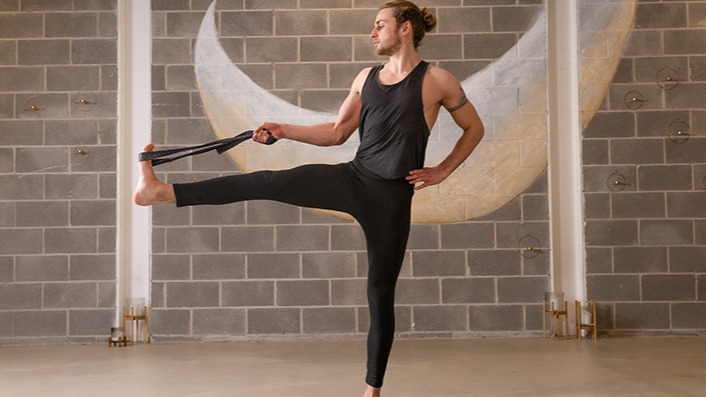
Having good flexibility and mobility can help the boxers to execute better and fluid movements, generating maximum force during a punch or kick without overexerting the body, and improved range of motion.
The boxing stretching routine can significantly impact a boxer’s performance, and aid in muscle recovery.
Another highlighting benefit of stretching is the prevention of boxing injuries. Being a high-demanding sport, boxers can often encounter different injuries but with proper stretching routine, their ability to move faster improves a lot, and they can easily dodge injuries.
The static and dynamic stretches for boxing done after and before the training mobilizes the joints, allowing them to train with their full potential.
Read till the end to learn about some best stretches for boxers to optimize the performance, and reduce injury risk.
Related article: Stretching Techniques for Faster Muscle Recovery: Best Practices & Benefits
Why Stretching is Essential for Boxers?
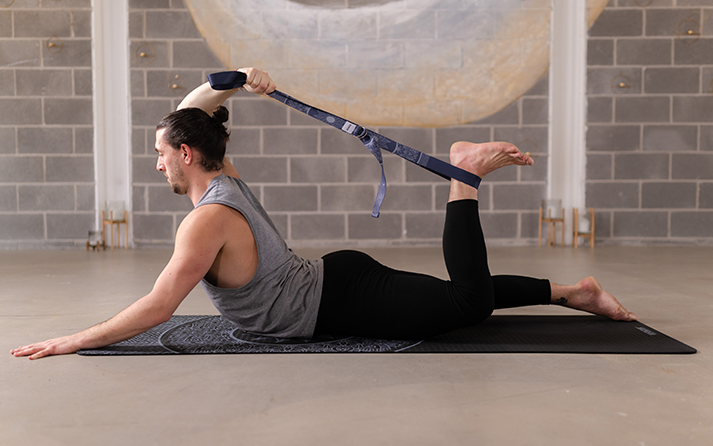
Boxing is an intense physical sport, but offers many benefits to health. The research shows that doing boxing workouts can have a positive effect on improving upper body strength and power along with increasing the metabolic burn. Boxing workouts are undoubtedly quite effective in improving strength but the repetitive movements in boxing can sometimes put stress and strain on joints and muscles.
Throwing a punch means pushing with great power against a resistance, which can sometimes result in excessive pain or injury. The limited range of motion in boxers can be a reason they are exposed to pain or injury after every boxing session. Hence it is essential for boxers to improve entire body flexibility to throw a good punch, and exhibit solid footwork.
Boxing gear like hand wraps, boxing gloves are essential for every boxer to secure the hands, but with good flexibility and mobility boxers can throw fluid movements. Stretching routine for boxers should be an integral part of their training routine to decrease the chances of injury and improve their athletic performance.
Boxing stretches for injury prevention play a great role in managing pain and recovery from the injury such as shoulder strains, wrist strains or hip tightness. The stretches for boxers are not only protecting you from injuries but also strengthening your fighting abilities.
Related article: How to Safely Increase Flexibility Through Stretching
Dynamic Stretches for Boxing: Warm-Up Routine
Dynamic stretches for boxing include movements which are usually performed before a workout to warm-up the muscles. The dynamic stretches for boxers focus a lot on constant movement to mobilize the muscles and increase blood circulation in the area to prepare the body for intense activity ahead.
The dynamic stretches performed before a workout can increase flexibility. No matter if you are going for a boxing training session or sparring with a partner, you always have to do these dynamic stretches to protect your muscles and joints from any pain. For example, performing shoulder stretches before the training sessions will prepare the body to throw stronger punches, maximizing the training effectiveness.
Below are some key movements that you can incorporate before a boxing session:
Arm Swings
The arms and shoulders are used massively during the training, and so warming up these muscles with exercises like arm swings can loosen the shoulders. This exercise is also helpful to enhance the punching range. Here is how to do this stretch:
- Stand with feet shoulder-width apart. Raise both arms to shoulder level in front of you.
- Start swinging your arms back and forth. Keep this movement slow and controlled.
- Swing your arms as far as you can move them comfortably.
- Do this for 30 seconds to one minute.
Back Rotations
One of the best boxing stretches for injury prevention, the back rotations warm-ups the muscles in upper and lower back, as they are used widely in boxing. Here is how to do this:
- Stand with feet shoulder-width apart, and put your arms in X position in front of you.
- Now, start rotating from the hip and turn to the right side. Test your range of motion here and turn as far as you can.
- Repeat on the left side too and continue for 60 seconds.
Hip Circles
The hip circle is a great dynamic move to improve hip mobility for boxing. With good hip mobility you can move efficiently with better balance. Here is how to do hip circles for good footwork:
- Stand with your feet shoulder width apart. Engage your core muscles and raise your one leg to hip height. It should be controlled and slow. Now rotate your leg out to the right side, so that it is parallel to the hip. Now rotate your leg backwards again.
- This movement will make one hip circle. Do at least 10 times and then switch sides.
Leg Swings
Leg swings is a great dynamic move for boxers, increasing hip mobility and preparing the legs for explosive movements. Here is how to do it:
- Start by standing with feet shoulder width apart.
- Engage your core and take support from a chair or wall if needed.
- Start swinging your right leg in the forward and backward direction. Make sure that the movement is controlled.
- Do the right leg for 10 times and then switch sides.
Static Stretches for Post-Workout Recovery
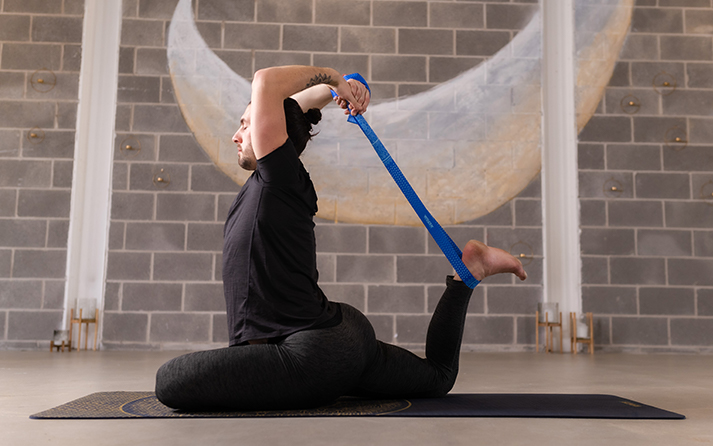
Static stretching looks a lot like yoga stretches. It requires the pulling of the muscle to its maximum stretch point, and holding it for at least a minute or some seconds. These stretches are great to relax the muscles after a training session, increasing the blood flow to the area. Static stretching moves are also a great option to do during rest and recovery days to add in some movement.
The static stretches are great to alleviate the muscle tension, and increase muscle recovery after a training session. The lengthening of the muscles in static stretching also improves the range of motion. Static stretching is done in a controlled manner and hence it is a great option for post workout stretches to lower the heart rate and reduce muscle soreness.
Following are some of the best static stretches including shoulder stretches and lower body stretches to do after a boxing session:
Posterior Shoulder Stretch
The posterior shoulder stretch prevents stiffness from the shoulders which can usually happen due to excessive repetitive punching. Boxing moves utilize a lot of shoulder and back strength, and hence it is important to relax these muscles after intense activity. Here is how to do this stretch:
- Extend one arm horizontally across your chest. Now apply pressure to this arm by using the other arm just below the elbow.
- Hold this position for at least 30 seconds and release slowly.
- Repeat on the other side too.
Anterior Shoulder Stretch
The anterior shoulder muscles are present near the pectoral region and work with posterior muscles to throw powerful punches. The anterior shoulder stretch is great to improve flexibility and manage any pain in the shoulder joint. Here is how to do it:
- Place your one arm on the wall.
- Now start leaning forward and make sure to hold the arm on the wall. It should not move.
- Hold the stretch for 15 seconds and release slowly. Repeat on the other side.
Standing Toe-Up Calf Stretch
Calf muscles are important in maintaining a good boxing stance and footwork. Stretching the calf muscles with standing toe-up calf stretch can relieve the pain in the area which happens due to long training hours. Do this to perform this stretch:
- Stand against the wall with both hands placed on the wall, one leg slightly in front of the other. Now place the toes of the front foot against the wall, lean forward and keep the heel grounded to the floor. You can use a yoga strap here to increase the depth of stretch.
- Feel a deep stretch in calf muscles and hold for 15-20 seconds. Change sides.
- The stretch can also be done on a yoga block.
Hamstring Stretch
Hamstring stretch can help to relieve lower body tightness and improve hip mobility for boxing. This is how you do a seated hamstring stretch:
- Sit on your yoga mat with one leg extended in front of you. The leg should be straight and the heel should be on the floor.
- Now start hinging from your hips, your back straight and chest parallel to the floor.
- Reach towards your toes and hold it for 30 seconds. Change sides.
Related article: Leg Stretchers: Unlocking Flexibility for High Kicks and Splits
A Complete Boxing Stretching Routine
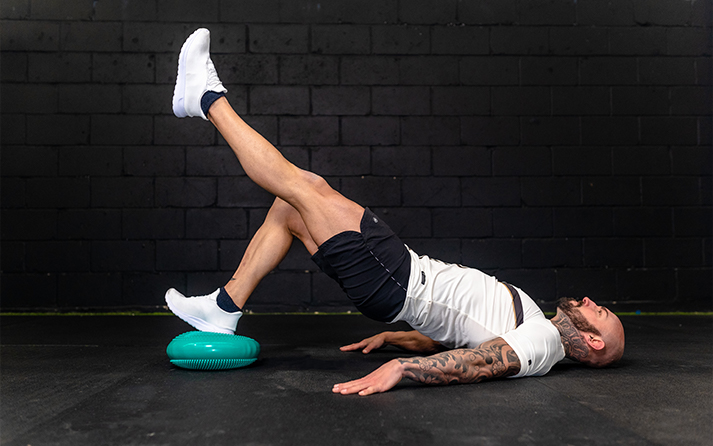
How to prevent boxing injuries? By including a perfect balance of dynamic and static stretches. From warming up the muscles for intense physical activity to relaxing the muscles and increasing the blood flow to the muscles, these stretching routines are great for boxers. No matter if you have slight pain after a boxing session or your goal is to increase flexibility and mobility, the structured stretching routine will help in achieving the goal.
The stretching routine in boxers also caters to muscular imbalances, fixing the posture, and improving their athletic performance. The dynamic stretching routine will warm-up the muscles by increasing the range of motion and circulation. Before any physical activity, it is mandatory for everyone to do a detailed dynamic warm-up session to reduce the risk of injuries. Without proper warm-up routine, you will be at a greater risk of pulling or damaging the muscle during the workout.
Similarly, after a boxing training session, boxers must spend 10-20 minutes doing static stretches to remove the lactic acid buildup and manage the muscle soreness. Not doing a proper cool down with a static stretching routine can increase the recovery time.
Combine all the dynamic stretches and static stretches listed above and do at least 2 sets of every stretch to maximize the benefits.
Related article: How to Prevent Common Boxing Injuries: A Complete Guide
How to Prevent Boxing Injuries Through Mobility and Flexibility?

Consistent stretching routine is an effective strategy to prevent injury in boxing. The mobility and flexibility in boxers is a great tool which allows them to move with good footwork and without hurting themselves. These factors also influence your performance and at the same time are essential to keep you injury-free.
The body is able to move faster, execute powerful and strong punches when you have good mobility and flexibility. Apart from doing dynamic and static stretches regularly before and after a workout, make sure that you are engaging regularly in stretching routines to enhance mobility and flexibility.
For example, for hip mobility, it is recommended to do lower body stretches for at least one hour once a week, and then you can see a good difference in your footwork and movements. Do upper body shoulder stretches within this routine to enhance shoulder flexibility. Incorporating these stretching moves and doing them regularly are essential to reduce the risk of developing injuries.
Other important injury prevention strategies that you as a boxer should definitely consider is your hydration, nutrition intake, and listening to your body’s signals. If you are overtraining and your body is telling you to slow down, then it is best to take rest for a few days rather than encountering an injury due to overused muscles.
Related article: Best Practices for Boxing Injury Recovery: Tips to Heal Faster & Prevent Future Injuries
Conclusion
Stretching is an important component of a boxing training routine. Regular stretching routines can improve boxers’ performance and keep them safe from injuries. Boxing training can be intense and vigorous, and hence including best stretches for boxers can be a treat for them. Make sure to include dynamic, and static stretches when designing the stretching routine for boxers.
Just like working on your punching technique and kicking power requires time and consistent training, you need to spend good time practicing these stretches to improve your mobility and flexibility. You can start seeing noticeable differences in your movements as they become more fluid, fast and agile because of better mobility and flexibility.
Follow a properly structured boxing stretching routine to recover from injuries, to reduce the injury risk, and boost performance and technique in boxing.
Every step you take towards better mobility and flexibility will reflect in your performance. Start working on your stretching routine today to become a better boxer with good power and strength.
Read More