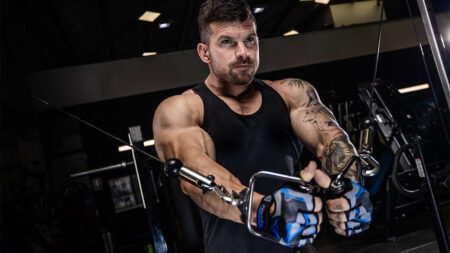





Stress and muscle building don’t mix well because cortisol breaks down muscle tissue, blunts testosterone, and slows protein synthesis. Even if your program looks perfect on paper, chronic stress will wreck it. The fix isn’t just training harder, it’s training smarter. That means dialing in recovery tools like mindfulness for muscle growth, learning to reset your nervous system, and managing cortisol before it manages you. Want gains that stick? Calm your mind first. The muscle will follow.
Cortisol 101: The Silent Gains Killer

Cortisol and muscle growth don’t play nice. It gets activated when the body is in stress. It is the way to cope with excess stress. Short bursts? Totally fine. Helpful, even. But the consistent high percentage of cortisol can lead to poor sleep, and massive emotional stress.
High cortisol and muscle growth are related directly. The hormone feeds on energy from your muscle. That’s great if you’re running from a tiger. Not so great if you’re chasing gains in the gym.
The high cortisol levels in the body reduces testosterone, and increases the fat storage capacity of your body. The sudden belly fat is because of this hormone. And no diet plan or exercise regime can help here, if your body is in survival mode.
Not all stress is bad, though. Intense workouts cause stress and muscle building at the same time, that’s what sparks growth. But it’s the stress outside the gym that’s the killer. Want a quick fix? Get 7-9 hours of sleep. Cut back caffeine. Meditate and breathe. If you’ve hit a plateau, the problem might not be your calories or reps. It might be your mindset.
Related article: The Best 7-Day Diet Plan for Muscle Gain
How Stress Sabotages Recovery? (Even If You Eat Perfectly)

How stress affects muscle recovery is one of the most overlooked problems in fitness. You can eat clean, train smart, and still spin your wheels if stress is sky-high. Why? Because stress messes with recovery on a deep level. It slows down protein synthesis by up to 30%. That means your post-workout chicken and rice? Half as effective. Overtraining while your life feels like chaos isn’t dedication, it’s self-sabotage.
Let’s be clear: recovery isn’t just about rest days. It’s about how well your body rebounds. And stress blocks that. It messes with hormones, sleep, digestion, and mental focus. Waking up groggy even after eight hours? That’s a red flag. Your cortisol rhythm may be off. That impacts sleep and muscle recovery more than any pre-bed supplement.
The fix isn’t fancy. Prioritize sleep like you prioritize training. Aim for 7–9 hours. Schedule deload weeks., take walks outside and breathe. Dial down the constant worry over macros or missed reps. Because stress multiplies everything, good or bad. If you don’t address it, you’re basically pumping the brakes on your own progress. Stress management for fitness isn’t soft. It’s a strategy.
The Vicious Cycle: Stress, Bad Sleep, Worse Recovery, More Stress

Muscle growth and mental health are deeply connected, and stress is the hidden wrecking ball in the middle. You’re stressed, so you sleep like crap. You wake up tired, recover slower, and feel even more stressed. It’s a brutal cycle that tanks stress and workout performance no matter how hard you train.
One bad night can do real damage. Science shows a single night of poor sleep can spike cortisol and suppress muscle growth for the next 48 hours. That’s two days of missed gains just because your brain wouldn’t shut off.
The fix isn’t complicated, but it takes consistency. Build rock-solid sleep hygiene. Make your bedroom cold and pitch black. Cut the screens at least an hour before bed. Set a hard caffeine deadline, 2PM max. These small changes reset your body and brain.
Want a bonus hack? Magnesium glycinate before bed. It calms your nervous system, lowers cortisol, and helps you drop into deep, muscle-repairing sleep.
Sleep and muscle recovery aren’t separate from your gains, they are your gains. You can’t grind your way through high stress forever. Fix the sleep, and stress and recovery will follow. It all loops back to muscle growth and mental health. Keep that loop tight.
Related article: Sleep Optimization for Peak Performance: Secret for Athletes & Fitness Enthusiasts
Stress-Eating Mistakes That Wreck Your Physique

Nutrition for stress relief and muscle gain isn’t about eating “clean” 24/7. It’s about eating smart when stress hits. The big mistake? Grabbing cookies, chips, or energy drinks when life gets chaotic. That sugar rush feels good for five minutes, but it spikes cortisol even higher, crashes your blood sugar, and signals your body to break down muscle for fuel. Not exactly the vibe you’re after.
Stress management for fitness gets harder when your food choices add fuel to the cortisol fire. High stress makes you crave junk. Then that junk keeps you in a stressed state. It’s a loop that drains your gains and bloats your progress. Literally.
The fix? Build a stress-proof diet. Start with foods that fight back like protein and healthy fats. Think salmon, nuts, eggs, Greek yogurt. These keep your blood sugar stable, which keeps cortisol in check. Add complex carbs like oats or quinoa around workouts for steady energy without the crash.
Bonus move: dark chocolate. Not the candy bar kind. Go 85% or higher. It helps reduce cortisol naturally and doesn’t send your insulin through the roof.
Remember, muscle growth and mental health start in the kitchen just as much as the gym. Eat to calm your body and to grow.
Mindfulness and Overtraining (Why “Just Push Harder” Fails)

Mindfulness for muscle growth isn’t just some nonsense. It’s a legit tool, and it works better than constantly grinding yourself into the ground. Here’s the hard truth, pushing through workouts when your brain’s fried doesn’t build toughness, it builds cortisol. That’s the hormone that breaks down muscle, screws up recovery, and kills progress.
Still think “no days off” is the way? Think again. Studies show that meditation drops cortisol by 20%. That’s the same impact as light cardio, without sweating or burning yourself out. This isn’t about skipping the gym. It’s about showing up with the right mindset, not dragging your stress with you under the barbell.
Start small. Ten minutes of deep breathing daily. Try box breathing: inhale for 4 seconds, hold for 4, exhale for 4. Do it before your session or even after a rough day. You’ll be shocked how fast your body calms down.
Stress and workout performance go hand in hand. So if you’re dreading your workouts, that’s a red flag. You’re not lazy, you’re overstressed. That’s when you swap in hikes, mobility work, or even team sports. Keep moving, just not at war with yourself. Real growth? It starts with stress busting fitness routines, and a brain that’s fully in the game.
Related article: Top Self-Care and Well-Being Strategies for a Balanced, Healthy Life
The Best (and Worst) Exercises for High-Stress Phases

Not all workouts help when you’re stressed. Some make it worse. That’s where most people mess up. They’re already overwhelmed, but still go smash a heavy lifting session or run max sprints. Big mistake. Your body doesn’t see that as “fitness”, it sees it as a threat. And guess what? That means more cortisol, more fatigue, and slower recovery.
Here’s the truth: when stress is high, you need smarter training, not harder. Swap a couple intense days for a stress-busting fitness routine that actually helps you reset. Think zone 2 cardio (steady pace where you can still talk), a long walk outside, swimming, or yoga. These are not “easy” workouts, they’re smart ones. They actually work as exercise to reduce stress hormones, not jack them up.
The science backs it: low-intensity stress busting fitness routine calms the nervous system and lowers cortisol. HIIT? Great when you’re fresh, not when you’re wired and tired. And here’s a bonus tip, take a cold shower after a workout. It drops cortisol by up to 25%. That’s huge.
Stress and workout performance are deeply linked. Push hard when you’re ready. Recover hard when you’re not. Because progress isn’t about who trains the most, it’s about who trains the smartest.
The Ultimate Anti-Stress Stack (Food, Supplements, Habits)

You can’t outlift stress. But you can outsmart it. If your recovery sucks and your mood’s trash, it’s time for a nutrition for stress relief and muscle gain upgrade. Start with food, real food. Salmon and sardines bring the omega-3s that calm inflammation and reduce stress. Dark leafy greens like spinach and kale are packed with magnesium, a natural cortisol killer. Add in some slow-digesting carbs at night. They help you chill out and improve sleep and muscle recovery.
Now for supplements. Ashwagandha is no joke, it can drop cortisol by up to 28%. L-theanine, found in green tea, calms your brain without making you feel sleepy. That’s a win for your workouts and your sanity.
But don’t stop there. Build habits that work with your body. Get sunlight in the morning, it resets your natural cortisol rhythm. Laugh more, seriously as it can significantly lowers stress hormones. And if you’re checking work emails before bed, stop. That blue light + job stress combo is wrecking your sleep.
This is your real exercise to reduce stress hormones. Not just movement, but fuel, focus, and rhythm. Add in a little mindfulness for muscle growth, deep breathing, being present in your body and you’ll see results that no pre-workout can fake.
Related article: 7 Morning Habits That Help You Lose Weight Quickly
Stress and muscle building are more connected than most people realize. It’s not just about lifting heavy or eating clean, your nervous system plays a massive role. Chronic stress spikes cortisol, stalls recovery, and robs you of progress even when everything else looks perfect.
You could be doing all the right things, but if stress is high, your muscles stay stuck. Flip the script. Manage stress, fix your sleep, eat smarter, move with purpose. The result? Better lifts, faster recovery, and real gains. Don’t just train harder, train wiser. Mastering stress and muscle building could be the missing link in your progress.