




Sports nutrition works synergistically with other aspects of athletic development. This way athletes can see a significant improvement in their performance.
With a well-planned nutrition strategy, athletes are prepared well for their intense training sessions. The role of sports nutrition also extends to athlete’s recovery from these sessions. The balanced nutrient intake with calculated calories maintains their weight requirements for their relevant sports.
Furthermore, with a good nutrition strategy and planned meals athletes also see a difference in their endurance, strength and overall recovery.
In this sports nutrition guide, we will explain to you all about the essential nutrient strategies to boost performance, the importance of post-workout and pre-workout nutrition, hydration, supplements intake and how to plan meals for recovery.
Related article: The Ultimate Nutrition Guide for Boxers: Fueling Performance and Recovery
The Fundamentals of Sports Nutrition Guide

General nutrition guidelines focus on intake of healthy and balanced meals. People following general nutrition don’t need to set a specific time to eat food. But in sports nutrition, every aspect from timings to athlete’s demands are considered. Sports nutrition is a little more complex than general nutrition following specific guidelines.
For example, when you are planning sports nutrition for muscle recovery, the focus is on the right split of carbs, protein and fat along with micronutrients and hydration status. Not only that, but the time at which athlete will be eating the food also matters a lot. There are pre-training meals, post-workout snacks, mid-day snacks to fuel, or early morning pre-breakfast options to kick start the metabolism.
Sports nutrition according to research has a direct impact on athlete’s performance. The nutritional plan for sports performance is planned differently for every athlete. Their training needs, their sports requirements, and their physical activity level, everything plays a role in planning this strategy. The goal of sports nutrition is to optimize athlete’s performance and hence the strategy has to be differently planned for different athletes.
Best Diet for Athletes: Macronutrients and Their Roles
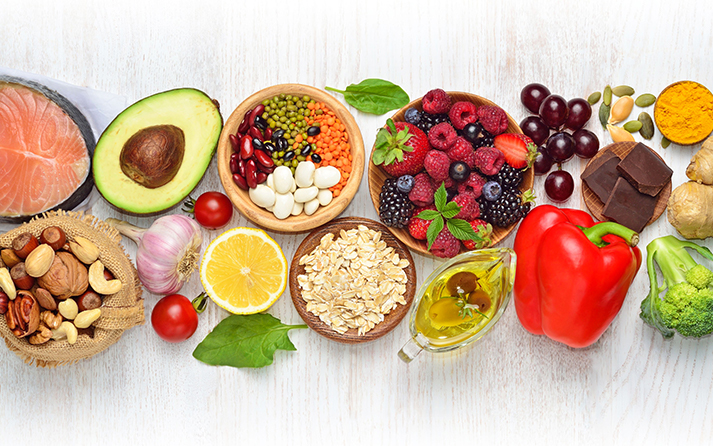
Macronutrients provide energy to the body and the main goal of eating these nutrients is to enhance normal body functions in the general public and athletes too. Macronutrients are required by the body in large quantities and have a specific role in cellular growth, hormone functions, general fitness and health.
The best diet for athletes should be divided in three macronutrients: carbs, proteins and fats.
Carbohydrates for Sports Performance
Carbohydrates in any form are broken down to provide glucose. The primary fuel for the body fulfills the athlete’s physical needs. Whether they need energy for their training, or during their sports performance, carbs are the only fuel they need. Carbohydrates for sports performance should be eaten at least 2-3 hours prior to training for sustained energy.
Proteins and Muscle Recovery
Proteins contain amino acids which are the building block of the body supporting various functions, and important for muscle recovery. The athlete meal plan should include at least 1.5-2.0g/kg/bodyweight of protein throughout the day which can vary according to activity level of an athlete. The role of protein intake in sports nutrition for muscle recovery is highly dependent on the food options chosen for athletes. The best sources are lean chicken, fish, eggs, tofu, etc.
Related article: Unlocking High-Protein Diet: Benefits, Risks, and How to Succeed
Healthy Fats for Athletic Performance
During endurance training, the consistent fuel for the activity comes from healthy fats. And not just any fat, unsaturated sources of fats only. Consuming a balanced amount of healthy fats also helps in absorbing fat-soluble vitamins. They also protect vital organs in the body from oxidative damage. Healthy fats for athletic performance are necessary for their overall health. Athletes should avoid consuming saturated fatty acid sources as they can negatively impact performance.
Nutritional Plan for Sports Performance: Meal Planning for Athletes
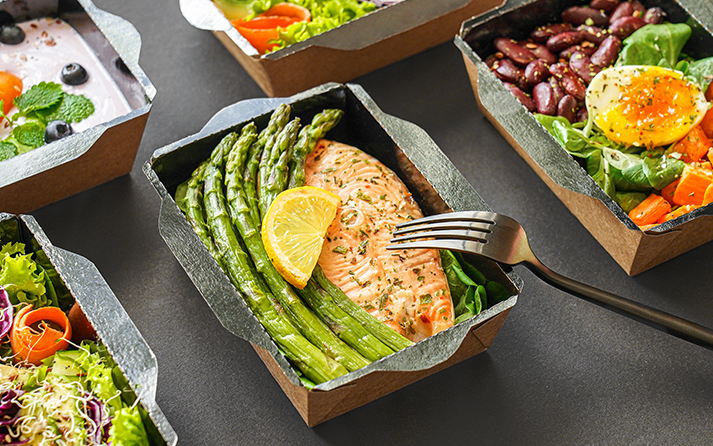
The plan for sports nutrition for strength training should be based on three main factors: pre-workout and post-workout nutrition, and daily meal planning.
Pre-Workout Nutrition
Pre-workout nutrition supports athlete’s performance in many ways. Eaten a few hours before the workout, the pre-workout nutrition enables athletes to power through the training. Without a proper pre-workout snack, athletes can experience problems in performing well. They might not be able to with
If an athlete does not eat this essential snack, then his performance will be affected and he will not be able to withstand intense training sessions. The best high-energy foods for athletes include a good source of carb, and protein at least 2-3 hours before training.
Related article: Pre-Fight Nutrition: The Ultimate Guide for Combat Sports Athletes
Post-Workout Nutrition
Training can be intense for athletes, and that is why they need immediate energy for recovery. The first thing they need after workout is to replenish the lost glycogen, and start the muscle repair process. And for that, they need a good balance of complex carbs and high-quality protein. The high-energy foods for athletes after a workout should also include fats to support overall health. Eat pre-workout and post-workout nutrition at the right time for maximum benefits.
Daily Athlete Meal Plan
The daily athlete meal plan should be designed according to athletes’ preferences and sports requirements. The goal here is to complete the daily caloric target no matter how many meals an athlete is taking. The optimal nutrition for fitness enthusiasts supports their health and fitness goals.
Best Supplements for Athletes: Enhancing Performance and Recovery
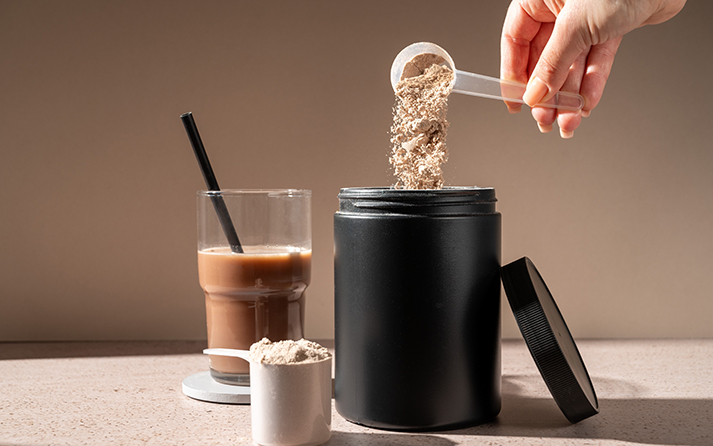
An athlete’s nutrition is well-complemented through different supplements. The right supplements support their health and training goals. The dietary supplements along with regular nutrition can boost athlete’s health, enabling them to perform better in the sport.
The best supplements for athletes include:
Protein Supplements
The protein supplements for athletes usually are whey-protein, casein protein, and plant-based supplements. The best protein for endurance athletes should be decided on the basis of its absorption rate. And hence, a good choice here would be whey protein. However, strength athletes can rely on any protein type for muscle recovery and performance.
Essential Vitamins For Athletes
The essential vitamins for athletes are vitamin A, B, C, D, and K. These vitamins support various body functions and are important for an athlete’s health. Research shows that consuming good quality vitamins and mineral supplements improve immune function and increase recovery time. The supplements for athletes work together with sports nutrition guides to optimize their health.
Pre-Workout and Post-Workout Supplements
Some athletes also rely on pre and post-workout supplements for better performance. These commonly include electrolytes, creatine, BCAAs, or caffeine. Consuming them is safe and are also effective in improving their performance.
Related article: 7-Day Meal Plan for Muscle Gain: Fuel Up for Your Fitness Goals
Hydration Tips for Athletes: Staying Fueled and Energized

Dehydration can pose serious risks to health. And for athletes, it is a bigger risk as they have to spend long hours in training, often in hot weather. If athletic hydration is not managed properly and leads to dehydration, it can impact their performance and even cause stroke or death. Hence, athletes should prioritize drinking enough water throughout the day to prevent the problem.
Water loss during training should be recovered by drinking electrolyte water after the training. This way they can maximize their training outcomes and maintain good hydration levels. A good hydration status in athletes also improves cognitive function and supports various physiological functions in the body.
The best hydration tips for athletes is to drink 3 liters of liquid throughout the day. Whether it’s electrolyte water, caffeinated drinks, or other sports drinks, everything adds up to overall hydration.
The general hydration tips for athletes should include focusing on electrolyte imbalance specially during and after the exercise, sipping water regularly according to their activity level to prevent dehydration.
Related article: 7 Hydration Tips for Athletes: Boost Performance and Stay Safe
Sports Nutrition for Different Athletic Goals
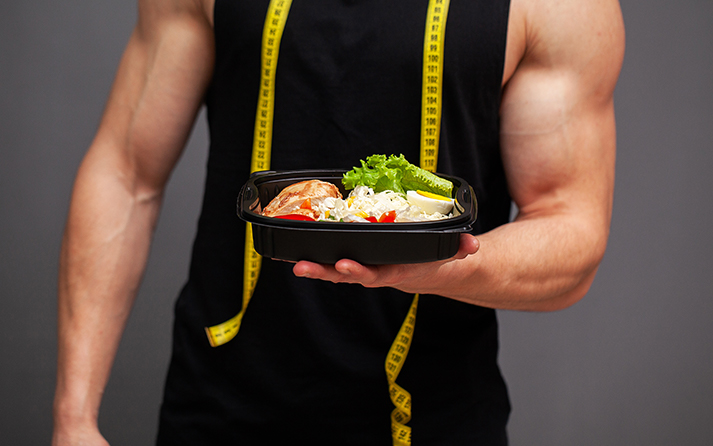
Different athletic goals mean different sports nutrition guidelines. It varies person to person, and sport to sport. Following is a detailed explanation of sports nutrition guidelines for varying sports discipline:
Endurance Athletes (Marathon Runners, Cyclists, Swimmers)
Endurance athletes need a consistent supply of energy to maintain good performance in sports. Carbohydrate loading for endurance athletes includes days of eating high-carb meals a few days before the competition to maximize the glycogen stores in the body for long and intense exercises. The endurance athletes require more protein to increase muscle repair due to long training sessions. The best protein for endurance athletes are lean meat, eggs, and whey with complex carbs.
Strength Training Athletes (Weightlifters, Bodybuilders)
For weightlifters and bodybuilders, the primary goal is muscle hypertrophy and for them the timing of protein intake matters a lot. Strength training athletes should take lean protein within 30 minutes after their workout to start the muscle repair process. Their nutrition strategy is also changed a bit depending on their strength and power gains.
General Fitness Enthusiasts
The general fitness enthusiasts should focus on a balanced approach to boost health and achieve fitness goals. They should also prioritize lean protein options in their meals with complex carbs and fats. Depending on their health goals, they should plan a calorie deficit or calorie surplus.
Related article: Nutrition Strategies to Maintain Strength: Best Foods for Performance & Recovery
Common Mistakes in Sports Nutrition and How to Avoid Them
The optimal nutrition for fitness enthusiasts and athletes boosts their health and performance goal. But athletes can still make mistakes that can disturb their nutrient intake. Below are some mistakes they do, and tips to manage them:
Not Eating Pre-Workout Meal
If you have eaten a proper meal at least 2 hours before training, then you can skip the pre-workout meal. The best approach is to have a small snack during the training session for consistent energy supply. But skipping it altogether and going to training without eating anything will be dangerous for health and performance. A smoothie, or quick protein bar are some good options for a pre-workout meal.
Using Supplements Instead of Foods
While supplements are great to boost overall health, they still cannot provide optimal nutrition. For balanced nutrition, eating whole foods with supplements is necessary. For athletes, meeting daily calorie targets is important and that can be done by eating proper meals only. Not doing this can make them prone to injuries, and halt their performance.
Poor Hydration
One thing that should never be compromised is hydration. Keeping a water bottle with you wherever you go is the only solution to meet the daily requirement. A mix of electrolytes and other sports drinks also help in achieving the daily hydration target.
Skipping Post-Workout Meals
A major mistake that athletes make. This is dangerous for their performance in the upcoming days. Post-workout meals instantly start the recovery process and provide energy. Not eating a post-workout meal means you are messing up with your performance goals.
Not Eating Enough Calories
For athletes, overall caloric intake during the day matters too. Undereating can have an effect on your weight, performance, and overall health. Hence pay attention to your every meal to stay ahead in your game.
Related article: Why Post-Workout Nutrition Matters for Recovery & Muscle Growth
Conclusion
A well-balanced athlete meal plan is an effective strategy to boost athletic performance and achieve training goals. Sports performance is highly impacted by the athlete’s nutrition and hence there has to be a properly planned strategy to maintain peak fitness and performance.
From the timing of the food to the total calories consumed in every food, for athletes all of this matters as they have to train vigorously and need constant energy supply to support their health. The sports nutrition for strength training also emphasizes on paying attention to hydration status and supplements intake.
It is important to know that sports nutrition guidelines are the same for all athletes but planning is different and depends on the intensity of the sport, individual training needs, and performance goals.
It is high time for athletes to pay attention to their nutrition to improve their performance and fasten their recovery. The sports nutrition guide should be customized for everyone based on their needs and goals.
Athletes should work with dietitians to create a customized and perfect meal plan for their training needs.