


Think sleep doesn’t matter? Think again. Studies show bad sleep slows reaction time, weakens muscles, and messes with recovery. Even one night of poor rest can throw you off.
LeBron James? Roger Federer? They get 10+ hours of sleep. That’s no accident. They know sleep optimization is the real game-changer.
In this blog, we’ll break it down. The science. The benefits. And real ways to fix your sleep for peak performance.
Because without sleep, your gains mean nothing.
The Science of Sleep: How It Fuels Performance

Sleep isn’t just rest. It’s fuel. Your body repairs, rebuilds, and recharges while you’re out cold. But not all sleep is the same.
Every night, you go through sleep cycles. Each cycle has three key stages:
- Light Sleep – The warm-up. Your body relaxes, heart rate slows, and muscles loosen up.
- Deep Sleep – The real recovery mode. This is where muscle repair happens. Growth hormones kick in. Your body fixes the damage from training.
- REM Sleep – The brain’s time to shine. This stage locks in skills, sharpens reflexes, and helps with physical recovery.
Miss out on deep sleep? Your muscles won’t rebuild properly. Skip REM sleep? Your reaction time and coordination take a hit. That’s why broken sleep = weaker workouts, slower gains, and higher injury risk.
Want better results? You need quality sleep cycles that give your body time to repair, grow, and reset. Because training doesn’t make you stronger—recovery does. And sleep is the best recovery tool you’ve got.
Sleep and Athletic Performance: What the Research Says

Think sleep is optional? Science says otherwise.
A Stanford study found that basketball players who slept at least 10 hours sprinted faster, shot more accurately, and felt less exhausted. Another study showed that sleep-deprived lifters struggled with strength and endurance. Even reaction time slowed.
That’s a disaster in sports. Slow reflexes. Weak muscles. Poor focus. That’s what happens when you cut sleep short.
Elite athletes know this. LeBron James, Usain Bolt, and Cristiano Ronaldo all aim for 9–12 hours a night. They treat sleep like training. Because poor sleep wrecks performance—and raises injury risk. Studies show athletes with bad sleep are 1.7 times more likely to get hurt.
So, how many hours of sleep do athletes need? Experts say at least 8 hours. But if you train hard, 9–10 hours is even better. Your body needs that time to repair, rebuild, and reset.
Want to train like a pro? Sleep like one.
What Happens When You Don’t Sleep Enough?
You can train like a beast. But if you don’t sleep? You’re setting yourself up to fail.
Sleep deprivation and workout recovery don’t mix. Your muscles heal when you sleep. Cut that time short, and you stay sore longer. Strength drops. Gains slow. Injuries creep in.
And hormones? They go wild. Testosterone plummets—bad news for muscle growth. Cortisol spikes—hello, stress, and fat storage. Your body fights harder to recover, but it just can’t keep up.
The immune system takes a hit, too. More sick days. More missed workouts and more frustration.
Then comes the brain fog. Bad sleep = slower reflexes, weaker focus, and poor decision-making. Whether you’re lifting, running, or throwing punches, that split-second delay can cost you.
Think you can power through? Chronic sleep loss has warning signs:
- You feel drained even after rest.
- Soreness lingers longer than it should.
- Workouts feel way harder than usual
- You crave junk food nonstop.
Sound familiar? Fix your sleep before it wrecks your training. Your body doesn’t just need rest—it demands it.
How to Optimize Sleep for Performance?
You train with a plan. Your sleep needs one, too. Sleep hygiene for peak performance isn’t just about getting more hours—it’s about getting better sleep. Here’s how to make it happen:
Stick to a Sleep Schedule
Go to bed and wake up at the same time—even on rest days. A consistent routine keeps your body clock in check.
Wind Down Like a Pro
Ditch screens an hour before bed. Blue light wrecks melatonin, the hormone that helps you sleep. Swap TikTok for stretching, reading, or breathwork.
Watch What You Eat & Drink
Caffeine lingers for 6+ hours—cut it off by afternoon. Heavy meals late at night? Bad idea. Your body should be resting, not digesting.
Upgrade Your Sleep Environment
Cool room. Total darkness. Zero noise. That’s the formula for deep, uninterrupted sleep. Use blackout curtains, white noise, or even sleep masks if needed.
Train Smart, Sleep Hard
Hard workouts too close to bedtime can keep you wired. Try to finish intense training at least 3 hours before bed.
Want to know how to optimize sleep for performance? Start with these steps. Better sleep quality means faster recovery, stronger lifts, and sharper focus. Treat your sleep like training, and you’ll wake up ready to win.
Best Sleep Practices for Athletes
Athletes push their bodies to the limit. Sleep is the reset button. Get it right, and you recover faster, perform better, and avoid injuries. Ignore it, and your progress takes a hit.
Plan Your Sleep Like Your Training
Set a sleep schedule and stick to it. Sleep at the same time every night. Wake up at the same time too. Even on rest days. Your body loves routine.
Use Naps Wisely
Not all naps are equal. A 20–30 minute nap boosts energy without grogginess. But a 90-minute nap gives you a full sleep cycle—great for recovery. Just avoid late afternoon naps. They mess with nighttime sleep.
Train at the Right Time
Late-night workouts? Bad idea. Exercise wakes you up by raising body temperature and adrenaline. Finish intense training at least 3 hours before bed for better sleep.
Eat Smart for Better Sleep
Big meals before bed? Nope. Your body should repair muscles, not digest heavy food. Go for light, protein-rich snacks like Greek yogurt or a banana with almond butter. And cut off caffeine at least 6 hours before bed.
Track Sleep Debt & Plan Recovery
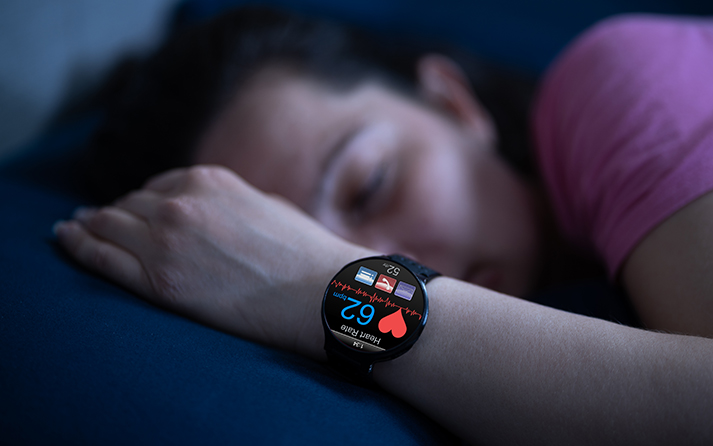
One bad night? You’ll feel it. A few in a row? Your reaction time, endurance, and strength all drop. Monitor your sleep with a tracker or a journal. If you fall behind, schedule extra recovery time—just like you would for sore muscles.
Reduce Screens Before Bed
Blue light tricks your brain into thinking it’s daytime. No phone, laptop, or TV 60 minutes before bed. Try reading, stretching, or deep breathing instead.
Bottom Line: Prioritize Sleep Like Training
Sleep optimization isn’t a luxury—it’s a tool. The importance of sleep for fitness is undeniable. Athletes who sleep well perform better. Period. Train hard, sleep harder, and watch your game level up.
Related Article: The Importance of Sleep in Recovery: Best Practices for Faster Healing
Building the Best Nighttime Routine
A solid nighttime routine isn’t just about falling asleep—it’s about better recovery, deeper rest, and waking up ready to perform. Follow this step-by-step plan to build the best nighttime routine for better sleep.
Set a Fixed Bedtime
Same time. Every night. No excuses. Your body loves routine, and a consistent bedtime trains it to shut down properly.
Power Down Screens
One hour before bed, cut off the blue light. Phones, TVs, and laptops mess with melatonin, your sleep hormone. Swap them for a book, dim lighting, or a chill playlist.
Light Stretching or Foam Rolling
Loosen up tight muscles before bed. Foam rolling or static stretching releases tension and preps your body for recovery. Bonus: It signals your brain that it’s time to wind down.
Journal or Meditate
Racing thoughts? Journaling helps clear your mind. Write down tomorrow’s game plan or three things you’re grateful for. Prefer silence? Try meditation or deep breathing to relax.
Use Natural Sleep Aids for Recovery
Struggling to unwind? Try natural sleep aids for recovery:
🍵 Herbal teas like chamomile or valerian root.
💊 Magnesium helps relax muscles and calm the nervous system.
🌙 Melatonin (if needed) to reset your sleep cycle.Keep It Cool, Dark & Quiet
Set your room to 65–68°F (18–20°C). Use blackout curtains. White noise or earplugs if needed. This triggers deep sleep faster.
Your Sleep, Your Edge
Athletes recover when they sleep. A strong nighttime routine makes all the difference. Stick to it, and your body will thank you—with faster recovery, better workouts, and stronger performance.
Related Article – Improve Your Sleep Hygiene-Improve Your Health
Using Sleep Tracking for Fitness Goals
Want to train smarter? Start tracking your sleep. The best athletes don’t just track reps and macros—they monitor their sleep cycles, too.
Wearables That Track Sleep
Smart tech makes sleep tracking for fitness goals easy. Here are some top picks:
📲 Whoop – Tracks strain, recovery, and sleep quality. Perfect for serious athletes.
💍 Oura Ring – A sleek ring that measures deep sleep, REM sleep, and heart rate variability (HRV).
⌚ Apple Watch – Monitors sleep duration and movement patterns, syncing with your fitness data.What to Do With the Data
Tracking sleep is cool, but using the data is what matters. Here’s how:
✅ Low recovery score? Reduce training intensity and focus on mobility work.
✅ Not enough deep sleep? Cut off caffeine earlier and avoid late workouts.
✅ Inconsistent sleep schedule? Set a strict bedtime and wake-up time.More Data = Better Performance
The more you track, the better you understand your body. Patterns will emerge. You’ll see what hurts your sleep and what improves it. Then, you can tweak your training, recovery, and lifestyle for peak performance.
Bottom Line: Train Hard, Sleep Smart
Sleep isn’t just rest—it’s a weapon. Use sleep optimization to fuel your workouts, avoid burnout, and perform at your best. Track it. Adjust it. And watch your fitness levels climb.
How Much Sleep Do You Actually Need?
How many hours of sleep do athletes need? More than the average person. Sleep fuels performance just like food and training do.
The Golden Rule: 7–9 Hours (or More!)
For most adults, 7–9 hours is the sweet spot. But for athletes? 8–10 hours is ideal. Why? Because intense training demands more recovery. More sleep = stronger muscles, better endurance, and faster reaction times.
Listen to Your Body
Not all bodies work the same. If you wake up groggy, struggle with workouts, or feel drained all day, you need more sleep. Training hard? Add an extra hour. Feeling run-down? Take a nap.
The ‘Less Sleep, More Hustle’ Myth
Some people claim they “function fine” on 4–5 hours. Science says otherwise. Chronic sleep deprivation kills focus, weakens muscles, and slows reaction time. Even elite athletes like LeBron James and Roger Federer aim for 10+ hours a night. If the best in the world prioritize sleep, why shouldn’t you?
Bottom Line: Sleep Smarter, Perform Better
Forget the grind culture that glorifies less sleep. Sleep optimization isn’t laziness—it’s the key to better training, faster recovery, and peak performance.
Final Thoughts
Sleep isn’t extra. It’s essential. It’s the difference between hitting PRs or plateauing, staying sharp or burning out.
You plan your workouts. You track your macros. Now, it’s time to treat sleep the same way. Prioritize it. Schedule it. Optimize it. Your body, brain, and performance will thank you.
Start small. Set a bedtime. Limit screens. Improve your sleep hygiene for peak performance. Just one change tonight can make a difference.
Are you ready to sleep like an athlete? Track your sleep this week and see how much better you feel. Your best performance starts in bed.
Read More
- Practical Weight Loss Tips for Women Over 40: Diet, Exercise & Hormonal Balance
- Building the Perfect Workout Routine for Weight Loss: A Step-by-Step Guide
- 10 Common Weight Loss Myths Debunked: Facts vs Fiction
- Top 10 Fitness Challenges in 2025: Push Your Limits & Stay Motivated