



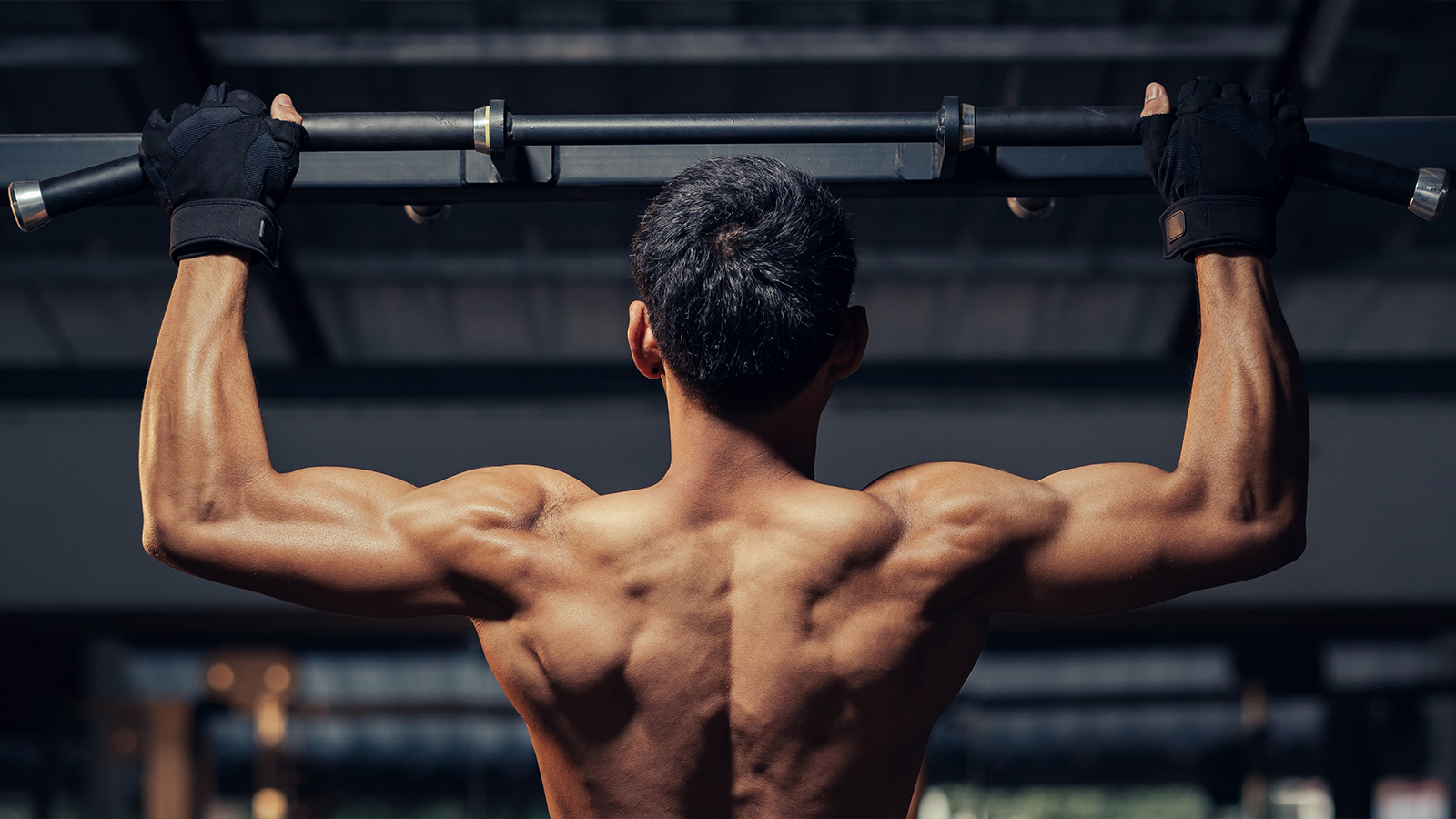
If you’re new to calisthenics or looking for a home workout without weights, this is where you start. These movements are beginner-friendly but don’t mistake that for easy. They’ll challenge your muscles, improve your grip, and build control. You’ll feel your strength growing each week.
We’ve picked five beginner pull up bar exercises that train different parts of your body. You’ll learn how to build up to your first pull-up, improve core stability, and activate the muscles that support everyday movement. Whether you aim for lean muscle, better posture, or want to feel strong in your skin, these exercises deliver. This is your beginner calisthenics workout: innovative, practical training you can do in your bedroom, garage, or wherever that bar hangs.
Related article: 5 Muscle Building Exercises Using Pull Up Bar
1. Dead Hang
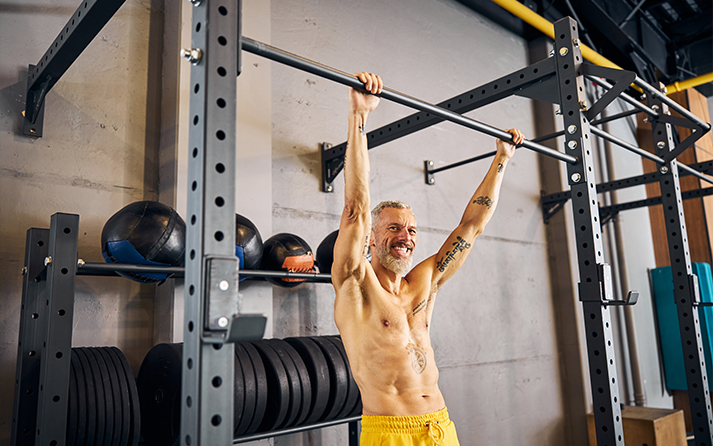
Start simple. Grab the bar with both hands, palms facing away. Let your body hang with your feet off the ground. Keep your arms straight but don’t just dangle; engage your shoulders slightly by pulling them down and back. That’s the active hang. If you just relax completely, that’s a passive hang. Both are useful, but being active is better for building strength and mobility.
Dead hang benefits are enormous. You’ll feel it in your hands, arms, and shoulders. It builds grip strength fast and also opens up tight shoulders and decompresses the spine after long hours of sitting or standing. It is one of the easiest pull up bar exercises, but super effective. Start with 15–20 seconds. Progress to longer hangs, then move into scapula pulls, as that’s one of the most enormous dead hang benefits.
2. Scapular Pull-Ups
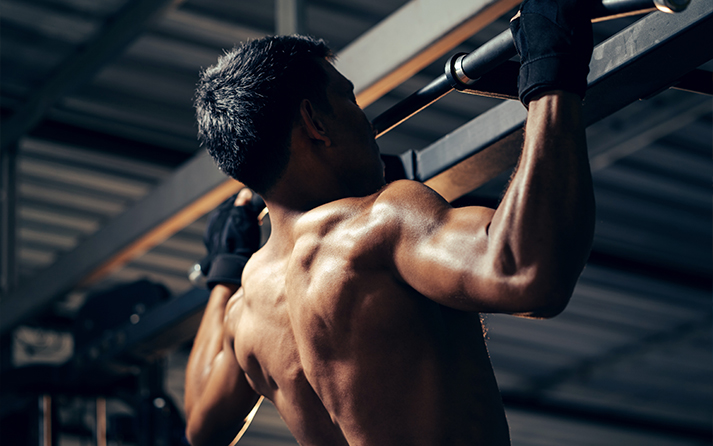
This is where real pull-ups begin. You’re not pulling with your arms yet, just your shoulder blades. Grab the bar with a firm grip, arms straight. Now, pull your shoulder blades down and slightly back, lifting your chest just a bit without bending your elbows. That’s it. Hold for a second, then lower with control. It’s a small move, but it trains your body to move the right way.
Mastering the scapula pull-up technique helps you build serious shoulder stability and control. It teaches your muscles to work as a unit, not in isolation. That’s key in any beginner calisthenics workout. The common mistake? Turning this into a full pull-up too early. Don’t rush it. Get that shoulder engagement right. Once your body learns the scapula pull-up technique, everything else gets easier, from hangs to full pull-ups and beyond.
3. Resistance Band Assisted Pull-Ups
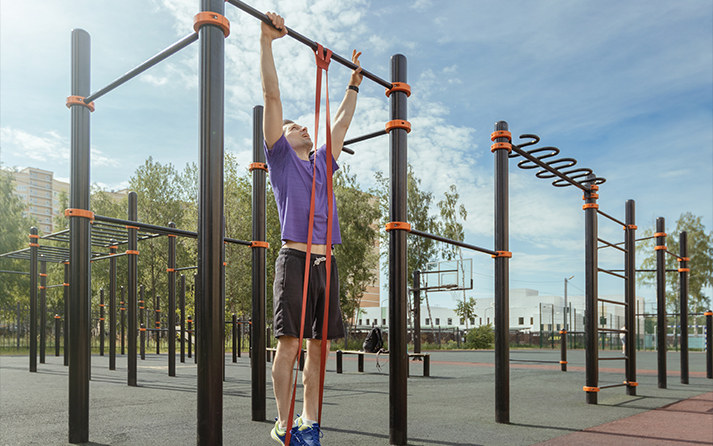
You want to do pull-ups, but your body’s not there yet. No problem. Resistance bands make it possible. They help lift part of your weight so you can focus on form, not just fighting gravity. Loop the band around the bar, then place your foot or knee inside. Grab the bar with both hands, palms facing away for pull-ups, or facing you for chin-ups if you want it a bit easier.
Keep your body tight. Legs straight or slightly bent, core engaged. Now pull. Chin over the bar. Lower slowly. That’s one rep. This is one of the smartest pull-up bar workouts you can do because it teaches you proper movement with less stress.
Want to level up? Try a wider grip to hit your back harder. Then, use thinner bands as you get stronger. Eventually, no band at all. That’s the goal. Resistance band pull-ups bridge the gap between training and doing. They’re perfect right after Dead Hangs and Scapular Pull-Ups. Use them well, and resistance band pull-ups will take you to unassisted reps.
4. Hanging Knee Tucks
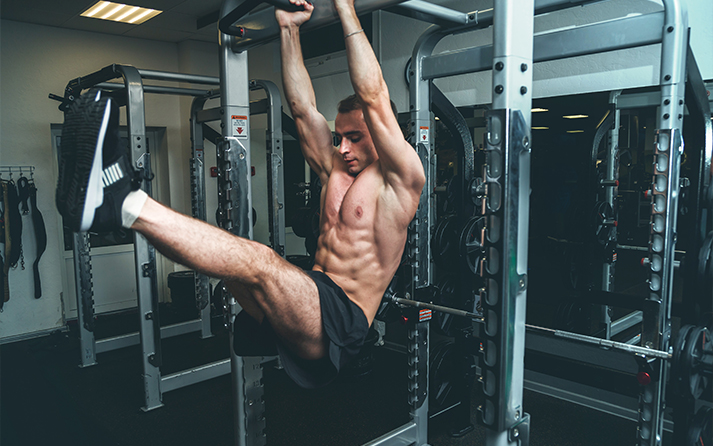
Your core needs more than crunches. This one hits hard. The hanging knee tucks exercise is simple but intense. Hang from the bar with a solid grip, arms straight, and shoulders slightly active, not loose. From there, pull your knees up toward your chest. Move slowly; there should be no swinging. Keep your core tight the entire time. Then, lower your legs back down with control. That’s one rep.
This move is all about body control. It strengthens your abs, hip flexors, and grip at the same time. One of the most effective pull up bar core exercises, especially if you want real results with bodyweight strength training. Can’t get your knees too high yet? That’s okay. Just go as far as you can without losing form.
When it starts to feel easy, level up. Try straight-leg raises or even L-sits. Those demand more strength, more control, more everything. But it starts here. The hanging knee tucks exercise teaches your body to move as one solid unit, strong, balanced, and ready for more.
Related article: Build Up your Strength with the Gym Pull Up Bar
5. L-Sit Hold on the Bar
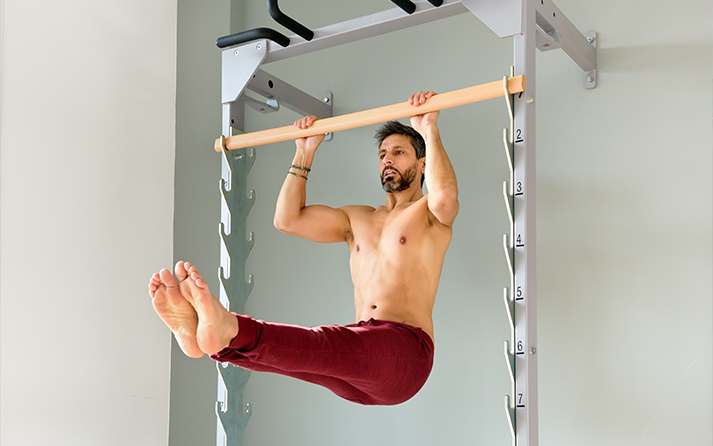
This one looks simple. It’s not. The L-sit on pull-up bar is tough, but it’s worth it. You’ll feel it in your abs, hips, shoulders, and basically everywhere. Hang from the bar, then lift both legs straight out in front of you. Keep them parallel to the floor. Your body should form an “L” shape. Now hold it. Breathe. Shake. Fight to stay still.
It builds isometric strength—no reps, just tension. That means your muscles are working nonstop to keep you in place. It’s one of the best tests of true body control. If both legs up is too much at first, try one leg at a time. Or bend your knees into a tucked hold. The point is to start where you can and level up over time.
The L-sit on pull-up bar takes your full body workout with pull-up bar to the next level. It’s not just core work, it improves grip, shoulder stability, and mental focus too. It is hard but not impossible if you keep at it.
Bonus: Pull-Up Bar Full-Body Routine for Beginners
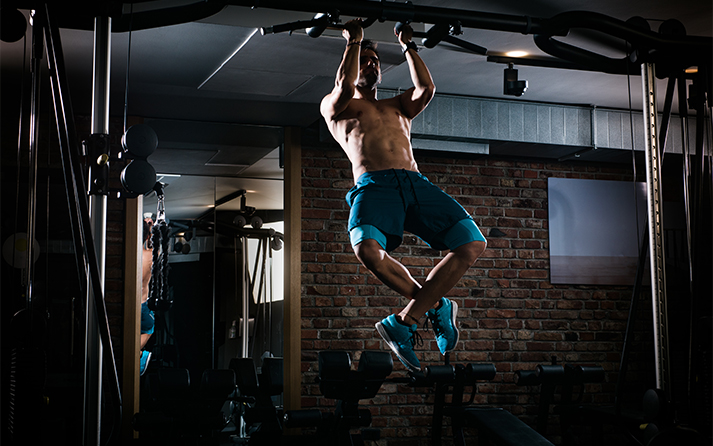
Now, it’s time to put it all together. One simple bar, five powerful moves. This routine targets your whole body using nothing but gravity, focus, and consistency. It’s designed for beginners, but don’t mistake “beginner” for “easy.” You’ll feel it everywhere: your grip, core, shoulders, and back.
Start with a Dead Hang. Let your spine decompress and build grip strength. Then move into Scapula Pulls: 3 sets of 8–10 reps. This locks in that crucial shoulder control. Follow with Resistance Band Pull-Up. Focus on form, not just reps. Next up, Hanging Knee Tucks. It’s a solid move for serious core gains. End with the Pull-Up Bar Full-Body Routine for Beginners Stay tight. Don’t let your legs drop.
Do this full routine 3 times a week. Rest one day between sessions. These pull up bar workouts stack perfectly into a full body workout with pull-up bar, blending strength and control. It’s a beginner calisthenics workout that actually works. Just raw bodyweight strength training that gets results. Add it to your week, and feel the difference.
Related article: Best Weightlifting Gloves for Pull Ups
Common Mistakes to Avoid
Doing pull up bar exercises is powerful, but only when done right. A few bad habits can slow progress or even cause injury. The biggest one? Using momentum to swing yourself up. It might feel easier, but it cheats your muscles and builds bad movement patterns. Control is everything. If you’re swinging, you’re not really getting stronger.
Next up is scapular control, or lack of it. Your shoulder blades should be working with you, not flopping around. Learning how to engage them properly is key to safe and effective bodyweight strength training. It’s the foundation for strong, pain-free pulling movements.
A weak or lazy core is another common issue. Every move on the bar starts from your center. If you’re not bracing your core, you’re losing power and stability. A sloppy form follows. The result? Less progress, more frustration.
Grip width matters, too. Too wide or too narrow, and your shoulders take the hit. Find a neutral, shoulder-width grip for most pull-up bar core exercises. It keeps your joints happy and your form tight.
Mastering these basics makes your home workout without weights way more effective. Don’t just hang there. Own every movement. That’s how real strength is built.
Gear Tips: What You Need to Get Started
You don’t need a gym. You just need the right setup. Start with a solid pull-up bar, either a door frame model or a mounted version if you want extra stability. That’s your base for all pull up bar workouts. Add a set of resistance bands. They’ll help you nail form, especially during assisted pull-ups. They also make it easier to control your movement and build strength safely.
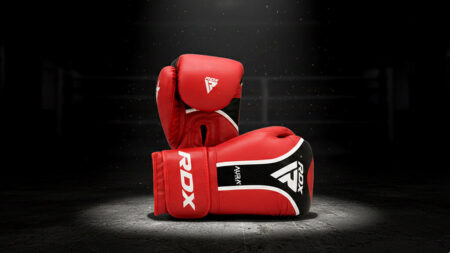
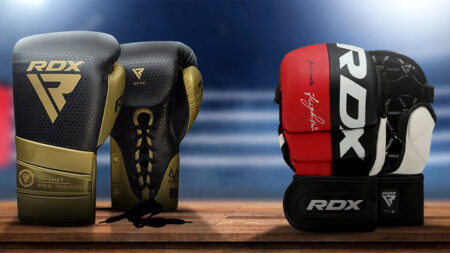
Grip matters too. Sweaty hands? Slippery bar? That’s where chalk or gloves come in. We recommend RDX training gloves as they give solid grip, reduce strain, and help you stay focused on the work, not your slipping hands. This is how you level up your home workout without weights. Smart gear with strong results.
Related article: How To Install Pull Up Bar In 5 Easy Steps
Conclusion
Pull up bar exercises are simple, powerful, and they work. You don’t need a fancy gym or a stack of equipment. Just your body, a bar, and the right mindset. These five beginner-friendly movements are more than enough to build full-body strength. They teach control, build real muscle, and lay the groundwork for more advanced skills.
Start where you are. Dead hangs. Scapula pulls. Assisted reps. It’s all part of a solid beginner calisthenics workout. Train consistently, stay focused, and progress will come.
Looking to upgrade your home workout without weights? Check out RDX gear. Their pull-up bars are sturdy, the resistance bands are tough, and the gloves give you next-level grip. No gimmicks. Just solid tools to help you train smarter. Ready to get stronger? The bar is waiting.