




That’s the rule. No protein, no gains.
But here’s the fight that never ends — does timing matter?
Sometimes you need protein intake for muscle growth right after your workout. Like, the second you drop the weights.
Others say it’s all about the total amount you eat daily. Timing? Who cares.
So, who’s right?
If you’ve ever stood in the locker room shaking up a post-workout drink, wondering if you’re too late — this one’s for you.
We’re cutting through the noise. No bro-science. These are just facts backed by research. Because innovative lifters don’t guess, they know.
Let’s determine whether protein timing matters or whether you can relax and hit your daily grams.
Understanding Protein’s Role in Muscle Growth
Every time you train, you break your muscles down—tiny tears, microdamage—it’s all part of getting stronger.
Protein timing for strength training comes in to fix that damage. It’s like the bricks and cement your muscles need to rebuild. But they don’t just rebuild — they rebuild bigger. That’s muscle growth, aka hypertrophy.
This whole process is called muscle protein synthesis (MPS). It’s how your body turns your protein into fresh muscle fibres. Train hard, trigger MPS, eat enough protein — boom, you grow.
However, not all proteins are the same. What matters most? Amino acids. They’re the building blocks of protein, and one amino stands out: leucine.
Leucine flips the muscle growth switch. It’s the signal your body needs to kick off MPS.
This is why high-quality protein (think chicken, eggs, whey) beats lower-quality stuff. More leucine, more gains.
Bottom line — protein isn’t optional if you care about recovery, strength, and size. It’s the foundation.
Want to grow? Feed those muscles, right?
Best Time to Consume Protein: Does Timing Matter?

You’ve probably heard about the anabolic window—that magical 30 minutes after your workout when your Protein consumption strategy is supposed to work like a muscle-building superpower.
Miss it? Gains gone.
That’s what the old-school gym legends said. But science? Science says relax.
Turns out, the window isn’t that tiny. Research shows that your muscles stay primed for protein way longer — several hours after training. So no, you don’t have to sprint to your shaker the second you rack your last rep.
Here’s the real deal: total daily protein matters more than perfect timing. If you’re eating enough protein every day, your muscles are covered.
But timing isn’t useless either. Are you serious lifters, pros, or athletes training twice a day? Meal timing for muscle building can help you recover faster and stay ready for the next session. For them, protein around workouts (before and after) is brilliant.
For the rest of us? Focus on spreading protein out evenly.
Why? Because your body can only use so much protein at once for muscle-building. Slamming 80 grams in one meal? Waste. Your body needs regular signals to trigger muscle protein synthesis. That’s why eating protein every few hours works better for growth.
Think of it like watering a plant. A little bit often beats flooding it once a day.
So, should you chug a shake after your workout? If it fits your day — sure. But if you hit your daily protein target and spread it out, you’re golden.
Forget the hype. Focus on the big picture — protein total first, timing second.
Pre-Workout vs. Post-Workout Protein: What’s More Effective?
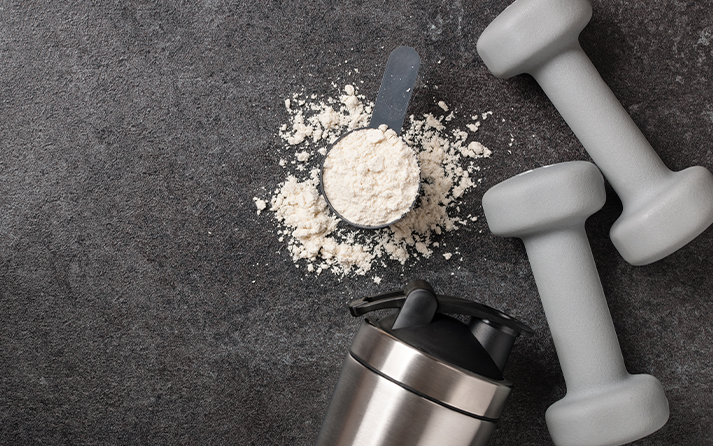
Pre-workout protein — worth it?
Short answer: yes.
Eating protein before training gives your body a head start. When you hit your first set, amino acids are already floating around in your bloodstream. That means your muscles get what they need during your workout — not just after.
Why does that matter? Because training breaks down muscle fibres. When amino acids exist, your body can limit muscle damage and slow muscle recovery and protein breakdown. Less damage = faster recovery.
There’s more. Pre-workout protein might also boost performance. Your muscles have quick access to fuel, so you could see better endurance, maybe even push for that extra set.
But what about post-workout protein?
This one’s gym law. Lift heavy, drink a shake — everyone knows the drill. Strength training creates microtears in muscle fibers, and protein helps rebuild them bigger and stronger.
But here’s the twist — you don’t need to slam protein the second you drop the weights. That old-school “30-minute anabolic window” is more like a wide-open door. Studies show your muscles stay primed for protein for a few hours after training.
So, what’s best?
Post-workout protein is necessary if you train fast (like morning workouts before breakfast). Your body needs fuel now.
If you eat protein before training, your muscles are already covered — so post-workout timing isn’t as urgent.
The ultimate combo is pre- and post-protein. One fuels your session, and the other kickstarts recovery. Together, they cover all bases.
In the end, timing helps — but total daily protein still runs the show.
Nail your protein goal first. Then fine-tune the timing for extra edge.
Related Article – Unlocking High-Protein Diet: Benefits, Risks, and How to Succeed
Daily Protein Requirements for Muscle Growth
So how much protein do you actually need to grow?
Forget one-size-fits-all advice. The answer depends on your body, your training, and your goals.
Most research says that if you train to build muscle, aim for 1.6 to 2.2 grams of protein per kg of body weight, or about 0.7 to 1 gram per pound.
We’re talking serious lifters here. If you train hard, lift heavy, and want real growth, lean toward the higher end. Light workouts or more casual training? You might need less.
Example time:
- 180-pound lifter aiming to bulk: 180g protein per day.
- 140-pound lifter staying lean but gaining strength: 120-140g protein daily.
Now, how you spread that protein out matters, too. Slamming it all in one meal is not smart. Your muscles can only use so much protein at once for muscle building. The rest is just extra calories.
The best move is to split your protein across 4-5 meals, maybe 25-40g per meal, depending on your size and goals. This keeps muscle protein synthesis (MPS) firing all day long.
Think breakfast, lunch, dinner, plus a shake or snack. Easy.
And don’t forget pre-bed protein — something slow-digesting like casein. It keeps your muscles fed overnight when recovery is in full swing.
The bottom line — protein isn’t just about hitting numbers. It’s about consistency and timing too. Spread it out, stay steady, and your muscles will thank you.
Best Protein Sources for Muscle Growth
Protein is everywhere. But not all protein is muscle-building gold.
First up — whole foods. These should be your base. They come with extra goodies like vitamins, minerals, and healthy fats. Think:
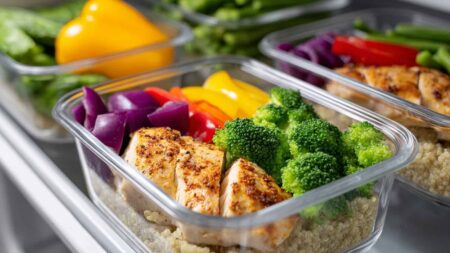
- Chicken, turkey, lean beef – packed with protein, low on junk.
- Eggs – are cheap and easy, and the yolk is loaded with nutrients.
- Fish – protein plus healthy fats for recovery.
- Greek yogurt, cottage cheese – high-protein dairy that’s easy to eat.
- Beans, lentils, tofu – great plant-based options if meat’s not your thing.
Supplements
Now, supplements. Do you need them? Not always. But they’re crazy convenient. Perfect for after workouts or when you just can’t hit your target with food alone.
Top picks:
- Whey protein – fast-digesting, ideal post-workout. Hits your muscles quickly.
- Casein protein is slow-digesting and perfect before bed to keep muscles fed overnight.
- Plant protein is a solid choice for vegans; just make sure it’s a complete protein blend (like pea + rice).
Timing
- Fast protein = right after training.
- Slow protein = at night or between meals.
Mixing both types? Even better. You stay covered all day and night.
The bottom line — you don’t need fancy powders or magic foods. Just hit your daily protein goal using a mix of whole foods and supplements. That’s the actual formula for muscle growth.
Practical Tips for Optimizing Protein Absorption
Eating protein is step one. But making sure your body actually uses it? That’s where smart habits come in.
- First tip: Pair your protein with carbs and healthy fats. Carbs spike insulin (which helps shuttle nutrients into muscles), and fats slow digestion enough to keep the protein drip steady. Win-win.
- Next — spread your protein across the day. Don’t dump 100 grams in one meal and expect magic. Your body can only handle so much at once. Aim for 25-40 grams per meal, and ensure you hit pre and post-workout windows. Bonus points for a slow-digesting protein before bed to fuel overnight recovery.
- Don’t sleep on your gut health, either. A healthy gut breaks down and absorbs protein better. So eat fibre (veggies, fruits, whole grains), and consider a probiotic if your digestion is trash.
- Hydration matters too. Your body needs water to break down and shuttle nutrients. Dehydrated muscles are hungry muscles — and not in a good way.
Put all this together—balanced meals, brilliant timing, a happy gut, and plenty of water—and your protein game will go from decent to dialed-in.
Related Article – 7-Day Meal Plan for Muscle Gain: Fuel Up for Your Fitness Goals