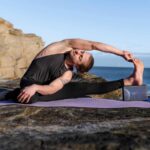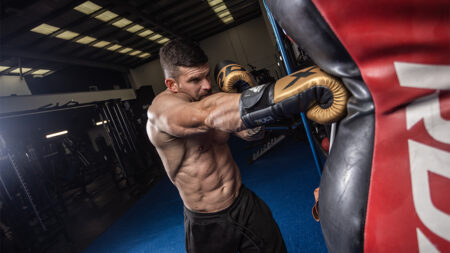





It’s all about a bit of upfront money. With a little bit of investment, a bit of passion for athlete training, you can totally turn an empty space into an awesome fitness corner where you will sculpt your body into the form you want without paying any subscription fees.
But it doesn’t only take money and machines; you’ll need some efficient workouts, too, right? No worries, we’ll give you everything you need to train like a pro at home. Just keep reading:
How to Train Like a Professional Athlete at Home?
Before you even start your athlete training, you need to get your goals straight. What’s your endgame here? Do you want to get stronger, boost your endurance, or work on your agility? Pick a goal that fires you up and gives you a clear direction, and set up your space with fitness material. It is as simple as getting your own yoga mats.
Now, here’s the thing about training like a pro: it’s all about showing up. You don’t need perfect conditions or fancy gear. What you need is a schedule you stick to, with no excuses. Even if it’s just a quick 20-minute session, consistency will always beat motivation.
And don’t just keep doing it. Do track your progress because when you see your progress, you feel more motivated every day. Get a fitness app, a journal, or even your phone’s notes app.
There are many options. Keep in touch with your progress; whenever you achieve a goal, you should celebrate it. Give yourself a tiny treat or a piece of fitness gear. Whatever makes you happy.
Build a Dedicated Training Space
Once your mind is set on the goals, and you are ready to get into the home fitness mindset every day, the next thing to get done is to set up a training space of your own. Now, don’t worry; it does need you to break the bank:
Home Gym Essentials
If you are giving yourself mini heart attacks thinking about how to sculpt your body like pros and all the hefty machines and their prices, you may stop that right away. You need only basic equipment for even the most advanced athletic training. Think about getting some resistance bands instead of bringing bulk weights home which are a storage hassle in addition to being too heavy on the pocket.
Resistance bands are so compact and yet so effective, you’ll fall in love with them. The 100% latex material resistance bands offer resistance just as effectively as any other type of traditional weights. They may even be better than heavy weights in the gym which are a hazard for joints and people with mobility issues. They strengthen muscles and bones but they put no pressure on joints, which means your athlete training is totally out of harm’s way!
You can get jump ropes too if you are more of a HIIT person. Jump ropes are also space-efficient, and they don’t take up much space either. So it’s a win win.
Maximize Small Spaces
You don’t have to live in a mansion to have a specified fitness space in your home. It is all about a yoga mat or a compact corner for training. Just order a yoga mat for yourself. With one mat, your at-home fitness journey starts right away. With a yoga mat and basic fitness materials like resistance bands and jump ropes, you are ready to challenge yourself seriously.
Upgrade Over Time
Start small, and you can always bring in more complicated tools later. First, let your body and mind get into the fitness game. Don’t just dive head first. See how you are progressing before pouring your savings into your home gym. Take it slow and gradually bring in pull-up bars for a full body workout, maybe. Once your body is used to resistance bands, you can also get adjustable weights which are compact and offer great resistance too.
Related Article: Essential Guide to Setting Up a Home Gym for Beginners: Budget-Friendly, Space-Saving Solutions
Prioritize Dynamic Warm-Ups
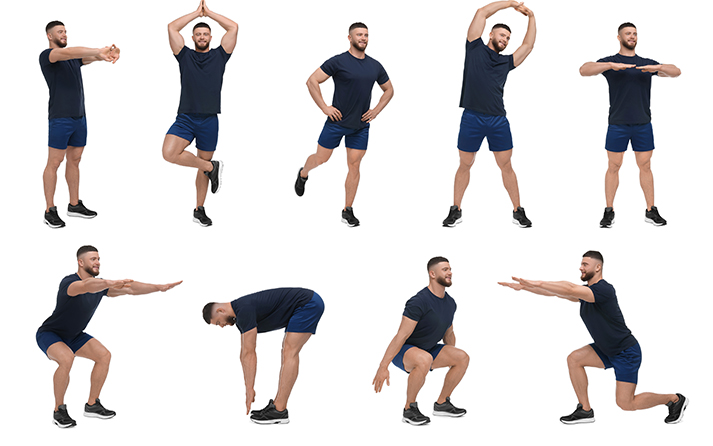
Before you dive into your athlete training, don’t forget the warm-up. Seriously, it’s more important than you think. Warming up gets your muscles ready, increases your range of motion, and keeps you from pulling something mid-workout. Nobody likes a workout cut short because of an avoidable injury.
Start simple. Try high knees or butt kicks to get your blood moving. Add in some arm circles and hip openers to wake up your joints. These moves aren’t flashy, but they get the job done.
And here’s the cool part—if your workout has a specific focus, you can tailor your warm-up to match. For example, if you’re training for boxing, spend a couple of minutes stretching and rolling your wrists. Got a leg day planned? Focus on loosening up those hips and hamstrings.
Don’t skip this step. A few minutes of warming up can make a world of difference in how your workout feels and how well your body performs. Treat it as part of your routine—it’s a small habit that can save you from a lot of trouble later on.
Related Article: Workout at Home. Warm Ups, Jump Ropes, Pull Up Bars, and Dip Bars.
Core Training for Stability
Your core is the powerhouse of your body. It’s not just about looking good; a strong core helps with balance, posture, and overall performance in every workout. Let’s break it down into moves that actually work.
Planks (Front and Side)
Planks are a classic for a reason. Get into a forearm plank position, keeping your body straight from head to heels. Hold it as long as you can while keeping good form—start with 20–30 seconds and work your way up. For side planks, roll onto one forearm, stack your feet, and hold. These target your obliques while keeping your core tight.
Bicycle Crunches
Lie on your back with your hands behind your head. Lift your legs off the floor and start “pedaling” like you’re riding an imaginary bike. Twist your torso so your elbow meets the opposite knee. This move is no joke—it works your entire core and gets you sweating in no time.
Mountain Climbers
Get into a high plank position, hands directly under your shoulders. Now, drive one knee towards your chest, then switch legs quickly as if you’re running in place. Go at your own pace, but push yourself—this exercise fires up your core and gives you a cardio boost, too.
Add a Swiss Ball for Extra Burn
Want to step it up? Use a Swiss ball. Try planking with your forearms on the ball or rolling the ball forward and back to test your core stability. It’s tough, but it’ll help you build strength fast.
Strength Training Without Machines
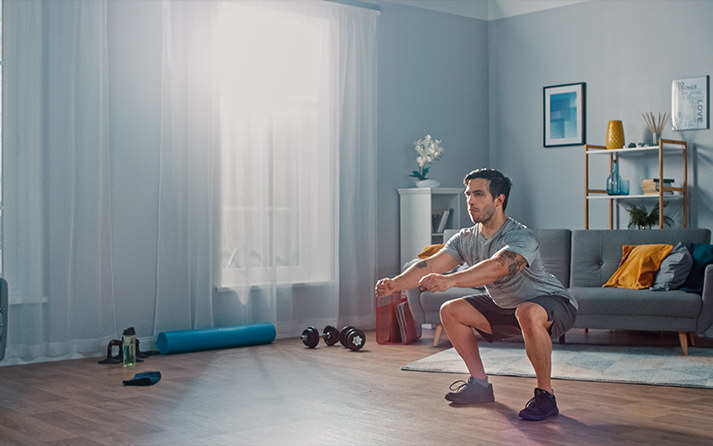
We all love strength training, but our minds are mostly fixed on machines that we see in gyms. But the truth is that it doesn’t have to be that way. While machines do great, we don’t necessarily have to bring those giants home. Let’s see how to efficiently challenge our muscles, and build them, all without using any machine.
Bodyweight Exercises:
Yes! Just do those good old bodyweight exercises. They are as good as those hefty machines in the gyms. Use your own weights to challenge your muscles and get a good functional strength punch.
Go for Push-ups, squats, lunges, and tricep dips. Your own body is the biggest muscle-building machine. No money spent, no extra space needed. This is just how you can train like a pro at home.
Resistance Bands:
As we said above, resistance bands are a perfect alternative to traditional weights. In fact, they are even better than many of our traditional options because they do not strain the joints. This is why they come with much less injury chances.
High-Rep Circuits
Another way of building strength and endurance is to go for exercises in high repetitions. High reps increase your muscle endurance and improve your stamina.
Cardio Workouts for Endurance
Building endurance doesn’t mean you need a gym or a ton of space. You only need the right moves. If you are choosing the right kind of exercise mix, you’ll be ripping in no time:
Here’s the cardio side of your at-home workouts:
Jump Rope for Speed and Agility
Get your heart rate up with jump ropes and definitely build serious muscles alongside the tension and resistance of the ropes. You can start with basic two-foot jumps and work your way up to speed jumps or crisscross moves. No need to do it for several minutes or anything; just 2 minutes per round is all your body needs. Of course, rest in between the sets.
Burpees for a Full-Body Burn
Hate them? That’s because they work. Start standing and then drop into a squat. Kick your legs back into a plank, hop back into a squat, and jump up. The best way of doing this is to go slow. The slower, the more resistance your body gets and the more strength you build alongside getting your heart rate up. It’s an all rounder. It builds muscle endurance as well.
Shadowboxing for Coordination and Calorie Burn
No gloves, no bag, no problem. Stand in front of a mirror, pick your stance, and throw combos—jab, cross, hook, repeat. Add some footwork to keep things dynamic. It’s fun, builds coordination, and torches calories fast. Plus, you’ll feel like a champ.
HIIT at Home
Try a simple routine: 30 seconds of sprinting in place, followed by 15 seconds of rest. Repeat for 4–5 rounds. Or mix in burpees, jump squats, and high knees. Push hard during work periods, then catch your breath. It’s intense but effective and takes less than 20 minutes.
Recovery and Flexibility Training
The biggest mistake people make while athlete training at home is to put recovery on the back burner. Don’t do it. Exercises rip your muscles. Recovery adds to your muscle mass by filling in the rips. So, pay attention to your recovery:
- Rest twice a week. Don’t work out on your rest days. This gives your muscles time to heal. Don’t just go about damaging the existing ones. Let them breathe and grow. Also, follow a healthy sleep routine.
- Do some stretching after each workout session. Dynamic stretches or yoga, whatever you like. The important thing is that your body gets to relax after an intense workout.
- Get a foam roller and use it to release body tension that builds up after a workout. It also improves your blood flow, which speeds up the recovery process and reduces pain and soreness post-workout.
Nutrition and Hydration for Athletes at Home
When it comes to athlete training like a pro, what you eat and drink is just as important as the workout itself. Let’s break it down so you know exactly how to fuel your body right:
Protein: Build and Repair
Protein builds muscles, and that is why we are always going to ask you to get a good protein hit throughout the day. Even keep some high-protein snack ready with you like nuts or a shake that you can get ready in minutes. Think simple—scrambled eggs for breakfast, grilled chicken in your lunch, or a tofu stir-fry for dinner.
Complex Carbs: Lasting Energy
If you are working out, you can’t just cut carbs altogether. They are fresh and ready energy your muscles use during a workout. But refined carbs are a big no. No sugary snacks and premium focus on slow-burning carbs like oatmeal, quinoa, or sweet potatoes.
These slow-digesting carbs keep your energy steady so you don’t crash halfway through your workout.Stay Hydrated: Before, During, and After
Keep drinking water so your energy is never low. With more exhaustive workouts, you might need an electrolyte drink, too. Just keep that bottle nearby, always.
Post-Workout Meals: Recover Smarter
After your session, your body is hungry for nutrients. Go for a mix of protein and carbs—like grilled chicken with brown rice or a peanut butter banana smoothie. This combo helps your muscles recover while restoring your energy levels.
Tips to Stay Motivated

You may think you know everything about athlete training at home, but there are still some tips that’ll come in very handy.
- Set Short-Term Milestones: Set small goals so that you get to enjoy the feeling of achievement at every step. When you do achieve something, celebrate it like a big win. This will keep you motivated when it all gets boring and mundane, and it always does. So yeah, small goals, big wins.
- Rotate Workouts: That’s common sense. Keep rotating your exercises because doing the same thing day in and day out will bore just anyone. So keep surprising your muscles as well as yourself.
- Online Resources: If you want inspiration or something fun to add, go for online athletes. This will add plenty of motivation, inspiration, and fun to your at-home athletic routines.
Conclusion
If you have always thought about how to train like a professional athlete at home because you may be too busy or short on money, this blog is for you. It will give you precious information about setting up your home gym, doing exercises with minimal equipment, getting into the right mindset, recovering from athlete training exhaustion, and a healthy diet routine for optimal athletic performance. So read it, and get ready to be the athlete of your dreams without breaking the bank.