



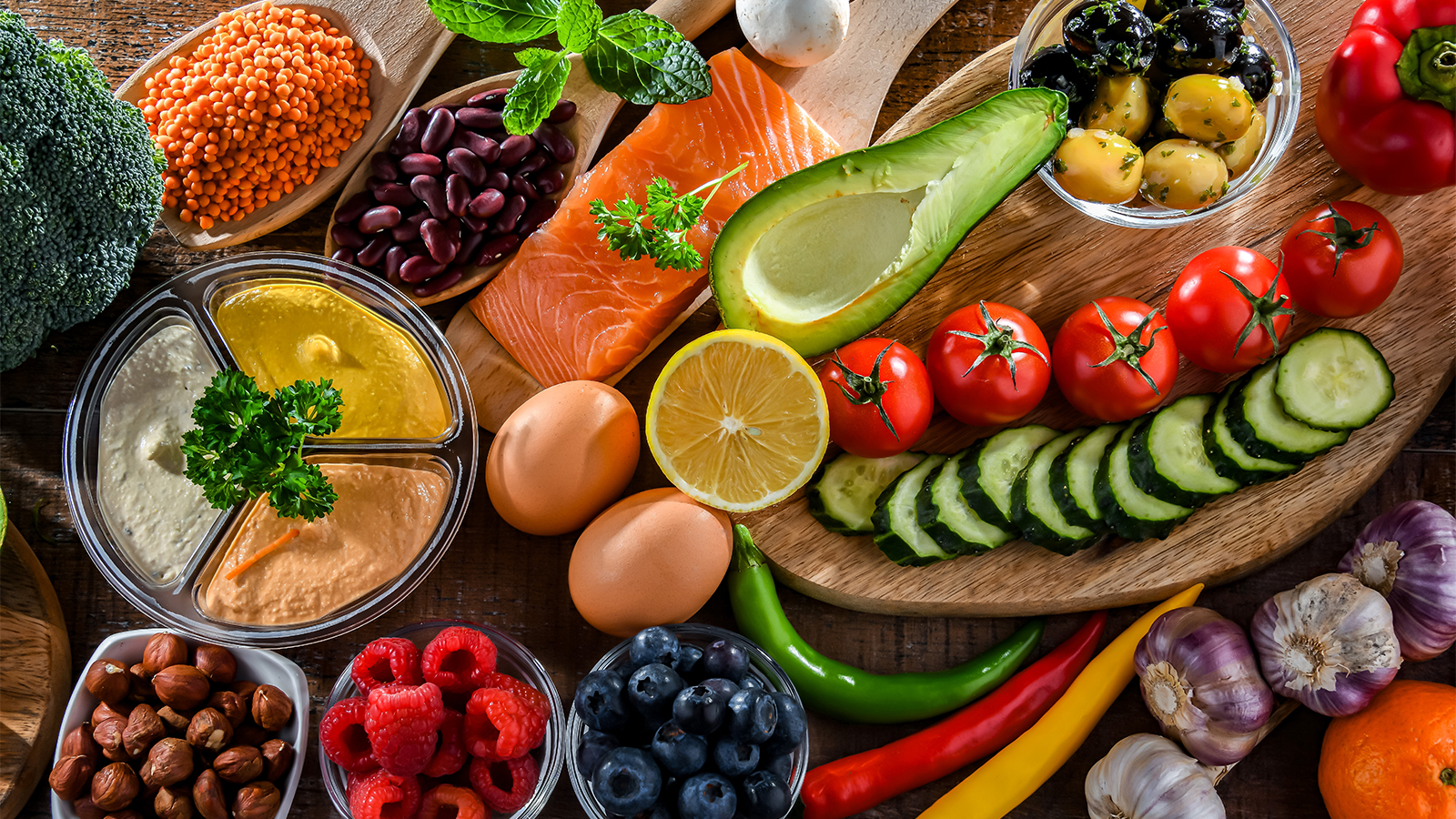
We strategize our moves months before a fight, but never our food. Strategic fueling is the foundation on which you can lay your strength, endurance, and mental sharpness. Wrong food choices or neglecting nutrition altogether will keep taking you steps back even if you are doing everything else right.
But no need to stress. This guide will solve your problems by presenting you with a framework for managing your nutrition pre-fight.
Understanding Pre-Fight Nutrition
“Food is food; I eat clean food every day.” If that is your mindset, it needs to change. Pre-fight nutrition is not like your everyday training diet. It is not just about strength and endurance but about maximizing short-term energy and prioritizing hydration. The goals are different, so the preparation will also be different.
The Role of Macronutrients
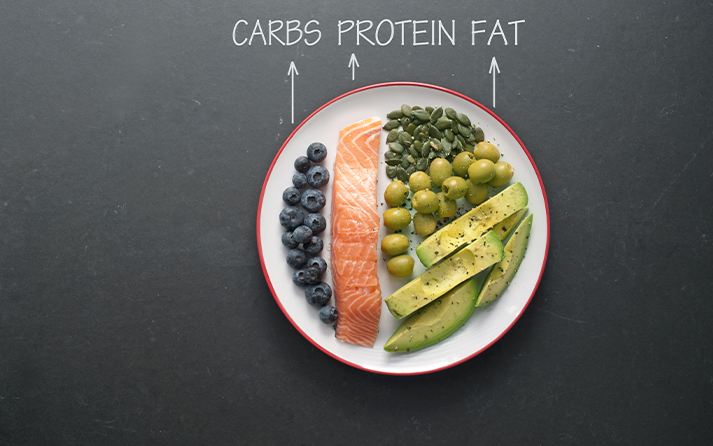
Nutrition is not about randomly throwing the words of protein and carbs around. You must be mindfully aware of what you are putting on your plate and how you are proportioning it. But let’s just start with the basics first: the famous trio.
- Carbs are the fuel your body needs to keep its engine running. These are found in our body as glycogen in the muscles, giving you the fire you need to land the explosive combos. However, you need to be careful with the amount you intake; too many simple carbs can lead to a crash, whereas too few can be draining. So, to keep the energy steady, throw in a mix of complex and simple carbs.
- You beat up your muscles during training, and protein repairs and reinforces them. However, you must not go overboard with the intake. Keep the steak feasts away and keep your meals lean and light. Too much protein can slow down the digestion, making you feel sluggish. And that is the last thing you want before a fight.
- Fats are your endurance reserves, but you should be careful of them as the last-minute intake. Take healthy fats in the days leading up to the fight but keep them light on the fight day. Greasy foods have the potential to give you a tougher time than your opponent.
Hydration & Electrolyte Balance
Think of dehydration as your worst enemy. If you want your muscles to function properly, your cognition to work sharply, and you don’t want any cramps, then drink proper water. Balance it with electrolytes to maintain fluid balance and nerve function. And do not heed the suggestions of excessive water cutting. This will only drain energy and slow your performance.
Related Article: The Ultimate Nutrition Guide for Boxers: Fueling Performance and Recovery
Ideal Pre-Fight Nutrition Plan
The fight might be won on the fight night, but the preparation for it begins weeks in advance. Just like you keep adjusting your techniques until they reach perfection, your nutrition needs it, too. Here is how you can structure your meals:
1 Week Before the Fight
- If you are cutting weight, reduce your caloric intake slowly and maintain protein consumption to preserve muscle mass.
- Take whole, nutrient-dense foods (lean protein, complex carbs, healthy fats)
- Drink plenty of water and monitor electrolyte balance.
- Minimize the intake of processed foods and salt to prevent water retention.
2–3 Days Before the Fight
- Consume more complex carbs to stock up on glycogen.
- Cut off high-fiber foods like beans or cruciferous vegetables to prevent bloating and digestive discomfort.
- Protein intake should be moderate and fats light for efficient digestion.
- Stay adequately hydrated.
24 Hours Before the Fight
- Opt for high-carb meals like white rice, lean protein, and fruit for quick energy.
- Avoid greasy and spicy foods – you don’t want a gut bomb.
- Keep sipping water with electrolytes but don’t overdo it.
Fight Day
- 3–4 hours before: Meal with lean protein, digestible carbs, and minimal fat
- 1–2 hours before: A snack like a banana or oatmeal
- 30–60 minutes before: Fast-absorbing carbs
Best Foods to Eat Before a Fight
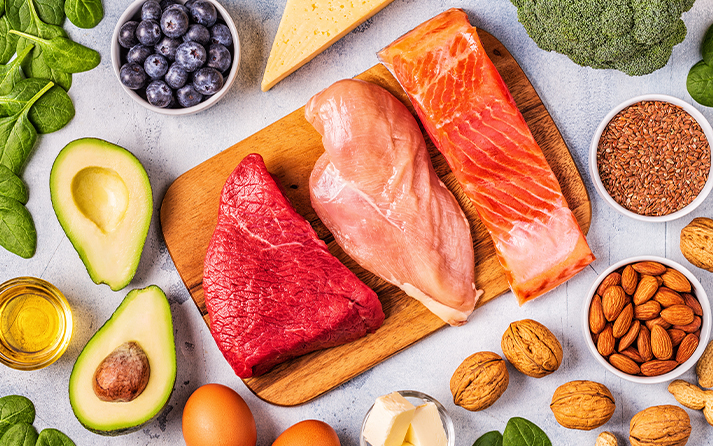
The food you eat will determine how fast and long you can go on the right. Let’s take a look at some of the best foods before a boxing match:
Carbohydrates
We know carbs are inconsequential to keep you strong and explosive. All you need to be diligent about is to sustain a balance of slow-digestible carbs and simple carbs for a quick rush.
Best Foods:
- Whole grains (brown rice, quinoa, oats)
- Fruits (bananas, berries, oranges)
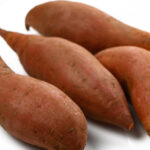
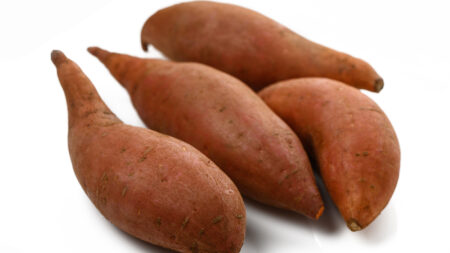
- Sweet potatoes
- Whole wheat pasta
Proteins
Lean and moderate is the aim here. You want an intake that keeps your muscles protected without weighing you down.
Best Foods:
- Chicken, turkey, lean beef
- Eggs and Greek yogurt
- Plant-based options like tofu, chickpeas, and lentils
Healthy Fats
Fats might digest slower than carbs, but they are essential to keeping your energy levels steady through multiple rounds. Make sure your plate doesn’t have greasy food on it, and you’ll be good to go.
Best Foods:
- Nuts (almonds, walnuts)
- Seeds (chia, flax, sunflower)
- Avocados, olive oil
Hydration
The mildest dehydration can have a negative effect on your reaction time and strength. Hence, your foods can not miss out on constant hydration. But water is not the only source:
- Water
- Coconut water
- Electrolyte drinks
- Avoid sugary sodas and excessive caffeine
Related Article: Nutrition Guide to Refuel and Reclaim After Tough Fights
Protein Intake Before a Fight
By this time, we are all well aware of the importance of protein, but for it to actually make a difference, you need to know how much to eat and at what time.
How Much Protein Do You Need?
The daily protein intake should amount to 1.4–2.0 g per kg of body weight. The protein intake before a fight should be a moderate amount of 20–30g in your pre-fight meals. This will keep the digestion light and muscles protected.
Best Protein Sources Before a Fight
- Eggs
- Chicken
- Turkey
- Greek yogurt
- Tofu
- Lentils
- Chickpeas
Avoid excessive protein or heavy meals too close to a flight, as it can make you sluggish.
Energy-Boosting Foods for Fighters
The right energy-boosting foods will prevent you from feeling lazy, while the wrong ones will lead to a sugar rush, leaving you gassed. Here is how to rightly fuel your body:
Top Pre-Fight Snacks for Sustained Energy
We need a snack that doesn’t lead to a quick spike followed by a crash. Snacks that release energy steadily are the kind that works best to keep you in the best form. Here are some of the best energy-boosting foods for fighters:
- Banana with almond butter: quick carbs + good fats
- Oatmeal with honey and berries: slow-burning carb
- Greek yogurt with granola: protein-packed meal
- Rice cakes with peanut butter: light and energizing
- Smoothie with banana, protein, and oats: best pre-fight snack
Quick and Effective Meal Ideas
A good meal before a fight is one that is quick and effective. Here are good choices:
- Grilled chicken with white rice and steamed veggies
- Scrambled eggs with toast and avocado
- Salmon with quinoa and a drizzle of olive oil
While these meals should be on your list, you need to steer clear of sugary snacks, sodas, and energy drinks. Heavy foods should also be on the no-go list.
Common Mistakes in Pre-Fight Nutrition
Knowing what NOT to do before a fight can keep you from committing mistakes that throw you off your game:
Overeating or undereating:
You should avoid having a massive meal before a fight, and you should not skip meals or eat too little.
Solution: Eat a moderate meal 3–4 hours before a fight and a light snack closer to fight time.Foods that cause bloating:
Foods that are harder to digest can make you carry extra weight. Avoid greasy, fried foods, high-fiber foods, heavy meats
Solution: Stick to lean proteins and easy-to-digest carbsHydration mistakes:
Too little water can cause dehydration, too much water can cause bloating
Solution: Sip water consistently with electrolytesTrying new foods on fight day:
Fight day nutrition should not be about experimenting with new foods.
Solution: Test your pre-fight meals during training to ensure what works best.
Conclusion
Pre-fight nutrition holds the power to completely change the dynamics of the game for you. It is important to opt for the right balance of carbs, protein, and fats to keep your energy and endurance on peak. While meals are essential, you must ensure you are drinking enough water to stay hydrated. Test your meals and stick to what works for you and you will write success for yourself!