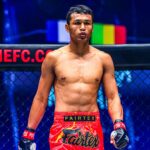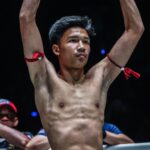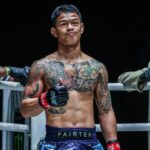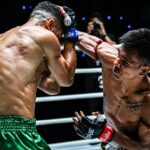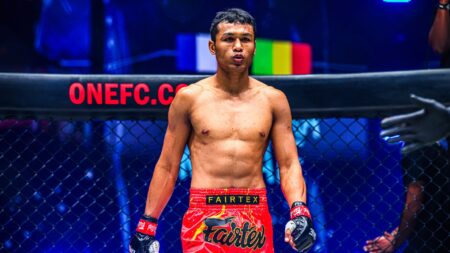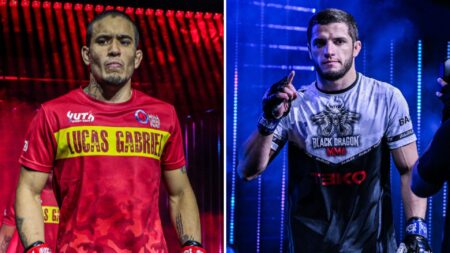




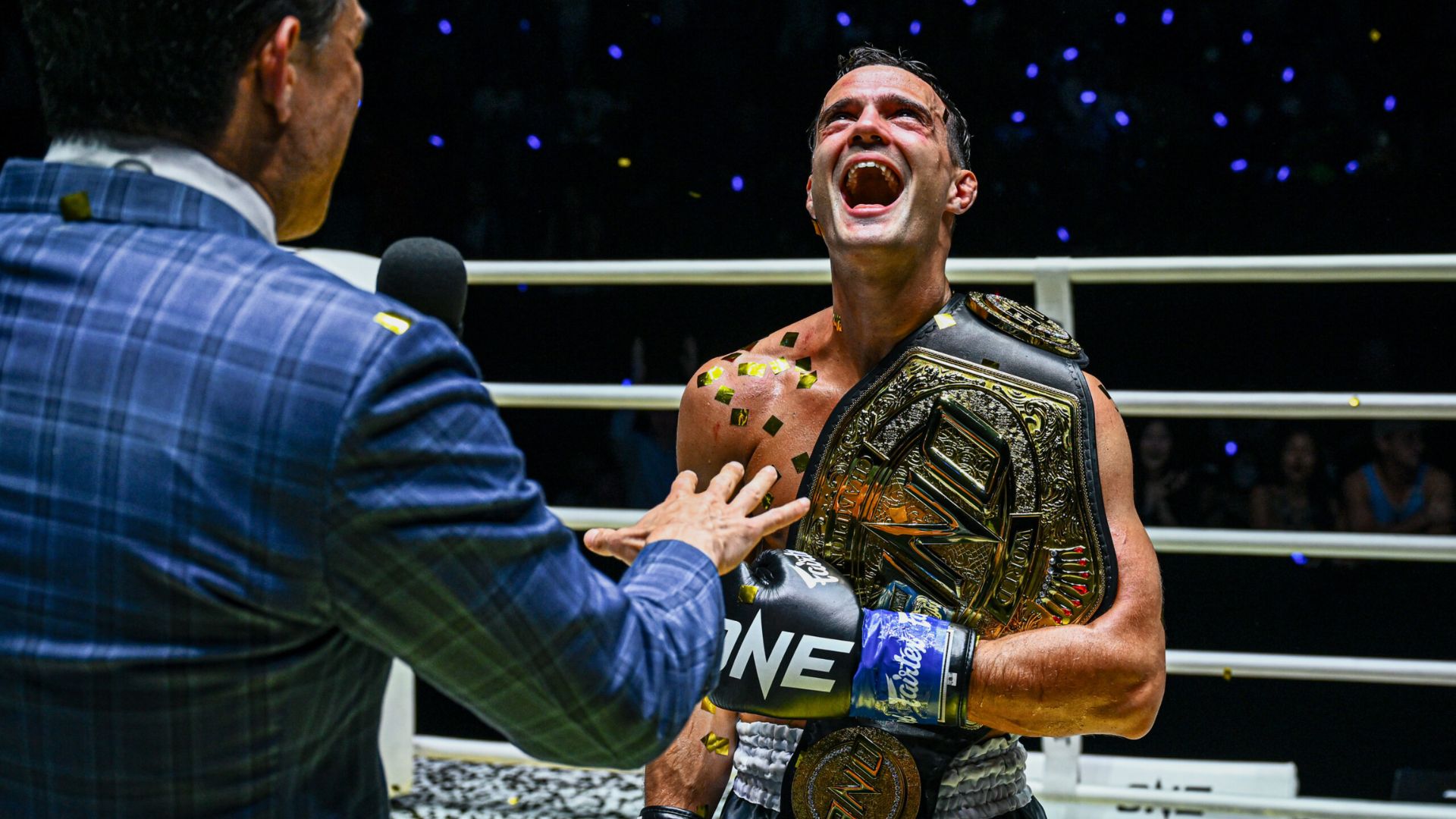
Sixteen months after losing the only fight of his career to Prajanchai, Di Bella reclaimed his championship status through five rounds of technical precision. His unanimous decision victory wasn’t fueled by revenge or anger — it came from systematic improvement and tactical adjustments that solved the puzzle Prajanchai presented in their first meeting.
The Italian-Canadian’s approach reflected complete evolution. His body punches hurt Prajanchai early, shifting the Thai champion’s defensive posture and creating openings for the cleaner striking that defined Di Bella’s performance.
“Just like always, I listened to my team, did my job. I believe I hurt him right away. They told me to go to the body with punches, and I hurt him right away. That’s when I saw his face change, and I just kept going,” Di Bella said.
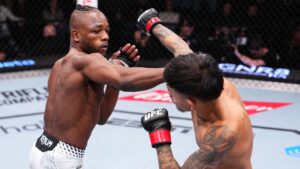
The tactical differences revealed an athlete who studied his defeat thoroughly. Where the first fight saw him struggle with Prajanchai’s rhythm and positioning, the rematch showed improved timing and strike selection. His cleaner shots landed consistently, including a hook that visibly hurt the Thai legend mid-fight.
“[I was] landing more clean shots. I had to land a lot more clean shots. I hurt him, and I believe I did. I don’t know which round it was, but I caught him with a punch, a hook, and he stumbled,” Di Bella said.
His performance earned both the unified championship and a $50,000 bonus from ONE Chairman and CEO Chatri Sityodtong. But Di Bella’s self-assessment revealed an athlete focused on continued improvement rather than celebrating perfection. His 7.5 to 8 rating of his own performance shows championship mindset — satisfaction with victory but recognition that growth never stops.
The unified belt opens doors to ambitious opportunities. Di Bella’s interest in facing Prajanchai again under Muay Thai rules would test his skills in the Thai legend’s preferred discipline while pursuing dual-sport championship status. That challenge represents the type of risk that separates good champions from great ones.
“Yeah, true champions are always going to defend their title right away. So whoever wants to come fight for the kickboxing belt, let’s do it. But in the future, for sure, I’d like to challenge Prajanchai for a Muay Thai fight,” Di Bella said.
His ambitions extend beyond their rivalry. Potential super-fights at flyweight against elite competition like Superlek, Takeru Segawa, and Rodtang would establish Di Bella among the sport’s pound-for-pound elite while testing him against different stylistic challenges.
The redemption story carries weight because it shows championship character. Di Bella didn’t make excuses after his loss. He studied it, improved, and proved the first result didn’t define his abilities. That response to adversity often matters more than the victories themselves in building championship legacies.