



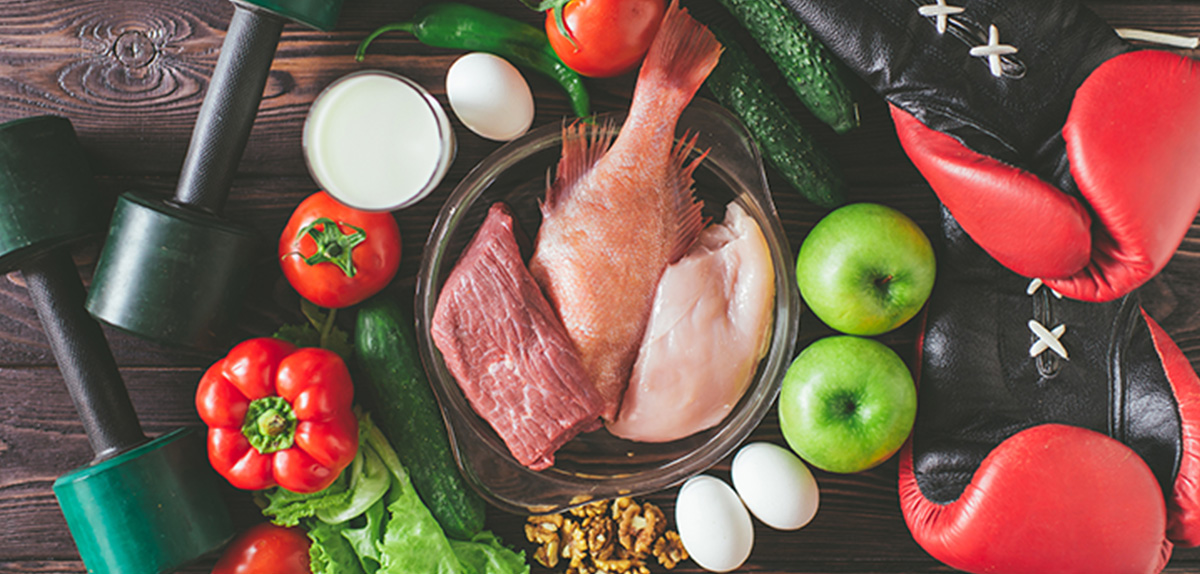
A good diet plan provides a strong base for energy, strength and recovery, which are essential for fighters to thrive. This means that boxers who take a balanced diet are able to have better control over their muscle mass and are able to recover faster.
In the sport, boxers are obliged to stringently follow the rules of the weight classes. This implies that the fighters must ensure that they maintain low body fat while at the same time ensuring that they have enough energy to improve performance.
The rigorous nature of the sport requires energy with nutrients required to regenerate muscle. Sustaining all these aspects is not easy, but it is the requirement of the position.
It is safe to say that the importance of nutrition for boxers cannot be overemphasised. So let us take a closer look at how these strategies may be applied by boxers to sustain a diet for high performance.
Related Article: Nutrition Guide to Refuel and Reclaim After Tough Fights
Understanding the Boxer’s Diet
When it comes to taking a proper diet, it is not just fuel for the boxers; it is a strategic tool that can result in optimal performance and lasting endurance. A diet like that would constitute a harmonious balance of macro and micronutrients.
Macronutrients are the cornerstone of a boxer’s diet that consist of proteins, carbohydrates and fats, whereas micronutrients include vitamins and minerals needed to keep fighters in top shape.
- Protein: Proteins are the body’s need to grow and repair muscles. To ensure a steady supply of protein in your diet, you should include sources like lean meats, legumes and dairy products.
- Carbohydrates: In high-impact sports like boxing, carbohydrates are the demand of the body as it generates energy. Fruits, vegetables and whole grains are packed with carbohydrates.
- Fats: Healthy fats are vital for your overall health as they assist in nutrient absorption and act as a secondary source of energy. Foods for boxing endurance include nuts, avocados and olive oil are stocked with healthy fats that you need to excel in the game.
Apart from these major sources of nutrition, micronutrients like iron and calcium are equally important. As a fighter, you must be diligent about hydration as well as it plays a critical role in enhancing stamina and focus in a bout. The right mix of all of these nutrients on the plate can ensure exceptional performance, boosted recovery, and skyrocketing endurance in intense training.
Pre-Fight Nutrition
A well-structured diet plan rings the bell for success in the ring. Strategising pre-workout meals for boxing is important to make the weight. You are not only supposed to maintain a healthy balance of carbohydrates, proteins, and fats is extremely essential but also be diligent about the timing of the nutrition intake.
Ahead of the fight, fighters should plan their meal in a way which would consist of a minimum of 30–60g of carbohydrates one hour before their training. This will provide your body with the energy needed to train rigorously and will prevent early fatigue.
After training, it is essential to restore muscle glycogen and promote recovery which is a job done by carbohydrates. You should aim for a 1:1, 2:1 or 3:1 ratio of carbs to proteins, depending on the intensity and duration of your fight.
In order to maintain strength, stimulate weight loss and prevent significant loss of lean tissue, ensure a protein consumption of 2.0g/kg of body weight. Ideally, you should consume 20-40g of protein immediately after workout and then again after three to four hours to help your muscles recover and preserve tissue.
Nutrition on the Fight Day
Your nutrition for the fight day will also be similarly structured to your training days with a larger emphasis on increasing glycogen levels so that you have sufficient energy during a fight.
Start the day with a meal rich in protein, carbohydrates and a little fat within the first hour of waking up. This balanced meal for boxers will restore muscle tissues, saturate glycogen stores, and keep you full for longer.
About 4 hours before the commencement of the event, consume 20–30g of protein and 60–90g of carbohydrates. Make sure it contains minimal fat, as fat delays the absorption of carbs into the muscles.
Then just one hour before the fight begins, it is recommended to take 1g/kg of carbohydrates. This can be in the form of drinks or powders since these are quickly digested and absorbed into the muscles. A small portion of 60g of carbohydrates should suffice this need.
It is important to keep in mind that the energy requirement completely depends on the height, weight and the training schedule of the fighter.
Weight Management for Boxers
In competitive sports like boxing, athletes are always on the search to look for ways that give them an edge in the fight. There are many strategies used by fighters but weight-cutting has been part of the game for the longest time.
Weight cutting for boxers severely varies, some fighters only shed a couple of pounds, while others opt for a brutal cut. However, the preparation for a cut begins at the start of the fight camp and goes on for a couple of weeks. The final weight cut is done five days before the fighter steps on the scale. A well-calculated diet and nutritional plan ensure that this week goes as smoothly as possible
To cut weight, the initial step is to drink 6-8 litres of water on the first day of the fight week. This will start the down-regulation of aldosterone, which is a hormone responsible for causing the body to flush out water. Then this water intake is decreased by half each day following the week. Plus, the boxing weight class diet should include a low intake of carbohydrates.
The next step is to sweat out as many fluids as you can, which is done by long sauna sessions. To increase the amount of sweat, you can exercise in the sauna as well, but you must be careful not to overexert yourself.
Closer to no water is taken on the day before and on the day of the weigh-in. Once the fighter makes weight, he can begin the process of rehydration and gaining the weight back. This is done by drinking a lot of water, consuming carbs with each meal, and adding salt to your food.
However, before you begin, always consult a doctor to ensure you are cutting weight safely.
Fueling Training with High-Performance Foods
High-performance foods are needed for fueling workouts for boxers. What are these foods? Let’s have a look:
High-Protein Meals for Muscle Repair and Growth
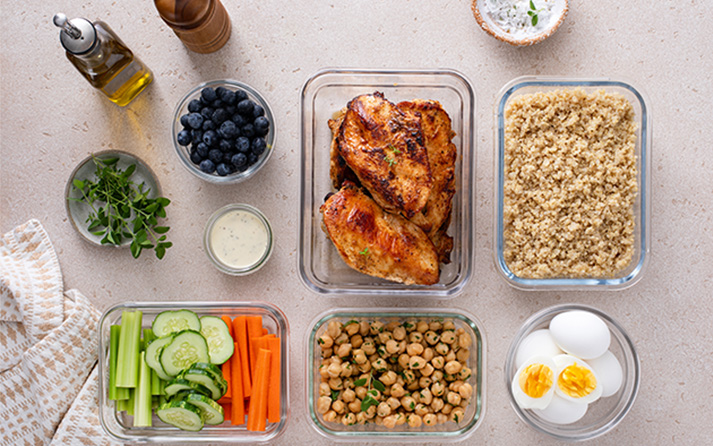
Boxers demand high-protein meals as they aid in muscle recovery and replenish energy stores. Being a powerful food source, protein will help you when recovering from an injury from a training session. Since the body can not store protein, you need to replenish it every day. A boxer should consume 2 grams of every kilogram of body weight daily.
The best types of protein come from lean meat, wheat cereal, brown rice, beans, dairy, corn, nuts, and seafood. Grilling, broiling, roasting, and baking are good low-fat cooking techniques that will preserve the benefits of the meat you are eating.
Carbohydrates for Boxing Energy
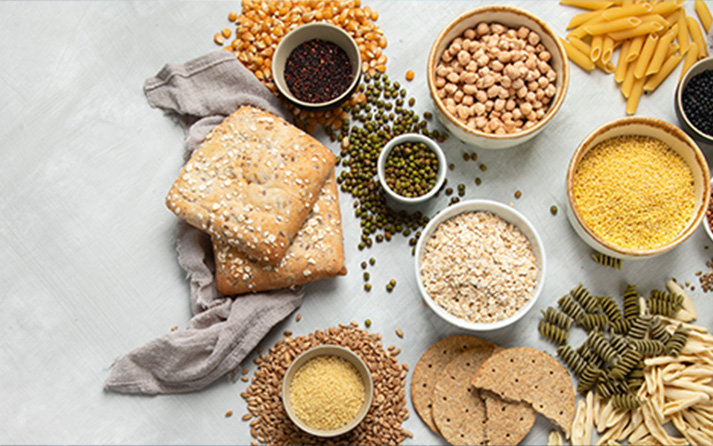
One should never underestimate the necessity of carbohydrates. Our bodies store carbohydrates in the form of glycogen which is then converted to glucose when extra energy is needed.
Since boxing involves strenuous training, carbohydrates are imperative to prevent fatigue. Healthy food choices to include carbs in your diet include whole-grain bread, cereal, beans, legumes, pasta and starchy vegetables.
While you must eat carbs, you should avoid eating the wrong kind of carbs as they can increase body fat. The difference between good and bad carbs is their impact on the blood sugar levels. Complex carbs are good carbs as they have low GI, whereas simple carbohydrates are known as bad carbs that consist of high GI.
Sticking to low GI carbs will bring multiple benefits such as reduced hunger, improved cholesterol levels, reduced risk of diabetes and heart disease, and prolonged physical endurance. Foods like seeds, lentils, beans, mushrooms, peanuts, fructose, wheat, etc are examples of low GI foods. White rice, white potatoes, processed white bread and cornflakes are examples of high GI food that must be avoided in all circumstances.
Related Article: 7 Beginner Nutrition Mistakes to Avoid
Healthy Snacks for Boxers
Snacking is allowed in meal planning but it should be planned smartly to sustain steady energy levels. There are several healthy snacks for boxers like Greek yoghurt with berries, whole-grain crackers with peanut butter, banana protein shake, etc. These snacks are nutrient-dense and will prevent energy crashes.
With a balanced diet, the caloric intake for boxers can be kept in check while preventing chronic diseases and keeping the energy levels high.
Hydration and Electrolyte Balance

Hydration can not be overlooked in boxing. A healthy diet needs to include lots of water intake. When you train hard, you sweat a lot which is why it is essential to replenish the lost fluids. It is important for temperature regulation, muscle repair, mental clarity and reaching peak performance.
The National Academy of Sport Medicine (NASM) reported that dehydration can minimise strength by 2%, power by 3%, and endurance by 10%. It can also decrease blood volume, weaken muscles, increase the risk of injury, decrease response time, increase mental fogginess and increase core body temperature.
Conscious efforts need to be made to sustain heavy hydration every single day. Here are simple boxing hydration tips that can help maintain the baseline fluid balance in the body:
- Track fluid loss by weighing yourself before and after training.
- Drink at least 2 glasses of water for every lost pound.
- Drink more water on hot or dry days and after gruelling workouts.
- Keep a bottle with you to drink even when you are not thirsty.
- Incorporate electrolytes for boxing training during your workout.
- Monitor your urine colour to see that it is not clear or dark yellow. The colour should be pale yellow which is an indication of overhydration
Other than regular days, boxers should pay close attention to water intake while training. As per the American College of Sports Medicine, here are the fluid replacement guidelines to bear in mind:
- Drink 14–22 ounces of water two hours before a workout.
- Drink 6–12 ounces of water every 15-20 minutes.
- Drink 16–24 ounces of water for every pound lost during the training.
Recovery Nutrition for Boxers
After an intense practice session, the body needs to recuperate and replenish the lost nutrients. A right post-workout will help the body recover and rebuild the muscles stronger. And a huge part of the post-training recovery nutrition relies on the intake of protein which should be around 0.2–0.4 g/kg/hour within 24 hours of post exercise.
Other than proteins, your diet should include 0.8–1.2/g/kg/hour of carbs immediately post-workout so that your body can replenish glycogen stores. Combination meals like a sandwich with lean meat is a great example of recovery foods for boxing training as a more balanced food choice.
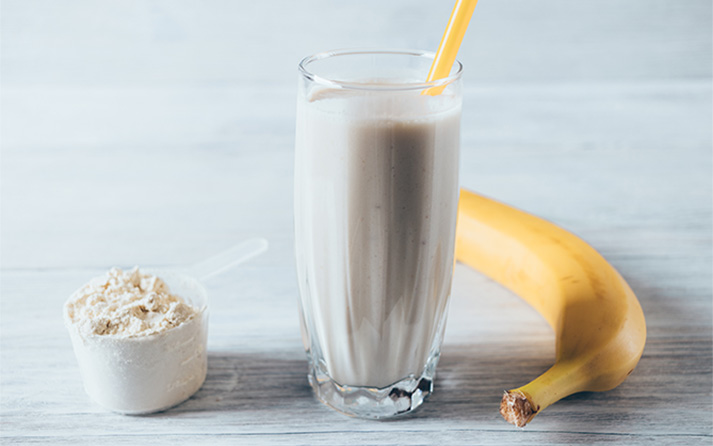
Another excellent option to eat after a training session is the protein shakes for boxers. It combines all the necessary nutrients required by the body in a single serving. They are easy to make and super healthy which perfectly suits people short on time. So the next time you pack your boxing gloves and other equipment, make sure to add a protein shake in the list too.
And while foods should be your primary source of nutrients, you can also take supplements. Whey protein, BCAAs, and Omega-3 fatty acids are amazing examples that can offer additional support in recovery.
Related Article: What You Should Have As Part Of Post-Workout Nutrition
Meal Planning and Preparation
Boxers juggle between training schedules and therefore, meal prep is important. Preparing meals in advance will save time and help fighters stay on track with their goals. Here are a couple of tips that can help in the meal prep for boxers:
- Plan your meals a week ahead with a balance of macro and micronutrients.
- Cook large batches of foods like grilled chicken or steamed vegetables that you can use throughout the week.
- Use portion-controlled containers that will allow you to label each with a date to ensure freshness.
- Dedicate two days a week for meal prep so that you can restock food and keep your diet consistent.
Sample Meal Plan
Here is a sample boxing diet plan that can give you an idea of how your meal should look like when training:
Breakfast
- Oatmeals with nuts and fruit
- Protein smoothie or scrambled eggs
Brunch
- Greek yoghourt with berries
- A fist full of almonds
Lunch
- Grilled chicken
- Quinoa
Snack
- Sweet potato
- Mixed salad
Dinner
- Baked salmon
- Sweet potato
- Mixed salad
Post Workout
- Banana
- Protein shake
Key Vitamins and Supplements for Boxers
Vitamins and minerals play a pivotal role in shaping our health which is why we must ensure their ample existence in our diet. Here are some of the best vitamins for fighters that should be in their diet:
- Iron: It aids in oxygen transport and energy production. Foods like lentils, lean meats and cereals include plenty of iron.
- Magnesium: Magnesium is necessary for nerve regulation and muscle function. Leafy green vegetables, nuts, whole grains and seeds are packed with this nutrient.
- Calcium: Essential for bones and nerve signalling, calcium is found in dairy, almonds and leafy green vegetables.
- Vitamin D: It works in combination with calcium to strengthen bones. Fatty fish and egg yolks are great sources of vitamin D.
- Antioxidants: Vitamin C and E are antioxidants that are needed to fortify immune health.
You can only include supplements for boxing performance to assist in completing the nutrition you need to enhance your performance.
Conclusion
Nutrition is indispensable for a boxer’s success which fuels the fighter’s energy, strength, and recovery. A properly structured diet includes all the essential nutrients for fighters, balancing macronutrients, micronutrients, and hydration to take a wholesome dietary approach.
Tactical strategies like weight cutting, meal planning, and incorporation of high-performance foods are essential to meet the physical demands of the sport. You can also add supplements to support recovery and performance in combination with nutrient-dense foods.
By prioritising nutrition and consistently prepping meals, boxers can keep their much-needed edge in the ring. Remember, diet is not just a fuel, it holds the power to shape champions.
Read More
- Top 6 Weight Loss Tips From the Best Nutritionists
- Read Food Labels To Know Nutritional Value Of Your Product
- MMA Meal Plan – Nutrition and Tips
- Nutrition Plan for Healthy Weight Loss