





With careful workout planning focusing on hypertrophy and increasing strength, you can achieve your goal. One thing that you should never forget is that all these things require patience and determination: work hard, incorporate strength-building workouts, and follow proper nutrition plans to build muscle and grow in size.
The muscle gain workout plan explained in this article will make you stronger and healthier, with a considerable difference in your muscle size. Just one month after starting this workout and following the nutrition guidelines listed below, you will be unrecognizable. Again, follow with consistency even on those days when you don’t want to show up or can’t see results.
Before we get into the workout, let’s understand muscle hypertrophy and what principles you need to follow for muscle gain:
Understanding Muscle Growth and Hypertrophy
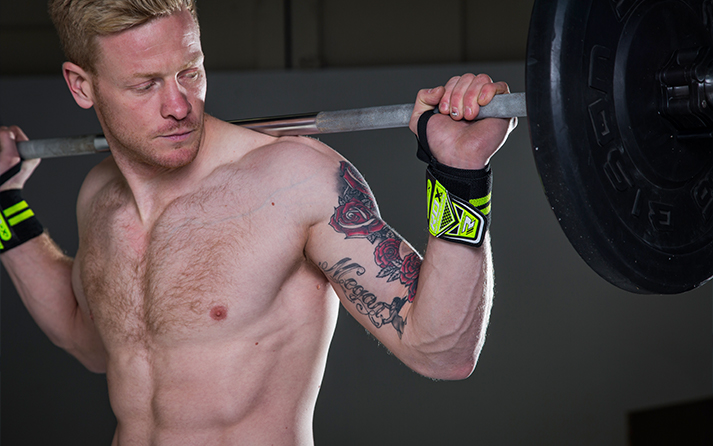
When you target your muscles against resistance through heavy weightlifting, the muscles increase in size which is known as muscle hypertrophy.
Weightlifting for muscle gain can show visible differences in size, density, and even shape of the muscle. Lifting heavy weight denatures the structure of the muscles and they break, resulting in metabolic stress. And after that the protein you eat will help you increase the muscle in size and density.
Muscle hypertrophy is a slow process and requires different strategies to keep growing the muscles. The hypertrophy workout plan focuses on changing the weights often, or altering the training intensity. These plans also emphasize on lifting heavy weights by changing reps and sets.
One way to do this is to overload the muscles progressively. You continue to put muscles under metabolic stress by increasing the weights and reps. You need to find the hypertrophy workout plan that works for your body, as everyone responds differently to training.
The process of building muscle through different weight and repetition levels matches in importance with the necessary recovery time. Proper rest, together with adequate nutrition and sufficient sleep, acts as an essential component to achieve muscle hypertrophy because muscle recovery is problematic in their absence.
Related article: How to Build Muscle Fast: A Beginner’s Guide to Rapid Strength Gains
Key Training Principles for Muscle Gain

Weightlifting for muscle gain is the only solution for hypertrophy, but there are certain key principles that you have to follow to ensure you have steady progress.
Lifting Heavy Is The Key
Beginner muscle gain workout should be exclusively focused on lifting heavier weights. The muscles get challenged with heavier weights, causing a microscopic tear in the fibers. This starts a biological reaction in the body initiating repair, building stronger muscle fibers.
Focus On Volume and Intensity
Strength training for muscle growth is highly effective when you constantly monitor your reps, sets, and weights. Changing up the volume and intensity of your training promotes hypertrophy. It is best to record it so that improvements can be made next time.
Time Under Tension
Time under tension is the duration where a muscle is under the tension to increase the strength and size. Increasing time under tension enhances muscle activation and metabolic stress leading to muscle synthesis.
Adjust Workout Frequency
The workout frequency is also essential when you are doing strength training for muscle growth. For hypertrophy, training 3–4 times per week is recommended, allowing proper rest in between.
Related Article: Top 10 Strength Fitness Tips for Sports Athletes: Build Muscle and Boost Performance
The Best Gym Workout Plan for Muscle Growth

The gym exercises for mass building have to be selected very carefully so that they can target the muscles in the right way, stimulating muscle growth. Following are some helpful tips to design an effective workout split for muscle growth:
Beginners Training Frequency
Athletes who start out should perform their muscle gain workout three times each week. The exercise plan should include exercises for full body sessions combined with movements for lower and upper body parts. New trainees can divide their workouts across separate days to properly work on different body sections. The body needs recovery time to reach its maximum potential regarding muscle growth and strength.
Intermediate and Advanced Routines
Following are some effective workout splits for muscle growth for intermediate and advanced users:
Push-Pull-Legs (PPL) Split (6 Days/Week)
Push movement groups such as the chest and triceps with shoulder muscles comprise the main part of this workout pattern. Back and triceps muscles receive emphasis during pull day then the exercise continues with leg day to activate quads and hamstrings as well as calves and glutes. Training each group twice per week maximizes the potential for stimulation from exercise.
Upper-Lower Split (4 Days/Week)
This routine includes utilizing two days for upper body and other two days for lower body. You can also have a rest day in between the workout days for ample recovery. This routine is helpful for strength gains and muscle growth.
Body Part Split (Training One Muscle Group/Day)
This routine is great for bodybuilders and athletes who want muscle growth with definition. This is a high volume training in which you focus on one muscle group only. This can look like Monday for chest, Tuesday for back, Wednesday for legs, Thursday for shoulders and Friday for arms.
Sample Hypertrophy Workout Plan (5-Day Split)
1st Day: Chest & Triceps
- Bench Press: 4 sets x 8–10 reps
- Incline Dumbbell Press: 4 sets x 10–12 reps
- Dips: 3 sets x 8–12 reps
- Triceps Pushdowns: 3 sets x 12–15 reps
2nd Day: Back & Biceps
- Deadlifts: 4 sets x 6–8 reps
- Pull-ups: 3 sets x 8–10 reps
- Barbell Rows: 3 sets x 10–12 reps
- Bicep Curls: 3 sets x 12–15 reps
3rd Day: Legs & Core
- Squats: 4 sets x 8–10 reps
- Leg Press: 4 sets x 12 reps
- Romanian Deadlifts: 3 sets x 10–12 reps
- Hanging Leg Raises: 3 sets x 15 reps
4th Day: Shoulders & Arms
- Overhead Shoulder Press: 4 sets x 8–10 reps
- Lateral Raises: 3 sets x 12–15 reps
- Skull Crushers: 3 sets x 12 reps
- Hammer Curls: 3 sets x 12 reps
5th Day: Full-Body & Strength Focus
- Power Cleans: 3 sets x 6 reps
- Farmer’s Walk: 3 sets x 30 seconds
- Bulgarian Split Squats: 3 sets x 10 reps per leg
- Hanging Leg Raises: 3 sets x 15 reps
Related Article: 9 Essential Exercises for Building Muscle Mass
Nutrition and Diet for Muscle Gain
Your best gym workouts for muscle growth will work only if you plan your nutrition and diet. The way you fuel the body on a muscle-building journey determines your progress and growth. Here are some helpful tips to achieve your required target and fuel your body properly:
High-Protein Diet for Muscle Gain
Protein is the building block of life. When you eat a high-protein diet for muscle gain, your body recovers better, you build muscle mass in an efficient way, and you also make new muscle. The protein in diet, after consumption, breaks down to amino acids which then signals the brain to initiate the muscle-building process.
It is highly recommended for anyone on a muscle-building program to pay attention to protein intake and include lean options such as legumes, dairy, eggs, chicken, and fish. Taking whey protein in the form of a supplement is also a good option to hit daily protein targets.
Dietary protein also affects post-exercise recovery. To gain muscle mass you need to consume daily between 1.4g to 2.0g of protein per kg of your body weight.
Macronutrient Balance
People exercising for mass-building at the gym need to balance their macronutrients properly by eating nutritious carbohydrates and fats with their diet. Whole grains like oats as well as sweet potatoes and barley, should be selected because they provide sustained energy levels during your training.
Foods containing healthy fats like nuts, avocados, seeds, and olive oil work together with human hormones to enable body muscle growth. According to research, a healthy intake of fats can benefit muscle gain and strength in people who are engaged in high-intensity physical activity.
Pre- and Post-Workout Nutrition
Your body demands specific nutrition during workouts and post-workout periods because both conditions affect your muscle performance; your pre-workout food should include protein and carbohydrates for energy.
For post-workout nutrition, eat high-quality, fast-digesting protein, such as whey protein, for better absorption. Pair it with a simple carb, such as fruit, to replenish the lost energy.
Related Article: Why Post-Workout Nutrition Matters for Recovery & Muscle Growth
Recovery & Lifestyle Tips for Maximum Muscle Growth

Supplementing the beginner muscle gain workout with rest, sleep, and hydration can be an effective way to see good results. Following are some of the tips to recover better to maximize muscle growth:
Prioritise Rest & Sleep
According to research, good-quality sleep has a positive connection with muscle growth and strength. The recommendation is to sleep for 7–9 hours per night. The muscle synthesis process starts when you are in deep sleep, so make sure you are paying attention to sleep patterns.
Hydrate Properly
Dehydration can affect the functioning of your muscles and even lead to poor performance in the workout. The water percentage in your muscles is responsible for initiating the muscle-building process, so drink at least 8–10 glasses of water to stay hydrated.
Use Supplements
Supplements such as whey protein, BCAAS, and creatine are essential to recovery the muscles. They provide essential amino acids to the muscles, which are utilized in building strong muscle fibers after you target the muscles in a muscle-building workout.
Avoid Overtraining
One of the most important reasons beginners might not be seeing results in a hypertrophy workout plan is overtraining. It is essential to incorporate rest days in your weekly schedule to relax the muscles.
Related Article: Best Practices for Recovery After Weightlifting: Faster Muscle Repair & Strength Gains
Conclusion
The combination of a structured muscle-building workout with its corresponding training days and rest days together with nutrition protocols serves as the exclusive method to grow muscle mass. The path to muscle hypertrophy will be achieved when one experiments with weight and rep numbers to sustain metabolic stress on the muscle.
Those who want to amplify their muscle size should combine weight lifting with quality protein intake and correct scheduling of scheduled days off from exercise for sustaining muscle growth. The perfect strategy for muscle development is strength training yet establishing a proper balance eliminates overtraining and guarantees correct muscle development across suitable conditions.
Making alterations in your sleep routine along with maintaining proper hydration management offers benefits in addition to supplements to help build more muscular mass and larger muscle size.
The process of muscle hypertrophy happens extremely gradually and needs total persistence along with dedication and consistent practice.
Start your muscle gain workout plan today with proper training protocols, and stay committed to seeing progress.