



See, if you’re training kickboxing or Muay Thai, you’ll hit that point—do I really need shin guards? Truth is, it depends. On your goals. How hard you go. What you can spend.
But here’s the deal: you gotta understand the ups and downs before buying anything. Whether it’s Kickboxing Shin Guards, or you’re eyeing the Best Shin Guards for Muay Thai, there’s a lot out there.
Let’s cut through the hype and break it all down. Real talk, no fluff.
What Shin Guards Actually Do?
So, what’s the big deal with MMA Shin Guards anyway?
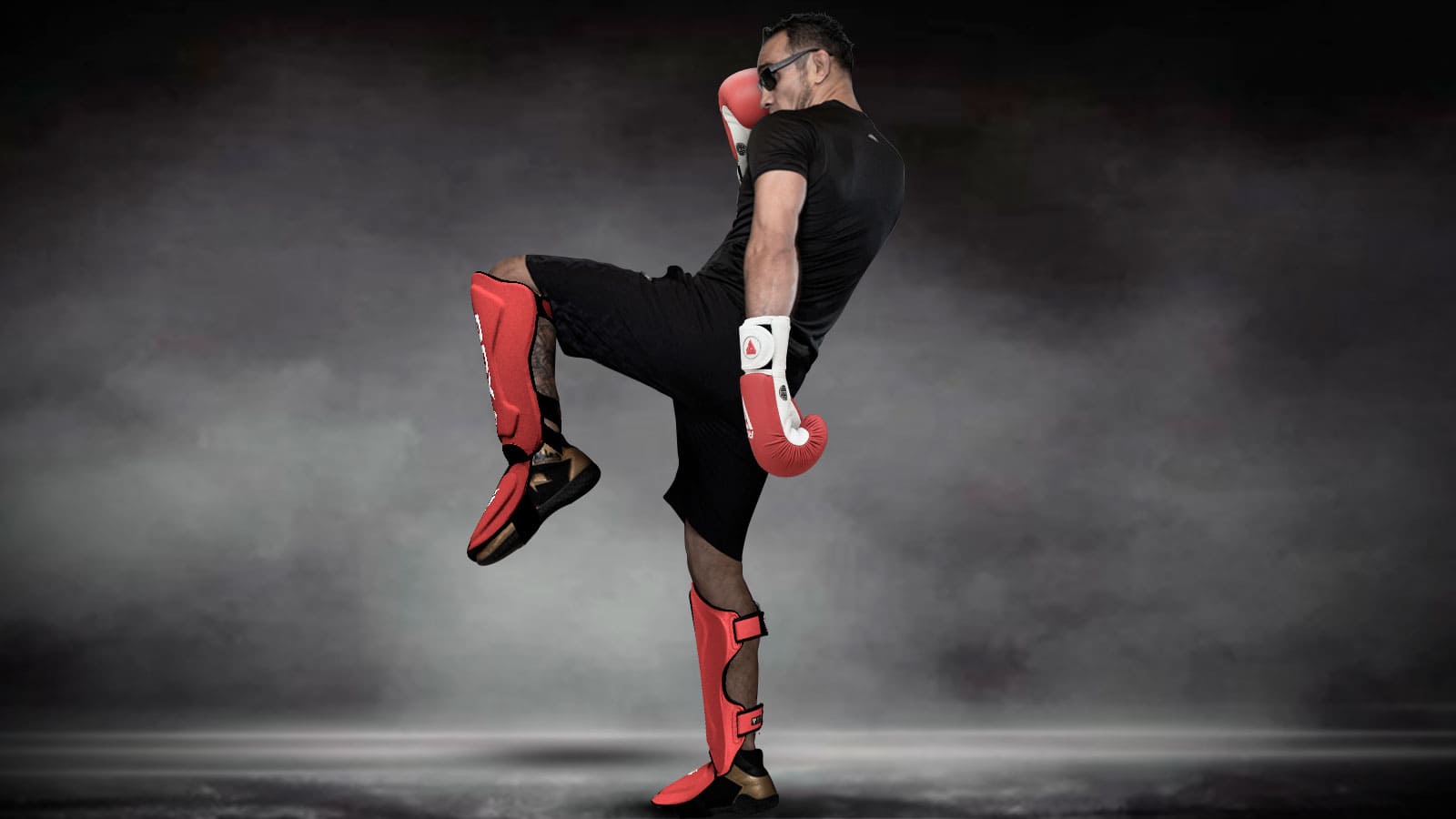
Well, First, your tibia (that front shin bone) has basically no padding. One clean kick without protection? That’s pain straight to the soul. Good shin guards soak up impact, saving both your leg and your training partner’s ribs.
They also cover your instep, which catches a lot more contact than people expect, especially in kickboxing or Muay Thai. And yeah, they help with hygiene too. You’re rolling, kicking, sweating in shared gyms. Having that extra layer matters more than folks admit.
Whether you’re training light or going all in, Muay Thai Protective Gear like shin guards keeps sessions safer, cleaner, and more consistent.
Related Article: Top-Rated RDX MMA & Boxing Protective Gear Every Fighter Needs
Pros of Using Kickboxing Shin Guards for Sparring

Training smart means protecting yourself. MMA Shin Guards aren’t just gear—they’re a game-changer. Here’s why using the right guards during sparring can seriously boost your progress.
1. Injury Protection = More Time on the Mat
Wearing MMA Shin Guards means you’re less likely to get nasty bruises or even micro-fractures. Those small injuries might not seem serious at first, but they add up and can bench you for weeks. Protecting your shins from boxing injuries lets you keep training regularly without those painful setbacks.
2. Boosted Confidence in Every Kick
When your legs feel protected, your whole game changes. You throw low kicks and checks without hesitation because you’re not scared of the pain. This confidence helps you sharpen your technique and stay aggressive in sparring.
3. Less Recovery, Longer Sessions
Less pain means you don’t need as much downtime after training. You can push through longer sessions and bounce back quicker for the next one. Over time, this adds up to faster progress and better conditioning.
4. Partner Respect & Gym Etiquette
Nobody likes getting rocked by bare shins in sparring. Wearing Shin Guards for Sparring shows respect for your partner’s safety. It’s basic gym etiquette—means you care about healthy training, not just winning.
Cons & Potential Drawbacks of Kickboxing Shin Guards
While shin guards protect, they’re not all sunshine. Like any gear, there are trade-offs to consider before lacing up. Here’s what you should watch out for when choosing your Martial Arts Shin Guards.
1. Slight Weight & Mobility Trade-Off
Even the lightest MMA Shin Guards add some bulk to your legs. That little extra weight can slow down your footwork or limit mobility slightly. For fast-paced kickboxing, this might feel annoying, especially if you’re used to training bare.
2. False Sense of Security → Sloppy Technique
Sometimes guards make fighters overconfident. You might start relying too much on padding and slack on proper form or control. This can backfire by building bad habits that hurt your progress in the long run.
3. Extra Cost + Maintenance
Good shin guards aren’t cheap. Plus, all that sweat and sweat-soaked gear means you gotta clean and dry them carefully. Otherwise, odor and bacteria become a real issue, especially in busy gyms.
4. Competition Rule Differences
If you plan to compete, know that rules vary. Many amateur kickboxing matches require lighter guards or none at all. Training too much in heavy guards might make you unprepared for actual bouts.
Types of Martial Arts Shin Guards Explained
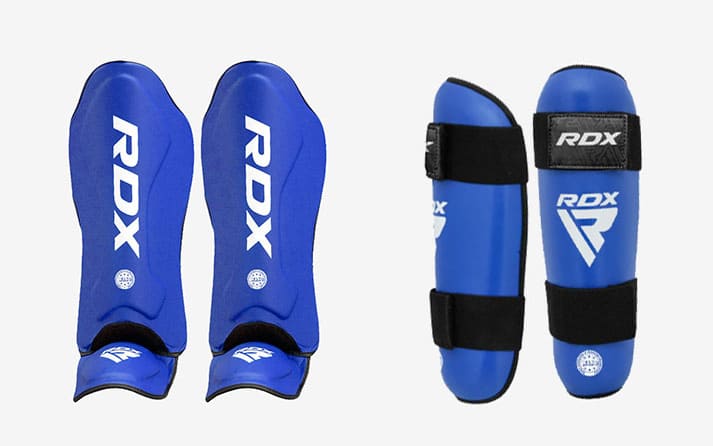

Picking the right shin guards means matching style to purpose. Each type has its own strengths based on padding, fit, and how you strap them on. Whether you need MMA Shin Guards for grappling or the Best Shin Guards for Muay Thai in heavy sparring, this guide breaks it down simply.
Style | Best For | Padding Type | Strapping System |
| Sliders / Neoprene Sleeves | Ideal for MMA grappling rounds | Lightweight EVA foam with gel inserts for shock absorption | Easy slip-on design for quick wear and removal |
| Traditional Muay Thai | Perfect for heavy stand-up sparring sessions | Thick triple-layer foam for maximum impact protection | Dual Velcro straps for secure fit and adjustability |
| Hybrid Leather-Shell | Great for cross-training across kickboxing and Muay Thai | Durable injected molded foam offering a balance of protection and flexibility | Combination of elastic and hook-and-loop straps for comfort and stability |
How to Choose Shin Guards?
Choosing the right Martial Arts Shin Guards comes down to a few key things. First, think about your contact level. Are you training light, technical drills, or going full Muay Thai with heavy strikes? Light training can work with slimmer guards; full contact demands thicker protection.
Next up is material. Synthetic material guards tend to be lighter and cheaper but wears out faster, especially with sweat. Leather shin guards last longer, handle sweat better, and feel more durable—great if you train hard regularly.


Closure matters too. Slip-on guards are quick and easy but might shift during fast movement. Dual-strap or Velcro closures provide a tighter, more stable fit, so your guard stays put round after round.
Finally, consider your budget. Entry-level guards get the job done but won’t last as long. Mid-range is a sweet spot for most, while premium guards offer top durability and comfort. If you want all factors in perfection, try RDX Shin guards.
Shin Guard Size Guide
Finding the right size shin guard is way more important than most think. Grab a tape measure and check the length from your ankle bone up to just below your knee-cap. That’s the area you want covered, no more, no less.
Here’s a quick look at sizes that usually fit based on that length and your weight:
Size | Length (inches) | Weight (lbs) |
| Small | 11-13 | Under 140 |
| Medium | 13-15 | 140-170 |
| Large | 15-17 | 170-200 |
| XL | 17+ | Over 200 |
The trick? Make sure they’re snug but not choking your circulation. Padding should cover about three-quarters of your shin—that’s just right for protection without feeling bulky.
Care & Maintenance of Martial Arts Shin Guards
Want your MMA Shin Guards to stay fresh and ready fight after fight? It’s easier than you think. Just a few simple habits will keep them smelling good and lasting longer.
- After each session, wipe them down with a damp cloth and let them air dry. This stops nasty odors before they start.
- For leather guards, avoid the washing machine. Hand-wash gently with mild soap to protect the material.
- Synthetic guards can handle a bit more, but still treat them with care—machine washing isn’t usually recommended.
- Use an anti-bacterial spray once a week to kill germs and keep things smelling clean.
- If you train hard or during intense camps, rotate between two pairs. This gives each guard enough time to dry and freshen up properly.
Related Article: Comprehensive Guide for Shin Pads Care
When You Might Skip Shin Guards
Not every training day needs MMA Shin Guards. On pad-work days, light technical drilling, or shadow boxing, skipping guards can help you focus on technique without feeling bulky.
Some advanced fighters prep for competitions with shin-guard free rules by training without Kickboxing Shin Guards. It’s part of gradual shin conditioning, which is way smarter than those old wooden dowel myths.
Still, be careful, proper shin conditioning takes time. Skipping guards occasionally can help, but always listen to your body to avoid injury. Remember, these decisions depend on your training goals and contact level.
Quick-Reference Pros & Cons Recap
Pros of Using MMA Shin Guards | Cons of Using Kickboxing Shin Guards |
| Reduce bruises & injury risk | Slight weight and mobility trade-off |
| Boost confidence for low kicks | Can cause sloppy technique if over-relied on |
| Longer training sessions, less downtime | Extra cost and maintenance needed |
| Shows respect with Shin Guards for Sparring | Some competition rules limit guard use |
Conclusion
Choosing MMA Shin Guards comes down to your contact level, training goals, and budget. Pick the right pair to protect your shins and keep your partners safe. Want more help? Download our free comparison chart of top Kickboxing Shin Guards or subscribe for monthly reviews on Muay Thai Protective Gear and more.