



Athletes who identify the causes of such injuries make better decisions to protect their bodies. A fighter must prioritize both the prevention of MMA-related injuries and adequate recovery methods to achieve a longer fighting career that succeeds. Proper warm-up routines, suitable equipment selection, and sufficient healing time will improve MMA performance.
The following guide will show what MMA injuries require the most attention, alongside the prevention strategies and safe approaches to healing.
Most Common Types of MMA Injuries
The strong physical demands of MMA activity result in multiple boxing injuries sustained by its fighters. Identification of MMA injuries serves two purposes: enabling fundamental safety measures alongside suitable recovery techniques. Here we have discussed the primary MMA injuries that occur within the combat sport:
Head Injuries:
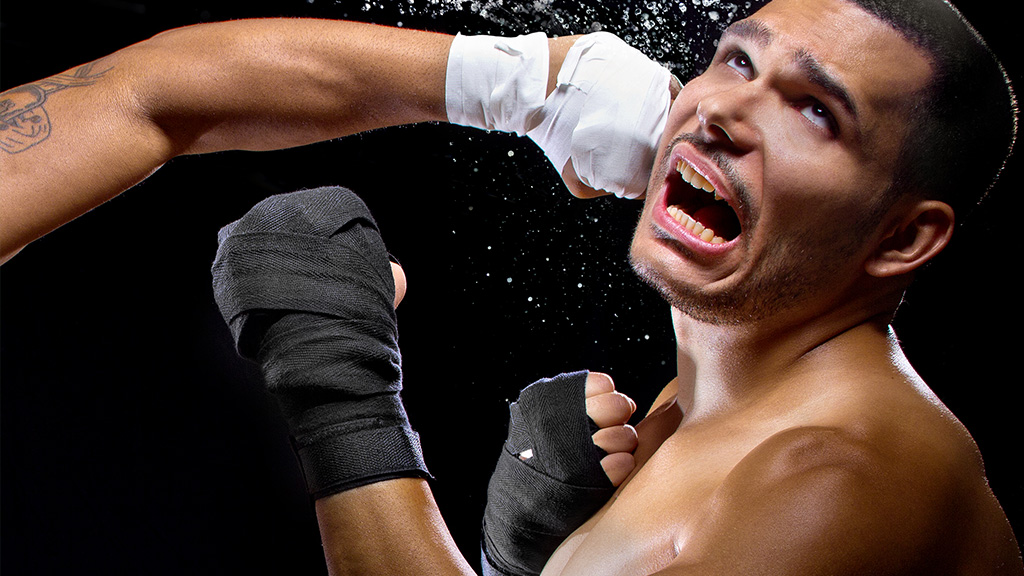
MMA head injuries involve traumas alongside facial cuts and bruises. Such damages develop from successive blows to the head, which negatively affect memory functions and body stability while creating lasting brain wellness issues. All individuals who experience head trauma need both fast medical care and sufficient bed rest.
Knee Injuries:
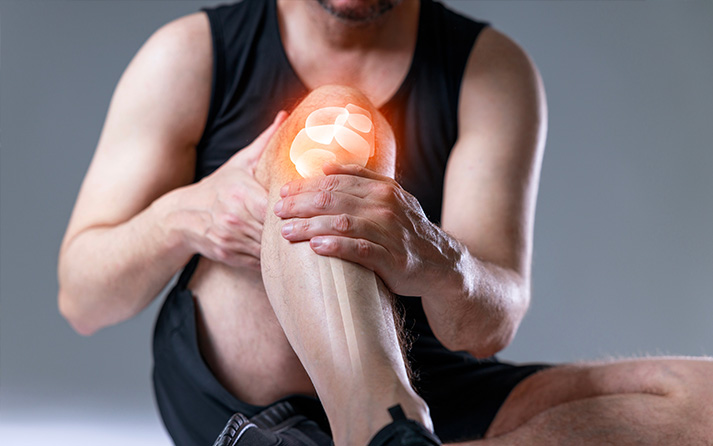
The knee area of MMA athletes suffers regular damage, which mostly includes ACL tears together with meniscus injuries. During training and fights, sudden movements and defensive tricks alongside improper mat landings frequently bring about knee damages. Different treatment periods extend into weeks or months, while surgery might become necessary for patients who experience knee injuries.
Shoulder Injuries:
The most frequent shoulder injuries sustained from wrestling activities, such as clinch fights or hit-and-fall accidents, result in rotator cuff tears plus shoulder dislocations. Fighters experience limited motion control along with weakened strength because of these injuries, which affect their ability to perform strikes or defense maneuvers.
Hand and Wrist Injuries:
Fractures and sprains frequently happen in MMA fighters because they attempt repetitive punches combined with blocked strikes on their hand and wrist. Unpacked injuries pose less danger due to protective wrapping and hand coverings.
Foot and Ankle Injuries:
Combat sports participants often experience sprains coupled with fractures and tears of their ligaments due to kicking activities, followed by quick motions. Inadequate medical care after injuries can result in loss of fight mobility, along with the necessity for athletes to stay off the mat.
Treatment of these athletic-related injuries enables players to maintain peak performance levels.
For a more in-depth breakdown of the most common MMA injuries and tips for avoiding them, refer to the 12 most common injuries for MMA fighters and how to avoid them.
Recognizing Symptoms of Common MMA Injuries
Athletes experience frequent MMA injuries because of the extreme intensity as well as the physical nature of the sport. MMA fighters need to understand what typical MMA medicine signals mean to stop severe health issues from developing.
- Concussions (MMA head injuries): Strong blows to the head cause the serious condition known as Concussions, which are classified as MMA head injuries. Headaches, together with confusion, nausea, and dizziness, are identifiable signs of MMA injuries.
- Knee injuries (MMA knee injuries): Such injuries often occur during takedowns or quick movements. Swelling, severe pain, and feeling unstable about the knee’s safety are typical injury indicators. When these warning signals manifest, training activities should be stopped.
- Shoulder injuries: Strains and shoulder tears appear during grappling or dropping to the floor. When lifting your arm causes pain, together with weakness and reduced shoulder range of motion, it indicates shoulder injuries. Not taking notice of these symptoms will result in more serious injuries.
- Fractures and sprains: The hands, wrists, feet, and ankles, together with the elbow, are the body areas most prone to sustaining fractures and sprains. The symptoms of an injury display themselves through pain, swelling, bruising, and movement difficulties in the affected region. Seek medical examination immediately when you experience sudden pain that develops with even slight body movement.
Detecting early signs by fighters enables them to treat injuries properly while returning to MMA competition.
Causes and Risk Factors for MMA Injuries
To stay safe in the sport, fighters must understand the common causes of injuries and how to heal from them. Here are a few major reasons injuries happen and how they relate to MMA injury prevention:
Improper training techniques
Using incorrect form while punching, kicking, or grappling can cause serious harm. Fighters should always train under experienced coaches to ensure their technique is safe and effective. This is key to protecting yourself from MMA injuries.
Overtraining and fatigue
Training too hard without enough rest makes the body weak and tired. This increases the risk of injuries. Rest days are important for muscle recovery and overall health.
Insufficient protective equipment
Not wearing the right gear, like gloves, mouthguards, or headgear, puts fighters at higher risk. Good equipment is essential for MMA injury prevention during sparring and training.
Related Article: MMA and Boxing: Best Sparring Headgear for Safety and Comfort
Poor strength and conditioning routines
If a fighter doesn’t work on strength, flexibility, and balance, their body might not handle the stress of fighting. A strong, well-conditioned body is better at avoiding injuries.
By avoiding these mistakes, fighters can stay healthier, train longer, and enjoy the sport safely.
MMA Injury Prevention Strategies
Any MMA fighter must prioritize injury prevention. While MMA injuries are natural to the sport, appropriate habits may prevent most of them. There are some tips mentioned about minimizing MMA injuries and protective measures against MMA wounds.
Proper Warm-Up and Cool-Down Routines
An effective warm-up helps move blood between vessels while flexing joints and preparing muscles for MMA’s demanding actions. Failure to perform this step frequently causes muscle pulls and strains. The recovery process after training is improved when athletes conduct cool-down sessions because this lowers stiffness, which minimizes future injuries.
Effective Protective Gear Usage
The basic way to shield yourself from MMA injuries involves using high-quality equipment including protection for your mouth and head as well as knee support. Protective equipment serves as a shock absorption system for combatants which also minimizes potential MMA injuries involving trauma and nose fractures as well as knee injuries.
Strength and Conditioning for Injury Prevention
Proper training allows you to build strength and flexibility while developing endurance and safeguarding your muscles and joints. Conditioning practice helps fighters sustain proper form better and avoid overuse injuries while allowing faster recovery during injury situations.
Importance of Adequate Rest and Recovery
People mistakenly dismiss the importance of rest, which is equal to training in terms of significance. A lack of sufficient recovery time makes bodies more exposed to fatigue-related injuries. Muscle recovery happens during rest days and quality sleep periods, which also protects against long-lasting damage.
The prevention tips provide MMA fighters with multiple benefits including superior health maintenance and extended training times alongside reduced occurrences of typical MMA injuries.
Related Article: MMA Injuries And Ways For Protection
Preventing Specific MMA Injuries
Avoiding injuries is just as important as learning techniques in mixed martial arts. By focusing on proper training and protection, fighters can reduce the risk of MMA head injuries, MMA knee injuries, and other common issues. Below are tips for MMA injury prevention and protecting yourself from MMA injuries.
Head Injury Prevention
MMA head injuries, such as concussions, are serious and can affect long-term health. Fighters should learn solid defensive techniques like head movement and blocking. Wearing appropriate headgear during sparring and following concussion protocols when a head injury is suspected are crucial steps in protecting yourself from MMA injuries.
Knee Injury Prevention
MMA knee injuries, like ACL tears and meniscus damage, are often caused by awkward landings or sudden movements. Strength training for the legs, especially around the knees, helps add support. Flexibility exercises and practicing proper takedown and kicking techniques can lower the risk of injury.
Shoulder Injury Prevention
Many MMA athletes suffer from shoulder dislocations together with rotator cuff tears. Every fighter needs to include rotator cuff strengthening exercises together with movements that boost shoulder flexibility in their training routine. The extreme demands of grappling and striking become easier for a shoulder joint when it possesses strength and flexibility.
Hand and Wrist Protection
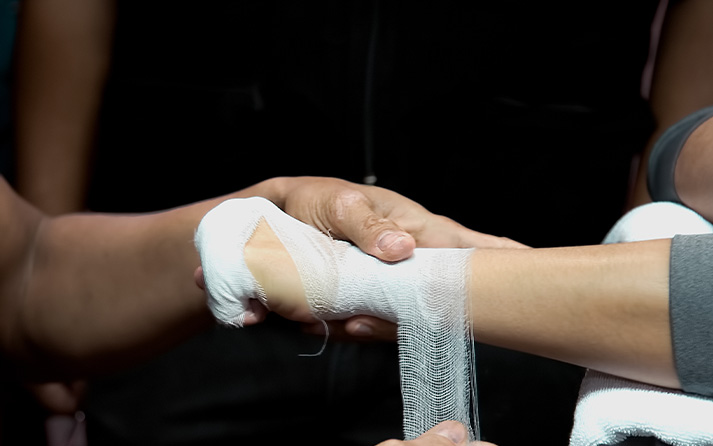
Wrestlers need proper hand-wrapping education before training sessions and competition to prevent bone fractures and sprains. Selecting gloves according to your hand dimensions and specific training routines is an essential aspect of preventing injuries in MMA.
The outlined procedures enable fighters to prepare their intelligent and injury-free training routines.
Immediate Treatment and Management of MMA Injuries
First-Aid Practices for MMA Injuries are mentioned below:
R.I.C.E (Rest, Ice, Compression, Elevation) Method
Treating sprains and swelling requires the implementation of the R.I.C.E protocol as the main therapeutic approach. Healing requires rest of the affected area along with cold applications for pain management and swollen tissue reduction through compressive bandages and positioning the injury higher than heart level.
Immediate Concussion Management
A prompt response is essential for MMA head injuries when you experience concussions. Any suspicious concussion symptoms, including dizziness, nausea, and confusion, need instant action to stop activities.
When to Seek Professional Medical Assistance
You should get an immediate doctor assessment when any of these three conditions arise: severe injury, movement inability, or non-resolution of symptoms. Seeking medical assistance during MMA injury recovery remains essential as part of proper treatment.
MMA Injury Recovery and Rehabilitation Tips
Following appropriate recovery protocols after injuries can help fighters heal more quickly and shorten their training resumption periods. Listening to your physical signals for medical assistance is vital in MMA injury rehab.

Effective Recovery Methods for MMA Fighters
Physical Therapy and Rehabilitation Exercises
Physical therapy stands as a definitive factor that guides rehabilitation of MMA injuries following any medical incident. A competent therapist implements targeted medical exercises that strengthen and improve mobility of injured areas. The rehabilitation exercises adapt to different injuries, including knees as well as shoulders and heads so fighters can slowly restore their complete functionality.
Gradual Return to Training
The essential step in your recovery requires you to start training again gradually, following a trauma. Thrusting oneself quickly into intense physical activity might result in another injury to the affected body part. Professional athletes should develop staged recovery plans to return to training after suffering an MMA injury. Operate through light exercises first, then move towards more intense exercises while your body heals. Pay attention to your physical symptoms because these determine the limits of your training activity.
Nutrition and Supplementation to Support Recovery
The recovery process heavily depends on nutrients. Protein consumption combined with non-inflammation-inducing fruits and vegetables and adequate water helps the body restore itself during recovery. Supplements exist that may help recovery through fish oil for joints and collagen for tissue restoration. Following nutritional advice from MMA recovery guidance allows athletes to achieve better results in their recovery process.
Mental Strategies for Managing Recovery Periods
The recovery process consists of two main aspects: physical and mental elements. The experience of keeping away from training rings during extended periods becomes incredibly annoying for athletes. An athlete’s recovery motivation remains strong because mental approaches involving staying positive, focusing on other training areas, and practicing patience keep fighters determined throughout recovery.
Training Through MMA Injuries Safely
Here are a few guidelines for training safely while recovering from MMA Injuries
Adjusting Training Intensity
The reduction of workout intensity remains crucial while training through MMA injuries because it protects the healing area of the body. Participate in exercises that have a low impact to get proper healing time but maintain different fitness levels.
Alternative Workouts and Cross-Training Options
Using cross-training methods provides athletes with an effective fitness option which does not affect their recovering injury site. Light cardio exercises together with swimming and cycling form suitable workout options which spare the injured body areas from potential damage. The exercises support fitness preservation and simultaneously shield fighters against MMA injuries.
Importance of Professional Guidance
It is necessary to acquire expert guidance before attempting recovery of an injury. Your recovery process will benefit from a training plan built specifically for your needs which a coach or physical therapist will develop to ensure your healing success. The correct implementation of recovery procedures alongside prevention of further injuries makes this technique a fundamental aspect in MMA recovery tips.
Related Article: Best Practices for Boxing Injury Recovery: Tips to Heal Faster & Prevent Future Injuries
Conclusion
Injury prevention and recovery are essential for MMA athletes to ensure long-term success and well-being. Key strategies include proper warm-ups, using protective gear, strength training, and focusing on flexibility. It’s essential to recognize the signs of common MMA injuries early and seek medical help when needed. During recovery, a gradual return to training, physical therapy, and proper nutrition play significant roles. Safe training practices and proactive injury management help prevent setbacks and ensure athletes can continue competing at their best. By prioritizing these strategies, fighters can protect themselves from injuries and recover more effectively.