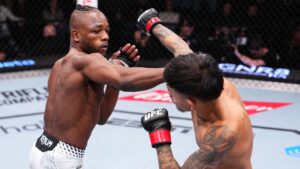




This is what makes MMA so wild – you never really know what’s coming next.
MMA fighting styles bring together a mix of tough techniques from every corner of the globe—boxing, wrestling, BJJ, Muay Thai, and a lot more. It’s not just about being great at one style. The real magic happens when fighters blend everything into one sharp, unpredictable force.
This guide dives deep into the core MMA fighting styles and how they shape a fighter’s entire game plan. Whether you’ve been a fan for years, just getting curious, or grinding it out at the gym, understanding these styles gives you a whole new appreciation. You’ll start to see the real art behind every strike, takedown, and submission. So buckle up. Let’s dive into the chaos and beauty of MMA.
The Evolution of MMA Fighting Styles
Back in the early days of MMA, things were simple. It was the classic showdown—striker vs grappler, raw and intense. Remember those early, no-rules UFC days? One of the most iconic clashes ever?. Man, Royce Gracie vs Ken Shamrock — people still bring it up like it happened yesterday. That fight was wild. Gracie came in calm, real smooth, just flowing with that Brazilian Jiu-Jitsu like it was second nature. He moved like water, like nothing was forced. You blinked, and boom, he was already one step ahead.
On the other side, Shamrock came in with raw power, using gritty wrestling and heavy strikes. This wasn’t just about winning—it was a gritty showdown of MMA fighting styles, heart, and pure pride. It wasn’t just about winning—it felt like they were testing which MMA fighting style truly ruled the cage—it was a test. Everyone wanted to know: Which style is the real deal?
Those early clashes didn’t just entertain; they built the foundation for what Mixed Martial Arts would become. Fast forward to today, and the game has changed—big time. Fighters now train in multiple disciplines.
You can’t survive in the octagon with just one skill anymore. Sure, some still lean heavy into striking or grappling, but most blend both to stay one step ahead. That’s the heart of MMA fighter evolution.
The old “striker vs grappler” theme still pops up—but now, it’s layered. Fighters adapt. They evolve. And that’s what makes modern MMA unpredictable and ridiculously fun to watch.
Related Article : Discover the Four Boxing Styles: Which One Matches Your Fighting Style?
Stand-Up / Striking-Based Styles in MMA

Let’s start where the fight often begins—standing up. Strikers use punches, kicks, elbows, and knees to control the fight.
Boxing
Boxing is a foundation for many. It’s all about movement. Feet, head, angles — all of it. You slip, step, and place your shots right where they count. No wild swings. Just clean punches, sharp counters. That’s what wins rounds. And fights too, honestly. Cardio is key—fighters must keep sharp and fast throughout.
Conor McGregor’s style is a perfect example. His slick counters and crisp punches made him a star. His Conor McGregor fighting style shows how boxing skills can dominate MMA striking.
Kickboxing
Next is kickboxing in MMA. Imagine boxing with deadly kicks added in. Kickboxing moves quick. Like, blink and it’s gone kinda quick. Combos come fast, one after another, no time to settle. It just keeps coming. That’s what makes it dangerous. Fighters use it to stay in charge, push the pace, and land shots that change everything before the other guy even reacts. It’s a dynamic style and absolutely essential in today’s MMA styles.
Muay Thai
Muay Thai also known as the “Art of Eight Limbs” is another giant. It uses punches, elbows, knees and kicks. Fighters control the clinch and deliver brutal close-range strikes. Muay Thai’s clinch work is brutal. A must-have for UFC stand-up. Deadly and technical – help many fighters win inside the cage.
Sanda
Finally, there’s Sanda (or Sanshou/Wushu). This Chinese martial art is a combination of punches – kicks – throws. It’s underrated but effective for controlling pace and angles. Fighters like Cung Le popularized it. For anyone looking for a unique striking edge, Sanda in MMA is a strong pick.
Grappling-Based Styles in MMA

Now to the ground game—where control and submissions rule.
Brazilian Jiu-Jitsu (BJJ)
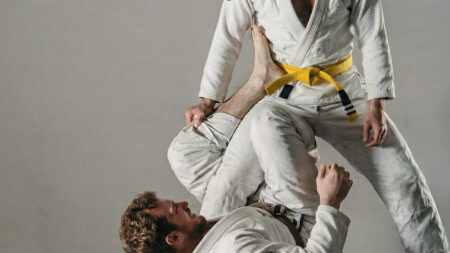
Brazilian Jiu-Jitsu (BJJ) implies mastering the ground game. Zeroes in on tight ground control and smart submission fighting. Moves like sweeps, guards, chokes, and joint locks to take charge of the fight.
The coolest part? Even from the bottom, a sharp BJJ fighter can flip the script. That’s the wild part. You think they’re stuck, but suddenly they hit one of those slick MMA sweeps, and boom — they’re on top. One clean takedown, a little control, and the whole fight can swing their way. It’s not just defense, not at all. This stuff’s pure offense too.
Wrestling
Wrestling is another dominant grappling style. Wrestlers shine once it comes to takedowns and keeping control on top – making them a serious threat with their ground and pound style. Fighters like Khabib Nurmagomedov have shown how unstoppable relentless wrestling can be in dominating and controlling a fight.
His style? – It’s perfect blend of strong grappling and constant pressure wearing opponents down. Wrestling helps set the pace while keeping opponents under control.
Judo
Judo is less common but very effective. It focuses on throws, trips, and leverage-based takedowns. After throwing an opponent, judokas often transition into submissions or dominant ground positions. Ronda Rousey famously used Judo to finish fights with armbars after throws. It’s a sneaky but powerful style in MMA.
Related Article : Top-Rated RDX MMA & Boxing Protective Gear Every Fighter Needs
Hybrid and Unique MMA Styles
Today’s MMA isn’t about choosing between striking or grappling—it’s about blending both into one smooth, dangerous package. Fighters don’t stick to just one martial art anymore. They take what works best for their body type, mindset, and fight IQ.
Your physical build plays a huge role in shaping your fighting style. Got long arms and legs? You’ll likely lean toward kickboxing in MMA to keep opponents at bay. More compact and powerful? Some fighters just click better with grappling. For some, it’s Wrestling, for others it’s Brazilian Jiu-Jitsu (BJJ) — both give you control once the fight hits the mat. You feel the pace slow down, start thinking two steps ahead. That’s where the real chess match begins, and the right style makes it feel almost natural.
What started as separate styles—pure strikers or grapplers—has now morphed into something bigger: the full MMA system. Fighters train to strike, wrestle, defend, and submit. No gaps allowed. That’s the reason why today’s MMA is a high-speed chess of Punches – knees – takedowns – slick submissions. You never know what’s coming next. This is what keeps fans on the edge of their seats.
Style Matchups: What Happens When Worlds Collide?
The classic debate in MMA fighting styles still rages on—striker vs grappler. So, who wins? Honestly, it depends on the night, the fighter, and the game plan.
Strikers want to keep things standing. They look for clean hits, big knockouts, and slick movement. Grapplers aim to close the gap, drag things to the ground, and dominate with control and submissions.
McGregor vs Khabib
Take McGregor vs Khabib for example. McGregor brought pinpoint striking. Khabib came in with that nonstop pressure, never letting up. His wrestling was next level, just smothered everything. But this fight wasn’t only about fists or takedowns — it felt bigger. Like two worlds crashing. Two styles, both trying to break the other first.
Izzy Adesanya vs Derek Brunson
Take Izzy Adesanya vs Derek Brunson for example. You could really see the clash in styles. Adesanya stayed light, used footwork, kept it sharp from the outside. Brunson? He just kept shooting, trying to wrestle, trying to close that space. Fights like that show how styles don’t just look different — they totally change the rhythm of a fight.
Understanding these contrasts makes MMA way more fun to watch. Every fight becomes a puzzle. And you’re watching two fighters try to solve it in real time.
How Fighters Choose Their Style?
Most MMA fighters don’t start off as complete fighters—they usually come from one base. It might be wrestling, Brazilian Jiu-Jitsu (BJJ), or striking like boxing or kickboxing. That base gives them early confidence in the cage and shapes how they fight at first.
But once fighters turn pro, it’s not just about where they started. It’s the room they train in, the people they grind with. Places like American Top Team or AKA — they’ve got their own energy, their own way of doing things. Over time, fighters start picking that up. It shifts how they strike, how they move, even how they think in there.
Some evolve even further. They might switch styles completely mid-career. A striker could learn strong takedown defense. A grappler could sharpen their boxing. It’s all about staying unpredictable and competitive.
This constant adaptation is what makes the sport special. It’s not just about strength—it’s about growth. That’s what fuels the MMA fighter evolution and keeps every generation sharper than the last.
So to speak, MMA isn’t just one style thrown in the cage. It’s a full-on mix of styles, clashing, testing, breaking each other. Striking, grappling, pressure — it all plays out like a fight symphony. A real symphony of combat, where every jab, every shoot, every scramble adds to the story. It’s raw, it’s smart, and it takes everything to win.
Next time you’re watching UFC, try looking a little closer. You’ll catch pieces of everything — sharp boxing footwork, nasty Muay Thai elbows, big wrestling slams, or sneaky BJJ submissions slipping in. Once you spot them, you won’t unsee them. The whole fight starts to feel different, way deeper than just fists flying. Cool, right?
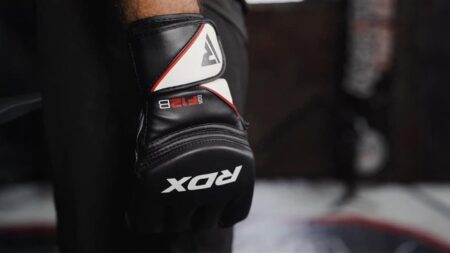
Whether you’re a striker, grappler, or hybrid warrior, the right gear matters. Here is the game changer – time for RDX equipment to step in. Built to handle every kick, punch, and takedown. Stay protected, sharp and train like a pro with gear made for real fighters. Let’s go!