


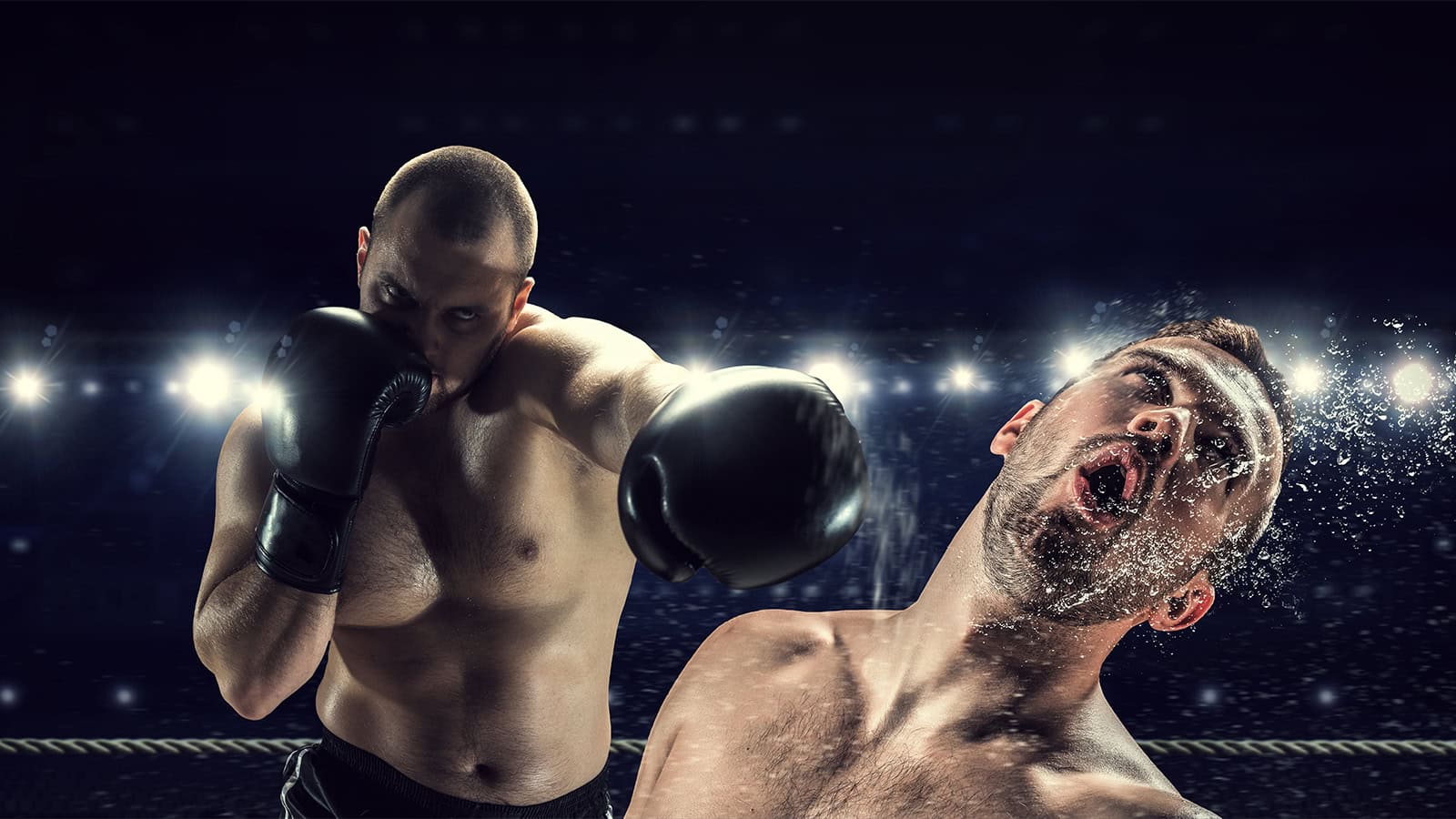
A knockout in MMA or UFC is wild to watch. The crowd gasps. The commentators lose their minds. It is one strike and boom! The fight is over. But for the fighter on the wrong end of that punch or kick? It’s not just a highlight reel moment. Their body just went through something violent.
So what really happens when fighters get knocked out? In this piece, we’ll pull back the curtain. We’ll look at the brain, the body, the recovery, the risks. Why fighters sometimes go stiff. Why do some of them twitch or shake? How long are they out? We’ll see if a knockout can kill you.
The Science of a Knockout: What Happens to the Brain?
In simple terms, a knockout is when your brain is rattled so hard that it shuts down.
When a clean strike lands, punch, elbow, head kick, whatever – it whips the head around. The brain doesn’t move as fast as the skull. It hits hard against the walls of the skull. More like Jell-O smacking the side of a container but only it is not fun. It is pretty devastating actually. That sudden force messes with the brain’s communication system.
That’s why fighters drop. Their body literally disconnects for a moment. The brainstem, the part that controls basic awareness, goes offline. It feels like a complete lights out. Sometimes it’s a few seconds. Sometimes longer. However long it is, it’s just very scary with serious repercussions.
The concerning part about knockouts are concussions. That means memory loss, slowed thinking, and grogginess. Fighters may not even remember the strike that ended it. One knockout might heal. It won’t be a big problem until you start getting it over and over again. The damage ruins slowly but permanently.
The risk stacks up. Fighters who take repeated shots face long-term issues: memory loss, speech trouble, and mood swings. Worst case, conditions like CTE: Chronic Traumatic Encephalopathy. That’s irreversible.
So, what happens to your brain during a knockout is both simple and terrifying. It shuts down to protect itself. But that protection stops working when knockouts happen too many times. The brain loses the ability to protect itself against major blows and damage becomes a reality.
What Happens to Fighters After a Knockout?
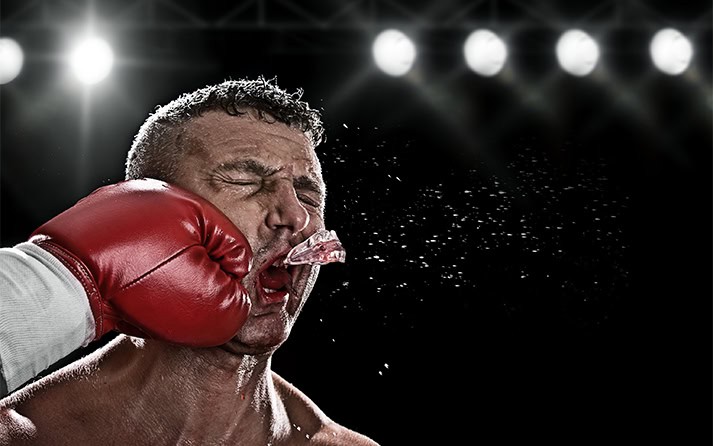
Here’s what fans don’t always see.
First – unconsciousness. Some fighters are out cold. Others blink back after a few seconds. No one really knows how long until it happens. It’s different every time.
When do they wake? It’s total confusion. Many don’t even realize the fight’s over. You’ll see them grab the referee, arguing to continue. Or they’ll look around like they just woke up in the wrong room.
How long do fighters stay unconscious after a knockout? It can be seconds. Or minutes. The scarier the knockout, the longer the blackout. And there are repercussions. Grogginess. Headache. Nausea. Sometimes even vomiting. Fighters talk about “feeling off” for days..
So, what happens when you wake up from a knockout? You don’t come back feeling normal. You come back foggy, dizzy, sometimes even scared. Fighters need proper medical care afterwards.
Why Do Fighters Go Stiff or Shake After a Knockout?
This one always freaks people out. A fighter gets clipped and instead of collapsing, they freeze up. Body rigid. Arms locked. Almost statue-like. It’s called postural tone. When the brain is disrupted, the signals that keep muscles relaxed don’t get through. Instead of softening, the muscles tighten. That’s why fighters sometimes fall looking like they’ve been frozen mid-motion.
And then there’s the shaking. Little twitches. Jerky movements. Sometimes their legs kick. That’s the nervous system glitching as the brain tries to reset. Not usually a seizure though it looks like one. It’s brutal to see. But it’s not showboating. Not drama. It’s biology. The nervous system is fighting to get back online.
So the next time someone asks, “Why do fighters go stiff when knocked out or why do fighters shake after a knockout?” you’ve got the answer. Their bodies are just caught in a short circuit.
Can a Knockout Kill You in UFC?
Hard question. But it deserves an honest answer.
Yes, a knockout can be fatal. Not common. Not likely in the UFC. But possible.
The knockout itself usually isn’t the killer. It’s what can happen after. Brain swelling and bleeding inside the skull can cause death. Severe concussion too. Those are the real threats.
Now, the UFC knows this. That’s why cageside doctors and medics are always ready. Fighters who get KO’d aren’t just left to walk it off. They’re tested immediately. Sometimes rushed to the hospital. And often suspended from fighting for weeks or even months.
Still, combat sports will always carry danger. You can’t erase that. You can only reduce it. So to the fan question, can being knocked out kill you in the UFC? Yes, but the protocols in place are designed to keep that nightmare from becoming reality.
How Knockouts Impact a Fighter’s Long-Term Health?
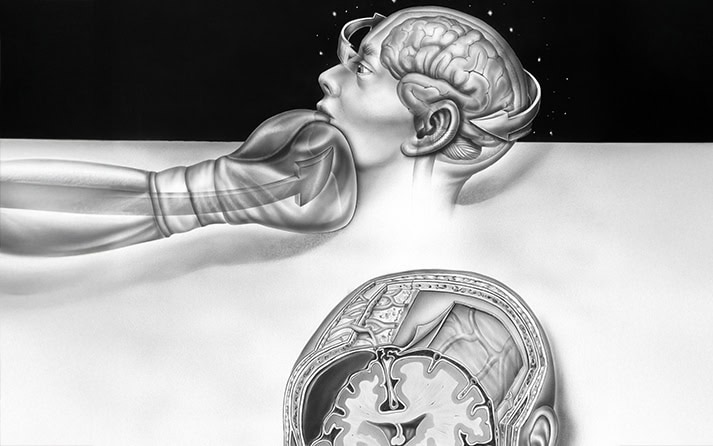
One knockout doesn’t end a career. But multiple, closely repeated can.
Every concussion leaves its mark. Over time, those marks pile up. Fighters talk about forgetting basic things. Names. Dates. Conversations. They lose reaction speed. Their mood changes. They feel off even outside the gym.
And then there’s CTE. The long shadow. Fighters with it face depression, aggression, dementia-like symptoms. Sometimes years after retirement. It doesn’t show overnight. It builds in silence.
It’s not just about health. It’s about quality of life. Imagine being 45, retired, but unable to hold a clear conversation. Or struggling with emotions you can’t control. That’s the human cost behind the highlight reels.
The MMA community is getting better. Smarter training. More medical checks. Tighter suspension rules. Still knockout brain damage risks in MMA are real. You don’t erase them. You manage them. That’s the trade fighters live with. There is glory but risk-laden uncertainty too.
The Role of Medical Staff: Monitoring Fighters After a Knockout
If you’ve ever watched closely, the scariest moment isn’t always the punch. It’s the seconds after. That stillness. That silence. That’s when doctors rush in.
First, they check breathing and pulse. Then eyes – pupil reactions tell a lot. They ask simple questions fighters sometimes can’t answer: What’s your name? Where are you? Do you know what round it is? From there, decisions get made. Hospital? Immediate scans? Or just rest? Even if the fighter insists they’re fine, doctors don’t take chances. Some injuries only show up hours later.
And the aftermath doesn’t stop there. Suspensions are mandatory. Fighters sit out, no matter how much they want back in. Rest is part of survival. That’s why the medical team is more than background noise. They’re the shield between “bad knockout” and “career-ending injury.”
So, when you think about UFC knockout explained, don’t just picture the punch. Picture the team working overtime to make sure that fighter walks out of the arena safely.
FAQ’s
A UFC knockout explained looks simple – one punch, lights out. But under the surface, it’s anything but. The brain gets rattled. The body glitches. Fighters risk more than just losing a match. UFC knockout health risks and knockout brain damage risks in MMA are part of the sport. Scary ones. And while medical staff, rules, and awareness keep fighters safer than ever, the truth is simple. Every knockout comes with a cost. For fans, it’s a thrill. For fighters, it’s a gamble with their health. And that fight, the one to protect their brains, doesn’t end when the bell rings.