




In this guide, you will learn the science behind it, the real ways to train it, and where it works best. From warm-up drills to isolation lifts, the focus will be clear. By the end, you’ll know exactly how to turn your lifts into precision tools for growth.
What Is the Mind-Muscle Connection?
The idea sounds simple, but it takes real effort. The mind muscle connection means tuning your focus straight into the muscle you are working. It is about feeling it, not just moving weight around. You do not go on autopilot. You stay with the movement, all the way through.
Muscle Focus vs. Just Lifting
When you lift without thought, the body finds shortcuts. That means momentum, wrong muscles, or wasted energy. But when you dial into a curl or press, the target muscle lights up. It gets fully involved. That is real muscle activation.
What Makes It Tick
This link between thought and flex is built on neuromuscular coordination. The brain sends a clean signal, and the muscle fires back. Over time, this back-and-forth improves control and enhances muscle contraction with every rep.
Mind-Muscle Connection vs Just Moving Weight
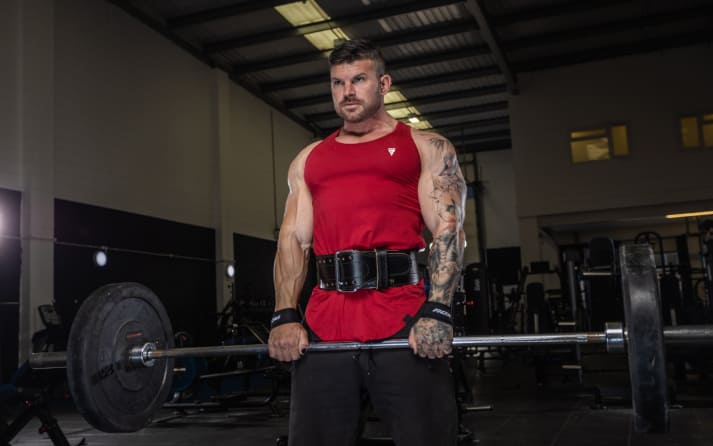
Most lifters just chase reps. They focus on how much they can move instead of how well they move it. This works to a point, but it does not build quality muscle. What makes the difference is intention.
Reps Without Purpose
If you push weight without thinking, muscles lag. The lift turns sloppy. Even worse, other muscle groups start jumping in. That means less growth where you want it. And that defeats the whole point.
Why Focus Wins
An internal vs external focus shifts everything. Thinking about the squeeze instead of the weight sharpens control. It slows things down. You get more out of less. That is what makes resistance training focus a key part of real gains.
Related Article: 5 Guidelines For Weight Management and Muscle Building
The Science: How Mind-Muscle Connection Affects Growth
If you need cold, hard proof that the mind muscle connection works, science backs it. EMG studies show that when lifters actively focus on the working muscle, activation spikes occur. It’s most obvious in places like the chest, glutes, and biceps. Over time, that increase in signal leads to more efficient growth and sharper movement patterns.
Better Signals, Better Gains
When you zone in on a muscle, something powerful happens—more motor units fire off. That means stronger signals go from your brain to the body, which leads to better muscle activation. Your technique also tightens up because you’re not just pushing weight. You’re working with purpose, which keeps joints safer and gains cleaner.
Quality Beats Quantity
You do not always need to lift more or add extra sets to make progress. What matters more is how tightly you contract each rep. With stronger muscle contraction, each repetition delivers more mechanical tension. This makes your hypertrophy training far more efficient. Less fluff, more stimulus—that’s the winning formula.
The Real Benefit
What makes the mind muscle connection benefits stand out is how it turns even light to moderate loads into serious work. You feel every inch, every second. That means lower fatigue across the board while still triggering growth. The result? Smarter lifting, better recovery, and more sustainable gains over time.
When and Where It Matters Most?
You don’t need laser-sharp focus for every single rep of every lift. But certain exercises demand it more than others. The real magic of mind muscle connection is knowing where to dial it in hard—and where to pull back. That awareness separates average lifters from the ones who grow like weeds.
Isolation Exercises Are Key
When you are doing curls, lateral raises, or leg extensions, nothing beats focused intent. These are classic isolation exercises, and they exist to zero in on one muscle at a time. You should be feeling that muscle from the very first inch of movement to the last. If not, you are just going through the motions.
Compounds Need Balance
With squats, rows, and bench presses, your body is moving as a unit. That makes it tougher to stay glued to just one area. Here, a combo of internal vs external focus works best. You want to be aware of key muscles, but also tuned in to the full pattern. That’s how real bodybuilding techniques work with heavier compound lifts.
Choose Focus Based on the Goal
Trying to carve detail into your physique? Go full internal. Want strength and performance? Lean external. Smart lifters know when to shift between the two. The more you practice this, the better your resistance training focus gets. It is not just about effort—it is about aiming that effort the right way.
Related Article: 5 Muscle Building Exercises Using Pull Up Bar
Practical Techniques to Improve Mass Muscle Connection
Like anything in the gym, the mind muscle connection is a skill. You don’t just wake up with it dialed in. It takes consistent effort, attention to detail, and a few smart tweaks to how you move. Once you begin making these changes, that muscle awareness skyrockets—and so do your results.
Control the Speed
The first change you need is to slow everything down. That means a steady lifting tempo from start to finish with no rushing through the rep. You want to feel the stretch, the squeeze, and everything in between. Pause at the top of each rep and hold tight—that extra second brings real feedback.
Use Clear Cues
Words matter when it comes to lifting with intention. Saying things like “stretch and squeeze” or “drive through the heel” gives your brain something to lock onto. These training cues for muscle growth help direct tension to the right place. You are not just moving weight—you are controlling your body like a machine.
Go Light, Feel More
This might surprise you, but light weight can give you heavy gains when used right. Backing off the load lets your brain actually feel the rep without fighting to just survive it. Throw in a mirror for visual feedback. Touch the working muscle between sets. These are legit weightlifting tips that wake up that mind-body link.
Role of Time Under Tension and Control
You can’t talk about muscle awareness without talking about control. The more you focus on slowing down, the more your muscles stay under tension. This simple change does not just improve feel; rather, it multiplies gains. And it all connects to a key variable that too many lifters still overlook.
Stretch It Out
Longer reps equal longer muscle work. That’s the whole game. Stretching the eccentric, holding the mid-range, and locking the top forces muscles to stay under pressure. That pressure, called time under tension, builds fatigue without needing a ton of weight. It is safer, smarter, and it works.
Move With Intent
Weight is just one part of the formula. How you move that weight makes or breaks your gains. When you control every rep, when you think through every inch, your body starts building in a smarter way. That’s what hypertrophy training is really about. It is the base of building muscle effectively, not just lifting heavy stuff.
Sample Exercises Where Mind Muscle Connection Is Critical

Some lifts might seem basic, but that is where they fool you. These movements are easy to rush or zone out on, but doing so kills your results. To really benefit, your focus needs to be sharp and locked into the muscle you are trying to work. These are the kinds of moves where the mind muscle connection benefits are most obvious when done right.
Upper Body Isolation Must-Haves
Let’s start with arms and shoulders. Biceps curls are all about that squeeze at the top—don’t just swing through them. Triceps pushdowns work best when you pause at the bottom and keep your elbows tight. Lateral raises demand slow control and no trap takeover. These are the go-to isolation exercises that reward focus and punish sloppy reps.
Chest and Core Moves That Reward Focus
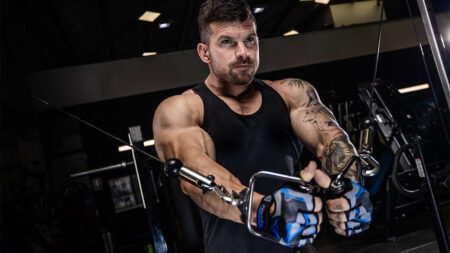
Chest flies should feel like a stretch and a squeeze, not a fling. Keep tension constant throughout the range. Cable crossovers demand the same attention at the peak contraction point.
When working abs, slow cable crunches can light them up if you really curl down and feel each inch. With these, it’s not weight that matters—it’s control.
Leg Day Isolation That Demands Control
Your quads love leg extensions when you actually focus on lifting with intention. Stop bouncing and start squeezing. Hamstring curls hit better when you pin your hips and flex with control.
Calf raises? Pause at the top, feel that burn, then lower slowly. These lower-body isolation exercises depend on MMC more than load, and skipping that focus means skipping results.
Common Mistakes That Kill Mind Muscle Connection
Many lifters start with the right idea, but lose it fast. Distractions creep in, habits get lazy, and the mind muscle connection disappears. The sad part is, they’re still putting in effort. But that effort goes to waste when key focus cues are missed. The fix? Spot the mistakes early, and break them hard.
Avoid the Ego Lifting Trap
Loading the bar too heavy does one thing—it pulls focus off the muscle. When you are straining just to survive the lift, there is no chance of tight muscle activation. You start bouncing through reps, your form breaks down, and progress stalls. Real control means using a weight that lets you feel—not just move.
Stop Rushing the Work
Fast reps feel productive, but they rob you of everything good about MMC. No control. No tension. No benefit. Rushing reps removes that intentional muscle contraction you need for growth. Slowing down your tempo forces you to stay with the rep longer, which builds a smarter connection and better muscle response.
Don’t Skip the Warm-Up
Skipping activation drills or warm-up sets leaves the target muscle asleep. You start cold and wonder why nothing feels right. Warm-ups help with muscle activation, but they also tune your brain to the right pattern. Even five minutes of focused prep work can make your entire workout hit harder and feel sharper.
Integrating MMC Into Your Routine
You don’t need a brand-new program just to use MMC. It fits into whatever style of training you already follow. What matters most is when and where you apply it. Making a few smart tweaks to your week is all it takes to change how your entire body responds.
Start With the Warm-Up Sets
Use those first few sets of any exercise to dial in your focus. This is the perfect chance to lock into technique before loading heavy. Think of them as reps for the brain, not just the body. These light sets are where you build early resistance training focus and reinforce good patterns.
Focus in Accessory Sessions
The best time to practice MMC? During your smaller lifts. Add 1 or 2 MMC-based workouts a week that center around feel and control. During those sessions, think less about PRs and more about quality. This is where real bodybuilding techniques take hold and reshape how your muscles grow and recover.
Blend Focus in Compounds
On big lifts, you do not want to overthink and lose the groove. Still, some attention to your prime movers goes a long way. Split your awareness between the movement and the key muscle. That is how you apply training cues for muscle growth without losing flow. Balance is the secret to long-term gains.
Conclusion
The mind muscle connection isn’t some gimmick. It’s a feel thing. A focus thing. And when you get it right, it changes the whole lift. You’re not just moving weight anymore. You’re owning every inch of the rep.
You still need structure. Good habits. Hard work. But when you train with focus, with real intent, things start clicking. You build smarter. You stay in control. And yeah, that is how you start building muscle effectively that actually lasts.
So next time, stop rushing. Feel it. Lock in. Let the muscle talk back. That is how lifters grow, not just bigger—but better.