



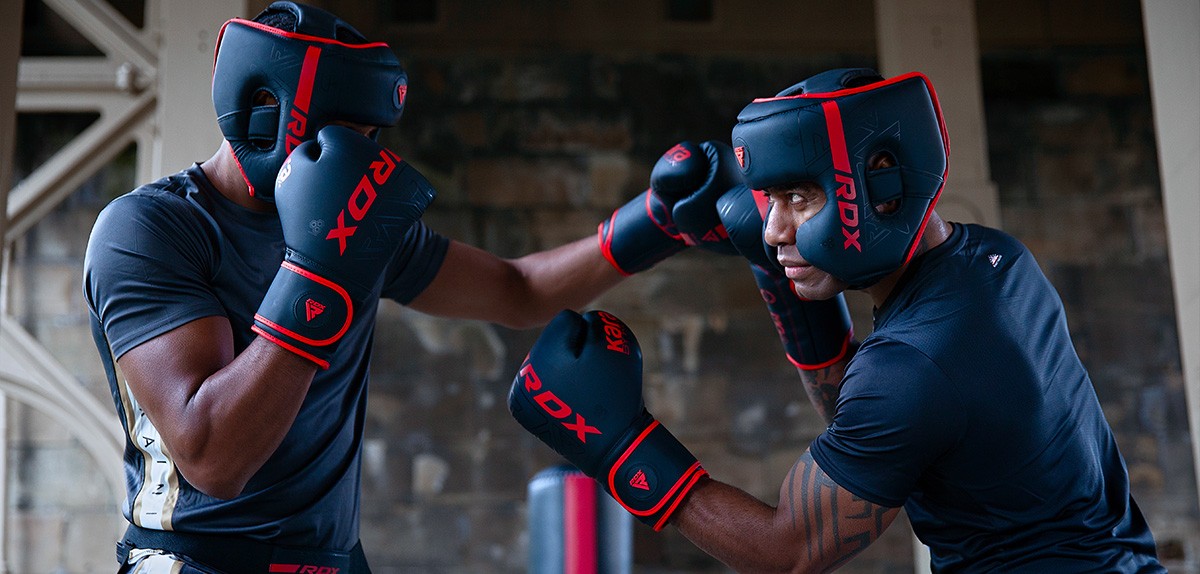
Real punching comes with lots of practice. You have to use proper punching techniques. These techniques not only deliver perfect delivery, but they give your punches more power too. Your punches will be faster, stronger and safer.
Want to punch harder and with better aim? We are going to teach some awesome things about punching better. Read below to learn how to master the art of throwing a great punch:
Basic Boxing Moves
If you’re just starting with boxing, learning the basics is the key to building strong skills. A proper punch is all about balance, form, and focus. Let’s take it step by step so you can learn how to throw a punch like a pro in no time!
1. Proper Punching Form
Your stance is where it all begins. Keep your feet shoulder-width apart with one foot slightly forward. Bend your knees a little and stay light on your toes. This helps you stay balanced and ready to move. Your hands should stay up, protecting your face. A strong stance means a strong punch.
2. Correct Fist Position
Making a fist might seem easy, but doing it wrong can hurt your hand. Curl your fingers tightly into your palm and place your thumb over them (not under!). Keep your wrist straight when you punch. This helps avoid injuries and makes your punch more powerful.
3. Foot Positioning
Your feet give your punches power. Keep your weight balanced between both feet. When you punch, twist your hips and pivot your back foot. This motion adds strength to your strike while keeping you steady.
4. Punching with Speed and Control
It’s not about throwing the fastest punch—it’s about hitting the target with control. Start slow and focus on your movement. Practice punching in front of a mirror to check your form. Over time, your speed will naturally improve.
5. Improving Punch Accuracy
Hitting the right spot matters. Focus on target zones like the chin, nose or body. Practice drills with a punching bag or a target pad. The more you train, the better your aim gets.
Boxing takes time and practice, so don’t rush. Start with these basics, and soon your punches will be faster, stronger and right on target!
Related Article: How to Learn Boxing punches at home without punching bag
How to Master the Perfect Jab
Jab is the very basic punch yet it’s really important. It builds a way for advanced combos. Here’s how to throw a proper punch or jab:
How to jab perfectly
- Start in your boxing stance: feet shoulder-width apart, hands up, and chin tucked.
- Push off your back foot while stepping slightly forward with your lead foot.
- Extend your lead arm straight out, aiming for the target. Keep your elbow in and rotate your hand so your knuckles face forward.
- Snap the punch back quickly to your guard position, ready for your next move.
Power Punch Tips
To make your jab more effective, focus on speed and timing. Basic as it is, A quick one can really take your adversary off guard and they may even lose their balance.
Mastering the jab takes practice, but it’s worth it. With a solid jab, you’ll control the fight and land punches that really count!
Throwing a Cross Punch with Power
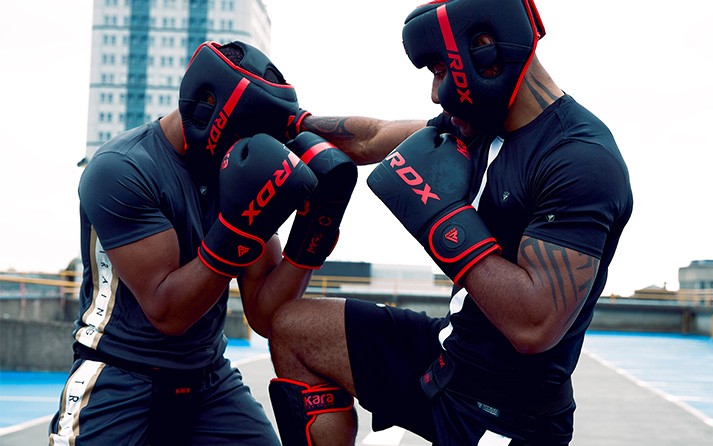
The cross punch is your straight power punch—the one that can deliver serious impact when done right. It’s usually thrown right after a jab, making it the perfect follow-up to keep your opponent on the defensive. Let’s get into how to throw it like a champ.
How to Throw a Cross Punch
Start in your boxing stance, with your hands up and your feet firmly planted. After throwing your jab, twist your hips and shoulders while extending your rear arm straight toward the target. As you punch, pivot your back foot to drive more force into the movement. Keep your wrist straight and your punch controlled, then snap your hand back to your guard position.
Power Comes from the Core
A strong cross isn’t just about arm strength—it’s about using your whole body. Your core and lower body work together to create power. Focus on twisting your torso and driving through your back leg to pack more force into your punch. The better your rotation, the harder your cross will hit.
The One-Two Combo
Start with a sharp jab to open up your opponent’s guard, then follow with a powerful cross. The quick one-two motion keeps your opponent guessing and gives you an edge in the ring.
With practice, your cross punch can become one of your strongest weapons. Keep working on it, and watch your power grow!
Mastering Hooks in Boxing
Learning punches is incomplete if you haven’t been able to master the hook. It’s awesome and it can totally dismantle your adversary. But, when you know the technique, it’s not all that difficult to achieve:
How to Throw a Hook Punch
- Start in your boxing stance. Your hands should be raised and your knees need to be slightly bent.
- For a left hook, turn your lead foot inward while twisting your torso. Swing your lead arm in a tight arc, keeping your elbow bent at 90 degrees.
- For a right hook, turn your rear foot and rotate your hips and shoulders. Follow the same arc motion with your rear arm.
- Always bring your hands back to the guard position after throwing the punch.
Why Hooks Are Essential
Hooks are perfect for attacking and countering. A head hook can slip past an opponent’s guard, while a body hook can weaken their core and slow them down. Mastering the hook makes you more unpredictable in the ring.
Foot Positioning for Power
Your power comes from the ground up. Pivoting your feet and rotating your hips are crucial for generating force. At the same time, keep your balance centred to avoid overcommitting and leaving yourself open.
Tips for Landing Hooks
Hooks are most effective at close range. Aim for the side of the chin, the temple, or the ribs. Keep your punches tight and controlled—wild swings waste energy and are easier to dodge. Practice with a heavy bag to refine your accuracy and power.
With practice, your hooks can become sharp, powerful, and a real threat in any match. Keep at it, and make every hook count!
How to Throw an Uppercut?
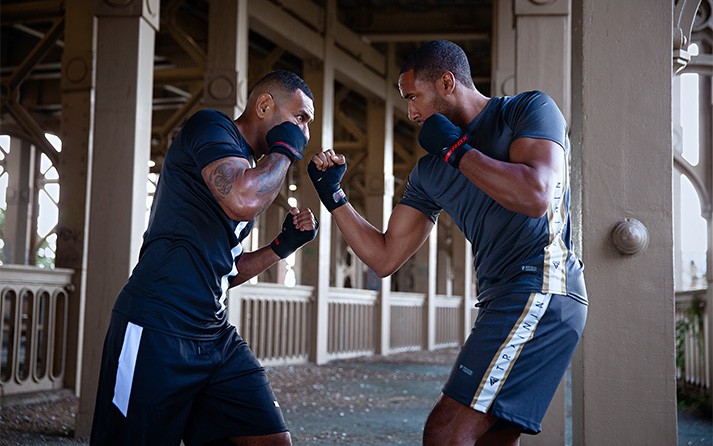
The uppercut is one of the most powerful punches in boxing. It’s perfect for breaking through your opponent’s guard and landing a solid hit. Let’s go step by step to learn how to throw it right.
How to Throw an Uppercut
Start in your boxing stance with your hands up and knees slightly bent. To throw a right uppercut, drop your rear hand slightly while keeping your elbow bent. Push up with your legs as you drive your fist upward in an arc toward the target. Rotate your hips and shoulders as you punch to add power. For a left uppercut, follow the same motion with your lead hand.
When to Use an Uppercut
It is best to use it when you are in a close-range fight. This will really surprise your opponent. Go for their chin if you want max out on this one:
Generating Power
Power comes from your legs and core. Bend your knees and push upward as you throw the punch. The rotation of your hips and shoulders adds even more force. Remember, it’s not just about the arms—your whole body should work together.
Related Article- Mastering Your Boxing Skills: The Importance of Using Boxing Gloves & Pads
Advanced Techniques
Having learned the basics, it’s time to level up your punching game. To throw punches that are stronger, faster, and even capable of knockouts, you need the right mix of power, speed and precision.
How to throw a Punch Hard
A powerful punch starts with your body. Use your legs to drive force upward, rotate your hips, and snap your arm forward. Keep your punch tight and controlled—flailing wastes energy. The more your body works as a unit, the harder your punch will land.
How to Throw a Strong Punch
Body mechanics are key. Start from your feet, push off the ground, and rotate your torso. Engage your core muscles to add even more strength. A strong punch isn’t just about arm strength—it’s about turning your whole body into a weapon.
How to Throw a Knockout Punch
A knockout punch is about more than power. You need precision and timing. Aim for vulnerable spots like the chin or temple. Wait for the right moment, and strike when your opponent’s guard is down. A well-timed punch to the right spot can end a fight in seconds.
Punching Technique with Speed and Control
Speed and control go hand in hand. Practice drills like shadowboxing or hitting a speed bag to improve your reaction time. Start slow, focus on accuracy, and gradually pick up the pace. Controlled punches are faster and hit harder because they don’t waste energy.
Generating Power in Punches
Your core, hips, and momentum are your secret weapons. Rotate your body with every punch and use your legs to drive power upward. Momentum adds force, but balance is crucial—stay grounded so you don’t lose control.
Common Mistakes and How to Fix Them
As we said in the beginning, perfect punching is relentless practice. You need to keep going with practice and in time, with trial and error, you’ll be perfect. But there are some common mistakes that most of us make and they can be avoided too. No need to waste time on these:
Overextending Punches and Losing Balance
One common mistake is overextending your punches, trying to hit too hard or too far. This can throw off your balance and make you vulnerable. To fix this, focus on keeping your punches controlled and snapping them back quickly. Always maintain your stance, keeping your feet under you and your knees slightly bent to stay balanced.
Incorrect Fist Position Leading to Injuries
One of the biggest misconceptions we have is that our punches are all about muscle power and strength. Actually, a great punch is a joint effort of your wrists, hands and your entire body. When punching, make sure your wrist is aligned right because they can get badly injured if they aren’t.
Your wrists should be straight and your knuckles have to face forward. This is the safe angle and posture for your hands while you are raining down punches.
Not Using Proper Protection Gear
Being vulnerable is not being strong; it is being negligent. When you are training, trying to get better and better at boxing, you need to make sure that your body is not getting hurt unnecessarily.
Pain and injuries keep you out of the ring. They also feed fear into your brain. So keep your boxing gloves, and protection gear on so that you can keep going without hurting or fearing pain.
Not Using the Hips and Legs to Generate Power
Another common mistake is not using your legs and hips to generate power. If you’re only using your arms, your punches won’t have much force. To fix this, focus on pushing off with your legs and rotating your hips with every punch. This adds a lot of power to your strikes and helps you punch harder without tiring out.
Take it slow and focus on your form. You can start your practice with shadowboxing. Do it in front of a mirror. Keep doing it until you have fixed the basic mistakes.
Conclusion
When you are trying to master different punches, like jab, cross, and hook, you have to practice tirelessly. You need to build stamina, know the techniques to do these actions right, and do it repeatedly so your muscle memory is built around these moves. This takes time but it really paves the way for progress.
For faster progress, seek proper training and feedback from a coach or use video tutorials to refine your skills. What punching challenges are you facing? Share your thoughts in the comments! If you’re serious about improving, join a boxing class or try some video tutorials for extra tips. Keep practising!