



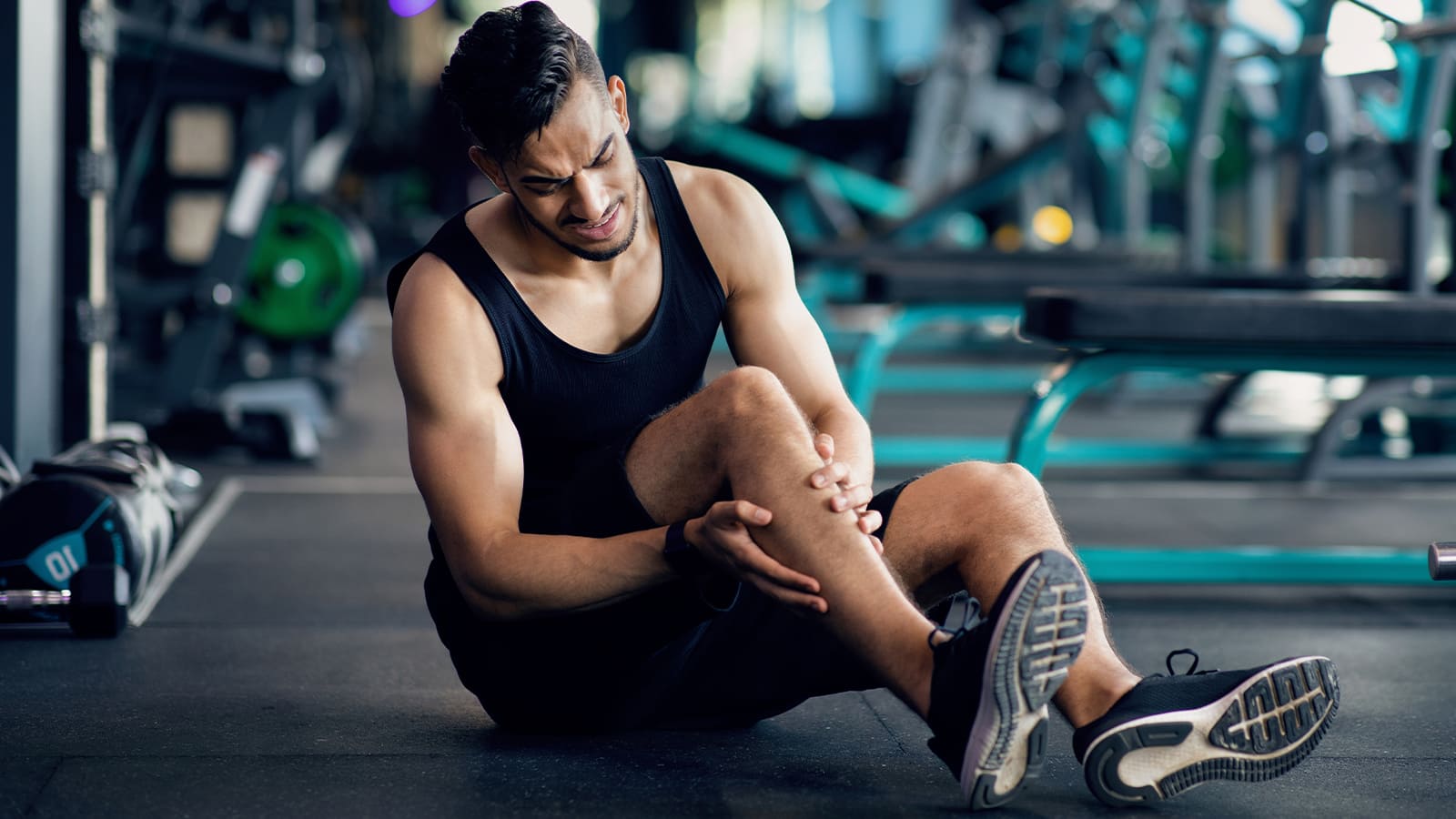
Thinking of brushing off knee pain? Big mistake! What starts as a small ache can turn into a serious problem fast. Knowing the causes of knee pain in boxing helps you catch trouble early. So, let’s roar into the ring and see why treating knee issues quick is a total game changer.
Understanding Knee Anatomy
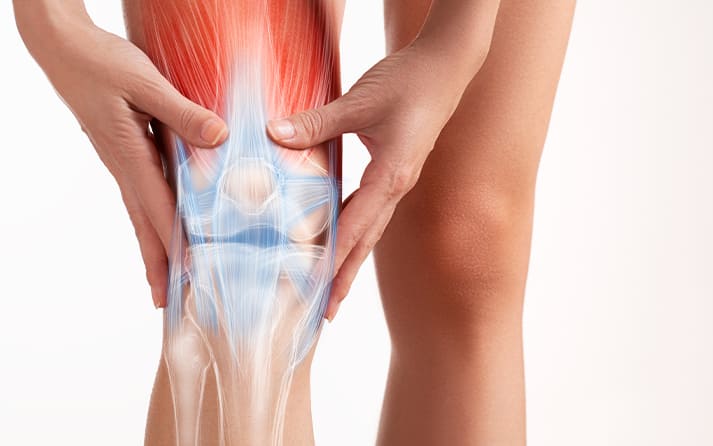
Let’s talk knees, the real MVP behind your moves. The knee joint structure is built tough, made of bones, ligaments, tendons, and cartilage. All these parts team up to keep you moving. The knee ligaments are like ropes holding it all tight. When you box, your knees take a pounding. Knowing how the knee works helps you get why it sometimes yells for help.
Key Structures
- Ligaments: Think of ligaments as strong bands connecting bones. Your knee has four main ones – ACL, PCL, MCL, and LCL. They keep your knee steady when you twist or turn fast. Tear one? That’s game over for a bit.
- Tendons: Tendons link muscles to bones. When muscles flex, tendons pull your bones and move the knee. If your tendons are weak, you’ll feel it — pain and injuries lurking.
- Cartilage: Cartilage’s job? Stop bones from rubbing together. It’s like padding in your knee. When it wears out, expect stiffness and pain — a real pain in the back… or front!
Functionality During Boxing Movements
Boxing is all about speed and power. Your knees jump, twist, and flex nonstop. Every punch and dodge makes your knees work hard. This constant motion can stress the knee joint structure. If ligaments, tendons, or cartilage get hurt, you’re staring at boxer knee pain.
Know your knee. Protect it. Strong knees mean you stay in the ring longer — no quitting early!
Common Causes of Knee Pain in Boxers
Knee trouble in boxing isn’t random. It usually comes from a mix of causes. Understanding these can save you from long breaks and painful setbacks. From wear and tear to sudden hits, knee pain causes in boxing can be many. Let’s roar into the most common reasons behind boxing injuries and how they hit the knees hard.
Overuse Injuries
Training hard is part of the game. But too much, too often? That’s a recipe for disaster. Overuse knee injury happens when repetitive moves strain your knees nonstop. Without proper breaks, chronic knee pain creeps in. Those endless hours of footwork and jumping turn into a repetitive strain injury that just won’t quit.
Traumatic Injuries
Sometimes, it’s not the grind but a sudden hit. A quick twist or a bad fall during sparring can cause a traumatic knee injury. These boxing fall injuries pack a punch—damaging ligaments or bruising bones. The knee takes the full brunt, leaving you with serious pain and recovery time. Impact injury knee is no joke in the ring!
Biomechanical Issues
Not all pain comes from hits or overtraining. Sometimes, the culprit is how you move. Improper footwork knee pain is real. Poor technique puts uneven stress on the knee, leading to strain and damage. Muscle imbalances and bad form increase knee pressure—classic boxing technique injury problems. Fixing your movement can fix your knees too!
Related Articles: Injury in Boxing: Causes, Prevention & Recovery Tips Every Fighter Should Know
Identifying Knee Pain by Location

Do you know where your knee pain is coming from? Spotting the exact spot helps a ton. A clear knee pain location chart can save you days, even weeks of confusion. Let’s dive into the common types of knee pain and what each one means for you in the ring.
1. Anterior (Front) Knee Pain
- Patellofemoral pain syndrome: This one’s a pain right around the kneecap. It’s like your knee’s got a grudge against all that bending and jumping you do. Boxers get it a lot because of all the quick moves.
- Quadriceps tendonitis: When the tendon connecting your thigh muscles to the knee gets irritated from too much training. Then, BAM! That sharp front of knee pain shows up and won’t let you forget it.
2. Medial (Inner) Knee Pain
- Medial collateral ligament (MCL) injuries: The MCL keeps your knee stable on the inside. Twist wrong or land awkwardly, and it can stretch or tear. You’ll feel it deep in your inner knee pain, with swelling and tenderness that won’t quit.
- Meniscus tears: That little cushion inside your knee? That’s the meniscus. Twist too hard and it tears, causing sharp pain and swelling right in the middle. It’s a classic for any boxer dealing with medial knee pain.
3. Lateral (Outer) Knee Pain
- Iliotibial band syndrome (IT band syndrome): This band runs along the outside of your thigh and knee. Too much footwork or bad technique can irritate it, causing that nagging outer knee pain that’s tough to shake off.
- Lateral meniscus injuries: Just like inside, the outer meniscus can get hurt with impact or twist. It leads to painful lateral knee pain from boxing and makes moving a chore.
4. Posterior (Back) Knee Pain
- Hamstring tendonitis: Overworking your hamstrings can cause this nasty irritation right behind your knee. It’s the sneaky source of pain behind knee you might not expect after intense training sessions.
- Baker’s cyst: Ever feel a swelling behind your knee? That’s a Baker’s cyst, a fluid buildup that causes back of knee pain and stiffness. Boxers dealing with posterior knee pain boxing should watch out for this one!


RDX K1 CE Certified Knee Support Padded Sleeve for Muay Thai & MMA OEKO-TEX® Standard 100 certified


RDX American Flag K1 Elasticated Knee Compression Bandage Wraps Oeko-Tex® Standard 100 Certified
Prevention Strategies
Keeping your knees safe is a must if you wanna stay in the game. Knee pain can take you out fast if you ignore it. That’s why knowing the causes of knee pain is so important. Smart training and good habits help prevent injuries. Follow boxer injury prevention tips to keep your knees strong.
Don’t wait for pain to hit hard—act early. Protect those knees, and you’ll stay sharp in the ring!
Proper Warm-Up and Cool-Down
- Do dynamic stretching before training to wake up those knees.
- Follow up with static stretching after training to help muscles relax.
- A good warm-up for knee protection and a solid cool-down routine can stop injuries early.
Strength Training
- Work on your quadriceps, hamstrings, and glutes—they’re key for knee support.
- Add balance and stability moves to your workout.
- These are the knee strengthening exercises and best exercises for knee stability you need.
- Don’t forget glute activation for knee support—it’s a game changer!
Technique Optimization
- Keep your form tight during every move.
- Regular coaching helps you spot mistakes and fix them quick.
- This is how you nail the correct boxing form and boxing technique to prevent injury.
- Improving your stance can seriously lower your risk.
Equipment Considerations
- Use boxing shoes for knee support that fit well and grip the floor.
- Check your gear and gym flooring to avoid slips and falls.
- Good training gear injury prevention is often ignored but super important. For example, RDX knee supports stabilize knees during intense exercises and protect your joints from over-extension or dislocation injuries.
Related article : Enhanced Sweating and Injury Prevention with Sauna Suits
Recovery and Rehabilitation
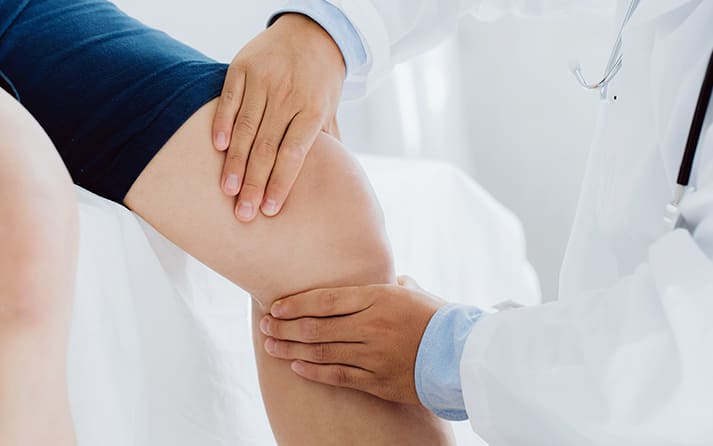
Knee injury? Stay calm! How you respond fast makes all the difference.
1. Immediate Response to Injury
- Use the RICE method knee pain—Rest, Ice, Compression, Elevation. Simple but effective.
- Avoid anything that makes your knee hurt more. Early initial injury care cuts down swelling and pain.
2. Physical Therapy
- Your rehab should fit you. Custom exercises help heal better.
- Manual therapy eases tight spots. It’s key for knee pain rehabilitation and physiotherapy boxing injury.
3. Gradual Return to Training
- Don’t rush. Watch pain when training.
- Increase workouts slowly with a progressive training recovery plan. Keep it safe!
- A smart return to boxing after injury means following a knee-safe training plan.
4. When to Seek Medical Attention
- Pain that won’t quit? Time to see a doc.
- Swelling, wobbliness, or no weight on the leg? Don’t wait.
- Infection signs? Serious stuff. Know when to see a doctor for knee pain.
- For severe issues, get medical help for knee injuries fast.
Conclusion
Knee pain can really slow down a boxer’s game. Knowing the causes of knee pain helps you stay ahead. Prevention is key—smart training, good warm-ups, and proper gear are your best friends.
These boxer injury prevention tips protect your knees long-term. If you get hurt, act fast with recovery and rehab. Don’t brush off pain—listen to your body and get professional help when needed. This summary of knee pain solutions shows that balance is everything: train hard, but train smart.
Your knees carry you through every punch and dodge—treat them right! When in doubt, see a pro. Your strongest fights come when you’re fully ready.
Read More
- The Benefits of Wrist Supports for Injury-Free Weightlifting
- Best Stretches for Boxers to Stay Injury-Free: A Complete Guide to Mobility & Flexibility
- Top Stretches for Boxers: Boost Flexibility, Prevent Injuries and Improve Performance
- How to Build Strength with RDX Sports Weightlifting Gear: Essential Equipment for Maximum Gains