




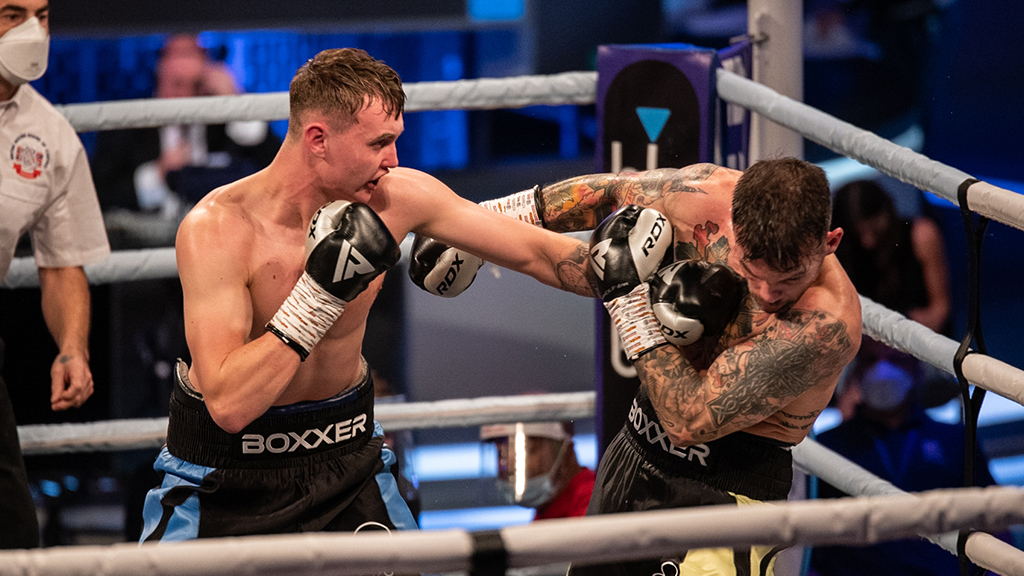
Now, the big question on your mind might be: Which one’s right for me? That’s exactly what this guide is here to answer. We’ll break down the difference between boxing and kickboxing, explore the pros and cons, and cover all those questions that beginners (just like you) usually ask.
So, before you throw your first punch or kick, let’s explore what each sport has to offer. Strength gains? Fitness? Learning some pretty solid self-defense skills? We’re there to help you decide what path is right for you. Are you ready?
Understanding Boxing and Kickboxing
What is Boxing?
Boxing is a combat sport that focuses only on punches. Think of jabs, crosses, hooks, and uppercuts. That’s your core toolkit. It’s a battle of the hands, backed by sharp footwork and quick reflexes.

Boxing has a rich history—it goes way back to ancient Greece, and the modern version took shape in England in the 18th century. Today, it’s a global sport with massive events and legendary fighters.
Rules are pretty simple: two fighters in a ring, using only their fists to score points or go for a knockout. Footwork, defense (like slipping and blocking), and timing matter just as much as throwing punches.
Related Article: Best Boxing Equipment For Beginners!
What is Kickboxing?
Kickboxing is like the upgraded open-plan version—it gives you more space (literally) and more tools. You get to use punches, kicks, knees, and sometimes elbows, depending on the style.
Kickboxing developed in Japan in the 1960s and blends elements from karate, Muay Thai, and traditional boxing. It’s fast, dynamic, and great for full-body conditioning.
You’ll train in techniques like roundhouse kicks, front kicks, knee strikes, and punch combos. The rules vary slightly based on style (e.g., American Kickboxing vs. Muay Thai).
What Do They Have in Common?
Both are striking-based combat sports. Both are intense, skill-based, and great for fitness. And both help you build coordination, confidence, and strength.
Important Distinctions Between Kickboxing and Boxing
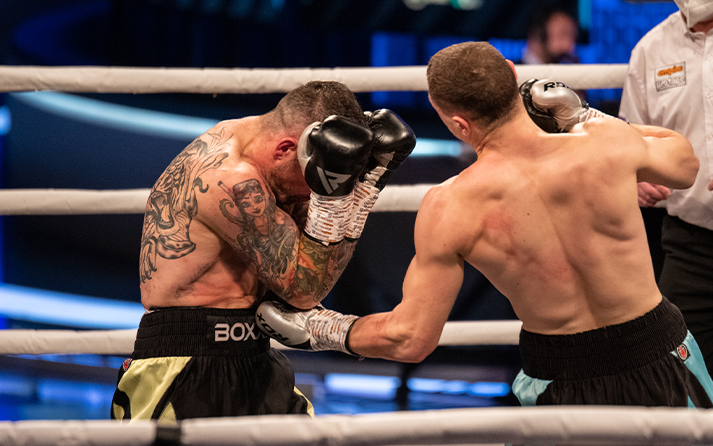
Effective striking methods
Let’s discuss the implementation.
Boxing emphasizes only the fists: jab, cross, hook, uppercut. It’s in your hands speed, timing, and power. Conversely, kickboxing is a sport that uses a whole toolkit. You use punches, kicks, knees, and even elbows. That means more to learn but also more avenues to strike. Because of the variety of strikes, kickboxing requires more angles and motions, you’ll have to fast change to low kicks or a quick knee jab.Styles of Defense
In boxing, defense consists of head motion, blocks, slips, and rolls. Fighters develop to read punches and respond in seconds. Kickboxing gives yet another layer. You are defending not only strikes but also high kicks, leg kicks, and knees. That implies lots of planned movement, more checking kicks, and more leg blocking.
Footwork
Boxing is crisp and quick. It’s about quick changes, sidesteps, and short-range motion. You are always moving, but close enough to land punches. More leg mobility and broader stances define kickboxing. Your strides are usually wider and more reactive because you have to avoid kicks.
Fighting Range
In boxing, you engage at arm’s length close, fast exchanges. Kicks in kickboxing help to broaden the range. Using legs to create space and control distance, you will usually battle from farther away.
Bottom line?
Boxing Vs kickboxing is more about rhythm, range, and movement style than just blows. Like comparing a city townhouse to a spacious ranch-style property, wonderful but with different designs.
What is better: kickboxing or boxing?
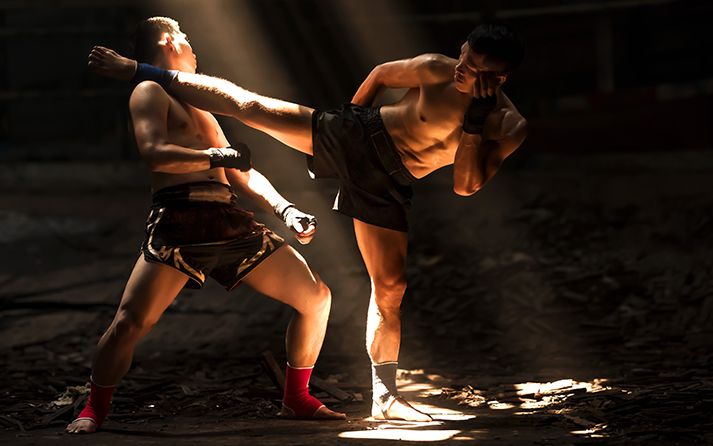
Benefits of Kickboxing
Kickboxing offers you diversity. Since you can strike with hands, legs, and knees, this is excellent for fitness and self-defense. The combination of motions also helps to increase general body coordination, balance, and flexibility. Training sessions constitute complete-body exercises. You will squat, kick, and move like a dancer (with gloves on); you won’t only throw punches.
Boxing Benefits
Boxing emphasizes only raw hand technique. That suggests you become quite perfect in your punches. Imagine better reflexes, quicker hooks, and stronger jabs. Boxing refines defensive techniques and footwork as well. This is your lane if you wish to move like Muhammad Ali or Mayweather. The intensity develops mental toughness, grit, and stamina.
Which is Better?
Really, it relies on your goals. Looking for a full-body workout with self-defense possibilities? Kickboxing could be more suited to you. Looking to improve your hand speed and strength as you get in shape? Boxing might be your match. It’s not about which one is better overall. It’s about which one suits you better.
Kickboxing vs Boxing Workout – Which is Better for Fitness?

Kickboxing Exercise
These exercises are like steroids for high-intensity interval training (HIIT). You work every inch of your body: legs, arms, core, and heart. Kicking and kneeling help increase lower body strength and flexibility. Punches help to tone your upper body. Constant movement helps to quickly burn calories and improve cardiovascular health. Like never before, you will acquire core control, coordination, and balance.
Boxing Exercise
Training in boxing emphasizes explosive power and fast reactions. Consider much of of footwork drills, shadowboxing, heavy bag practice, and speed bag workouts. You will develop upper body strength, hand speed, and endurance. It is a rigorous cardiovascular exercise that tightens your core and shoulders while also strengthening your heart.
What’s better for fitness?
If you want general conditioning, kickboxing is perfect since it provides a more diverse, whole-body workout. If you want to be lean and strong, boxing is perfect since it emphasizes more upper-body strength and agility. Once, kickboxing versus boxing workout? Select your target. Whole-body power or upper-body accuracy.
Related Article: Kickboxing for Beginners: Simple Workouts to Get You Started
Boxing vs Kickboxing Pros and Cons
Pros of Kickboxing
- Versatile striking: Use hands, legs, knees, and more.
- Dynamic training: Engages the full body—great for fitness and fun.
- Self-defense: Offers more options to protect yourself in real life.
Cons of Kickboxing
- Steeper learning curve: More techniques = more to remember.
- Injury risk: Kicks and knees can strain joints and muscles.
- More gear needed: Shin guards, wraps, gloves—it adds up.
Pros of Boxing
- Easier to start: Fewer techniques mean quicker progress.
- Focus on hand power: You’ll become a punching pro.
- Lower body strain: Fewer kicks = fewer leg injuries.
Cons of Boxing
- Limited striking: No kicks or knees—less variety.
- Upper-body focused: Legs and flexibility training are minimal.
In short, boxing vs kickboxing pros and cons come down to simplicity vs versatility.
Still curious about how boxing and kickboxing really stack up? You might also want to check out this helpful comparison: What is the difference between boxing & kickboxing? Pros & Cons. It breaks down the styles, benefits, and challenges in a clear way!
Why Do People Say Boxing is Better Than Kickboxing?
Boxing’s Historical Legacy
Boxing is much older and has long been available. From the Roman Empire to contemporary Olympic rings, it has a strong past. More individuals know boxing stars than kickboxing ones. Professional leagues, worldwide recognition, and a cultural legacy abound in boxing.
Concentrate on Punching Power
Boxing helps you learn to throw a precise and powerful punch. It’s all in the little things, where you position your feet, how you rotate your hips. Many contend that boxing creates sharper, more powerful strikers than kickboxing when it comes to hands.
Perceived Simplicity
Fewer methods make boxing seem simpler to understand and begin. Just concentrate on hands and movement; there is no need to be concerned about high kicks or knee placement. People claim boxing is superior to kickboxing for what reason? It is more well-known, simpler to learn, and quickly develops good hand skills.
Which is Harder: Kickboxing or Boxing?
Elements Influencing Difficulty
Because kickboxing includes more striking methods, including hands, feet, knees, and even elbows, many people find it more difficult to master. It requires a lot of learning, excellent coordination, and fast decision-making. Additionally, the whole-body movement makes kickboxing sessions more strenuous and physically demanding.
Still, don’t assume boxing is simple just because it uses fewer strikes. Boxing calls for intense mental concentration, great footwork, ideal timing, and strong stamina. It’s a game of inches; one incorrect move leaves you wide open. It’s so technical because of the simplicity.
Personal Perspectives and Goals
Which kickboxing or boxing would be tougher?
It really relies on you. Kickboxing could stretch your limits more if you enjoy variety and quick-paced movement. Boxing might push you more profoundly if you are attracted to exactness, control, and developing flawless technique.
There is no universal solution here. The “harder” sport is one that pushes you toward your objectives.
Conclusion
Essentially, evaluating kickboxing vs boxing is like considering two exciting universes. One is energetic and varied; the other is crisp, concentrated, nuanced. Both provide amazing self-defense, mental, and physical advantages. If you like different motions and full-body exercises, kickboxing could be more suited for you. If you’re committed to developing endurance and fine-tuning your punches and footwork, boxing can be your match.
Your objectives carry most weight at the end of the day. Treat your body like a priceless investment; train it, fortify it, guard it. Whether you choose kickboxing or boxing, you are developing more than just ability. You are developing discipline, confidence, and physical strength that will far outlast the exercise.
What’s your next action? Step into the ring or kick it into gear?