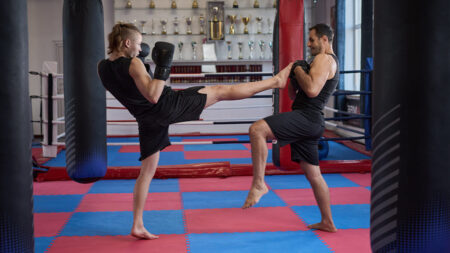




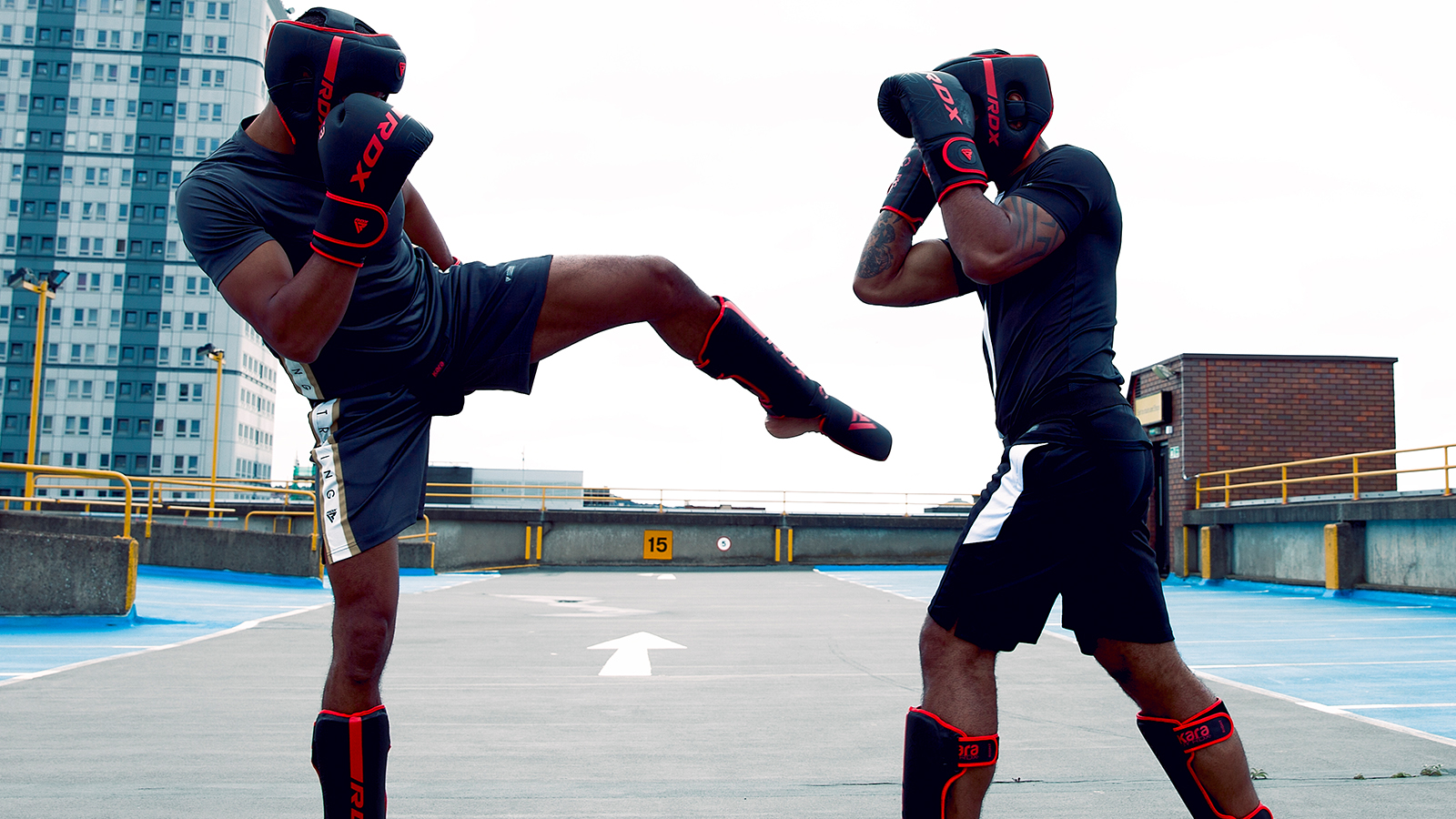
Kickboxing is perfect for everyone-–fitness experts, MMA artists, boxers–and anyone can incorporate it into their training routine. Apart from being a powerful workout for weight loss, kickboxing techniques also play an important role in managing stress.
In this blog, we will discuss essential beginner workouts and kickboxing drills for experienced and advanced fitness lovers, so make sure to read till the end. We also cover some important tips that will ease you into the kickboxing journey.
Related article: How to Perfect Your Kickboxing Stance and Techniques
Kickboxing for Weight Loss: Key Benefits

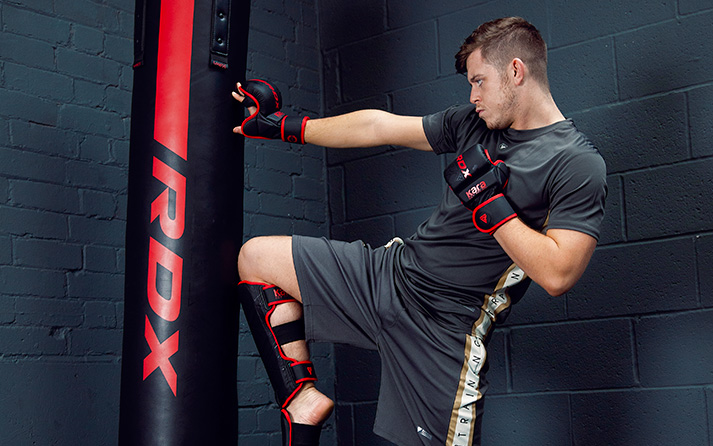
Want to shed some pounds and consider engaging in kickboxing sessions? You have made the right choice. We got some great tips to integrate kickboxing into your workout routine for weight loss benefits.
Higher Calorie Burn
Kickboxing is intense, and you burn significant calories in one session, depending on your intensity and fitness level. The variety of combinations of kicks, punches, and rapid movements engages every muscle group of the body, eventually increasing the calorie burn.
Builds Muscle Mass
Hitting a heavy bag or your sparring partner uses a major muscle group in the body, helping to increase lean muscle mass. The high-intensity nature of kickboxing and the strength it requires ensure you are losing weight and building lean muscle mass. By engaging multiple muscles through explosive movements, kickboxing activates fast-twitch muscle fibers, enabling quick muscle growth.
Better Coordination and Flexibility
A kickboxer needs to stay alert and active during a session to perform precise movements and quick reflexes. This increases flexibility and coordination, which can make workouts more effective, while also improving mindfulness in every exercise or training session.
Better Heart Health
Kickboxing also involves HIIT followed by intervals of intense bouts with shorter rest periods. Not only is this very effective for weight loss, but it also improves your heart health. The intense exercises increase blood circulation and heart rate, making it stronger and healthier.
Manages Stress
Martial arts improve mental health, help you to manage stress, and promote a better mood. The high-intensity exercises activate the aerobic and anaerobic systems, which can affect your mental health in a positive way. The kickboxing session also increases endorphins that can manage anxiety and depression.
Related article: 5 Kickboxing Conditioning Drills to Level Up
Beginner-Friendly Kickboxing Fitness Routines

Get a punching bag and start an effective kickboxing routine at your home. Start with an effective warm-up, followed by punches and kicks in the air. And make sure you end the session with a cool down to decrease your heart rate slowly. Make sure that you are wearing quality gloves to keep yourself safe from injuries. Following are effective kickboxing fitness routines for beginners.
Warm-Up
A detailed warm-up engaging all muscle groups in the body is an important component of a kickboxing routine. Many people often skip warm-ups which can expose them to serious injury risks. Here we have a 15-minute full body warm-up that will prepare you for the upcoming intense session.
Start with increasing your heart rate (2 Minutes)
- Jog – 30 seconds
- Butt Kicks – 30 seconds
- High Knees – 30 seconds
- Skaters – 30 seconds
Incorporate the upper body, and take it slow. You can take 15 second rest in between exercises: (3 minutes)
- Plank Hold – 30 seconds
- Arm Circles – 30 seconds
- Push-Ups – 30 seconds
- Triceps Kickbacks – 30 seconds
- Diamond Push-Ups – 30 seconds
- Arm Swings – 30 seconds
Next, go for core exercises to activate the deepest muscles in the abdominals (3 minutes and 15 seconds rest in between)
- Full Sit-Ups – 30 seconds
- Bird Dog (every side) – 60 seconds
- Standing Side Crunch – 30 seconds
- Bent Over Twist – 60 seconds
Then, finally, incorporate some lower-body exercises (2 minutes and 15 seconds rest in between)
- Squat – 30 seconds
- Leg Swings (each side) – 60 seconds
- Hip Circles – 30 seconds
Related article: Workout at Home. Warm Ups, Jump Ropes, Pull Up Bars, and Dip Bars.
Basic Combos
Start the session with basic combos such as.
- Jab, cross
- Jab, hook
- Jab, Cross, Left Hook, Right Hook
- Front Kicks
Since you are just starting with the kickboxing routine, try to master the above combos first and then eventually move to advanced ones like the following.
- Jab, Cross, Jab, Right Roundhouse, Left Front Kick
- Cross, Left Uppercut, Right Hook, Left Roundhouse
- Jab, Cross, Jab, Cross, Left Roundhouse, Right Roundhouse
- Jab, Cross
- Partner Drills
Core Exercises
Engaging core muscles in every kickboxing session is important. Make sure that you are breathing properly to engage the deepest muscles and build core strength. Exercises such as planks, leg lifts, dead bugs, side planks, and flutter kicks engage core muscles.
Cool Down
End the workout with a detailed cooldown, including static stretches to relieve soreness from the muscles and improve flexibility. Spend at least 10–15 minutes in cool down, and try using yoga straps if needed for deep stretches.
Related article: The Best Kickboxing Gear for Kids and Beginners
High-Intensity Kickboxing Workouts for Maximum Results
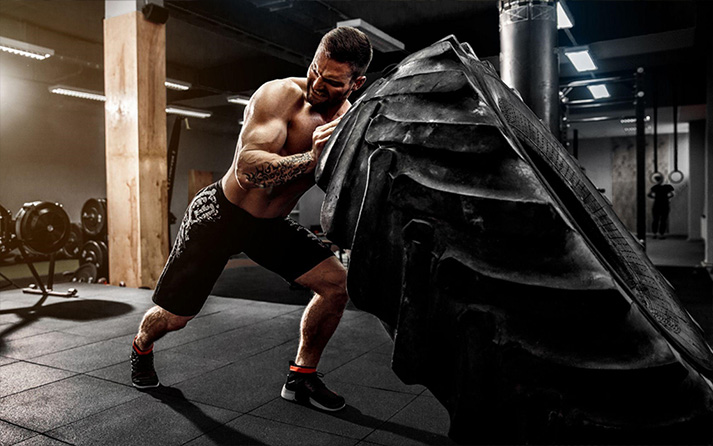
Now when you have mastered and spent enough time in doing the above kickboxing drills, move to high-intensity kickboxing workouts to increase strength and get maximum benefits. Don’t forget to do warm-up before starting these routines.
HIIT Kickboxing Routines
HIIT kickboxing routines are very intense. You need to assess your fitness levels before starting the routine. The HIIT workouts combined with kickboxing routines push your muscles to their limits. You need to maintain perfect control of your movements while challenging your body physically. The routines include kickboxing moves, repeated 8–10 times, followed by 15 reps of a bodyweight exercise. The combination has to be repeated on both sides.
1st Round
- 10 Reps – Jab + Jab + Cross (Left)
- 10 Reps – Push Ups
- 10 Reps – Jab + Jab + Cross (Right)
- 10 Reps – Push Ups
- Rest (0–60 seconds)
2nd Round
- 10 Reps – Knee + Jab + Cross + Knee (Left)
- 10 Reps – Burpees
- 10 Reps – Knee + Jab + Cross + Knee (Right)
- 10 Reps – Burpees
- Rest (0-60 seconds)
3rd Round
- 10 Reps – Upper Cut x 4 + Hook x 2 + Knee (Left)
- 10 Reps – Jack Knife Crunches
- 10 Reps – Upper Cut x 4 + Hook x 2 + Knee (Right)
- 10 Reps – Jack Knife Crunches
- Rest (0–60 seconds)
4th Round
- 10 Reps – Hook x 2 + Knee x 2 + Kick (Left)
- 10 Reps – Rotating Side Hip Raises
- 10 Reps – Hook x 2 + Knee x 2 + Kick (Right)
- 10 Reps – Rotating Side Hip Raises
- Rest (0–60 seconds)
Power Training
Power training is an important part of a kickboxing session. Focus on explosive kicks and punches to build strong power in your core and other muscles. Deliver fast, forceful kicks and punches for maximum impact.
Endurance Building
Better endurance levels maintain high performance in every workout, so working on endurance levels is important. Invest time in shadow boxing rounds and bag work to train your body for sustained energy. Start the rounds with a shorter duration and increase it gradually to build stamina.
Strength Training
For best results and to build lean muscle mass, incorporate strength training routines. Burn calories with kickboxing training and get stronger with resistance exercises.
Home-Based Kickboxing Training Tips

You can start kickboxing from the comfort of your home. Following are some home-based kickboxing exercise tips.
A Dedicated Workout Space
To make your kickboxing routine effective, get a workout space at your home. When you have a dedicated space around you, the chances of sticking to the workouts are higher.
Invest In Equipment
Investing in the right equipment is important to see results and keep yourself safe from injuries. For kickboxing punching bag is extremely important. Get a good pair of bag gloves while you’re at it. The RDX F7 Ego boxing glove is an ideal choice for kickboxing due to its superior padding and protection.
Also, make sure to invest in strength-training equipment like resistance bands and kettlebells.Focus on Bodyweight Exercises
Remember that bodyweight exercises are an important part of the kickboxing routine. Whether you incorporate HIIT or not, spend time doing exercises such as squats, lunges, push-ups, or planks to make your body stronger.
Get Guidance
As you advance in your sessions, get help either from online sources or a coach. Getting assistance means you are working on your form actively and making your sessions productive.
Stay Consistent
Staying consistent with any routine is important, and kickboxing demands it the most. It is hard and intense and takes time to master, so make sure you don’t lose your motivation.
Related article: How to Care and Maintain Your Kickboxing Gloves?
Essential Tips for Successful Kickboxing Training

Following are some tips to make your kickboxing training successful.
Set Realistic Goals
When you start the routine, always assess your fitness and intensity levels and then set goals. Setting unrealistic goals will only make your journey harder and demotivate you. Small, achievable goals, however, ensure you stay on the right track.
Focus on Form
The form of your exercises and kickboxing drills should always be correct. Not paying attention to your form can make you prone to developing serious injuries.
Stay Hydrated
Along with working on your training routines, pay attention to your nutrition and hydration. Prioritize eating protein, fats and carbs in your diet with sufficient water. Hydrating properly also helps in recovery and optimizes your performance.
Related article: The Key Importance of Proper Hydration for Your Well-being
Mix it Up
It is very common to hit plateaus in any weight loss or fitness journey and to avoid that, it is important to mix it up often. Try incorporating new combos and drills to master your technique. Doing this also gives you an edge and prevents plateaus.
Track Progress
Tracking your progress is essential to see if things are working or not. Use fitness journals and record your progress regularly. List down what combos have you mastered or how much weight are you lifting to progress.
Kick Your Way to Fitness and Weight Loss
A well-planned and designed kickboxing routine burns calories while playing an important role in improving overall health. Kickboxing workouts not only give a desired body appearance, but they also strengthen bones and tendons and boost heart health.
Incorporating exercises such as front kicks, jab-cross, and explosive punches gives maximum strength and burns fat. Dynamic stretches are essential to include in the training routine to improve flexibility and prevent soreness.
Kickboxing is for everyone—beginners, experts, fitness lovers, MMA artists, and boxers. Everyone can incorporate this training style into their routine to refine skills and improve overall fitness.
Sign up for kickboxing class, gather the right equipment, and see how your health transforms in no time.