



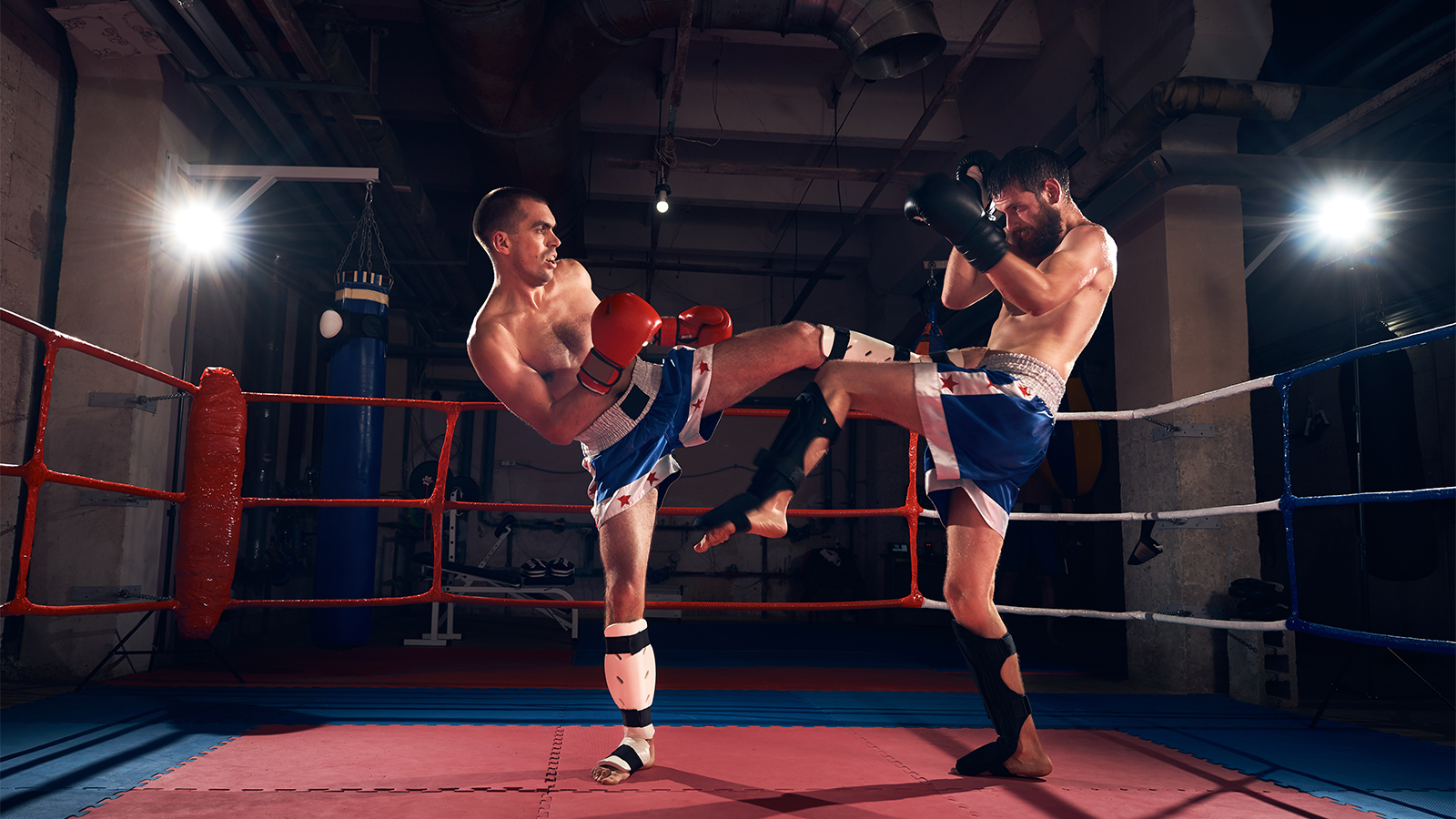
“The walk to the ring starts months before fight night.”
Good kickboxing match preparation isn’t just about looking tough—it helps you feel ready, stay safe, and actually enjoy the fight. This guide covers all the stuff you wish someone told you early: real kickboxing tips, a no-nonsense gear checklist, training ideas, and a solid pre-fight routine kickboxing fighters actually use.
Whether you’re doing kickboxing for beginners or just brushing up before stepping in, we got you.
Know the Battlefield: Rules, Rounds & Opponent
Before you even throw a punch, you gotta know what kind of fight you’re walking into.
Each one has different rules. How long are the rounds? What kickboxing gear essentials are mandatory? Knowing the rule set is step one in how to prepare for a kickboxing fight. The wrong gear or a missed rule detail can seriously throw you off, especially in your first kickboxing match.
Macro Timeline: 8 to 12 Week Kickboxing Training Roadmap
Good fights don’t come from last-minute work. Whether it’s your first kickboxing match or your fifth, real prep takes time. Most folks do best with an 8–12 week lead-up. Below’s a rough breakdown of what solid kickboxing training looks like across those weeks—plus how to balance it with school, jobs, and life.
Weeks 1–2: Lay the Foundation
Start by getting your gas tank right. You’ll need cardio drills, light bag work, and some strength training to build a conditioning base. This is where kickboxing for beginners often feels rough—but trust the process, this grind pays off.
Weeks 3–6: Build Your Skill Blocks
Now focus on sharp combos, footwork drills, and escaping the clinch. Sprinkle in some kickboxing sparring tips from your coach or teammates.
Weeks 7–9: Pressure & Sparring
Time to crank intensity. You’ll be doing situational drills, full-contact rounds, and pressure tests. Keep gear tight—your kickboxing gear essentials need to be reliable now more than ever.
Weeks 10–12: Taper & Tune
Final stretch—less volume, more focus. Clean up technique, drill your pre-fight routine kickboxing style, and visualize your first kickboxing match. Double-check your kickboxing gear essentials, and follow simple kickboxing weight cut tips if needed. You’re not building now—you’re locking it all in. Trust your kickboxing training and stay sharp mentally.
Related Article: Top Benefits of Kickboxing for Women: Fitness, Self-Defence and More
Kickboxing Gear Essentials Checklist
The last thing you want during camp? Gear that slips, breaks, or feels off mid-round. Your kickboxing gear essentials can seriously affect how you train—and how you perform on fight night.
16 oz vs. 10–12 oz Gloves
Use heavier gloves like 16 oz for sparring to protect both your hands and your training partners. Save the lighter 10–12 oz gloves for fight night only. Training heavy builds endurance; fighting light boosts speed.
Do not skip the gear. You need the basics. Shin Guards, hand wraps, a groin cup, a solid mouthguard, and headgear if things get rough. This stuff matters. It keeps you safe during drills and sparring. Proper Kickboxing Training always starts with protection.
No one wants to adjust stiff gloves or slippery pads during their first kickboxing match. Get used to the full setup so nothing feels new when the bell rings.
Drilling the Fundamentals: Technique First

Before you start picturing wild knockouts or spinning kicks, slow down. The truth is simple. Clean basics win fights. Get your technique right early.
Master the Jab-Cross-Hook-Low Kick Combo
This combo is the backbone of most kickboxing styles. It teaches you rhythm, timing, and flow—all key for landing clean shots. Spend time getting these punches and kicks sharp and seamless before chasing flashier moves.
Footwork Ladder Drills
Good footwork is not just about moving fast. It is about staying in the right spot and keeping yourself safe. Try ladder drills. They teach you how to move smooth, stay balanced, and slip away from heavy shots. The better your feet, the harder you are to hit.
Pad-Work Cadence
Short, focused bursts make skill learning easier and less tiring. Doing 90 seconds on and 30 seconds rest keeps you sharp and prevents burnout. This style of training makes your kickboxing sparring tips stick way better.
Kickboxing Sparring Tips for Beginners
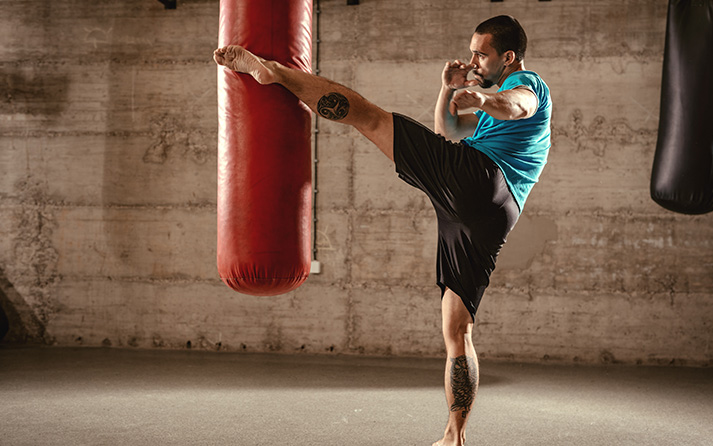
First time sparring? It feels weird. Happens to everyone. When you are new to kickboxing training, it takes time for things to click. Keep it simple. Basics only. That helps you stay safe and build trust in your moves. Try these kickboxing sparring tips so you can ease in and get better each round.
Light-to-Moderate Contact
Don’t try to go full force right away. Stick to light or moderate contact so you can really work on your timing and keeping the right distance. This way, you learn the ropes without risking injury or bad habits early on in your kickboxing sparring.
Follow the 3:1 Learning Ratio
A solid approach? Go three light rounds for every one that feels tough. That balance keeps your mind sharp and your body fresh. You learn more that way. It also helps you get the most out of kickboxing training and show up ready for your first kickboxing match without burning out.


Strength & Conditioning that Transfers
Getting ready for your first kickboxing match takes more than just hitting combos over and over. You need real strength. You need cardio that holds up when you are tired. Focus on training that builds power, lasts long, and keeps your body moving well.
Explosive Lower-Body Moves
Try stuff like trap-bar jumps or kettlebell swings. They build real pop in your legs. That power helps you kick harder and move faster when it counts. You feel the difference the moment you step in the ring. It’s all about turning raw strength into fight-ready speed.
Anaerobic Energy Training
Sprints are your best friend here. Run ten short sprints. Keep them at 100 meters. Rest fully between each one. Your body learns how to fire hard for a few seconds, then reset. Same kind of push you feel during a round. It builds stamina, but without leaving you wrecked.
Smart Nutrition & Kickboxing Weight-Cut Tips
Making weight for your first kickboxing match is not just about looking sharp. It is about being smart in the fight. A solid plan keeps your energy steady and gets you to the right number without messing up how you perform.
Carbohydrate Timing Matters
On kickboxing training days focused on pad work, you can keep carbs steady to fuel your body. But for heavier sparring days, it helps to periodize carbs—eating more to recover and perform well. Carb timing really matters.
Smart Water Loading & When to Skip Cutting
A common tactic is a five-day water-loading plan followed by a sodium taper to shed water weight safely. But cutting isn’t always the answer—if you’re too light already or it affects your strength, hold off.
Rehydrate Right on Fight Day
Right after weigh-ins, start sipping fluids. Drink around one and a half times what you lost. Add some electrolytes. Mix in easy carbs like juice or fruit. That quick refuel brings your body back and gets you ready to go when the fight starts.
Mental Game & Pre-Fight Routine (Kickboxing)
What if your mind’s not ready on fight night? So what happens? You get nervous, freeze, or make dumb mistakes. That’s why kickboxing match preparation isn’t just about your body.
Breathe Like a Champ
About 30 minutes before your fight, try box breathing. Breathe in for 4 seconds, hold for 4, breathe out for 4, then hold for 4 again. Sounds simple, right? But this slow breathing calms your nerves and clears your mind. It helps you focus when everything feels intense.
Fight-Week Logistics
Fight week is about pulling back a little while staying sharp. Do not burn yourself out. First, make sure you know exactly when and where your weigh-in takes place. Pack your ID, medical papers, and an extra pair of shorts early. No scrambling at the last minute.
Keep your training light and focused on technique now. Forget the heavy cardio sessions. Keep your heart rate under 140. That way you do not burn out before fight night. Staying fresh matters. It helps you avoid getting hurt during kickboxing training and keeps your body ready when it counts.
Stick with simple drills that keep your head in the zone but do not drain you. At night, take a few minutes to stretch easy. Keep the muscles loose. And do not skip sleep. Full eight hours. Your body needs it to bounce back and show up strong.
Fight-Day Flow
Eat something light when you wake up. Give it three or four hours before the fight. Oatmeal works. Toss in a banana. Maybe a bit of honey. Keeps you steady. You do not want to feel heavy going into your first kickboxing match.
Wrap your hands carefully, then warm up with a quick circuit—skip rope, shadowboxing, and some pads.
After the fight, don’t just crash. Grab a recovery snack and show some respect by thanking your coaches. Ice down those limbs to reduce swelling, and take a few minutes to jot down your thoughts and lessons learned. This reflection is part of smart kickboxing match preparation that helps you improve.
FAQ’s
Discipline in your kickboxing training turns those jittery nerves into pure, focused energy. Nail your kickboxing match preparation, and you’ll step into your first kickboxing match ready to crush it.