




The diet boosts metabolism which eventually aids in weight loss. It also utilizes stored fat in the body.
But like any other diet, you need solid control over your cravings and follow the plan with consistency to see results.
So, if you are ready to start the ketogenic diet for weight loss, then this blog is a must-read for you, as we explain all variations of keto and the best tips you need to follow.
Related article: Unveiling the Keto Diet: Exploring the Low-Carb Alternative for Optimal Health
Understanding the Ketogenic Diet

Limiting carbs or completely eliminating it is the approach for keto diet for weight loss. The carbs are replaced by healthy fats. Some of the common options that can be added in a keto diet are healthy fats, proteins, and non-starchy vegetables. Some keto-friendly fruits such as strawberries, and black berries with dairy products can also be added.
To be successful in a keto diet, you need to limit carb intake slowly and gradually. Your body heavily depends on carbohydrates as they are the main source of energy and work as fuel for the body. When you gradually decrease carbs from the body, your body turns into a fat burning machine. The body stores fat in the ketones in the liver, and uses it as the main energy supply for the brain and other important functions.
The use of ketones and the reduction of carbs create a metabolic state called ketosis. By following a ketogenic diet, people with diabetes can manage their blood sugar and insulin levels as carb intake is very limited.
Standard ketogenic diet and cyclical ketogenic diet are some of the common types of this diet. Reducing carb intake and increasing healthy fats with moderate protein intake is the approach for a standard ketogenic diet. The cyclical ketogenic diet includes carb cycling days where there are set days for high carb intake, followed by lower carb intake.
Related article: A Complete Guide to Low Carb Diet
How the Keto Diet Promotes Weight Loss

Ketogenic diet is not just another dieting gimmick. It has a biological process that alters the body’s metabolism and turns it into a fat burning zone. The brain daily needs a sufficient amount of glucose to carry out every function. After limiting carb intake, the body first utilizes the stored glucose and breaks it down to use energy. By consistently reducing carbs, the stored sources run out, decreasing insulin resistance, and utilizing fat as a primary fuel.
For people who are unable to lose weight despite trying every way, a ketogenic diet works best. It improves insulin sensitivity and insulin signaling pathways, aiding in weight loss, as shown by research.
The Ketogenic diet also has a strong focus on healthy fats and proteins. A diet higher in protein has an effective role in decreasing hunger, and overall calorie intake. Proteins and fats keep you full, and also support weight loss, combined with strength training by building muscle mass.
Following a keto diet with a proper exercise routine and holistic lifestyle approach can give effective results. However, it is important to note that keto diet limits your carb intake and you might experience a downside for a few days such as feeling sleepy, and lower energy levels due to low sugar intake. In such cases, it is vital to discuss your progress and condition with a coach, so that you have better guidelines.
Keto diet can give you instant results by removing bloating and excessive water in the body. Pair it with a healthy lifestyle to gain maximum benefits.
Related article: Low-Carb Diets & Fitness: Navigating Performance Impact
How to Start the Keto Diet for Weight Loss

Starting a keto diet for weight loss might seem intimidating at first, but with slow, gradual changes and planning, the process can be a lot easier. To start a keto diet, first you need to assess your health.
If you experience lower energy levels, then start by gradually decreasing the carb intake. A sudden decrease in carbs can cause damage to the body. For example, have a protein and fat based breakfast and skip carbs. Then have a little serving of carbs for lunch and snacks, and then remove them from dinner.
Before starting the diet, you need to set a macronutrient intake goal. Following we have listed a guide that is perfectly suitable for beginners:
- Carbs: 5–10% (depends on individual symptoms)
- Protein: 30–40%
- Fats: 40–50%
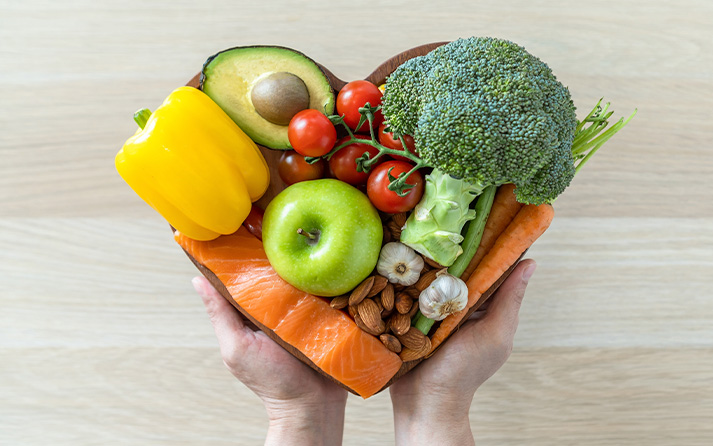
Once you know your macronutrient split for the day, the next step would be to decide the foods you are going to eat. Include healthy fats such as avocados, nuts, seeds, peanut butter, and oils in your diet. These work to improve your overall health and fulfill the caloric target effectively.
For proteins, include lean options such as eggs, meat, fish, etc. Make sure that you don’t skip fiber while following this diet. Add sufficient greens in your plate. Focus on eating non-starchy vegetables to manage your daily carb intake.
When following a keto diet, you need to ensure that you avoid certain foods at all costs such as processed food items, starchy vegetables, sugars, and grains to keep your carbs in-check.
To manage ketosis, make sure that you are hydrating yourself properly, and maintain your daily calorie target.
Benefits of the Keto Diet Beyond Weight Loss
Keto diet works for weight loss, but also has many promising benefits for health:
Improved Blood Sugar Levels
The less carbohydrate intake in a ketogenic diet manages your blood sugar levels effectively. People with diabetes or insulin resistance can also follow this diet to manage their condition. The diet focuses on increasing protein and fat intake while keeping carbs in check, all essential factors to control sugar levels in blood, hence improving overall metabolic condition.
Mental Clarity and Enhanced Focus
The ketogenic diet has a positive effect on mood. It is shown in research that people who follow a keto diet are calm, alert, and less anxious and depressed. The diet also improves cognitive function and emotional stress by clearing brain fog. A steady supply of energy to the brain in the form of ketones is the reason it positively affects the brain.
Increased Energy and Endurance
Consuming a good quantity of fats daily can provide daily sustained energy, essential to maintain peak energy levels. It is important to include healthy fats when following a ketogenic diet for weight loss for maximum energy. Many people make this mistake of including all types of fats in their diet which not only is harmful for health but also hinders weight loss.
Improved Heart Health
A diet rich in healthy fats, limited carbs and saturated fats works to increase your HDL (good cholesterol) levels in the body, which is extremely beneficial for heart health. The improved cholesterol levels in the blood decrease triglycerides and make your heart healthy.
Related article: Unlocking Keto: 6 Insider Secrets for Fitness Pros
Challenges and Risks of the Keto Diet
While a ketogenic diet is a healthy approach to lose weight and improve overall health, it still has some challenges and risks associated with it. Some of the common challenges that people see in keto diet are listed here:
Lower Energy Levels
Keto diet has an effect on your overall energy levels due to limited carb intake. But if you follow a complete plan with proper caloric intake, you will not face this problem as your body is getting all the nutrients it needs to maintain peak energy levels.
Digestive Issues
Some people also experience digestive issues in a ketogenic diet. As said earlier, you need to take it slow and make gradual consistent changes in the routine while incorporating healthy foods.
Long-Term Sustainability
Keeping your hands off from delicious carbs is hard. And that is the reason many people fail while following a ketogenic diet. Either they indulge in high carb meals due to their energy levels or unmanaged cravings or they leave the diet completely, hindering their progress.
Who Can Follow Keto Diet?
Ketogenic diet does not work for everyone even when it is labeled as a sustainable approach to lose weight. People who need a continuous supply of energy such as breastfeeding or pregnant women cannot follow this diet.
Related article: Does Low Carb Diet Badly Affect Your Fitness Routine?
Conclusion
Following a ketogenic diet is simple, but it only works if you make thoughtful, healthful food choices and stick to it. Give your body good fats as nutrition and gradually cut back on your carbohydrate intake. By using the fat that has been stored for energy, this reduces the chance of injury and increases weight reduction.
Small, steady dietary changes in the keto diet will give long-term and reliable results. If you are new to this diet, make sure you don’t sacrifice your health during the process. Regularly assess your health and fitness on this diet, and if something does not feel right skip it completely.
To achieve weight loss, you must adhere to a ketogenic diet consistently.