



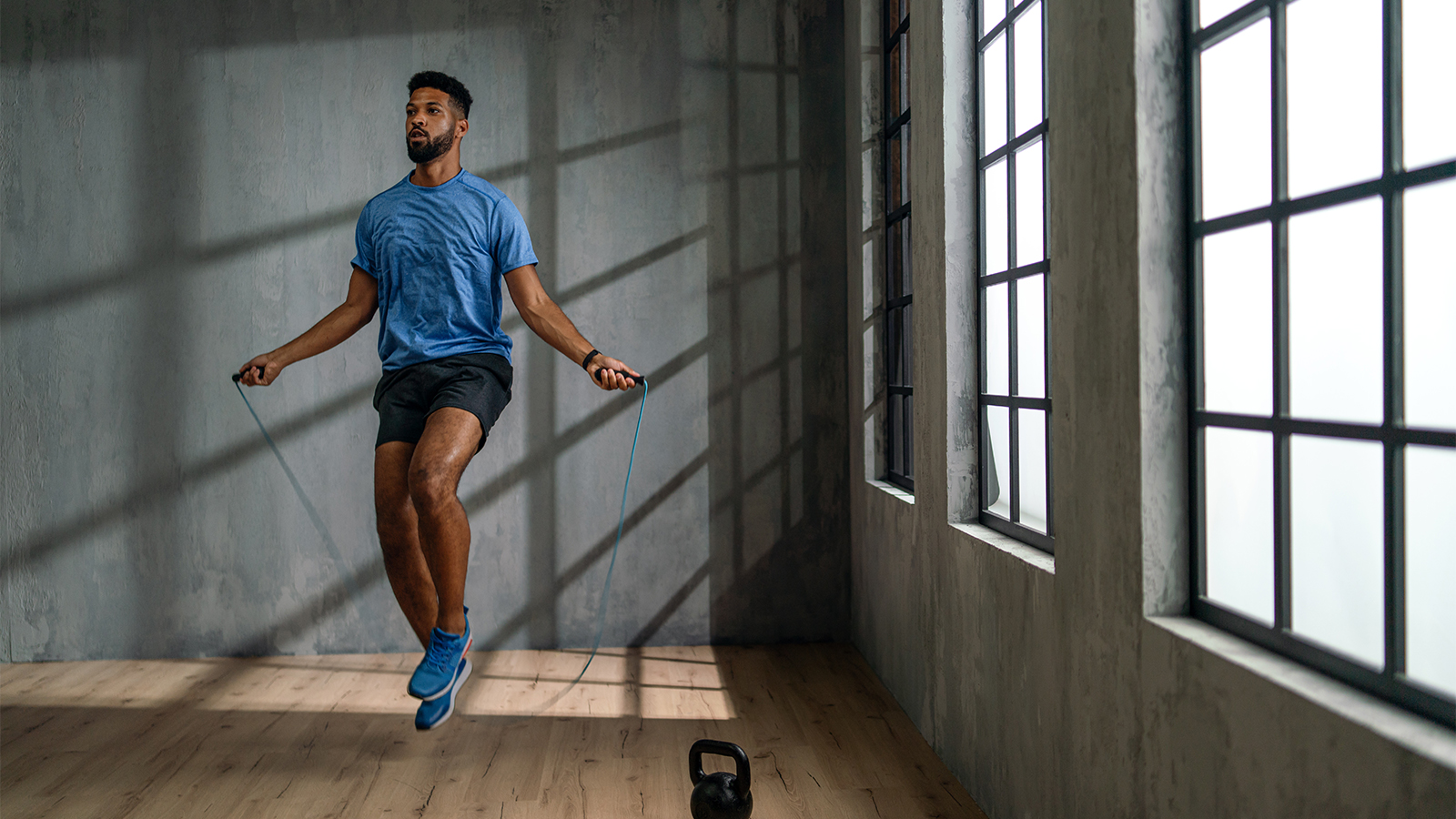
Posture, rhythm, timing and tools all matter more than people think. Whether you’re learning your first skip or tired of hitting your shins, these beginner jump rope tips will get you skipping right.
Mistake #1: Using the Wrong Rope Size
You’d be surprised how many beginners start out with the wrong rope and end up blaming their footwork or fitness. But here’s the truth. If your rope’s the wrong length, the whole thing just feels… off. You trip, you get out of rhythm, and it turns into a mess. When the size is right though, jumping suddenly feels smooth. Like, it clicks. Instantly easier.
Why Sizing Matters More Than You Think
That rope length actually controls everything, your timing, your posture, your confidence. If it’s too long, it drags on the floor and slows you down. Too short? You keep catching your toes and flailing your elbows out just to clear it. Not fun. The right size helps your form settle in, so you’re not fighting the rope every few seconds.
How To Size A Jump Rope Properly
The best way to figure out how to size a jump rope? Step right in the middle of the rope with both feet, then pull the handles straight up. They should reach just below your armpits. That’s your sweet spot. If it’s longer, use the built-in adjusters. No adjusters? Just tie a clean knot or two near the handles and you’re good.
Follow The Crossrope Sizing Guide
If you’re still unsure, the crossrope sizing guide is a solid backup. It gives you the exact length you need based on your height — especially useful for heavier or weighted ropes. It saves time, and your jumps feel way more balanced. No more second-guessing or fixing mid-set. Just smooth, clean skips that let you focus on the workout.
Mistake #2: Poor Grip on the Handles
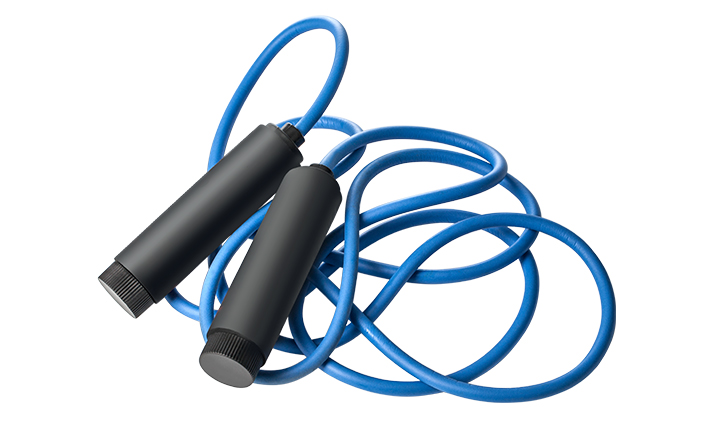
Your grip decides whether you glide through rounds or fight your rope every second. Most beginners either grip too tight or way too loose. The first one drains your arms fast and causes blisters. The second leaves you with sloppy turns and a rope that flails around. That shaky control slows you down and wrecks your rhythm.
The Grip That Throws Everything Off
Too tight and your fingers tense up. Your forearms burn early and the rope starts bouncing all over. Too loose and the rope feels wild, laggy, and totally unpredictable. Both styles are classic jump rope form mistakes that drain energy and break flow in just minutes. Control comes from that middle ground, not from squeezing like crazy.
How to Grip Jump Rope Handles Properly
The trick is to stay relaxed but steady. Grip with your thumb and index finger and let the rest just guide. Your hands should be spaced around one foot apart. That’s exactly how to grip jump rope handles for smoother turns and longer sessions without the hand fatigue kicking in too early.
Benefits of Getting the Grip Right
Once the grip feels right, it all clicks. The rope moves smoother, your hands stop tiring out, and the control feels effortless. No more slipping, no more tensing up. That one small change helps build stamina fast and keeps your rope moving sharp every single round.
Related Article: Best Jump Rope Workouts to Improve Speed and Footwork
Mistake #3: Jumping Too High
New jumpers always feel like they need big air. Like the higher you go, the better you perform. But it’s the opposite. Jumping too high burns out your legs fast. It throws off your rhythm and makes tripping almost guaranteed. Real control actually comes from keeping your jumps small and quick and letting the rope do the work. The balance, the right technique is the real stuff.
Why Big Jumps Drain You Fast
Huge jumps look flashy but waste energy. When your feet go high, your timing slows down and your landings get heavier. It breaks your flow. That habit becomes one of the most common problems in jump rope for beginners because it feels powerful but actually ruins endurance.
Fixing Your Jump Height and Form
The fix is simple. Stay low. Just hop a few centimeters off the ground, barely enough to clear the rope. Keep your knees soft, your back upright, and let your wrists do the spinning. That’s the foundation of correct jump rope posture and smoother movement overall.
Why Smaller Jumps Always Win
Small jumps feel smoother and way more efficient. You save energy, move faster, and stay light on your feet. Less impact on your joints means longer, better workouts. Once your height is under control, the rope starts to feel like an extension of you.
Mistake #4: Improper Posture
This one creeps in without you even noticing. You start skipping, and slowly, your head drops, shoulders tense up, and your body curls forward. It’s a silent form killer. Bad posture drains your energy, tightens your form, and shortens your sessions before they’ve even started. A lot of beginners blame stamina. But really, it’s just sloppy structure holding them back from better flow.
Why Slouching Hurts Your Progress
A hunched back doesn’t just look wrong. It breaks your center, throws off your balance, and shifts the pressure straight to your lower spine. These are the kind of common jump rope errors that show up later as stiffness or pain. Your whole body ends up fighting itself, wasting power instead of moving with the rope. Every jump starts to feel heavy.
How to Stand Tall While Jumping
Think of your spine like a loose spring. Not stiff, not floppy. Just tall and ready. Keep your chest lifted, back upright, and chin level. Look forward, not at your feet. The best jump rope posture is the one where your joints align and movement feels automatic. Hands stay loose. Neck stays soft. Movement gets smoother with less effort.
Why Good Posture Feels Effortless
When your body is stacked right, things click. You bounce lighter, breathe easier, and settle into a rhythm. The rope starts responding better too. And suddenly, you feel less tired even after going longer. Clean posture doesn’t just protect your body from pain. It gives your whole workout a sense of control and lightness that keeps you coming back.
Mistake #5: Swinging the Rope with Your Arms Instead of Your Wrists
Most beginners don’t even notice they’re doing this. You feel like you’re doing great until the burn hits hard and the rhythm falls apart. That’s because using your arms instead of your wrists throws off everything. It makes your swings clunky, burns you out faster, and slows you down without you realizing it. Knowing how to jump rope properly really starts with wrist control.
Shift Control to the Wrists
Keep your elbows tucked in close to your ribs. Let your wrists drive the rope with tight little circles, nothing wild. Try shadow-roping with no rope for a minute, just that wrist flicking motion. It’ll train your muscle memory fast. When your wrists do the work, you get more bounce, cleaner turns, and less strain all through the upper body.
Build Efficiency with Small Adjustments
You don’t need power, you need flow. Using arms creates drag, while wrists keep things tight and fast. Smaller movements mean tighter control and more energy saved. This is one of the most overlooked tips in jump rope for beginners, but it changes the whole game. You’ll feel the difference in just one or two sessions, no joke.
Why It Matters for Your Progress
Think of your arms as anchors and your wrists as the drivers. Letting your wrists handle the motion makes everything smoother. Less shoulder fatigue, more consistent pace, and way less risk of sloppy form over time. Once this clicks, your confidence and speed go up together. You’ll move like a pro before you even notice it.
Related Article: Jump Rope vs Running: Which Cardio Workout Burns More Fat and Builds Endurance?
Mistake #6: Skipping Warm-Ups and Cool-Downs

Okay, let’s be honest. Most beginners skip this part. You pick up the rope and just start. It feels fine at first, but later? The tightness, that weird ache in your calves, and the soreness in your lower back — yeah, that’s your body yelling. Warm-ups and cool-downs aren’t extras. They’re the foundation. Ignore them, and things catch up real quick.
You Gotta Warm It Up First, Every Time
Before you even touch the rope, just jog in place for a few minutes. Swing your arms around. Loosen up those ankles. It’s not just about blood flow — it’s your body waking up. This helps a lot with jump rope injury prevention, especially if you’re not used to high-impact moves yet. Warm-ups cut that early fatigue that sneaks in halfway through.
Then Cool That Body Down, Properly
Workout’s done, and now you just stop? Nope. That’s not how it works. Sit down, breathe a little. Stretch out those calves and your back. Even five minutes of static stretches will help your body reset. Most folks who skip this end up sore the next day. One of the smartest beginner jump rope tips? Cool down like it matters.
It’s Not a Side Thing — It’s Core
This isn’t fluff. Warm-ups and cool-downs are your insurance policy. They prep your muscles before the grind and calm things down after. You feel stronger during. Less sore after. Want to jump rope five days a week and not hate your legs? Then yeah, make these two steps non-negotiable. It’s boring. But it works.


Mistake #7: Jumping with Stiff Legs
Jump rope sounds easy till your legs start locking up without warning. You’re hopping along, trying to keep rhythm, and suddenly your bounce feels robotic. Most beginners think staying tight helps with control, but stiff legs throw everything off. The rhythm slips, the bounce dies, and your ankles soak up all the shock while you wonder why you’re tired so fast.
Why It’s a Mistake
When you keep your legs stiff, your body loses its natural shock absorbers. Every single landing sends raw pressure straight to your knees, hips, and even your spine. There’s no give. No cushion. It builds up tension in your calves and drains your energy like a slow leak. You’re burning fuel without going anywhere, and that relaxed flow you’re chasing? It never even shows up.
How to Relax and Fix It Fast
Start by slightly bending your knees and keeping your legs soft through each bounce. Think of landing light, like on a sponge, not hard ground. Don’t clench your muscles mid-air. Instead, float and recover. Try repeating “bounce and breathe” as a rhythm cue to stay loose. This one trick helps free up your movement and takes real stress off your joints fast.
Why This One Small Fix Pays Off
When your legs finally loosen up, everything starts clicking. Your jumps feel lighter, and your timing improves without forcing it. You’ll move faster with way less fatigue, and your entire posture lines up naturally. For anyone working on jump rope form mistakes or just starting out with jump rope for beginners, this simple fix is a total game changer.
Mistake #8: Not Adjusting Rope Length
You ever feel like your rope has a mind of its own? One second it’s flying fine, next it’s slapping the floor or catching your shoes. That’s not bad luck, it’s bad sizing. Most folks grab a rope and think they’re good. But if it’s too long or too short, you’re just fighting it the whole time without even knowing.
Why It’s a Mistake
Rope’s too long? It drags and kills your bounce. Too short? Now you’re jumping like a kangaroo just to clear it. And that thought in your head — why does my jump rope hit the floor when I’m not even tired yet — yeah, blame the length. It messes with your form. Wrecks your rhythm. Makes everything feel off even if your timing’s on point.
Quick Fix That Saves the Day
Stand on the rope. Pull both handles straight up. If they hit your armpits, it’s a solid fit. If not, adjust it. You’d be surprised how many jumpers never learn how to size a jump rope the right way. That ten-second tweak? It’s everything. Don’t eyeball it. Just measure once and forget it.
What Happens Once You Nail It
The jumps smooth out. You land softer. Feet stop dragging. You feel lighter. And weirdly, your confidence picks up fast. The right length rope makes it feel like you’re finally doing something right — even if you’re still figuring out the rest.
Mistake #9: Rushing the Learning Process
You grab the rope, get pumped, and go all in. Speed, power, maybe a few spins. But pretty quick, you’re tangled up or gasping for air. That’s the trap most beginners fall into. Everyone wants to go fast and intense before they’ve even learned to jump right. But when you skip the basics, you’re setting yourself up to stall early.
Why It’s a Mistake
Going too hard too fast doesn’t just slow progress — it builds bad habits. You miss the rhythm, trip more, and your body never learns the right form. That smooth jump becomes choppy, and your confidence drops fast. A lot of these common jump rope errors start here. The body’s out of sync before it even warms up.
How to Fix It the Right Way
Back it up and start slow. Just focus on one clean bounce at a time. Keep your posture steady, wrists controlled, and stay in rhythm. Practice single jumps first, not tricks. Once your timing sticks and your control sharpens, then build up. That’s how real pros learn. Even the sharpest jump rope workout routines begin with basics.
Why This Slow Start Works Wonders
There’s power in patience. When you give yourself time, every move becomes sharper. You’ll feel the rope better, trip way less, and keep your energy up longer. Rushing just burns you out. But smooth, steady progress builds real skill. That’s how you stay in the game and enjoy the ride while leveling up fast.
Mistake #10: Inconsistent Practice
Starting out strong feels great… until the momentum fizzles. You jump for a day or two, then miss a week, then jump again. That rhythm? Gone. And the worst part? Your body forgets fast. You end up back at square one, repeating stuff you already learned. Super frustrating.
Why It’s a Mistake
When you skip days, you lose timing, flow, and control. All the tiny wins you had? They fade out quick. Your legs feel heavy, your coordination slips, and your progress stalls before it even starts. That’s why jump rope for beginners often feel stuck. It’s not you. It’s the inconsistency messing things up.
How to Build a Real Practice Habit
Try sticking to just 3 short sessions a week. Ten minutes. That’s it. Just enough to keep your body remembering the bounce. Focus on one tiny thing each time… smoother jumps, better posture, quicker feet. Don’t overthink it. Just keep showing up. That’s what creates momentum over time.
Why Consistency Is Everything
When you stay regular, stuff clicks fast. Your arms stop overworking. Your jumps get smoother. You start having fun again. Those jump rope workout tips? They actually start making sense now. Not because they’re magic, but because your body’s finally ready to apply them.
Conclusion
It’s not always about speed or reps. Sometimes, it’s just about not tripping every few seconds. Most people mess up because of the small things. The kind of jump rope mistakes you don’t even notice until you’re out of breath and annoyed.
But when you take time to fix them, it gets easier. Way easier. Your flow feels smooth, the jumps feel light, and you actually start enjoying it. That’s the goal, right? So don’t rush it. Just focus on how to jump rope properly, one step at a time. Be consistent. Mess up. Then fix it. That’s how progress works.