





But smart fighters stay ahead. They know what hurts them. More importantly, they know how to prevent it. And if they do get injured? They recover fast and come back stronger.
This guide breaks it all down. Common injuries. Prevention tricks. Recovery hacks. No fluff. Just what you need to stay in the fight. Let’s go.
Common Boxing Injuries
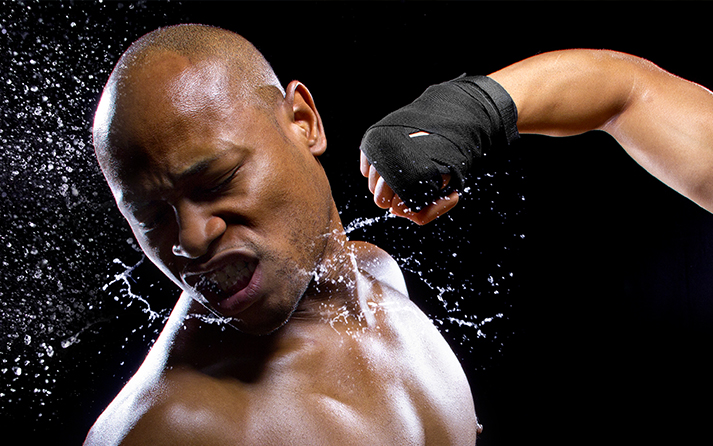
Fighters don’t step into the ring expecting to stay untouched. Common boxing injuries happen. Some are minor. Others can take you out for months. Let’s break them down.
Head Injuries in Boxing
Your head takes the most hits. Concussions are no joke. A single bad shot can leave you dizzy, unfocused, or even unconscious. Cuts are just part of the game—especially around the eyes. A deep one? That can get a fight stopped. Facial fractures? A hard punch to the cheekbone or jaw can do real damage.
Hand Injury in Boxing
Your hands are weapons, but they’re fragile. Boxers break knuckles, fingers, and wrists all the time. Boxer’s knuckle—when the tendon over your knuckle tears—is a nightmare. Wrist sprains happen when you punch wrong or don’t wrap up tight. A fractured hand? That can put you out for months.
Sprains and Strains in Boxing
Boxing means a lot of movement. It is not like you are throwing punches fixed in one position. You slip and pivot and move around. This type of quick movement puts stress on your joints like shoulders and wrists. This is why shoulder and wrist injuries are common in boxers. Knees and ankles come under stress too.
Understanding Head and Brain Injuries
When you are boxing, getting hit in the head is very common. In fact it’s natural. But things can get rough, pretty fast. This is especially true if you aren’t paying attention. Head injuries in boxing can be serious. A strong punch rattles the brain, causing damage you might not notice right away. The most dangerous? Concussion in boxing.
Related Article – Common Boxing Injuries Boxers Don With Pride
What Happens in a Concussion?
A concussion is when your brain shakes inside your skull. It can happen from a single clean shot or repeated hits over time. Symptoms hit fast:
- Dizziness
- Blurry vision
- Headaches
- Trouble focusing
- Memory loss
Some fighters shake it off. Bad idea. Ignoring a concussion leads to worse damage.
Long-Term Effects of Boxing Injuries
One concussion is bad. Multiple? That’s where real danger starts. Repeated head trauma can lead to chronic traumatic encephalopathy (CTE)—a brain disease seen in fighters who take too many hits. Symptoms show up years later:
- Mood swings
- Depression
- Memory loss
- Slurred speech
- Early dementia
Many boxing legends have suffered because they ignored early signs.
Why Brain Injuries Need Immediate Attention?
A cut heals. A broken hand mends. But brain damage? It can’t be undone. That’s why every fighter needs to take it seriously. If you feel off after a hit, stop. Get checked. Rest. A rushed return to training can make things worse.
Fighters love the sport. But real warriors know when to protect themselves. Your career matters. Your brain matters more.
Injury Risks in Combat Sports & Boxing
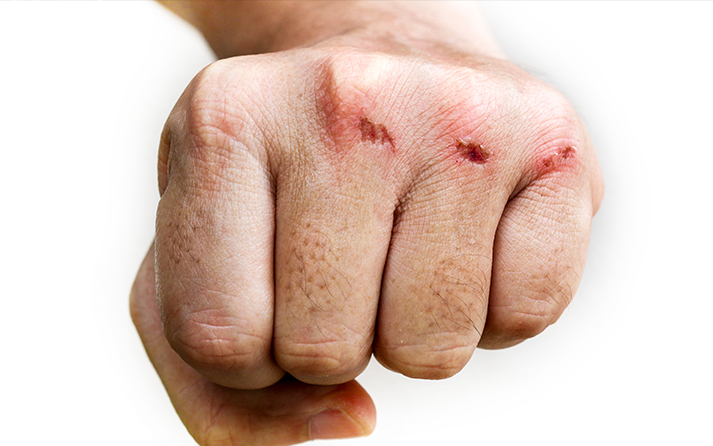
Every fighter knows the risks. Injury risks in combat sports are real, but boxing stands out. Unlike MMA or kickboxing, where fighters can grapple or use kicks, boxing is all about punches. That means constant headshots and hand injuries. In MMA, fighters can clinch or take the fight to the ground. In kickboxing, kicks spread out the impact. But in boxing? It’s non-stop strikes to the upper body and head.
What Increases the Risk?
Some injuries are unavoidable. Others? They happen because of bad habits:
- Improper training – Bad technique leads to poor form, which leads to injuries.
- Lack of rest – Overtraining wears down muscles and joints, making injuries more likely.
- No protective gear – Loose wraps, old gloves, or skipping headgear? That’s asking for trouble.
- Fatigue – A tired fighter drops their hands, moves slower, and gets hit more.
Prevention: Essential Strategies Every Boxer Should Follow
Fighters don’t just train to win. They train to stay in the fight. Boxing training safety isn’t about avoiding pain—it’s about preventing injuries that can take you out for months. Here’s how smart boxers protect themselves.
Warm-Up and Stretching
Cold muscles tear. Stiff joints sprain. A proper warm-up gets your body ready for battle. Dynamic stretches, light shadowboxing, and mobility drills keep injuries away. A few extra minutes before training can save you weeks of recovery.
Master Your Technique
Bad form breaks bones. Throwing wild punches? That’s how you wreck your wrists. Dropping your hands? That’s how you get rocked. When you use proper techniques, you don’t just beat up the adversary better, you protect yourself better too.
Rest and Recovery Matter
Overtraining weakens muscles, drains energy, and slows reflexes. That’s when injuries happen. Fighters who ignore recovery end up with stress fractures, torn ligaments, and chronic pain. Listen to your body. Rest when needed. Recovery isn’t weakness—it’s part of the game.
Boxing Injury Prevention Gear
The right gear makes all the difference:
- Headgear – Helps reduce cuts and some impact, but doesn’t stop concussions.
- Mouthguard – Saves your teeth and absorbs shock from punches.
- Hand Wraps & Gloves – Protect knuckles, wrists, and fingers from serious damage.
- Footwear – Keeps you light, balanced, and prevents ankle injuries.
- Protective Cup – A must. Enough said. Groin area is sensitive and vulnerable in a sport like boxing. What you can do is wear RDX’s special tough groin protector that absorbs the shock completely and keeps your sensitive organs out of harm’s way in all situations.
The Coach’s Role in Injury Prevention
Trainers do more than push fighters. A good coach watches for sloppy form, forces proper recovery, and steps in when a fighter needs rest. Fighters who listen to their coaches last longer in the sport.
Boxing is brutal. But smart fighters know—staying safe means staying in the game.
Related Article – How to Prevent Common Boxing Injuries: A Complete Guide
How to Prevent Brain Injury in Boxing
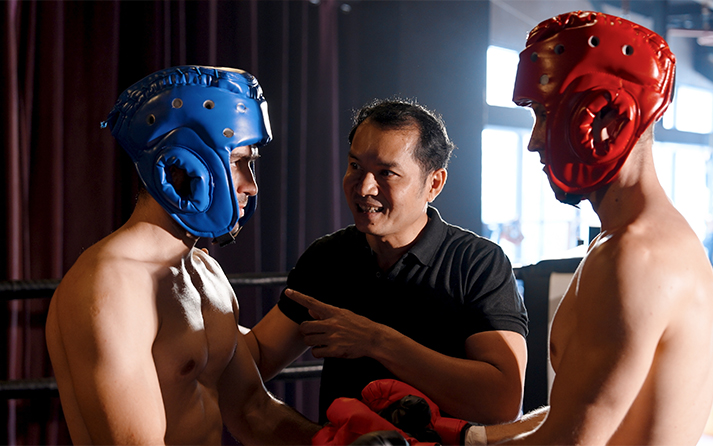
Want to last in this sport? Protect your head. How to prevent brain injury in boxing isn’t about avoiding punches—it’s about taking fewer dangerous hits. Here’s how smart fighters do it.
Limit Hard Sparring
Sparring is key to improving, but going full power every session? That’s a fast track to brain damage. Hard sparring should be rare. Most sessions should focus on defense, movement, and technique—not head-hunting.
Wear the Right Gear
- Headgear – It won’t stop concussions, but it helps absorb impact and prevents cuts. Headgear like that of the RDX, perfect head protection with their sturdy material and ergonomic design.
- Mouthguard – A must. It absorbs shock and reduces the risk of jaw injuries that can lead to brain trauma. The boil and bite mouthguards fit your jaws perfectly and cause no irritation either.
Know the Signs of a Concussion
Took a hard shot? Watch for these:
- Blurry vision
- Dizziness
- Slurred speech
- Memory gaps
- Nausea
If you feel off, stop. Keep pushing, and things get worse fast.
Stay Smart, Stay in the Fight
Brain injuries don’t heal like a cut or bruise. Fighters who ignore warning signs end up with long-term damage. Be aware. Take precautions. The best boxers know—your mind is your greatest weapon. Keep it sharp.
Boxing Injury Recovery: Essential Tips
Injuries happen. How you handle them decides how fast you’re back in the ring. Boxing injury recovery isn’t just about healing—it’s about coming back stronger. Here’s how to do it right.
Step 1: Immediate Care – RICE Method
Right after an injury, act fast. The RICE method helps reduce swelling and pain:
- Rest – Stop training. Pushing through pain makes things worse.
- Ice – Apply ice for 15-20 minutes to control swelling.
- Compression – Wrap the area to reduce inflammation.
- Elevation – Keep it raised to prevent excess swelling.
Step 2: See a Pro
Toughing it out isn’t smart. A doctor or sports therapist can spot hidden damage. What feels like a minor sprain could be a torn ligament. Get checked before jumping back in.
Step 3: Physical Therapy for Boxers
This is where real recovery starts. Physical therapy for boxers helps rebuild strength, restore movement, and prevent repeat injuries. Common rehab techniques include:
- Stretching to regain flexibility
- Strength training for injury-prone areas
- Balance drills to improve stability
- Massage therapy to reduce stiffness
Skipping therapy leads to weak joints and muscles, making future injuries more likely.
Step 4: Respect Recovery Timelines
Fighters rush recovery. Bad move. A half-healed injury will come back worse. Listen to doctors, follow rehab plans, and ease back into training. A few extra weeks off beats months of sitting out.
Injuries aren’t the end. Smart recovery gets you back in the game—stronger, faster, and ready for war.
Long-Term Effects and the Importance of Proper Recovery
Ignoring injuries doesn’t make you tough. It makes you a future ex-fighter. The long-term effects of boxing injuries can end careers—and worse, ruin lives.
What Happens When You Neglect Recovery?
A minor injury today can turn into a lifelong problem.
- Head injuries → Chronic memory loss, mood swings, slurred speech
- Hand injuries → Arthritis, permanent stiffness, weak punches
- Joint and muscle injuries → Chronic pain, limited movement, early retirement
Fighters who push through pain without healing pay the price later. Broken bodies don’t win fights.
Health Monitoring: The Key to Longevity
Boxing takes a toll. Regular medical checkups can catch problems early, especially neurological health issues. Fighters who take too many hits need brain scans. Concussions add up. Ignoring them leads to CTE—a condition that destroys fighters long after they leave the ring.
Stay in the Game Longer
Recovery isn’t a setback. It’s a strategy. Smart fighters rest, rehab, and monitor their health. That’s how champions stay on top—and stay there.
Conclusion
Boxing is brutal, but you don’t have to take unnecessary risks. From common boxing injuries like head trauma and hand fractures to smart prevention strategies and recovery tips, it’s all about staying in the game. Master your technique, warm up right, wear the right gear, and know when to step back and rest.
Recovery matters. Immediate care, physical therapy, and sticking to recovery timelines are the real keys to lasting in this sport.
Your health is your most valuable asset. Prioritize it. Fighters and trainers who focus on safety, recovery, and smart training build long, successful careers. You want to be in the ring for years to come, right? Stay sharp, stay safe, and protect what’s most important—your body.