



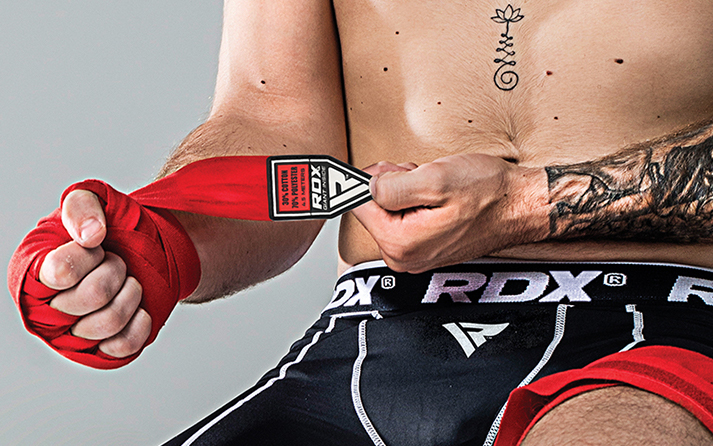
Another good reason to wear a hand wrap under your boxing gloves is to have that perfect fitting which does not feel off when you are throwing a punch. They are the reason a boxer’s hand is able to practice consistently without injured knuckles or wrists.
So, now you may be wondering how to wrap your hands for boxing, then we have this guide which covers the essential techniques you need to learn, the benefits of hand wraps, and the common types available.
Related article: The Importance of Hand Wraps for Boxing Fitness
Why Do Boxers Wrap Their Hands?
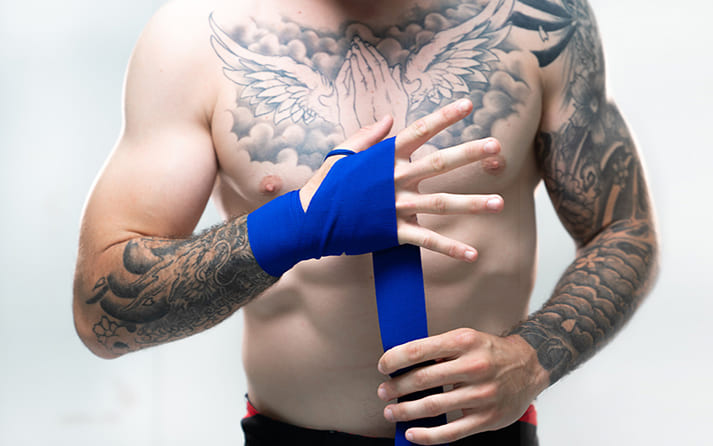
Why do boxers wrap their hands? Simple: to protect them.
A punch might look smooth, but it’s a lot of impact. Your hands have tiny bones and joints that take the hit. Without wraps, they’re at risk—bruises, sprains, even fractures. And while the boxing gloves are technically protecting your opponent, your hand wraps are a protective agent for your tiny bones in your hands.
Wraps act like a shield. They keep your knuckles tight and stable. They stop your wrist from bending too far. That’s how you avoid injuries during training or fights.
Why do boxers wrap their hands every single time? Because the wraps hold everything in place. Your muscles, bones, and tendons stay firm. That means less movement, less strain, and fewer chances of pain after a punch.
They also help with shock absorption. Every punch sends a wave through your arm. Wraps soften that blow, especially when hitting hard bags or mitts.
Comfort’s another reason. Wraps soak up sweat, keep your gloves cleaner, and reduce friction. Your hands won’t slide around inside the gloves.
Whether you’re a pro or a beginner, hand wraps matter. They let you train longer, punch harder, and recover faster.
No one steps in the ring without wrapping up first. It’s a small step that makes a big difference. If you want to box smart, start with your hands.
Related article: 5 Reasons to Use Inner Gloves or Hand Wraps
Types of Wraps to Use for Boxing
Choosing the right hand wrap matters. It keeps your hands safe and your punches strong. Getting the right gear with sufficient durability and a perfect size guarantees safety during the training.
There are different types of wraps to use for boxing, and each works best for different needs. Some of these types include
Cotton Wraps
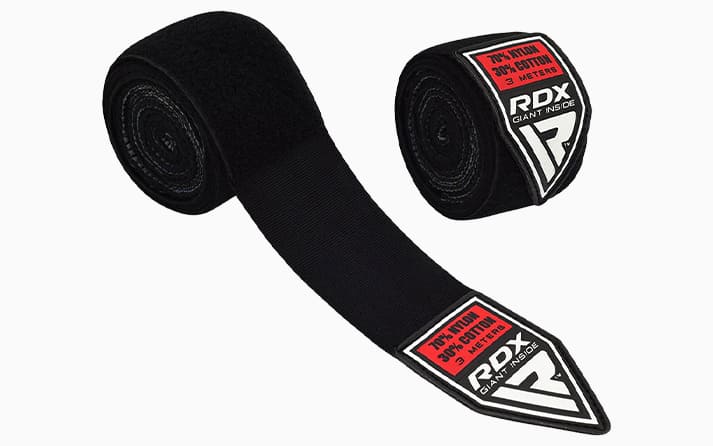
These are the basics and the most comfortable hand wraps. They’re soft, breathable, and cheap, making them great for beginners. They don’t stretch much, so they give a steady feel. They’re perfect for daily training or learning how to wrap your hands the right way.
Elastic (Mexican) Wraps
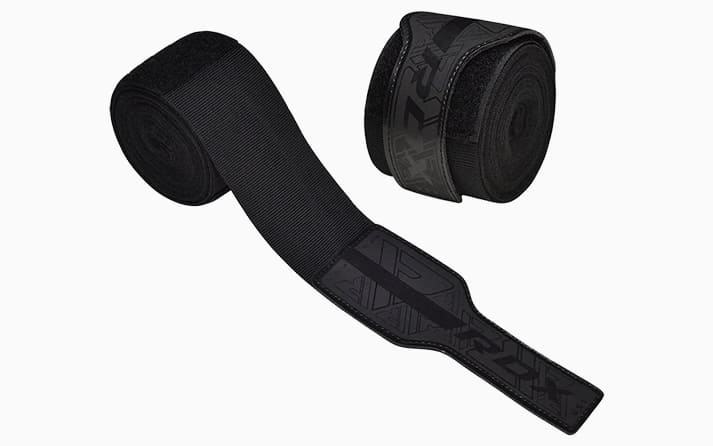
These are like cotton wraps but with a bit of stretch. That stretch helps them hug your hands better. You get more support around the wrist. These hand wraps stay snug during long sessions. Ideal if you’ve been boxing for a while or training hard.
Gel Quick Wraps
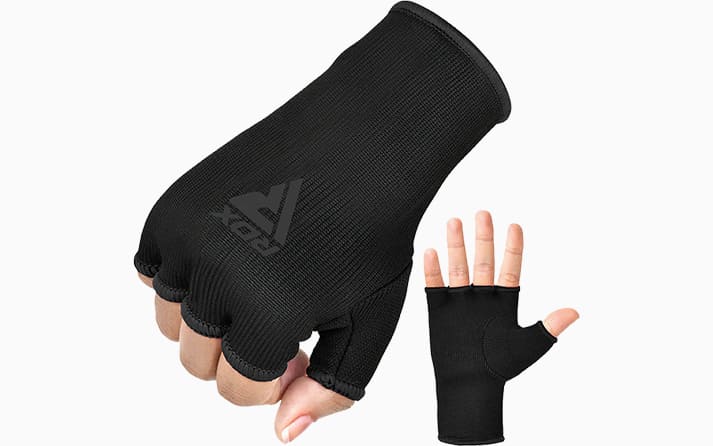
Short on time? These are fast and easy. Just slide them on. Gel quick wraps have built-in padding, so you’re covered without doing a full wrap job. Gel hand wraps are great for fitness boxing or short workouts. Beginners love them, too. These types of hand wraps work great with gel-padded inner gloves.
So, what should you use? If you train often and want that tight fit, go with elastic. Just getting started or training casually? Cotton works. Need quick and easy? Gel is your friend.
No matter what, all types of wraps to use for boxing help you protect your hands. And there should be no training day without covering your hands with them.
Step-by-Step Hand Wrapping for Boxing
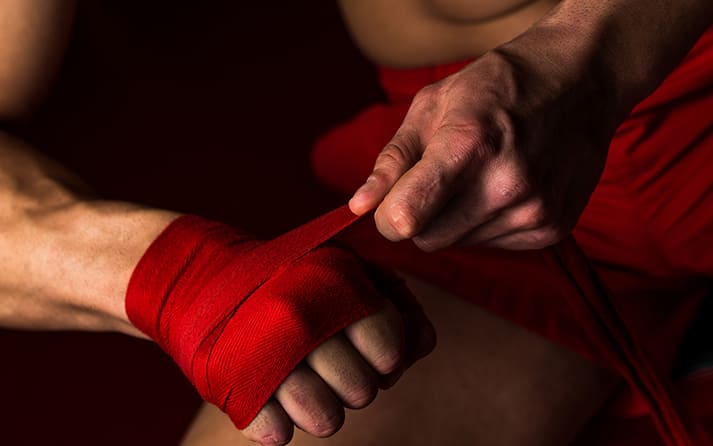
Getting your hand wrap right isn’t just for looks. It keeps your hands and wrists safe. Bad wrapping can lead to sore knuckles, wrist sprains, or worse. So let’s break down how to wrap your hands properly—step by step. No guesswork. Just simple moves that work:
Step 1: Prep First
Start with the right length. Most adult wraps are 180 inches, which gives you enough material to cover everything—knuckles, wrist, thumb, and fingers.
Unroll the wrap and slide your thumb through the loop. Ensure the fabric is flat and the tag or writing is facing down. That way, it won’t twist up when you start wrapping. Again, make sure that you have a durable hand wrap. This will last you longer while providing sufficient protection.
Step 2: Wrap Your Wrist
Begin by wrapping around your wrist 3 to 4 times. Not too tight—you want it snug, not cutting off circulation. This sets the base for support. It locks your wrist in place when you throw punches. If your wrist is weak or sore, go for an extra turn or two. Securing your wrist before landing punches is essential. Your joint health does not get compromised. And your boxing gloves also function with great efficiency.
Step 3: Cover the Knuckles
Next, move up to your knuckles. Wrap across the back of your hand and around your knuckles 3 to 4 times. Spread your fingers slightly while you do this. That keeps the wrap from getting too tight when you make a fist later.
The goal? Cushion the area without bulking it up too much. This padding helps absorb shock when your punch lands. Want to avoid slippage? Make sure the wrap stays smooth and flat. No creases or folds. Never forget that the goal of using hand wraps is to secure your knuckles and small bones. So do it rightly and with great attention.
Step 4: Don’t Forget the Thumb
Now loop once around your thumb. You don’t want your thumb moving too much while punching—that’s a recipe for strain.
Go under the thumb, then come back around the wrist. That locks the thumb into place and ties everything together.


Step 5: Between the Fingers
This step helps prevent the wrap from shifting mid-session. Start between your pinky and ring finger. Then go between the ring and middle, and finally between the middle and index.
After each pass between fingers, bring the wrap back around your palm. This keeps the layers secure and stops them from bunching up.
Make sure it’s firm but not cutting off your blood flow. Keep testing by making a fist.
Step 6: Finish Strong
Now head back down to the wrist. Wrap it around a few more times until the Velcro lines up. Press it down firmly so it won’t come undone.
Do a quick check. Make a fist. Open and close your hand. It should feel snug and solid—but not stiff or painful. If anything feels off, rewrap it. It’s worth doing right.
With this step-by-step hand-wrapping guide for boxing, you will learn how to wrap like a pro. Initially, it might take a few failed sessions or a little help. But with practice and consistency, you will nail it. With a good quality wrap, you will have better support and fewer risks of injuries.
Hand wraps give you a different type of confidence in your punching. You know that your hand is protected well and every impact will be absorbed gracefully. Take your time in learning these steps. Get a durable hand wrap, keep it tight, and throw every punch with confidence.
Related article: Boxing Protection for Hands and Wrists: Essential Tips & Gear
How Tight Should Boxing Wraps Be?

How tight should boxing wraps be? Tight enough to support your wrist and knuckles. Loose enough to keep your hand from going numb. That’s the balance.
If your fingers start tingling or changing color, that’s a red flag. You’ve wrapped it too tightly. You need to rewrap.
On the other hand, if the wrap slides around or bunches up mid-round, it’s too loose. That means your wrist isn’t protected. That’s how sprains happen.
The best way to check is to wrap your hands, then make a fist. It should feel firm and locked in. Now, open your hand. If it’s stiff or rigid to stretch, loosen it up. If it feels floppy, start over.
The goal is simple—comfort and support. You shouldn’t be thinking about your wraps while you’re throwing punches. They should feel like part of your skin.
How tight should boxing wraps be? Just right. Not too tight. Not too loose. It takes a few tries to get it right, but once you do, it’ll be second nature.
Remember, your wraps are your first line of defense. So make sure they’re doing their job: without cutting off circulation or slipping around.
Related article: How to Use the Hand Wrap Properly
Common Mistakes to Avoid When Wrapping Hands
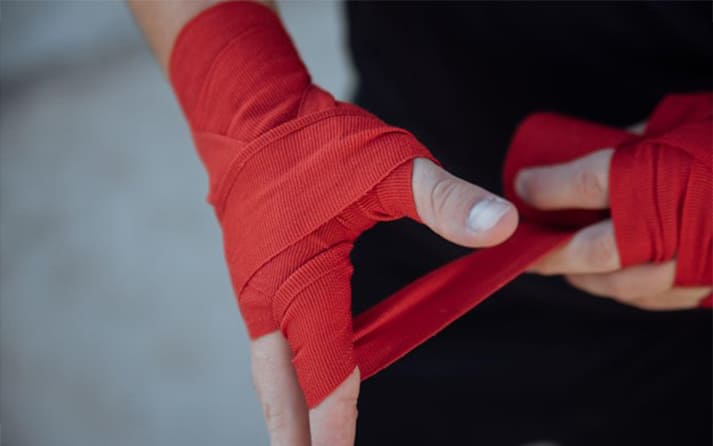
Getting your hand wraps wrong can cost you. Injuries, not training for months etc. One big mistake? And your hands will bear the worst.
Wrapping Incorrectly Or Unevenly
Wrapping unevenly, a common mistake made by many. If one side has more pressure than the other, your hands won’t feel stable. That throws off your punches.
Neglecting Thumb Support
Another one? Skipping thumb support. Your thumb needs protection too. A quick wrap around it adds solid stability and helps prevent sprains.
Excessive Wrap Tightness Or Looseness
A lot of people also wrap way too tightly. That cuts off circulation. On the flip side, wrapping too loosely means no support. Your wraps will shift mid-training, and you’ll be redoing them every round.
Using the Incorrect Type Or Length Of Wrap
Also, don’t ignore the wrap length. Using short wraps or the wrong type—like elastic when you need firm cotton—won’t get the job done. Match the wrap to your needs.
Good hand wraps aren’t just about looking the part. They protect your hands so you can train harder, punch better, and stay injury-free. Wrap smart. Every time.
Tips for Taking Care of Your Boxing Wraps
Hand wraps last longer when you take care of them like your other gear. Since they are worn inside a glove, it is necessary to clean them after every use. Once your session is over, take out your hand wraps with great care and patience. Then wash them with lukewarm water and use a mild detergent to remove the smell.
Clean properly and let them air dry. Never put them in the dryer. This cleaning routine will ensure that your hand wraps remain in good shape for a longer period of time.
Once dry, roll them up neatly. Don’t wrap them in a messy way if you want them to stay with you in every training session. Store in a small bag, at a dry place.
Perfect Your Wrapping Technique
Once you know what type of hand wraps do you need, make sure to spend sufficient time in mastering the technique to wear them. Wearing your hand wraps properly during training and fight will cushion your hands and knuckles, preventing the slipping of the gloves, and ensuring you are delivering strong punches.
Wearing the hand wraps properly around the thumb and knuckles will keep you protected from the impact of punches. Hand wraps are an essential piece of gear that every boxer needs for maximum protection and good punching technique.
Get durable hand wraps, learn how to wrap your hands for boxing, and wear punching gloves on top for solid protection and security.