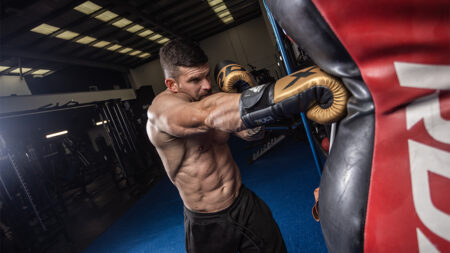




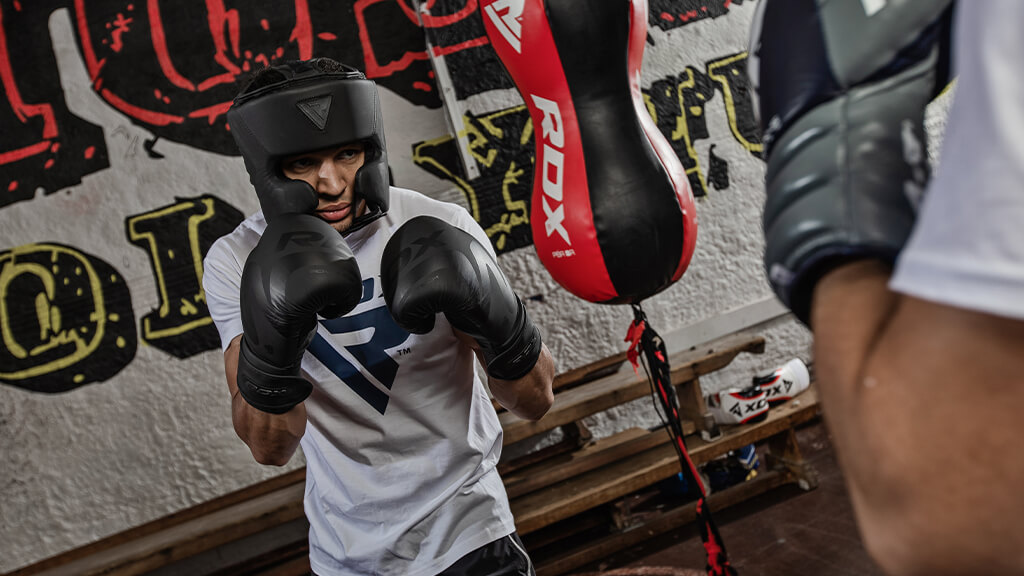
No, you don’t need to fight. Boxing isn’t just for the ring. It’s one of the best ways to get in shape. You’ll sweat and you’ll move. You’ll feel stronger every week. Let’s break it down step by step. Get ready to train like a boxer.
Want me to jump into the next section?
Why Train Like a Boxer?
Because it works. Boxing for fitness hits every part of your body. Arms. Legs. Core. Heart. You’ll burn fat. Build muscle. And boost your cardio like nothing else. It’s not just hard work—it’s smart work.
You don’t just get stronger. You get sharper. Boxers’ training demands focus. It clears your head. It teaches control. You leave the gym lighter—in body and mind. Boxing also improves balance, timing, and coordination. You learn how to move. How to stay on your feet. How to react fast. And that confidence? It sticks with you outside the gym too.
Worried you’re not ready? Don’t be. Boxer training isn’t just for pros. You can train for boxing at any level. You start slow and you build up. Every jab, every round, every drop of sweat takes you further. And no, you don’t need to fight. Boxing is about more than that. It’s about discipline. Routine. Showing up. Putting in the work.
Whether you’re chasing fitness or just want to feel strong again, boxing gives you the tools. All you have to do is start.
Related Article: 6 Boxing Training Motivation Tips to Stay Disciplined and Improve Your Skills
Key Elements of Boxing Training
Let’s start with the basics. The stuff that makes or breaks your game.
Boxing stance is everything. It’s your base. Your balance. Your power. Without the right stance, your punches are weak and your defense falls apart. Keep your feet shoulder-width apart. Knees slightly bent. Back heel lifted. Hands up. Chin tucked. Stay light. Stay ready.
Now add movement. Boxing footwork is what keeps you alive in the ring—or during a tough workout. You learn to pivot, slide, and shift. Not just for dodging punches, but for landing clean shots. Good footwork means you’re always in control.
Let’s talk hands. Boxing techniques start with the four basic punches: jab, cross, hook, and uppercut. Each one has a purpose. Jab sets the pace. Cross delivers power. Hook breaks guards. Uppercut surprises. But none of them work without proper form. That’s where punching techniques come in. Turn your hips. Keep your wrist straight. Snap, don’t push. That’s how you build speed and power.
Now, time to level up coordination. Enter the speed bag. It’s not just for show. Speed bag drills build rhythm. Timing. Focus. They train your eyes and hands to work together. Start slow. Hands up. Hit with the front two knuckles. Left, right, left. Keep it flowing.
Step by step, these tools shape your foundation. Boxing stance, sharp footwork, clean punches, and drills that bring it all together. That’s how you train smart. That’s how you move like a boxer.
Boxing Workouts for Beginners
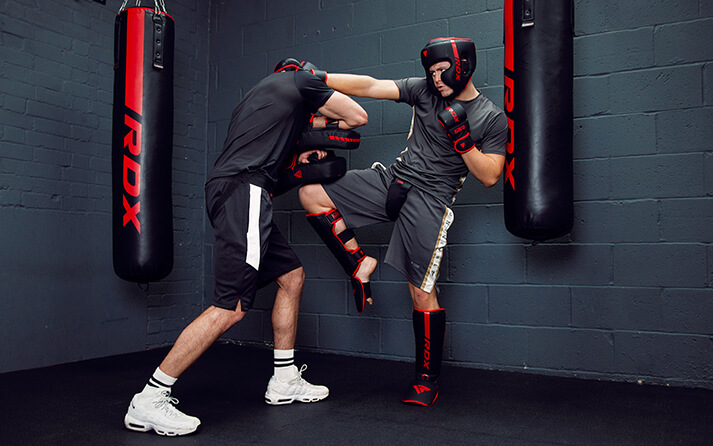
Ready to get moving? Let’s break down a simple routine you can follow from day one. No ring needed. Just space, energy, and drive.
Start with a warm-up.
- Jump rope – 3 minutes. Keep a steady pace.
- Shadow boxing – 3 rounds of 1 minute. Light punches. Fast feet. Focus on form.
Next, hit the bag.
- Punching bag workout – 3 rounds of 2 minutes. Use combos like jab-cross-hook. Keep your hands up. Rest 30 seconds between rounds.
Then go for speed.
- Speed bag practice – 2 rounds of 1 minute. Start slow. Build rhythm. It’s about timing, not power.
Now move.
- Footwork drills – Try ladder drills or shadow boxing with steps. Go forward, back, side-to-side. Stay light. Stay sharp.
Here’s a quick 30-minute boxing workout to start:
- 5 min warm-up (jump rope + shadow boxing)
- 6 min bag work (3 rounds)
- 2 min speed bag
- 5 min footwork
- 10 min bodyweight circuit (push-ups, squats, sit-ups—3 rounds)
That’s your full-body session right there.
Boxing conditioning for beginners is about building gas in the tank. You need endurance. That’s where bodyweight work comes in. Push-ups build power. Sit-ups build the core. Squats build legs. All of it helps you move longer and hit harder.
At-Home Boxing Workouts
No gym? No problem. You can train for boxing right at home. Start with the basics. Shadow boxing in front of a mirror. Watch your form. Work your combos. Jump rope to build footwork and cardio. Just 5 minutes a day goes a long way.
Got a bag? Perfect. A good punching bag workout lets you hit with power and practice real-time movement.
Here’s a quick at-home boxing workout:
- 3 min jump rope
- 3 rounds shadow boxing (1 min each)
- 3 rounds bag work (2 min each)
- 2 rounds footwork drills (ladder steps or side steps)
- 10 min conditioning (planks, burpees, mountain climbers)
That’s your full boxing workout—no gym required.
Now gear up. These are your must-haves for at-home boxing workouts:
- Hand wraps (protect your wrists)
- Boxing gloves (comfort and safety)
- Punching bag (freestanding or heavy bag)
- Jump rope (your cardio best friend)


Want to stick to it? Create a simple routine. Boxing drills three days a week. Conditioning two days. Rest when needed. Stay flexible. Stay moving. Keep it fun. Put on music. Track your rounds. Celebrate progress. Training for boxing at home is real. No fancy setup. Just heart and hustle.
Boxing Diet for Optimal Performance

Boxing is not all about training and punching and fighting. A lot of it depends on the strength which comes from your diet. This is why fueling your body the right way is extremely important. Here is how to strengthen your body:
Fuel Your Body Right
You can’t out-train a bad diet. What you eat powers your punches, footwork, and focus. A solid boxing diet means better energy, faster recovery, and real results.
Go for lean protein—chicken, eggs, fish. It helps muscles rebuild after tough rounds.
Add complex carbs—brown rice, oats, sweet potatoes. They give you lasting energy.
Don’t skip healthy fats—avocados, nuts, olive oil. They support joints and brain function.
This is how real training for boxing gets done—on a strong, clean plate.
Hydrate and Recover
Water matters. A lot. Dehydration kills stamina and slows your mind. Drink before, during, and after workouts. Rest is part of the plan. Muscles grow and repair when you sleep. No rest = no gains. Schedule off days. Respect recovery. That’s how smart boxers’ training works.
Train hard. Eat smart. Recover well. That’s the formula.
Boxing Fitness Plan for Beginners
New to boxing? Don’t wing it. A smart plan keeps you sharp, strong, and consistent. Here’s a solid boxing fitness plan to kick things off.
- Day 1 – Technique Work
Start the week strong. Shadowbox. Work combos. Hit the punching bag. Focus on form and movement. - Day 2 – Cardio Day
Jump rope for rhythm. Run for stamina. Cycle if that’s your thing. Build the lungs. Fight fatigue. - Day 3 – Strength Training
Bodyweight is your gym. Push-ups, squats, planks, lunges. Throw in resistance bands. This builds the engine behind every punch. - Day 4 – Recovery or Light Day
Stretch it out. Try yoga. Walk. Let the muscles breathe. Recovery is part of real boxing and training. - Day 5 – Boxing Conditioning
Speed bag for hand-eye. Ladder drills for footwork. End with burpees or mountain climbers. That’s boxing conditioning for beginners done right. - Day 6 – Spar or Bag Work
Feel like testing skills? Light sparring (with guidance) helps. Or stick to bag rounds. Both build real fight-readiness. - Day 7 – Full Rest or Light Move
If you’re sore, chill. If you’re fresh, go for a light jog or stretch session.
Stay flexible. Mix it up if needed. Just show up. Keep going. This is how real boxing workout plans are built—day by day, punch by punch.
Common Boxing Training Mistakes and How to Avoid Them
Common boxing mistakes can ruin all of your hard work. You need to avoid them at all costs. Obviously, your hard work shouldn’t go down the drain. We are listing them so you know what to avoid:
Incorrect Stance or Footwork
A weak boxing stance or sloppy boxing footwork just kills your speed. You can also get hurt badly when your stance or footwork is not up to the mark. If you’re not balanced, you can’t punch hard or move fast. Keep your feet shoulder-width apart. Stay light on your toes. Keep your knees slightly bent for better stability. Always pivot with purpose.
Overtraining or Undertraining
Going hard every day without proper rest can lead to burnout. On the flip side, not training enough means you’re missing progress. Balance is the key. Listen to your body. Don’t skip recovery days. Rest is when your muscles grow and your skills sharpen.
Not Focusing on Technique First
It’s tempting to speed up and hit harder, but that can ruin your form. Focus on perfecting the basics before pushing speed or power. Mastering boxing footwork and boxing stance first is the foundation for everything else.
How Long Should You Train Like a Boxer?
Training is necessary but you can’t train all day long, every day. Frequency and duration of your training have to be managed:
Training Frequency for Beginners
Consistency is key, but so is balance. As a beginner, aim for 3-4 days a week of boxing training. Focus on technique, conditioning, and rest. This gives you enough time to recover while building strength and skills.
Training Duration
Start with 30-45 minute sessions. Keep it simple and effective. As your fitness improves, you can add more time or increase the intensity. Just don’t rush it—progress comes with consistency.
Train for boxing at your own pace. Build up gradually, and listen to your body. With steady, smart training, you’ll get stronger and sharper every week.
Related Article: Boxing Training Benefits: A Full-Body Workout for Strength and Weight Management
Conclusion
Training like a boxer starts with the basics—solid stance, clean punches, and smart footwork. Build your boxing skills step by step. Mix in conditioning. Stick to your boxing fitness plan. Stay consistent, and the results will come.
Progress doesn’t happen overnight. Be patient. Keep showing up.
If you’re serious about boxing, gear matters. RDX Sports has you covered with top-tier boxing workout gear—punching bags, gloves, wraps, and even speed bag drills kits.
Start strong. Train smart. Punch harder—with RDX in your corner.