



This guide is about more than just “eating punches.” It’s about learning how to absorb the impact without folding, how to brace without breaking, and how to train your body and instincts to manage the chaos. We’ll look at techniques for handling shots to the head and body, drills that help, and the kind of mindset that turns a punch from a threat into something manageable.
This isn’t about being tough for the sake of it. It’s about being prepared.
How to Take a Punch? Mental and Physical Preparation
Staying calm under pressure might sound easy until fists start flying. But it’s the foundation. Flinching, gasping, or stiffening up when you see a punch coming only makes things worse.
You train your body, yes. But you also train your reactions. Controlled breathing helps. So does visualizing pressure. Shadowboxing with focus on defense. Learning how your body feels under tension. The truth is: you can’t just think your way through getting hit. You need to feel it in training, in safe, structured ways.
Breath control. Movement. Bracing. All of it matters. So does your posture. Keep your base low, your knees bent, and your hands high. It’s not magic. It’s readiness.
How to Take a Punch to the Head?
Head punches are dangerous — they rattle the brain, mess with your balance, and if placed right, they shut you off. That’s why proper form matters.
- Tuck your chin: Lowering your chin reduces exposed surface and protects your jaw.
- Hands up: Your guard isn’t just about your fists. Your elbows, forearms, and gloves work together.
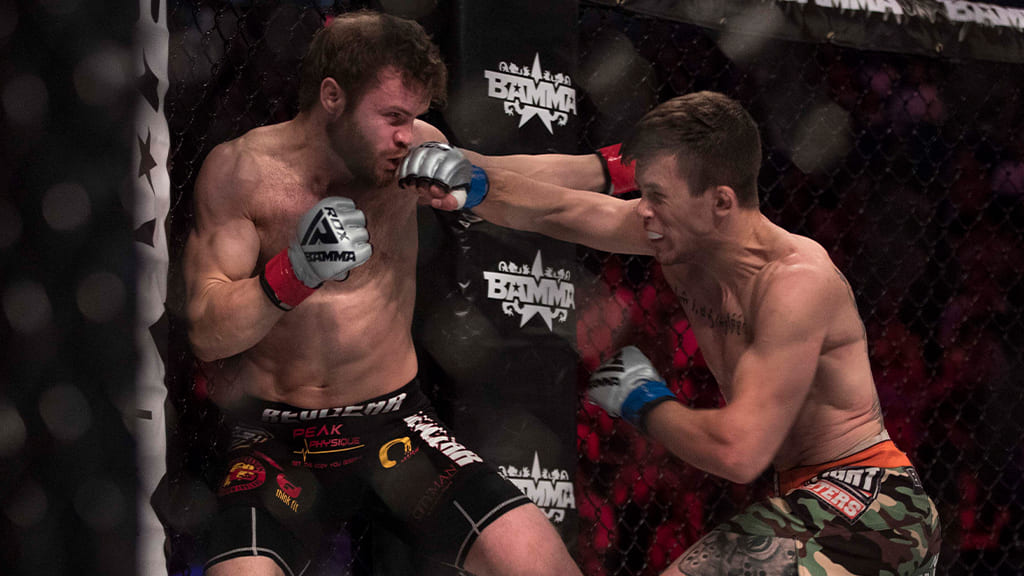
- Clenching your jaw during a fight: This tightens your neck and stabilizes your skull. Loose jaws get broken.
- Strengthen neck muscles for fighting: Strong traps and neck muscles limit whiplash. Deadlifts, shrugs, and neck harness drills go a long way.
And no, a strong jaw isn’t just something you’re born with. It can be built.
Related Article: Does a Punching Bag Build Muscle? Explore Benefits, Workouts, and More
Neck Conditioning for Punch Resistance
Your neck is the shock absorber for your head. If it folds, you follow.
That’s why there are neck harness exercises for MMA, boxing, and any sport that needs you to take a punch. Not just with shrugs and presses, but with dedicated resistance work. A neck harness lets you build strength through motion. You strap it on, add weight, and use slow, deliberate reps. Go light. Form matters more than load.
You can also use manual resistance: press against your own hand from different angles, hold, and release. The point is to get your neck used to tension — so it doesn’t give out when it matters.
Take it seriously. Weak neck, weak link.
How to Take a Body Punch?
Getting hit in the body isn’t just painful. It takes the wind out of you, stops you from moving, and if it’s clean enough, drops you cold. That’s especially true with liver or solar plexus shots.
Start by learning to see the body shot. A quick drop of the shoulder. A level change. It’s subtle, but readable.
Then: brace for a punch. This means tightening your core before impact. Not just abs — your entire midsection. Practice this in training with light medicine ball drops.
And learn the Valsalva maneuver for bracing — a quick breath in, held firm, to create internal pressure. This turns your core into armor. Done wrong, it can leave you gassed. Done right, it keeps you upright.
1. Strengthening the Core to Take Body Shots
A strong core does more than look good. It absorbs impact, supports your movement, and lets you stay upright when you’re getting worked in the clinch.
Good core work isn’t just about crunches. Think:
- Planks and hollow holds for isometric tension.
- Rotational throws with a medicine ball.
- Loaded carries to build bracing strength under load.
Breathing drills also matter. Controlled exhales while maintaining tension, prepares you for bracing in real time. Add all these core exercises for boxing together, and it becomes more than decoration — it becomes function.
2. Protecting Vulnerable Areas: Liver, Kidneys, and More
Ask any pro: a liver shot can end a fight without warning. The body shuts down. Legs give out. You’re not out cold, but you’re done.
You can’t make your liver tougher. But you can protect it. Keep your elbows tucked in. Slight lean forward, crunch your torso down, and close the angle.
Same with kidneys. These sit in your lower back, and they’re exposed when you turn or overextend. Good stance, tight movement, and awareness of your blind spots keep them safer.
Keep this up and protecting your liver and kidneys will be instinct for you.
Related Article: 10 Powerful Exercises to Boost Your Punching Power for Boxing and MMA
3. Rolling with the Punch and Deflecting Impact
Rolling with a punch isn’t abstract. It’s physics.
You don’t stand stiff. You move with the force, not against it. A turn of the head. A slip of the torso. A slight pull away from the punch’s arc. These small adjustments bleed off power and keep you in the fight.
And if you deflect body shots with elbows, it works the same way. A punch caught on a tight elbow or forearm does less damage. It’s redirection, not resistance.
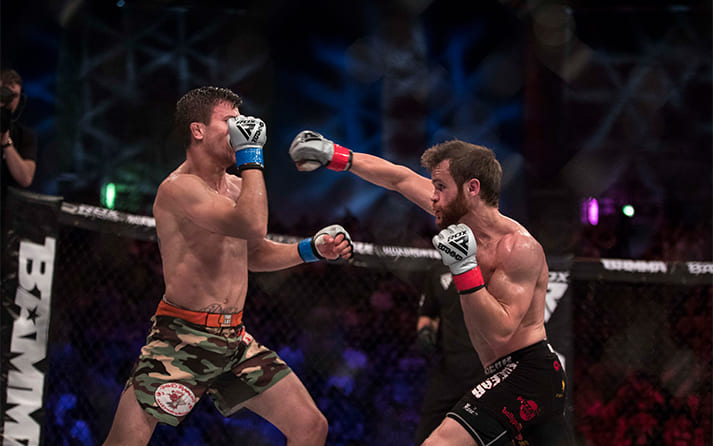
These skills take reps. Shadowbox with roll focus. Drill blocks and parries on pads. It’s part reaction, part instinct. But you can train both.
Defensive Techniques in MMA and Boxing
An MMA punch defense technique isn’t passive. It’s sharp, live, and always working.
- Head movement: slips, weaves, pull-backs
- Footwork: pivots, exits, angle shifts
- Guard management: change levels, reset guard, keep elbows tight
Blocking is a last resort. Parrying and evading? Smarter. Train your eyes and reactions through partner drills and reaction timers. Don’t just wait to block. Make them miss. Then make them pay.
Psychological Toughness and Experience
Getting hit messes with your head. The fear of impact can make you timid, slow, reactive.
That’s why sparring exists. Controlled contact builds confidence. You learn that you can take a shot and keep thinking. Keep moving. Keep fighting.
Start slow. Build up. Don’t chase knockouts in practice. Chase clarity under pressure.
Mindset grows over time. With good coaching, steady reps, and attention to your breath and body language, you’ll get harder to hit — and harder to rattle.
Related Article: 6 Powerful Exercises to Increase Your Hand Speed for Faster Punches in Boxing
Myths About Taking a Punch
“You either have a chin or you don’t.”
False. While genetics play a role, your ability to absorb shots improves with neck training, jaw control, and conditioning.
“You just have to tough it out.”
No. Getting hit without preparation is a fast track to injury. Smart fighters prepare their bodies to absorb and deflect, not just endure.
“A big chest or abs means you can take body shots.”
Looks don’t equal function. Bracing, breathing, and actual core strength matter more than aesthetics.
“Real fighters don’t feel pain.”
Pain is real. Good fighters just don’t show it, and they train their body to recover faster.
FAQ’s
Common Mistakes to Avoid
- Flinching or closing your eyes during strikes.
- Holding your breath or exhaling weakly.
- Overreaching with punches, exposing your sides.
- Ignoring body conditioning because you “don’t plan to get hit.”
Drills to Practice Safely
- Light partner contact with set timing.
- Pad drills with body taps.
- Medicine ball drops for core conditioning.
- Shadowboxing with bracing and slip focus.
Controlled sparring is gold. But it only works if everyone respects the intent: learn, don’t destroy.
You don’t need to love taking punches. You just need to know what to do when they come. Head, body, clean or glancing, there are ways to handle all of it. Train smart. Stay sharp. Get strong where it counts.
And above all: protect yourself before you test yourself.