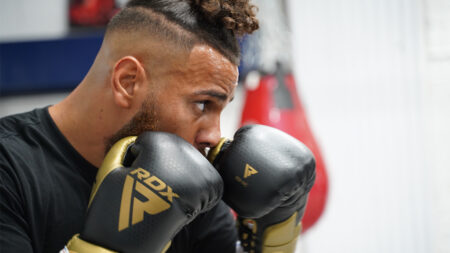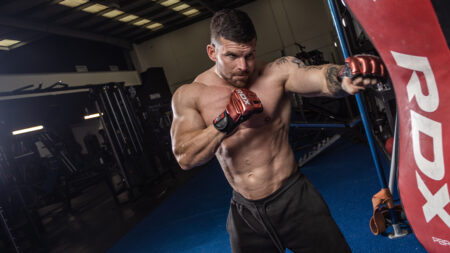




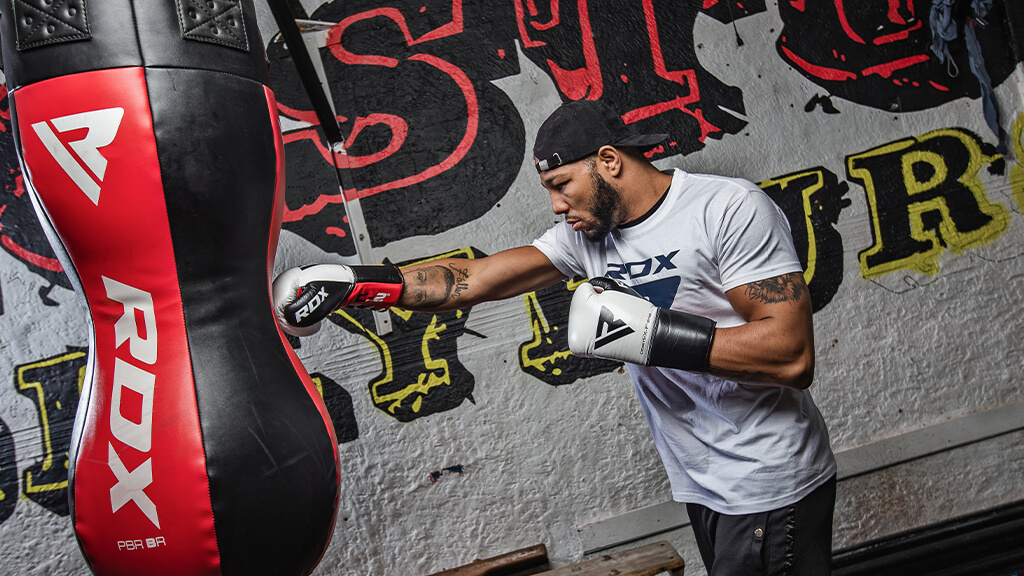
Boxing is a great full-body workout that builds strength, burns fat, and improves your speed and coordination while sharpening your mind. It is far more than just throwing punches; it builds confidence and discipline, along with becoming a healthier you. And the best part is you don’t require a gym or high-priced equipment to begin.
Nowadays, boxing has become the rage, and more people have taken to boxing in their living rooms and garages. Whether you want to lose weight, get toned, work on self-defense skills, or just spice up old routines, home boxing is a knockout choice.
In this beginner’s guide, I will introduce the basics of boxing at home. You will learn the gear you need, how to stand, throw punches, move, and train, without ever stepping into a boxing gym.
So, how do you get into boxing, someone who had not thrown a punch ever before, all from their living room? Let’s take a journey through the very basics!
Why Boxing is Great for Beginners?
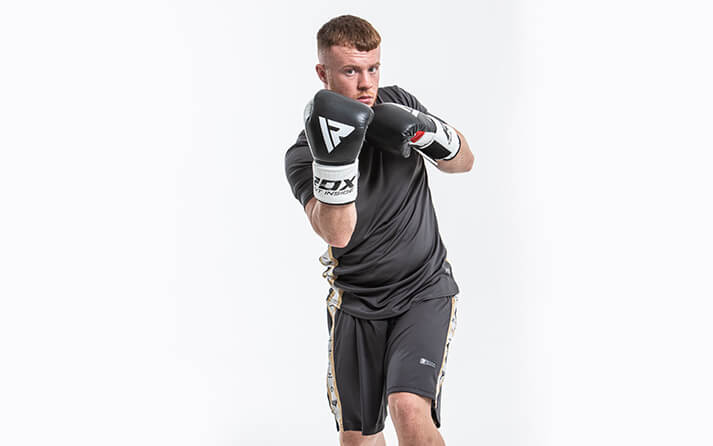
Boxing can be termed a total action, body exercise, and brain-challenging sport that is also not costly. That’s a win-win-win.
Full-Body Workout
Boxing may not just concern your arms. A punch thrown requires a move of your legs, core, shoulders, and back, in total, it provides good exercise and an increased heart rate making it a pretty serious cardio workout. In other words, you build your muscles while burning up calories and improving endurance.
Mental and Emotional Benefits
Boxing is great for acquiring focus and self-control. Though not by words, it tries to teach one the timing and rhythm of all one’s movements. It really is a mental thing; punching a bag gives one stress relief after a long day. Tired? Energize yourself.
Accessibility
Here’s the best part: You don’t need to join a gym or have a partner to get started. A little space and some cheap equipment can easily be set up to allow training right at home. Shadowbox in your bedroom or do footwork drills in your garage; boxing is flexible and friendly to beginners.
Still wondering how to get into boxing? You’re already halfway there just by being curious.
Basic Equipment for Starting Boxing at Home
Now that you are ready to start boxing, it’s time to talk about equipment. Remember, you don’t need a whole gym for boxing; only the essentials.
Gloves and Hand Wraps
Consider them as insurance for your hands. Gloves are for the protection of the knuckles and wrists, while wraps help align your joints. Even if you’re only shadowboxing, wraps help build the habit of staying safe.
Heavy Bag or Shadowboxing
Ideally, shadowboxing is used for developing power, but if you live in the smallest of apartments or are just getting started and have no bag, shadowboxing will do fine. It helps you work on technique and movement without requiring any gear.
Boxing Shoes or Comfortable Footwear
You really don’t need to bother with professional boxing boots. You do need shoes that have a good grip and lend support to the ankle. You wouldn’t want to twist an ankle while jabbing.
Jump Rope
This small tool delivers big results. Jumping rope really helps with footwork and endurance and builds coordination, three things you cannot do without in real boxing.
Optional Equipment
Want to take it to the next level? Resistance bands for strength, speed bags for your hand speed, and focus mitts are fun if you’ve got a training buddy. A mirror is great for checking your form, too. You’re the agent of your own progress here!
Related Article: Essential Guide to Setting Up a Home Gym for Beginners: Budget-Friendly, Space-Saving Solutions
Basic Boxing Stance and Footwork
Think of your stance like the foundation of a house. Without it, everything else crumbles.
Boxing Stance
Let’s start with two types:
- Orthodox stance (left foot forward, right hand back) – if you’re right-handed.
- Southpaw stance (right foot forward, left hand back) – if you’re left-handed.
Here’s how to set it up:
- Feet shoulder-width apart.
- Knees slightly bent for balance.
- Hands up—your lead hand in front of your face, your rear hand by your chin.
- Elbows tucked in.
- Chin slightly down to protect yourself.
Stay relaxed, but alert—like you’re about to close a deal.
Footwork Fundamentals
Footwork keeps you in control. The golden rule? Never cross your feet.
Practice these movements:
- Step forward and backward, always staying balanced.
- Shuffle left and right, maintaining your stance.
- Pivot on the balls of your feet to change direction smoothly.
Tips for Practicing Stance and Footwork
Start slow with shadowboxing. Focus only on your stance and movement. Watch yourself in the mirror like a home buyer checking every corner—details matter. The more you repeat it, the more natural it feels.
With a strong stance and clean footwork, you’re building your real boxing foundation. Now it’s time to throw some punches!
Essential Boxing Punches
Now let’s tour the main features—your punches. Here are the six must-know moves for every beginner.
Jab
This is your go-to punch.
- Throw it with your lead hand, straight from your guard.
- It’s quick, sharp, and helps with timing and range.
- Think of it like knocking on a door before you walk in.
Cross
This is your power punch, thrown with your rear hand.
- Rotate your hips and pivot your rear foot for maximum force.
- Use it after a jab for a strong combo.
Lead Hook
The lead hook comes from the side, aimed at the head or ribs.
- Keep your elbow bent at 90 degrees.
- Rotate your lead foot and hip for power.
Rear Uppercut
This punch rises up from the rear hand, aiming for the chin.
- Bend your knees and drive upward using your legs.
- Great for close range. Think of it as a surprise upper floor!
Lead Uppercut
Same motion as the rear, but from your lead hand.
- Stay low, bend your knees, and punch upward.
- Perfect for slipping under a punch and countering.
Rear Hook
This hook is like your knockout tool.
- Thrown with your backhand in a circular motion.
- Rotate your body and keep your other hand up for defense.
Each punch is a tool, and learning how to use them is key to building your real boxing toolbox. Practice slowly, then build up speed. It’s not just about throwing hard—it’s about throwing smart.
How to Train at Home
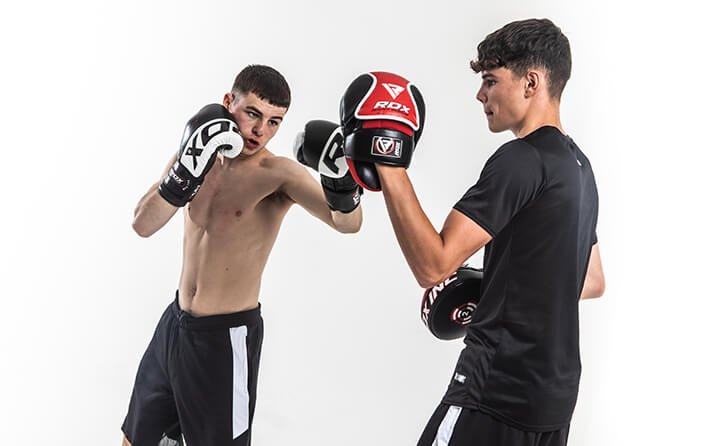
You’ve got the tools—now it’s time to put them to work.
Shadowboxing
This is your at-home sparring partner.
- No gear needed. Just you, your mirror, and some imagination.
- Focus on footwork, punch technique, defense, and movement.
- Picture an opponent in front of you. Move with purpose.
Heavy Bag Work
If you have a heavy bag, great!
- Work on punch combinations like jab-cross or jab-hook-cross.
- Focus on rhythm, power, and keeping your hands up.
- Start with 2–3 minute rounds, just like a real match.
Conditioning
Boxers are strong and fast, but also lean and explosive.
- Do push-ups, planks, burpees, and squats.
- Mix in mountain climbers and jumping lunges for cardio.
Interval Training
Boxing is intense, so train like it.
- 30 seconds of punches, 10 seconds rest—repeat.
- Switch between shadowboxing, jumping rope, and bodyweight drills.
This kind of training builds real boxing stamina and simulates fight energy. You don’t just throw punches—you build a fighter’s engine.
Related Article: Step Up Your Boxing Game: Essential Workouts and Tips for Beginners
How to Get into Boxing Shape
Getting into boxing shape is about endurance, strength, and speed.
Developing Endurance
You’ll need both steady cardio and explosive power.
- Run or jump rope for 20–30 minutes a few times a week.
- Add in circuit workouts with short rest breaks to push your limits.
Strength Training
Stronger muscles = stronger punches.
- Focus on squats, lunges, planks, push-ups, and medicine ball throws.
- Core is everything. A solid core helps you absorb punches and rotate your body for power.
Want a quick strength boost? Try this beginner bodyweight workout you can do anywhere alongside your boxing routine.
Speed and Agility
Quick feet make a big difference.
- Use ladder drills or cone drills to improve speed.
- Practice explosive movements like jump squats or tuck jumps.
Wondering how to get into boxing shape from scratch? Start slow and stay consistent. Treat your training plan like a listing—build value over time.
Tips for Staying Safe and Avoiding Injury
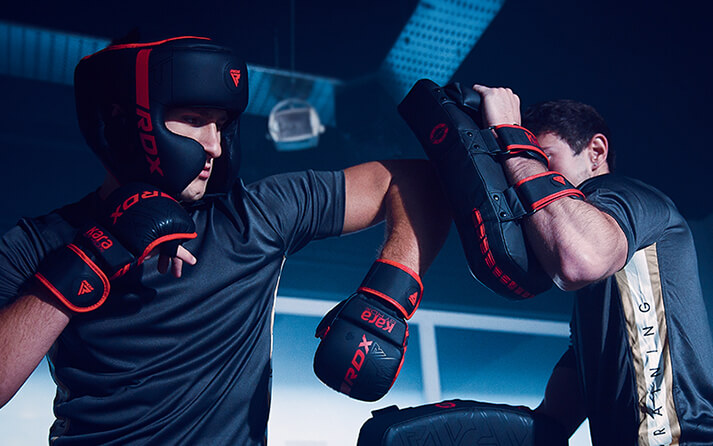
Boxing is tough, but it doesn’t have to be painful if you train smart.
Warm-Up and Cool Down
Start every session with a warm-up: jump rope, arm circles, and light shadowboxing.
End with stretches to relax your muscles and prevent soreness.Listen to Your Body
If something feels off, stop. Don’t push through sharp pain. Learn the difference between discomfort and injury.
Start Slowly
You don’t have to throw 100 punches on day one. Build your routine gradually. Focus on technique first—power will come later.
Your body is your most valuable property—take care of it like you would a new home!
Conclusion
It’s true that boxing can be intimidating when done at home; however, it does not need to be that way.
Learn the basics, how to learn a correct stance, practice footwork, and also get familiar with important punches such as jab and cross. Create a workout plan that includes shadow boxing, strength training, and conditioning training. Grab some basic, inexpensive equipment: gloves, a jump rope, or even a mirror to get you started.
The secret? Consistency. Day one, you won’t feel like a boxer-but by all means, continue, and in no time at all, you’ll start to move, punch, and sweat like a pro.
Struggling to stay consistent? Read our top motivation strategies to keep your workouts on track.
So, how do you start boxing? Right here, right now, take your stance today. Throw a couple of jabs. Throw in some footwork. It’s all progress, not perfection.
Ready to make your living room your first boxing gym? Let`s do this.