





Let’s see some ways we can avoid those ouch moments and enjoy the adrenaline rush of boxing with full zeal:
Most Common Boxing Injuries and Their Causes
Boxing is quite high-impact. It’s obvious and perhaps doesn’t even need an explanation. You are trying to beat up someone, and you are getting beaten up in return, so there is a lot of impact going to and fro. So getting injured is all but natural here:
Hand and Wrist Injuries
Boxing impact mostly lands on the fighters’ hands and wrists. If your hands and wrists are not fully protected, they will get injured. Hand and wrist sprains, fractures, and boxer knuckles are common boxing injuries of hands and wrists. These injuries happen due to improper hand wrapping under the boxing gloves, low quality, thin padding of the gloves, or even because of bad punching techniques.
Shoulder Injuries
Other than hand and wrist injuries, shoulder injuries are also quite common. Rotator cuff sprains and shoulder impingement are very common among boxers. Repetitive movements of boxing can cause these injuries. Most of the time, rest is the best remedy for these injuries. In case, a fighter ignores rest factor for recovery, these common shoulder injuries can lead to serious inflammation.
Head Injuries
Head injuries, including concussions and cuts, are common due to direct blows. Repeated blows to the head can cause serious brain injuries, too. This happens when your headgear is not proper or of high quality.
Ankle and Knee Injuries
Since you are constantly moving and pivoting in boxing, your ankles and knees are under a lot of stress too. Though major work is down far from your knees and ankles, they are still bearing the weight of your constantly moving body. If boxers aren’t maintaining proper form, risks for knee and ankle injury will rise. Boxers’ footwear is also very important in keeping ankles and knee joints safe.
Rib and Body Injuries
Body shots can cause severe bruising or even rib fractures sometimes. If you have a strong core or your defensive awareness is not up to the mark, you’ll be more vulnerable to these injuries.
Injury Prevention Strategies for Boxers

Getting injured sucks. No one wants to sit out while others are throwing punches and having all the fun. But good news—you can avoid most injuries if you train smart. Here’s how:
Warm-Up and Stretch—No Excuses!
Jumping straight into a fight or training without warming up? That’s asking for trouble. Why throw your body into the ring without getting it ready? Warm your muscles up with dynamic stretching, light cardio, and some mobility exercises. Skipping this step? Hello, muscle strains!
Strength Training and Conditioning—Your Body Needs Armor
A weak body will be injured. A strong one will resist. Use strength training to make your joints, muscles, and bones more resilient. Focus on core workouts, shoulder stability drills, and leg exercises. A strong core means you can take body shots better, and strong legs mean better footwork—less risk of ankle and knee injuries. Train smart, not just hard.
Fix Your Form—Bad Technique = Pain
Throwing punches the wrong way is a shortcut to injury. Whatever you do, you need to do it with the right form. With the right form, your punches will be stronger too. Make sure you are punching the right way, and you are keeping your body balanced while doing it.
Listen to Your Body—It Knows Best
If something feels off, stop. Pushing through pain doesn’t make you tougher; it makes you injured. Overtraining is a real thing, and it leads to exhaustion, inflammation, and even serious injuries. Take breaks, recover properly, and give your body the care it deserves.
Related Article: Why Core Strength Matters in Combat Sports (And How to Build It)
Essential Protective Gear for Injury Prevention

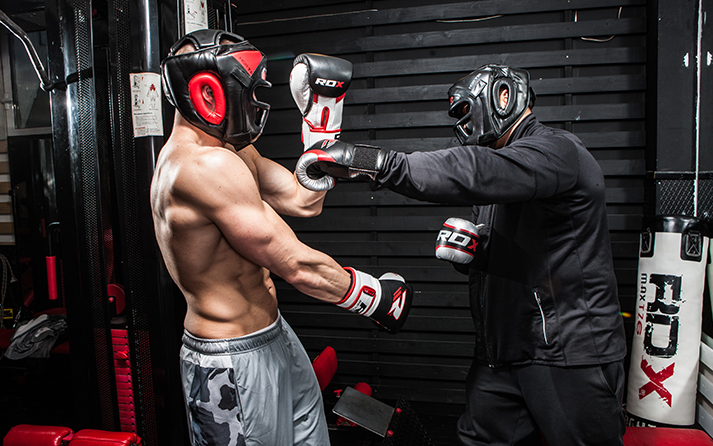
If you want to go on fighting and not be in the doctor’s office all the time, you need the right gear to keep away from common boxing injuries. Here are some items that are absolutely unavoidable:
Boxing Gloves
You see boxing gloves in a store, and you just grab them because they will protect your opponent and your hands? Buy, but consider the padding, the right fit, and the durability factor. All boxing gloves aren’t alike.
There are light ones, there are heavier options. If you want to stay sharp, go for light gloves, but they won’t absorb shock so much. If you want more protection, choose heavy padding. Also, check if they fit right because if you are constantly fixing your gloves, you won’t be doing yourself any good.
Hand Wraps
Beginners often overlook this one thing. They think it’s extra protection, but hand wraps ARE THE PROTECTION. Hand wraps are your first layer of protection that solely works on keeping your hands, wrists, and knuckles out of harm’s way. Buy high-quality, cotton- based hand wraps and give your fragile hand and wrist bones extra protection that they must have anyway.
Headgear
Headgear won’t make you invincible, but it will soften the blow. A good one reduces impact force and protects against cuts. Sparring without it? That’s like riding a bike with no brakes—risky and painful. Find firmly padded headgear for proper protection.
Mouthguards
One bad punch to the jaw, and boom— your teeth will be gone. You don’t want that! So get your mouthguards right away because you can only protect your mouth; you can’t ensure there won’t be mouth blows.
Mouthguards absorb shock and keep your jaw from taking all the force. Custom-fitted mouthguards are best because they fit your jaw perfectly, but they are too expensive. There are many others that protect your smile and fit like they are made for you.
Shin Guards & Ankle Supports:
Your feet take a beating, too. Ankle rolls, shin bruises, and joint strain happen when you don’t protect them. Padded Shin guards help if you’re training kicks, and ankle supports keep those joints stable. Footwork is everything in boxing—protect it.
Injury-Specific Prevention Tips
Boxing is rough, but we can still prevent quite a few injuries. There are inevitable injuries, and there are those that often occur because of our own negligence.
Hand and Wrist Injury Prevention
- Want your hands clear of the common boxing injuries? Perfect your punching form. Use the right techniques. Punch with your first two knuckles; don’t do it with your entire hand.
- Use hand wraps and wrap them correctly for a firm hold on the bones and joints and a layer for shock absorption.
- Strengthen your hands and wrists with exercises so every little extension doesn’t end up in an injury.
Shoulder Injury Prevention
Most newcomers fail to understand the importance of shoulder safety because for them shoulders don’t do much. That opinion changes after they have spent some time in the ring. Shoulders are vital and they get injured a lot too.
- Keep your rotator cuffs strong for action. Do resistance exercises with resistance bands to keep these muscles strong.
- Do mobility drills so these important muscles are flexible and not stiff. Stiff muscles get injured easily.
- Rest when it’s needed. Don’t overuse your shoulders.
Head Injury Prevention
Getting hit in the head hurts. If those blows are repeated, it can cause serious damage.
- Work on your defense techniques so you are able to duck when you need to.
- Keep your guard up, move your head, and use footwork to avoid unnecessary blows. Sparring should be controlled, not an all-out war. wear your head guard and take breaks so your head can get some rest from constant blows.
Ankle and Knee Injury Prevention
Ankle and knee injuries are common boxing injuries. The good thing is they are quite preventable, too.
- Invest your time in mobility and stability drills so your knees and ankles don’t get tired or injured too easily.
- If you have weak joints, don’t hesitate to opt for ankle and knee supports. They stabilize your joints, provide comfort, improve blood flow, and keep you safe from injuries too.
- Work on your footwork. Learn your techniques and apply them. Wrong foot placement often leads to instability and injuries.
Related Article – Footwork and Head Movement in Boxing: Mastering Defence and Offence
Best Warm-Up and Cool-Down Exercises for Injury Prevention
Simple things can do wonders, like warm-up and cool-down exercises can do for your boxing body.
Dynamic Warm-Up
When you are to start your boxing drills, give your body the signals about what you are going to do. This means going for some dynamic stretching. Dynamic stretching prepares your body for the upcoming drill by increasing blood flow, warming it, and infusing your muscles with flexibility:
- Jump Rope: This one fires up your legs, improves coordination, and even boosts endurance.
- Shadow Boxing: Shadow Boxing gets you properly ready for your boxing session. It loosens up your arms, shoulders, and core while sharpening technique.
- Mobility Drills: Hip circles, arm swings, and neck rotations keep your joints fluid and reduce stiffness.
Boxing-Specific Stretches
Want super smooth, super strong moves in the ring? No hitches, no glitches? Work on your flexibility with these exercises:
- Shoulder Stretches: Arm circles and cross-body pulls keep your shoulders mobile.
- Wrist Stretches: Flex and extend your wrists to prevent sprains.
- Lower-Body Flexibility: Hip openers, hamstring stretches, and calf stretches improve footwork and prevent leg injuries.
Cool-Down & Recovery
Don’t freeze before cooling down. Let your temperature come down slowly. Let your body relax, not halt all of a sudden. These exercises will help with a smooth transition:
- Foam Rolling: This one is so important if you don’t wanna turn in your bed with pain. It works out muscle knots and improves circulation.
- Ice Baths: Difficult and even scary but they are awesome for killing inflammation. Ice baths reduce inflammation and soreness after intense sessions.
- Massage Therapy: Loosens tight muscles and speeds up recovery.
Common Mistakes That Lead to Injuries
- Overtraining and lack of rest: Give your body time to recover. If you are never stopping, you’ll have to stop for too long with burnout and injuries.
- Poor recovery habits: Ignoring small pains leads to big problems—stretch and heal properly. Give time to dynamic and static stretching to reduce inflammation, muscle knots, and improve flexibility.
- Skipping warm-ups and cool-downs: Cold muscles break, warm muscles perform. Like we said above, always focus on proper warm up and cool down.
- Using improper or worn-out equipment: Bad gear means bad protection. In combat sports, your protection gear is very important. It keeps you safe, it keeps you going. Buy quality gear from a trusted brand and polish your fighting skills without fearing injury.
Conclusion
Injuries are part of the game, but some can be avoided even in a sport as nasty as boxing. Main proper form when training and always warm up before starting your training session. Strengthen your joints and muscles with exercise, find the right gear for protection of crucial body parts. Injury prevention is also a lot about resting when your body needs it. Let it recover and not overtrain. With these habits, you can keep going with boxing without too many unnecessary injuries.