




How to hit a speed bag the right way?
This guide breaks down every step for speed bag for beginners. You will learn to build rhythm. Improve form. Boost reaction time. A speed bag is more than a tool. It builds timing, endurance, and sharpens your muscle memory.
What is a Speed Bag and Why It’s Important for Boxing?
Speed bags look small but punch above their weight. Want faster hands? Sharper reactions? This tool does it all. It is not just for showboating. Speed bags improve rhythm, boost stamina, and train your mind to match movement with timing.
What Is a Speed Bag?
A speed bag is a small, air-filled bag mounted to a rebound platform. You hit it in rhythm and it bounces back fast. Used in boxing gyms worldwide, it trains timing, speed, and coordination. It looks simple.
Enhances Timing and Coordination
The bag flies back and forth. You have got to react quick. That is the whole point. It sharpens your hand-eye coordination and forces your brain to stay in sync. Over time, this helps you stay cool under pressure.
Builds Endurance and Shoulder Strength
The boxing speed bag keeps you moving nonstop. That repetitive motion fires up your shoulders and builds arm stamina too. Do it right, and your core joins the party. It becomes a full-body challenge in disguise. Builds lean muscle too.
Sharpens Punch Technique
Speed bags are not for wild swings. They teach control. You have to hit with precision or the rhythm breaks. That is where real progress hides. Clean strikes. Smooth flow. Over time, your accuracy levels up. So, if you want real improvement, follow solid speed bag tips early on.
Setting Up Your Speed Bag: Equipment and Setup Tips
Before you throw your first punch, you need to set things up right. Sounds simple, but get it wrong and everything feels off. Bag too high? Bad bounce? Whole session goes to waste.
Choosing the Right Speed Bag
A beginner-friendly bag is easier to control. Big ones bounce too wild. Hang it at chin level for natural punches. Wobbly setups kill the rhythm. Inflate the bag just enough. For a smooth speed bag setup, getting these tiny things right makes a big difference.
Positioning the Bag Correctly
You want the bag right in front of you. Just enough space to punch freely. You should not need to stretch your arms to reach. If it feels off, adjust it. That perfect distance helps you move smoothly. Every inch counts when training for rhythm and speed.
Do You Need Gloves or Wraps?
Hand wraps give your wrists solid support without making your hands bulky. That helps you feel the bag better. And keeps you safe. Over time, you can go barehanded. But if you are new to speed bag training, do not skip wrist support. Your joints will thank you.
Related Article: Speed Bag Boxing – Speed Boxing Your Hands Like A Pro
Mastering the Basic Technique of Hitting the Speed Bag
Technique makes or breaks your speed bag game. You cannot just swing wild and hope it works. Start with form. Focus on rhythm. Do not rush. The bag punishes sloppy work. But once you get the hang of it, it feels smooth. Addictive even.
Find Your Boxing Stance
Stand tall but relaxed. Feet shoulder-width apart. Knees slightly bent. Now tuck those elbows in. Keep them tight to your body. That gives you better control and flow. A proper stance sets the tone. Start steady. Own your space. Then let the punches follow.
Start With Light, Rhythmic Punches
No need to smash the bag. Begin with a simple jab. Then a cross. Feel the rhythm. Let your hands glide. Each tap should be soft but sharp. You are not brawling. You are learning. This is all about speed bag technique. Stay smooth. Stay light. Your hands will thank you later. So will your timing.
Timing Is Everything
Do not punch too early. Or too late. Watch the bag bounce back. Hit it right as it returns. Count the rhythm in your head if that helps. It is not about being fast. It is about being on beat. That is the soul of speed bag rhythm. Get that right, and everything clicks into place.
Build Speed Without Losing Control
Once you find your flow, it is time to level up. Push the pace. But keep your form. No flailing. No panic. The faster you punch, the more controlled you must be. If the bag starts spinning wild, slow back down. Reset. Rhythm always wins over raw power.
Speed Bag Rhythm: How to Find and Maintain the Right Beat?
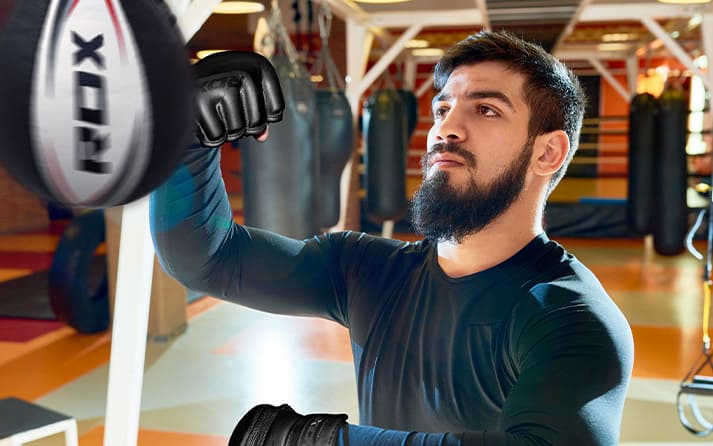
You miss one beat, and the bag spins out like crazy. It is not just about speed. It is about flow. Punch. Bounce. Repeat. So how do you find that sweet tempo? Let us break it down step-by-step so your rhythm stays tight.
Start Slow and Steady
Hit the bag slow at first. Control each punch. Feel the bounce. That is how you build real timing. Let your hands learn the pace. Once you master that base rhythm, speed will come naturally. Patience pays off. Fast hands mean nothing if they cannot land clean. Master control first.
Let Sound Be Your Guide
The bag makes a sound when it rebounds. Tap-tap-tap. It tells you when to punch next. That steady bounce sound keeps your flow alive. Let it guide your hands. This is the heart of speed bag rhythm. No music needed. The bag becomes the song.
Build Speed With Consistency
Once your rhythm feels locked, pick up the pace. Make each punch count. That is one of the best speed bag tips for beginners. Increase your speed slowly, and your hands will move faster without losing form or flow.



Common Speed Bag Mistakes and How to Avoid Them?
Speed bags can humble you fast. One wrong move and the whole thing goes off beat. That is normal. Everyone messes up in the beginning. But knowing what to avoid? That is gold.
Stop Hitting the Bag Too Hard
Use light taps instead. Focus on clean, quick punches. You want smooth motion. Not chaos. This is a rhythm tool. Treat it with finesse. Let the bag do the work.
Follow Through With Every Punch
You need your punches to follow through fully. That gives the bag enough push to rebound properly. It also keeps your rhythm alive. Let each punch land. Then bounce. Then repeat. Clean follow-through keeps everything moving like clockwork.
Bad Form Wastes Energy
Watch those elbows. Beginners often let them flare out. That kills your rhythm and drains your arms fast. Keep them tucked in close. Stay compact. Form is everything. Without it, even a perfect punch loses power. Train your body to stay tight and balanced every round.
Rhythm First, Speed Later
Trying to go fast before you find rhythm is a classic mistake. That steady bounce matters more than speed. One of the best speed bag tips is this: treat it like a dance. In your speed bag workout, rhythm is your partner. Stay in sync.
Related Article: Benefits And Workouts Associated With Speed Bags
Speed Bag Workout for Beginners
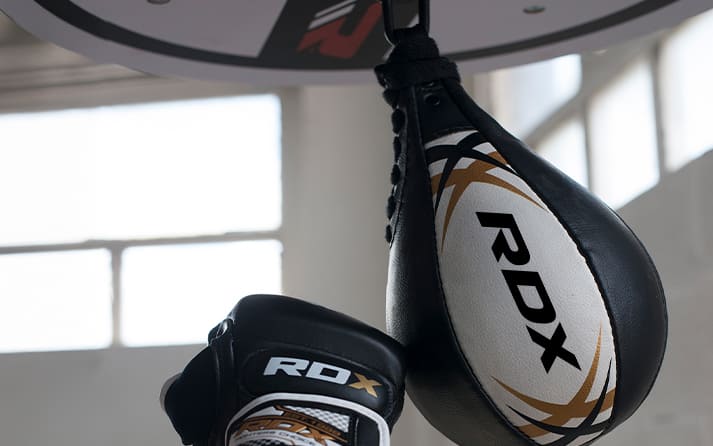
Time to put all that form and rhythm into action. You do not need a fancy routine to get started. Just a few minutes and some structure. This beginner-friendly workout will ease you in, raise your heart rate, and build consistency. Just real speed bag training for real results.
Warm Up and Get Loose
A quick five-minute jog or some jump rope is enough. It wakes up your body and preps your shoulders. Never skip this. Cold muscles do not like fast movements. A good warm-up sets the tone for clean rhythm and safe form during speed bag training sessions.
Drill, Punch, Repeat
Start with simple jabs and crosses for two to three minutes. Then add speed. Keep your form tight. For the third drill, mix things up. Alternate punches and move your feet. Circle the bag. This is a beginner’s speed bag workout, but it still hits hard if you stay focused.
Rest and Cool Down Right
After every three minutes of work, take a 30-second breather. That quick reset helps your muscles recover. When done, stretch your shoulders, wrists, and arms. Cooldowns keep soreness away and help you show up fresh the next round.
FAQ’s
Conclusion
Mastering the speed bag takes time. You need patience. Rhythm. And a bit of stubborn focus. If you are just starting, keep your punches relaxed and steady. Do not chase speed. Let it come to you.
Learn how to hit a speed bag the right way and stick with it. Add speed bag training into your weekly grind. It sharpens your timing, strengthens your shoulders, and builds that fighter mindset.