



This guide breaks down key boxing defensive techniques so you’re not left guessing. We’ll cover how to use your guard, angle your footwork, and drill smart until these moves become second nature.
What Is a Lead Hook?
A lead hook’s a strike that can take you out of the game if it lands right. It starts off from your jab side but it’s no straight shooter. It makes a tight arc to build momentum and power and lands on either the side of your head or body.
It’s called the sleeper K.O. for good reason: If it lands on the chin, it’s nighty night for you.
Related Article: Boxing Defence Techniques: Mastering the Art of Staying Unharmed
Importance of Blocking the Lead Hook
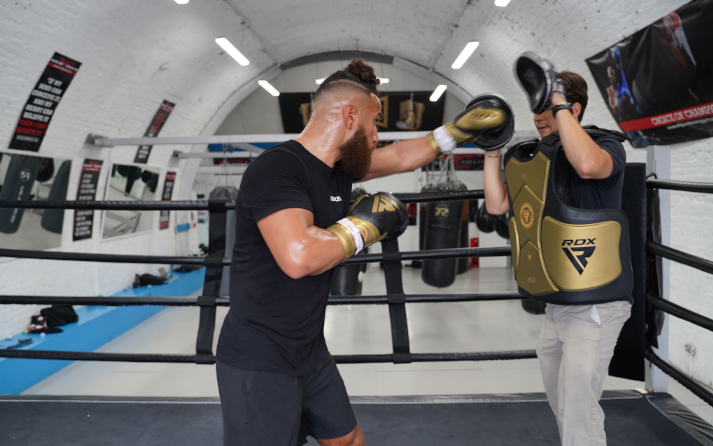
How often the lead hook slips right around someone’s guard is pretty wild. If you’re new, this punch feels sneaky and hard to track. Once you trust your defense, you can look for openings and land your own shots.
Good habits here become the core of beginner boxing defense tips and tie directly into boxing basics for self-defense.
Slips Around a Lazy Guard
If your rear hand drops or your elbows flare out, that hook wraps right in. Many people keep their guard too wide without realizing it. Tightening up takes conscious practice, but it’s worth it. You’ll block more shots just by keeping your hands home.
Dangerous for New Boxers
A lot of beginners freeze or lean straight back when they see punches coming. That might work for straight shots, but it puts your head perfectly in the line of a hook.
The more you lean, the easier it is to catch the full arc. Staying calm and slipping or covering up properly saves you from eating that big shot.
Builds Confidence for Counters
Blocking clean makes you feel safe enough to fire back. If you know you can handle a hook without panicking, you’ll start looking for little windows to return a punch. It’s not just about defense but about setting the table for your offense.
Boxing Guard Position for Blocking Hooks
A tight guard might be the most underrated tool for shutting down hooks. Keeping your hands high, elbows close, and chin tucked does more than look pretty. It means hooks crash into solid arms instead of your jaw.
Learning the right boxing guard position and matching it with a solid boxing stance for blocking makes all the difference.
High Guard with Rear Hand at the Temple
The classic high guard means hands up by your eyebrows, elbows tight. Keep that rear hand a touch higher, protecting your temple and jawline. It’s your emergency wall if a hook slips through. The lead hand stays slightly forward, ready to catch or parry quick shots.
Chin Tucked and Eyes Locked In
Tucking your chin keeps it out of the punch’s path. It also means if something lands, your forehead or glove takes it, not your jaw. Your eyes stay forward, scanning the shoulders and hips so you spot hooks early. Looking down or away is like handing out free shots.
Elbows Protect the Body Too
Don’t let your elbows drift. Keeping them tight shields your ribs from sneaky body hooks. If your elbows float out, it opens the door for a quick shot that digs right under your guard. A solid elbow position makes your defense a fortress from top to bottom.
Related article: Footwork and Head Movement in Boxing: Mastering Defence and Offence
How to Block a Lead Hook? (Step-by-Step)
Want to figure out how to block a lead hook without panicking or flinching every time someone loads up? It’s simpler than you’d think.
You build comfort by repeating small moves until they click. If you care about blocking a hook in boxing without eating it full force, start here:
- Check the shift of their hips and the distance between you two.
- Keep a high guard up. Your hand should be glued to your head.
- Turn your shoulder when the blow lands. It eats at the force.
Alternative Defenses: Slipping, Ducking, and Rolling
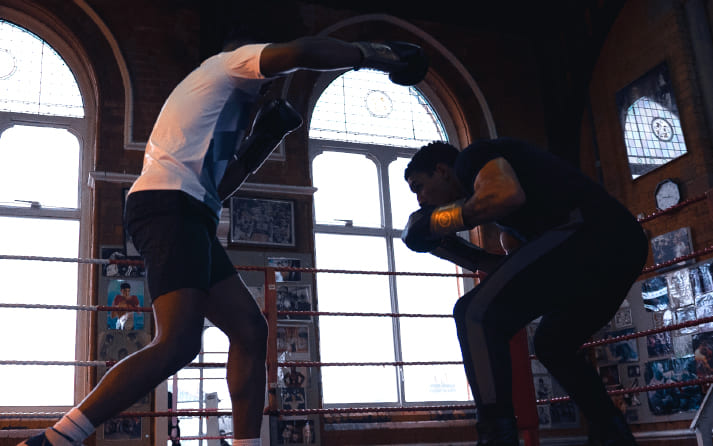
You don’t always need to block a hook with your glove. Some of the best boxers hardly get touched because they make punches miss by just a hair. Each move shifts you off the hook’s path in its own way.
Mix them up and you’ll become way tougher to tag. It’s the heart of smart boxing defensive techniques, and ties right into how to dodge punches in boxing plus sharp boxing head movement drills.
Slip Inside the Hook’s Path
Instead of leaning away, try slipping inside toward the punch. It actually shortens the hook’s reach and makes it graze past you. Dip your lead shoulder, turn slightly, and keep your eyes on their chest. The key is to stay balanced so you’re ready to counter right after.
Duck Under with Bouncy Legs
If the hook is high, drop straight under it. Bend your knees, keep your hips loaded, and sink just low enough to clear the shot. Fast, small dips make it easy to pop back up with a hook or uppercut of your own.
Roll the Shoulder to Steal Power
The shoulder roll isn’t just for show. Turning your upper body so the punch slides off your shoulder robs it of power. It also puts you in a tight spot to throw back. It’s all about timing. Roll too early and they adjust; too late and you eat leather.
Footwork for Avoiding Hooks
Good footwork keeps you from needing to block or slip every single punch. Staying light on your toes, with your weight centered, is key for balance. This is how top fighters mix boxing footwork and agility with a strong boxing stance for blocking.
Pivot Out or Step Back
A simple pivot on your lead foot spins you out of the hook’s path and lines you up for a counter. If the hook’s too close to slip, just step straight back. That tiny shift often makes the punch fall short.
Use Lateral Movement to Change Angle
Stepping to the side breaks their line of attack. Move to your left or right right after they load up, and suddenly the hook sails past. This lateral shuffle also puts you at an angle for your own shots.
Stay Centered and Mix in Feints
Always keep your feet under you. Being too narrow or too wide kills your balance and slows your reactions. When your stance is solid, you can feint or throw quick counters right after dodging.
Drills to Practice Hook Defense
If you want hook defense to stick, you’ve got to drill it until your body does it without thinking. The best way is to mix up different types of practice. It’s how real fighters build sharp boxing head movement drills, master how to block punches in boxing, and lock in beginner boxing defense tips that actually hold up under pressure.
Mitt Work and Controlled Sparring
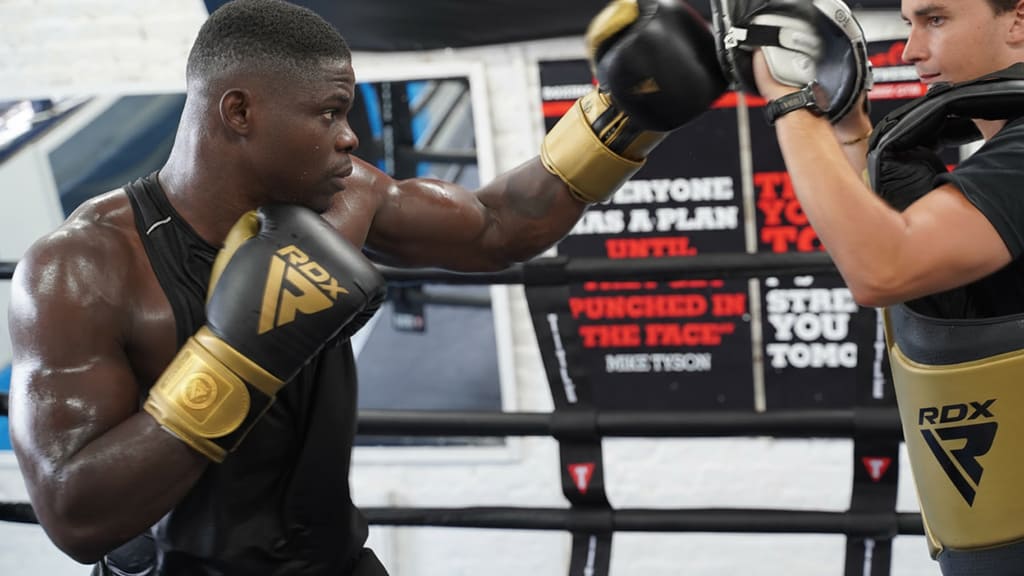
Working with a partner on mitts is gold. Have them throw lead hooks so you can block, slip, or pivot right after. You can also spar light rounds that only focus on defending hooks.
Shadowboxing and Imaginary Attacks
Picture hooks coming at you, then practice slipping, ducking, or rolling. Move your feet, shift your shoulders, keep your hands tight. The more you rehearse defensive moves in the air, the easier they show up under fire.
Maize Bag and Slip Bag Drills
A maize bag (or slip bag) swings around and forces you to react to random angles. Dip, step, or roll under as it passes. It’s simple but teaches you timing.
Best Gear for Training Hook Defense
Good defense isn’t just skill — it’s also about having the right gear. That’s why smart boxers always look for the best boxing gloves for training and trust brands like RDX boxing gear to get the job done.
Pick the Right Gloves
For regular drills, 12–16 oz gloves give your knuckles enough cushion while still letting you feel your punches. Heavier gloves build arm endurance, too. Thin, cheap gloves wear out fast and do nothing for your wrists or knuckles.
Trust Solid Brands Like RDX
RDX makes some of the most reliable training gear out there. Their gloves give solid wrist support, and the padding holds up even after months of hard work. If you’re serious about defense, this is the stuff that keeps your hands healthy session after session.
Extras That Help Defense
A cheek-protect headgear keeps hooks from scraping your face up. Slip bags build reaction timing without the full impact. And focus mitts let your partner practice throwing realistic hooks that you block or roll under. Little add-ons like this take your defense up a level.
Common Mistakes When Blocking Lead Hooks
Even with hours of training, people slip into bad habits that let hooks crash through. It’s usually small stuff: hands dropping, head drifting, or brain freezing right when it counts. Focus on spotting the punch early, keep your guard honest, and only speed up when your form holds.
Dropping Hands or Reacting Late
The rear hand needs to be stuck to your head like glue. Drop it even for a second, and that’s all the window a hook needs. Stay laser-focused on your opponent’s shoulders and hips, so nothing surprises you.
Leaning Back or Freezing Up
Leaning away might dodge a jab, but it sets you up perfectly for a hook. Worse, some freeze entirely when they see punches coming. Keeping calm under fire takes reps. Start slow so you train your mind to stay loose instead of stiffening up.
Drill Slow, Build Awareness First
Most defenses break down when they rush to full speed. Take it slow. Notice your guard, your balance, and your reactions. Once it feels automatic, pick up the pace.
FAQ’s
Blocking a lead hook isn’t about flashy tricks. It’s sharp basics that save your chin every time. With a solid stance, a steady guard, and smooth movement, even new boxers can shut down hooks with confidence.
Keep training with purpose, stay relaxed under pressure, and mix your defense with smart counters. That’s how you truly master how to block a lead hook and level up your boxing defensive techniques.