



You don’t need to be a pro powerlifter to wear one. Beginners, intermediate lifters, and anyone who’s serious about strength can benefit if they use it smartly. That’s what this guide is all about. We’ll break down the real reasons behind using a lifting belt, how to wear a weightlifting belt the right way, and what makes it useful. Plus, we’ll highlight top options for every style: the lever buckle for heavy lifting, the 6″ leather gym belt for all-round training, and the weight training dipping belt for bodyweight power moves.
What Does a Weightlifting Belt Do?
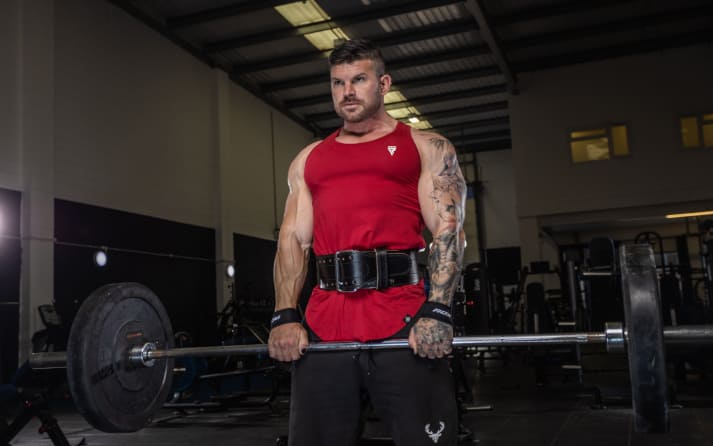
Let’s get this straight: a weightlifting belt doesn’t make you instantly stronger. What it does is help your body stay solid when the weights get serious. When you’re lifting heavy, your body needs more than just muscle. It needs pressure. That’s where intra-abdominal pressure comes in.
When you brace your core and push out against the belt, it increases that pressure inside your trunk. This pressure acts like an internal support system. It protects your spine and keeps your form tight. That’s one of the key benefits of lifting belt use: it gives your body something to brace against, especially when the weight feels like it’s trying to fold you in half.
The belt connects you to your body when you are lifting heavy. It constantly sends you a reminder to engage your core properly, which is important when your focus is on lifting heavy. It supports your lifts but does not cover for a weak core.
Think of it like a training partner that keeps you honest. Know how to wear a weightlifting belt, understand when to wear a lifting belt, and you’ll train with better form, better focus, and way less risk.
Related article: Lifting Heavy? Stay Safe and Secure with RDX’s Leather Gym Belt!
How to Correctly Wear a Weightlifting Belt
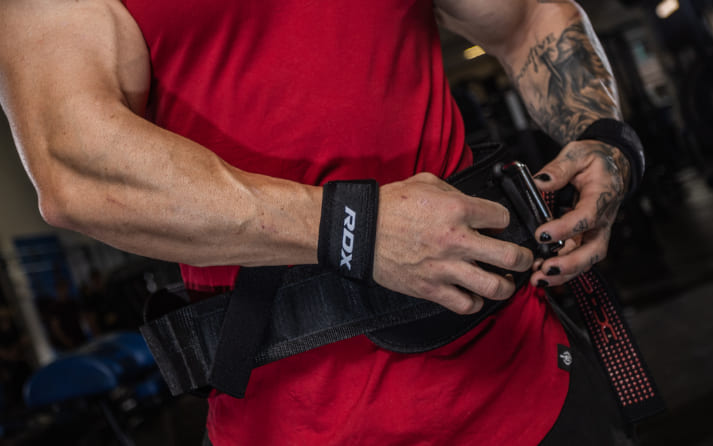
If you’re serious about doing some heavier lifting, then it’s time to learn how to wear a weightlifting belt the right way. Slapping it on without knowing the basics won’t help you lift better; it might even hold you back.
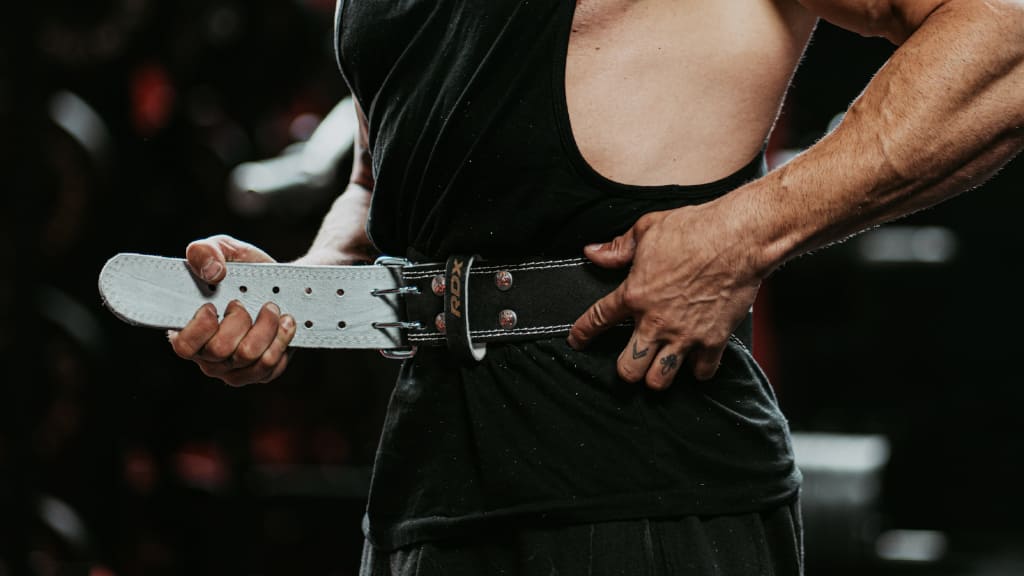
Start with placement. Your belt should sit between your ribs and hips, firmly wrapped around your lower back and abdomen. This is the zone where your core creates intra-abdominal pressure, which keeps your spine safe and your form solid. If it’s too high or low, you lose that support.
Next comes tightness. The belt should be snug, not suffocating; you should be able to take a deep belly breath and press against it. That’s the whole point. A tight belt with no room to breathe ruins your core bracing techniques. If you can’t brace properly, you won’t get real squat belt support.
Now, breathe in deep. Push your belly into the belt. Hold that pressure as you lift. That’s your body locking in. Not just muscles, your whole core, working as a unit.
Pro tip: If you’re using the RDX 6C Neoprene weightlifting gym belt, the adjustable lever is a game-changer. You can lock in tight, then loosen between sets without messing around. Super helpful for when you’re switching between warmups and max sets fast.
Yes, beltless training has its place but when the weight goes up, a solid powerlifting belt is your backup. Wear it right, brace hard, and lift like you mean it.
Related article: Enhancing Your Performance with a Weightlifting Belt
When (and When Not) to Wear a Weightlifting Belt
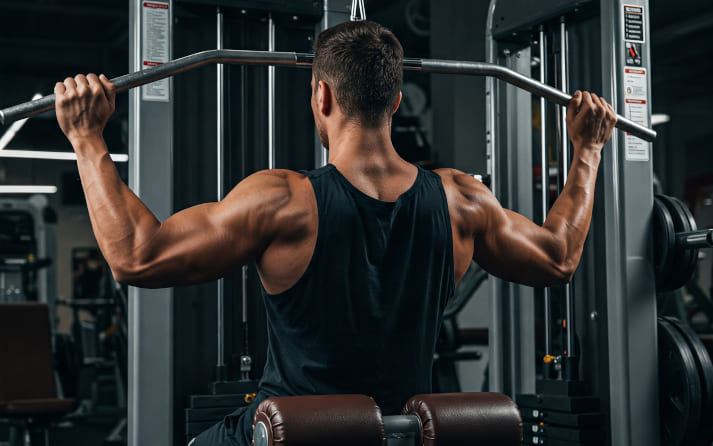
Let’s clear this up: knowing when to wear a lifting belt can make or break your training. It’s not about wearing one every time you step into the gym. It’s about using it with intention.
Use a powerlifting belt when the weight is serious. By that, we mean big, compound lifts like squats, deadlifts, or overhead presses, especially when you’re pushing 80% or more of your 1-rep max. This is when your body needs help building intra-abdominal pressure, locking in your spine, and keeping everything stable under that stress. For these moments, that belt isn’t optional; it’s your support system.
During max-effort sets or low-rep strength work, a belt gives you the edge. It boosts squat belt support and keeps your spine tight during deadlift belt use. But don’t get lazy with it. The belt only works if you apply solid core bracing techniques.
Now for when not to wear it.
Skip the belt on light accessory lifts. Save it when you’re learning new movements, your body needs to build raw control without help. And don’t treat it like a crutch. If you’re relying on it for everyday lifting, you’re missing the point.
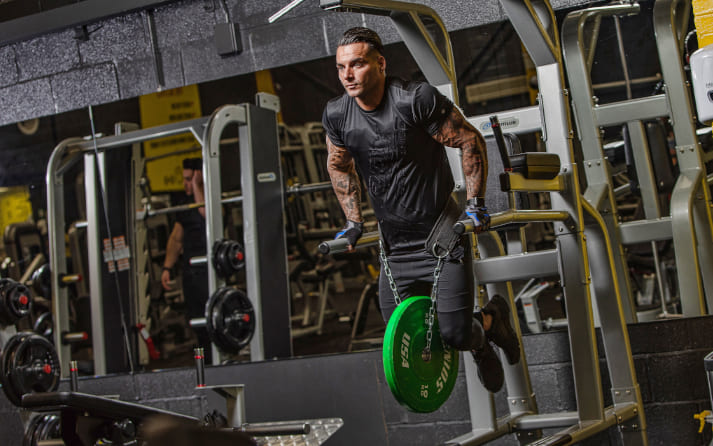
And for bodyweight strength? That’s where a different kind of belt shines. The weight training dipping belt is made for weighted pull-ups and dips. It shifts the load to your hips and keeps your spine free.
There’s always a debate: lifting belt vs no belt. But smart lifters know it’s not one or the other. It’s about using the right tool at the right time.
Related article: How Dipping Belts Can Help You Build Explosive Strength
Different Types of Belts and Which One You Need
Not all belts are built the same and there’s quite a lot of weightlifting belt types to choose from but it all depends on how you train, what you lift, and what kind of support you actually need. There’s no one-size-fits-all when it comes to strength training equipment, and that’s the same case with belts.
Let’s break it down.
The 4” leather belt is a solid all-rounder. If you’re here for general strength training like hitting solid squats and deadlifts, this is for you. It’s supportive, flexible, and doesn’t feel like overkill. A good start for beginners and recreational lifters.
Now, if you’re going all-in on powerlifting, the 4-inch powerlifting belt steps in. This one’s all about tight, rigid support. It locks in fast with a lever buckle, which is super handy between sets. It’s one of the best powerlifting belts out there if you care about every kilo and need rock-solid squat belt support.


But maybe you’re more about bodyweight training, pull-ups, dips, and muscle-ups. That’s where the weight training dipping belt comes in. It lets you add weight without messing with your back or core positioning. Ideal for serious upper-body strength work.
Material, buckle type, and belt thickness all matter. Leather belts offer durability and firmness. Lever buckles give quicker, more secure locking compared to prong-style. Thicker belts provide that extra pressure but also end up being uncomfortable for some people.
In the end, it’s not just lifting belt vs no belt, it’s about picking the belt that fits your style, supports your goals, and complements your core bracing techniques. Choose smart. Lift better.
Belt vs Beltless Training: Pros & Cons
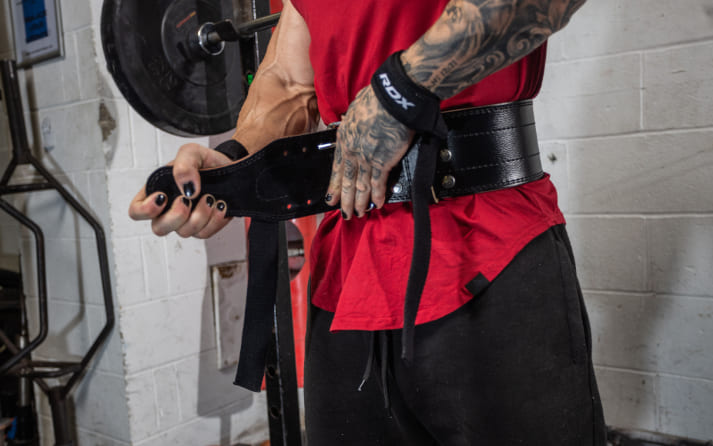
Lifting belt vs no belt, some swear by belts, others avoid them completely. The truth? Both have value. It all depends on how you train.
Training with a powerlifting belt boosts stability, helps you lift heavier, and reinforces your body’s natural core bracing techniques. Over time, it even improves how your brain and muscles work together under serious load. That’s one of the biggest benefits of lifting belt use: it teaches you how to brace like a machine.
But beltless training has its own benefits too. It challenges your raw core strength, forces better body awareness, and helps you own your movement without relying on gear. For beginners or lighter lifts, training without a belt builds a strong foundation.
So what’s the move? Find balance. Use the belt when the weight gets heavy or the goal is max strength. But don’t wear it just to “look serious.” Smart lifters save the belt for the work that needs it. You want the best of both worlds: a belt when you need it, no belt when you don’t. That’s how you train smarter and get stronger.
Related article: Dip Belt vs. Weightlifting Belt: What’s the Difference & Which One Do You Need?
Conclusion
A weightlifting belt isn’t a cheat code. It’s a tool, and like any tool, it works best when you use it with purpose. If you’re lifting heavy, chasing strength goals, or pushing past limits, it can be a game-changer. But only if you know how to wear a weightlifting belt and when to rely on it.
Whether it’s maxing out or adding plates to pull-ups, the right belt matters. Understand the benefits of lifting belt use. Choose wisely. Train harder. These are some of the best powerlifting belts out there; now make them work for you.