




This article peels back the history of these classic training partners. By following the history of punching bags, we will see how they’ve shifted shape over decades. Knowing the boxing punching bag history adds a whole new meaning to each jab, hook, or uppercut you throw.
The Origins of Punching Bags
It’s easy to think punching bags are a modern invention. Truth is, athletes were striking stuffed sacks long before boxing rings had bright lights or roaring crowds. Their roots go way back, born from a simple need: to train harder, smarter, and tougher. Want to trace it? Let’s rewind.
Ancient Roots: Greece and Rome
In ancient Greece and Rome, athletes didn’t have sleek leather bags. They tied up heavy sacks filled with sand or grain and hammered away. Smacking those makeshift bags built raw power and endless endurance.
Birth of the Modern Concept
Fighters needed a tool to hone punches without risking shattered knuckles. That’s when these bags evolved. Curious when were punching bags invented? Those decades carved out the first versions — tougher than ever and designed for serious ring prep.
Mike Donovan’s Influence
Enter Mike Donovan boxing innovation. He pushed training into sharper territory, urging boxers to use punching bags for footwork, timing, and accuracy. Thanks to thinkers like him, those rough sacks became must-haves in every boxing gym.
Evolution of Boxing Punching Bags
Fighters needed more than just something heavy to hit. They wanted tools that mimicked a real fight — ways to build speed, timing, and raw force. That demand pushed punching bags into a whole new league.
19th Century Leather and Sand
Picture thick leather stitched tight and stuffed with heavy sand. These bags trained stamina, power, and laser focus. Fighters would spend hours pounding away, feeling their shoulders burn, their breath sharpen, and their strikes get meaner.
Early 1900s Standard in Gyms
Gyms popped up, and with them came the idea of standard gear. The evolution of boxing training equipment took off. Bags weren’t just slapped together anymore. They were measured, tested, and designed to help boxers master their craft — punch after punch.
Rise of the Heavy and Speed Bag
That’s also when the heavy bag boxing timeline took shape. These bags let fighters blast full-force hits without worry. At the same time, the speed bag boxing origins gave boxers a clever tool for rhythm, quickness, and hand-eye magic.
Types of Punching Bags in Boxing
Walk into any boxing gym and you’ll see it: a lineup of bags, each shaped and hung a little differently. It’s not random. Every type of punching bag has its job — building power, speed, or pinpoint timing.
Heavy Bag: Powerhouse of the Gym
Thick, heavy, often packed with cloth, sand, or fancy synthetic fills. Smashing combos into this beast toughens up your shoulders, arms, and lungs all at once. Look back at the heavy bag boxing timeline, and you’ll see how it became the gold standard for building knockout force.


Speed Bag: Rhythm and Reflex
Then there’s the speed bag, smaller and quick to bounce back. The bag’s quick dance trains your timing, keeps your guard up, and forces you to react. Its place in history is clear when you trace types of punching bags in boxing.
Double-End and Uppercut Bags
Can’t forget the double end bag history. It’s the tricky one, snapping back fast, testing your accuracy and dodges. Meanwhile, uppercut bags hang low or cone-shaped, perfect for driving tight punches upward. Together, they round out every angle of a fighter’s toolkit.
Related Article: Hanging vs Free Standing Punching Bags: Which One is Better for You?
The Impact of Punching Bags on Boxing Training
Punching bags became a hidden backbone of boxing workouts, shaping champions long before fancy machines took over. From gritty old gyms to modern studios, they’ve trained countless shoulders, lungs, and minds.
Technique on Tap
Punching bags let boxers perfect angles and combos without risking a busted nose. Every session means cleaner jabs, sharper hooks, and footwork that dances around trouble. It’s no stretch to say the types of punching bags in boxing exist mainly to fine-tune these vital moves.
Built for Endurance
Think about it: smashing a heavy bag for three minutes straight? That torches your lungs and tests your legs. In the days of old school boxing equipment, running endless laps wasn’t the only path to gas tank glory. Bags forced fighters to grind through fatigue, prepping them for brutal late rounds.
Safe Yet Savage
Unlike sparring, bags never hit back. That means you can unleash combos at full force without worrying about stitches. Thanks to this, the boxing punching bag history is tied directly to developing raw knockout potential — safely, day after day.
Related Article: Mastering Power Punches: How RDX Punching Bags Help You Build Strength and Precision
The Role of Punching Bags in Boxing’s Golden Age
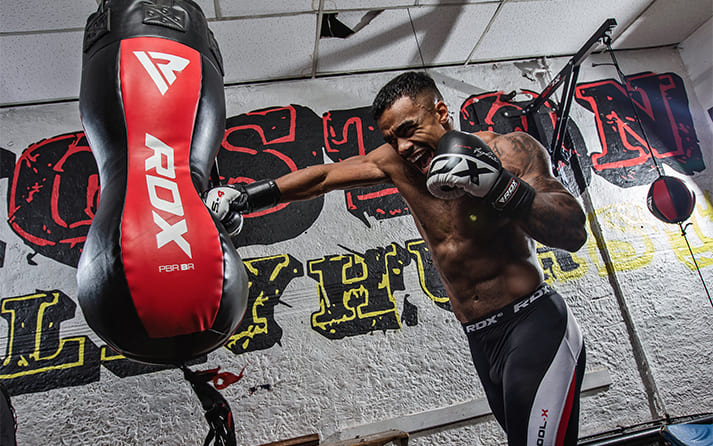
Rows of hanging bags, echoing with every thud. During the sport’s golden age, punching bags weren’t optional — they were the very heart of a fighter’s grind. This was the era where legends were built on sweat and repetition.
From Dempsey to Ali
Icons like Jack Dempsey and Muhammad Ali didn’t just shadowbox mirrors. They pounded heavy bags until their hands ached, crafting timing and force that sent rivals crashing. If you study the history of punching bags, their stories pop up again and again.
Mike Donovan’s Legacy Still Hangs
It circles back to Mike Donovan boxing philosophies. Decades later, his belief in drilling footwork and precision with bags still shaped how champions trained. Whether it was old leather or newer canvas, these tools stayed front and center.
Equipment that Outlasts Trends
Fancy machines came and went, but bag training never faded. The old school boxing equipment stuck around because it simply worked — no bells, no screens, just pure sweat equity that paid off in the ring.
Modern Punching Bags: Innovations and Advances
Punching bags didn’t stop evolving after the golden days of boxing. They kept changing, picking up tougher skins, smarter builds, and even tech that reads your punches. Today’s gear still trains grit and power, but it also sneaks in some clever upgrades.
Smarter Materials, Longer Life
Old leather cracked, sweat soaked through, and fixing tears was a pain. Now? Vinyl and neoprene handle daily punishment without flinching. The heavy bag boxing timeline runs right into these slick materials, making sure you get years out of one solid bag.
Data Right at Your Fists
Imagine throwing a combo, then checking an app to see your speed. Some modern bags do exactly that. They track punch force, pace, and even balance. It’s proof the boxing punching bag history isn’t stuck in the past. Smart bags let fighters dial in technique with nerdy precision.
The RDX Punch Bag Example
Want a solid pick? Look at the RDX punch bag. It mixes durability with modern build, trusted by pros and weekend warriors alike. It’s a sign of how far bag tech has come — a classic tool, sharpened for today’s fighters. Slam your best shots into it, and it’ll just keep swinging back for more.
Punching Bags in Modern Boxing and MMA Training
These days, punching bags aren’t just for boxers. Step into a mixed martial arts gym and you’ll see them getting hit with fists, elbows, knees — pretty much every weapon a fighter has. They’ve become core to building speed, cardio, and that sneaky endurance that keeps pros pushing when everyone else fades.
Boxers Still Rely on the Classics
Even now, old-school boxing gyms line walls with heavy and speed bags. Beginners learn basics here, hammering away to grow sharper and stronger. It’s why you’ll hear coaches stress bag work for anyone trying to master the sweet science. Dig into guides on boxing for beginners and you’ll find it right at the top.
Why MMA Fighters Love Bag Work?
MMA athletes aren’t just chasing knockouts. They use punching bags to mimic fight bursts — smashing combos, working knees, mixing in spinning shots. This builds fight IQ and savage cardio at once. No surprise training for UFC fighters almost always starts with heavy bag rounds.
Fitness Fans Jumping In Too
It’s not just fighters. More people use boxing for workouts than ever, chasing lean frames and rock-solid lungs. Cardio-heavy drills on the bag torch calories, so you’ll spot classes hyping boxing workout for fat loss.
The Future of Punching Bags: What’s Next?
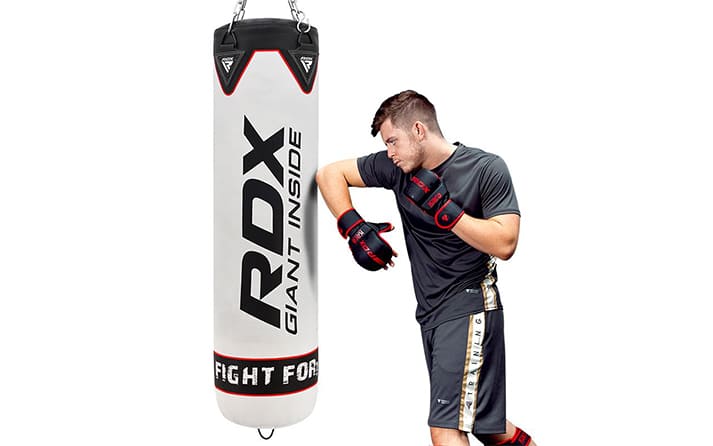
Hard to imagine boxing without punching bags, right? But even these tough old tools are changing. The future points to smarter, more interactive training gear. If the past was all grit and sweat, the next chapter might be part virtual, part real-world punch fest.
Tech Tied Right Into Bags
We already see bags that measure punch force and track combos. Soon, you’ll likely see even tighter links — like smart systems that buzz your gloves when you drop guard. It’s another layer in the evolution of boxing training equipment, keeping athletes sharper.
Apps and Virtual Setups
Picture this: wearing a headset, throwing punches at a real bag, but seeing a digital opponent dodge and counter. As wearables and apps sync with bags, the boxing punching bag history might take a sci-fi leap.
FAQ’s
People have been training with punching bags forever, so it’s no shock they spark lots of questions. From where they started to why they’re still king of gym floors, here are a few quick hits to clear things up.
Punching bags aren’t going anywhere. They’ve carried fighters through centuries of sweat, blood, and glory, and there’s no sign of slowing down. Whether you’re chasing cardio or a championship belt, knowing the history of punching bags gives each punch more meaning.
So next time you lace up and hammer away, remember the long boxing punching bag history behind that swing. It’s part old grit, part evolving science. A testament to the constant evolution of boxing training equipment that keeps us all hitting harder.