



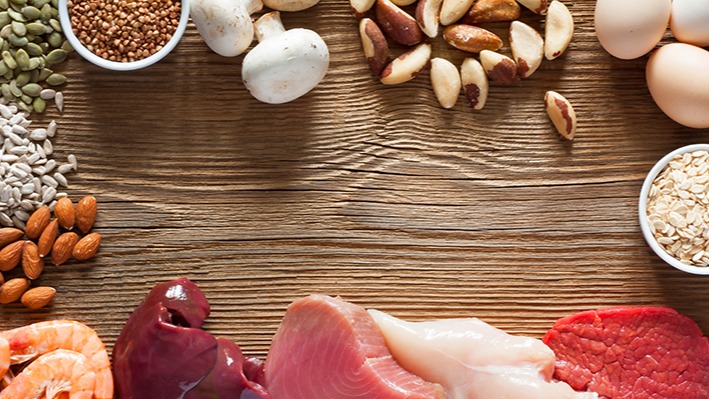
But not all protein is the same. Meat, eggs, and dairy give you complete aminos. Plants? They work too, but you might need more variety. Balance is key.
So, what should you eat? Let’s break down the best high protein foods for muscle, strength, and recovery.
Protein for Muscle Growth
Muscles grow when you workout. Not on the spot, though. They grow when you rest after a workout. That too if you give them the right fuel. Protein is that fuel. It repairs muscle fibers after tough workouts, making them bigger and stronger. No protein? No growth.
Amino acids are the key players here. They’re the building blocks of muscle. Your body needs all nine essential aminos to kick-start protein synthesis. Protein synthesis is the process that repairs and builds muscle. Animal proteins have them all. But plant proteins don’t have them all. Create a balance
So, how much protein intake for muscle growth? It depends. Light training? Aim for 0.6–0.8 grams per pound of body weight. Serious lifter? Go for 0.8–1.2 grams per pound. More intense workouts? Higher protein intake. Simple.
High protein foods build muscle. They also help you lose weight. Since protein keeps you full, you eat less automatically. Protein speeds up recovery and boosts strength. This way you perform at your best.
Related Article – High-Protein Diets for Combat Athletes: Benefits, Risks & Best Practices
Best Protein Sources for Muscle Building
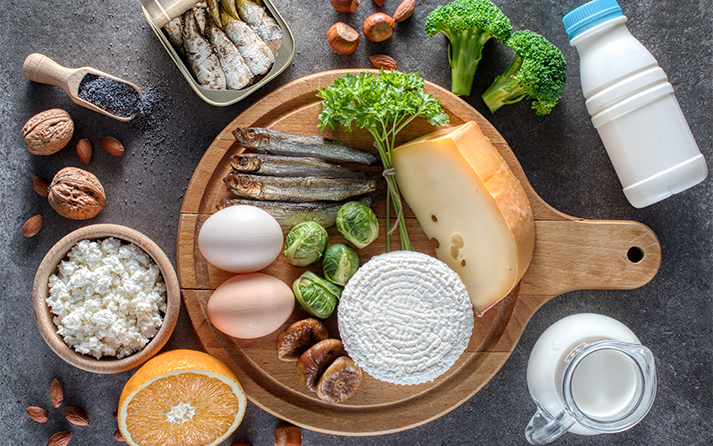
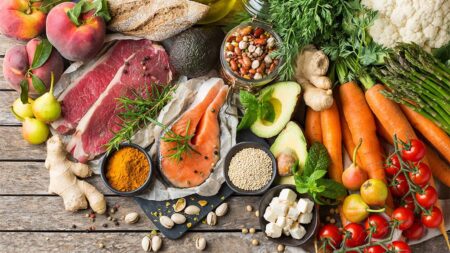
Animal proteins are muscle-building gold. Why? They’re complete proteins, meaning they have all nine essential amino acids. Your body can’t make these on its own, so you need to get them from food. Animal sources deliver them in the right amounts, making them perfect for muscle repair, recovery, and growth.
Here are the best protein foods for fitness and muscle building:
Top Animal Protein Sources
Chicken Breast – The OG Muscle Fuel
Why it’s great: Lean, loaded with protein, and super easy to prepare.
Protein content: 26-27g per 3.5 oz (100g) serving.
Grill it, bake it, or toss it in a stir-fry. No nonsense. Just pure, clean protein with little fat. Perfect for building lean muscle without extra calories.Eggs – Small But Mighty
Why it’s great: High in biological value, meaning your body absorbs the protein easily.
Protein content: 6g per egg (more if you eat multiple).
The yolk? Don’t throw it away. It has healthy fats, vitamins, and choline, which help muscle function and recovery. Scrambled, boiled, or in an omelet—eggs fit anywhere.Salmon & Other Fatty Fish – Protein + Recovery Booster
Why it’s great: Packed with omega-3s, which fight inflammation and speed up recovery.
Protein content: 22-25g per 3.5 oz serving.
Less muscle soreness = better performance in your next workout. Salmon also has B vitamins and selenium, which support energy levels.Lean Beef – Strength in Every Bite
Why it’s great: Loaded with creatine, iron, and zinc—all essential for performance and endurance.
Protein content: 25-27g per 3.5 oz serving.
Creatine helps with power and strength, while iron delivers oxygen to your muscles. Stick to lean cuts (sirloin, top round) for max protein without excess fat.Greek Yogurt – Double the Protein, Double the Gains
Why it’s great: Has both whey (fast-digesting) and casein (slow-digesting) protein.
Protein content: 15-20g per cup.Great as a snack or post-workout meal. The whey protein kicks in fast, while casein keeps feeding your muscles for hours. Plus, it’s packed with probiotics for gut health.
Cottage Cheese – The Overnight Muscle Builder
Why it’s great: Slow-digesting casein protein that works while you sleep.
Protein content: 24-28g per cup.Which Ones Are Best for Recovery?
- Salmon & fatty fish – Reduce inflammation, speed up muscle healing.
- Eggs & Greek yogurt – Fast-digesting protein for quick muscle repair.
- Cottage cheese – Slow-release protein to feed muscles overnight. Animal proteins give you pure muscle-building power. But if you’re going plant-based, no worries—we’ve got you covered next.
High-protein Diet for Muscle Gain
If you think high protein foods alone build muscle, you are wrong. A lot of other factors count too. Like timing counts and so does variety. Some Muscle building foods have all the amino acids and others have some. There are multiple factors involved. Let see the details of your High-protein meal plan:
Morning: Wake Up & Build
- Protein Pancakes – Made with oats, egg whites, and whey. Tastes like a treat, but fuels like a pro. Add a drizzle of honey for extra energy.
- Side of Greek Yogurt – Loaded with 20g of protein and gut-friendly probiotics. Toss in some walnuts for healthy fats.
👉 Why? Your muscles are starving after 7-8 hours of sleep. This combo kick-starts protein synthesis and keeps you full till your next meal.
Mid-Morning: Quick Muscle Snack
- Beef Jerky & Almond Butter – Portable, high in protein, and keeps cravings away. Choose a low-sodium jerky to avoid water retention.
- Handful of Berries – Blueberries, strawberries, or raspberries. Packed with antioxidants to fight muscle inflammation and speed up recovery.
Mid Morning snack keeps blood sugar stable. That means no energy crashes here.
Lunch: The Gains Bowl
- Spicy Ground Turkey & Quinoa Bowl – 30g+ of lean protein plus fiber to keep digestion smooth. Season with garlic and paprika for flavor.
- Avocado & Salsa – here are some Healthy fats. They help you absorb nutrients and boost metabolism.
A healthy lunch fuels your body for workouts and it also prevents muscle breakdown.
Afternoon: Shake, But Make It Strong
- Whey Protein + Coconut Milk + Frozen Banana + Peanut Butter – yum yum! This smoothie tastes like dessert but its the best recovery booster. Add cinnamon for extra metabolism support.
- Chia Seeds – These tiny seeds slow digestion and keep you feeling full.
👉 Why? Fast protein for muscle repair, slow-digesting carbs for steady energy. Perfect pre- or post-workout.
Dinner: The Recovery Feast
- Lemon Garlic Salmon – Packed with omega-3s to reduce soreness and improve joint health. Grill it for crispy skin!
- Roasted Sweet Potatoes & Steamed Asparagus – Carbs for glycogen replenishment, vitamins for muscle function.
👉 Why? You need a mix of protein, carbs, and fats for full recovery. Skip the greasy takeout—your muscles deserve better.
Pre-Bed Snack: The Overnight Fix
- Cottage Cheese & Dark Chocolate Chips – Slow-digesting casein protein keeps muscles fed while you sleep. Dark chocolate adds magnesium, which helps with muscle relaxation.
👉 Why? Prevents muscle breakdown overnight. Wake up strong, not stiff.
Key Takeaways:
1. Eat protein consistently throughout the day to keep muscle-building active.
2. Mix fast and slow-digesting proteins for better absorption and recovery.
3. Pair protein with healthy fats and fiber to improve digestion and energy levels.
4. Hydrate! Water is key to protein absorption and muscle function.
No skipping meals. No bland food. Just real and protein foods for muscle growth
Related Article – 30-Minute High-Protein Recipes: Quick, Easy, and Healthy Meal Ideas
Best Protein for Muscle Recovery & Strength Training
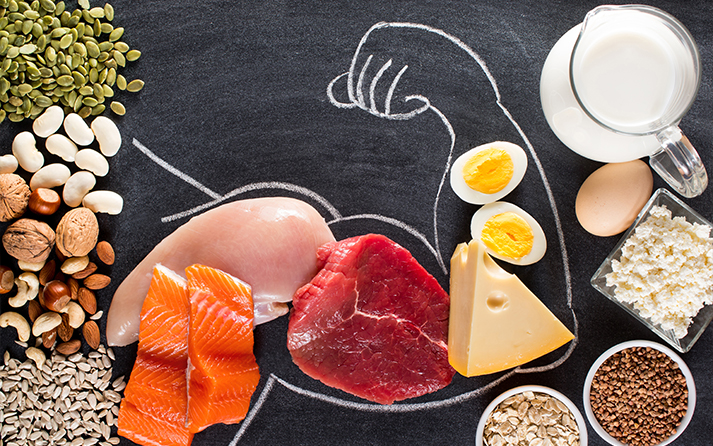
Diet has a lot to do with muscle growth. There are foods that boost growth. There are those that don’t. Here is a bit of info to get your started on the best best protein foods:
Fast vs. Slow-Digesting Protein
- Whey protein is fast-digesting. This simply means that it reaches your muscle very quickly. This is why it’s the best thing to gulp down after a workout. That is when you need to refill the energy stores quickly.
- Casein protein is slow-digesting. This works in a slow and steady manner. That’s the reason people take it at night. It repairs as you sleep.
These are top protein sources. You need both. Take the fast acting ones when you need energy instantly and the slow acting ones when you just want to give your muscles steady food.
Best Protein Sources for Strength Training
You don’t need to rely on powders. Whole foods pack protein and essential nutrients for muscle repair. Some of the best natural high protein foods for bodybuilding include:
- Chicken, Turkey, Lean Beef – The muscle-building staples. Packed with protein and iron to keep your muscles strong and oxygenated. Grill them, toss them in a stir-fry, or throw them in a wrap—easy gains.
- Eggs – The OG of protein. They are loaded with all the essential amino acids your muscles crave. Scramble them, boil them, or make an omelet—quick, cheap, and effective.
- Salmon, Tuna, and Other Fatty Fish – More than just protein. These guys come with omega-3s to fight inflammation and speed up recovery. Bonus: They taste amazing grilled or in a rice bowl.
- Greek Yogurt, Cottage Cheese – Your late-night muscle fuel. A mix of slow and fast-digesting protein keeps your muscles fed even while you sleep. Add some honey or fruit, and it’s like dessert—without the guilt.
- Lentils, Chickpeas, Black Beans – The plant-powered protein punch. Fiber keeps digestion on point, and the protein helps muscles rebuild. Throw them in a salad, soup, or burrito for a solid meal.
For most people, it shouldn’t be the race between the best animal vs plant protein. All sources should be taken in balance. However, for vegans, some sources will have to be supplemented.
Whole Foods Over Supplements
If you have an option, you should choose natural foods. Supplements do help. They can be taken when you can’t cook a full meal or get something ready instantly. But, that definitely doesn’t mean you can rely on supplements. Always choose natural foods because they have way more benefits than it says on the labels.
Conclusion
Lifting heavy is one thing. Feeding your muscles is another. Without enough protein, you’re just breaking down muscle instead of building it.
The fix? Eat smart. Lean meats, eggs, fish, and dairy give you fast-absorbing protein. Legumes, nuts, and grains bring plant power. Mix both for the best results.
Try these high protein foods. Feel the difference in your strength and recovery. Adjust as needed. Stay consistent.
Got a favorite high-protein meal? Drop it in the comments! Let’s grow together.