



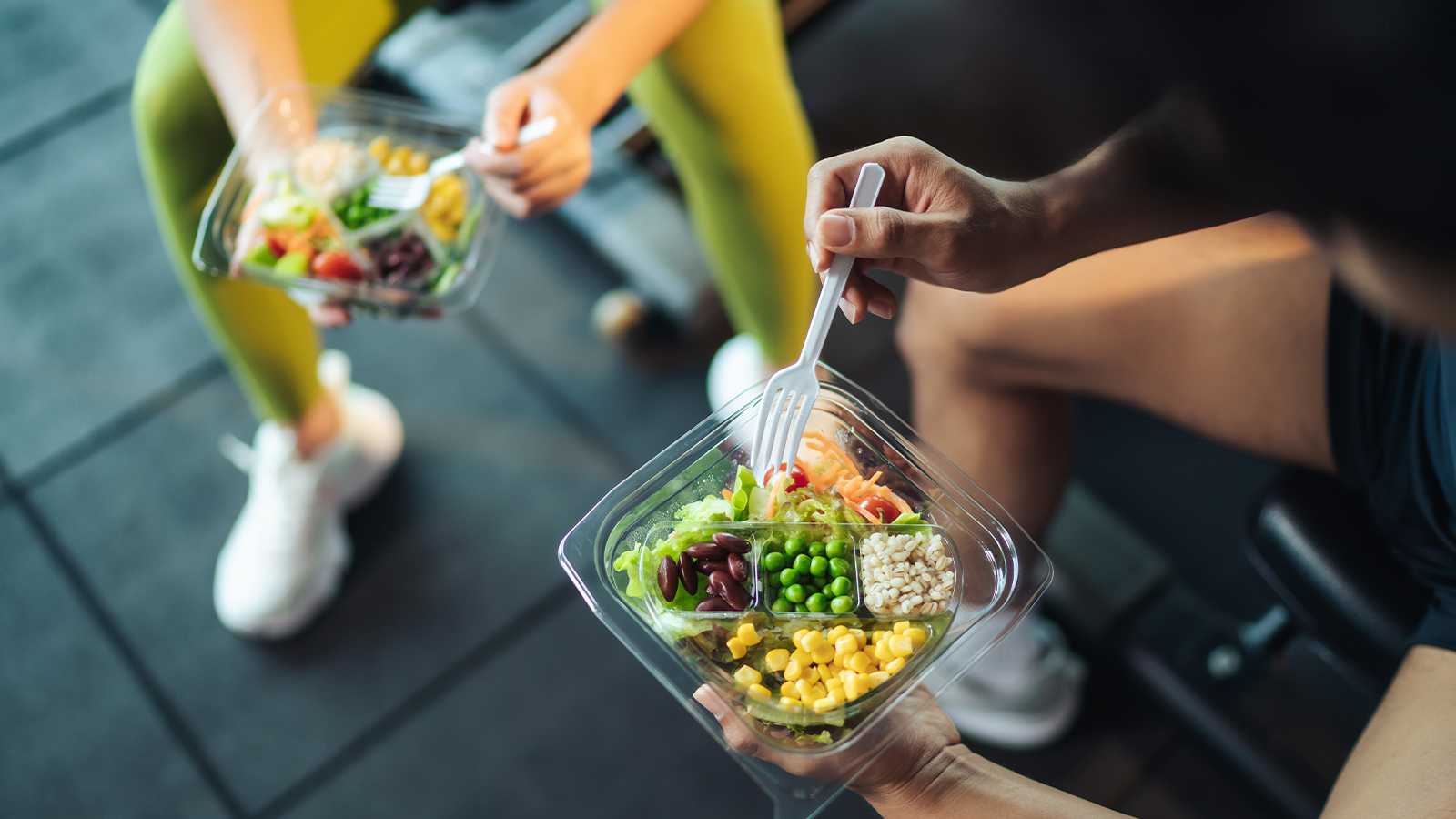
Is 20g a chicken breast? Is 100g a whole steak? Let’s clear up the confusion.
This guide breaks it down. High-protein foods. Real portions. No guessing. Whether you need 50g, 100g, or 150g a day—we’ll show you what it takes.
Time to stop guessing and start eating right. Let’s go!
Why Protein Matters for Your Health and Weight Loss Goals
Protein is one thing you just can’t miss. It fuels muscle growth, speeds recovery, and keeps your metabolism up. If you’re trying to lose fat, protein is your best friend. It helps you burn more calories and hold onto lean muscle.
Struggle with cravings? Protein keeps you full longer. No more late-night snack attacks. Just steady energy and fewer cravings.
Eating high-protein meals for weight loss isn’t just about cutting calories. It’s about fueling your body the right way. But how much protein do you actually need? And what do those grams look like?
That’s where this guide helps. We break down high-protein foods so you can hit your goals without the guesswork. Let’s dive in.
Visualizing Protein Intake: What Do Different Protein Amounts Actually Look Like?
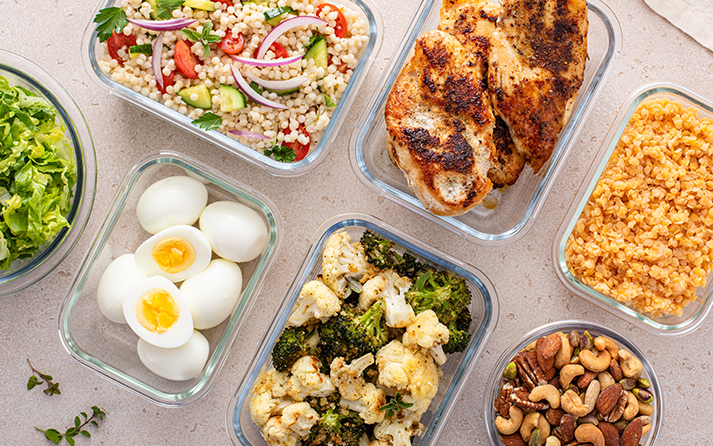
Glaring at the chart and trying to figure out what those 20g, 100g, or even 180g a day actually mean? Or perhaps, how do they look on your plate? This is a fundamental question. Most people don’t know. Seeing real examples makes things more relatable. You also find it easier to hit your goals. Let’s break it down.
What Does 20 Grams of Protein Look Like?
Hitting 20g of protein is easier than you think. Here’s what it looks like:
- 3 ounces of cooked chicken breast (~20g)
- 1 cup of Greek yogurt (~20g)
- 3 large eggs (~18-20g)
Simple, right? Now, let’s build a full day’s worth of protein.
What Does 100 Grams of Protein Look Like in One Day?
Trying to hit 100g of protein? No need to overthink it. Here’s a realistic meal plan that gets you there.
Breakfast: 3 eggs + a slice of whole wheat toast (20g)
- Eggs are a breakfast staple for a reason. Quick to cook, packed with protein. Add some hot sauce or avocado for extra flavor.
Lunch: 4 ounces of grilled salmon + quinoa + veggies (30g)
- Salmon gives you protein plus healthy fats. Quinoa? A sneaky source of extra protein. Roast some veggies on the side for a balanced meal.
Snack: 1 cup of Greek yoghurt + a handful of almonds (25g)
- Greek yogurt is thick, creamy, and way higher in protein than regular yogurt. Add some nuts for crunch and healthy fats.
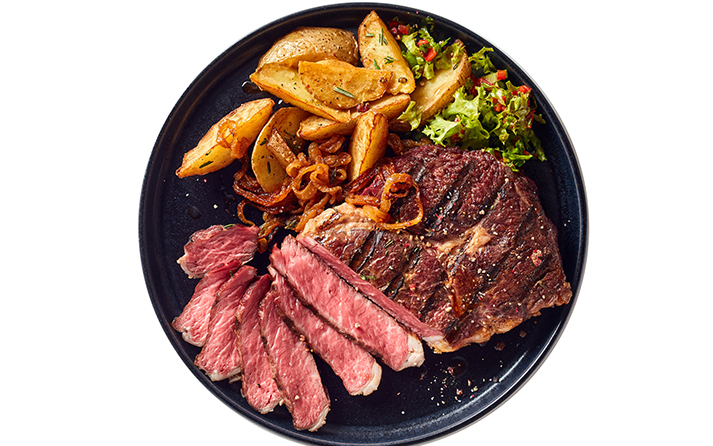
Dinner: 5 ounces of lean beef + roasted potatoes (25g)
- Beef keeps you full and helps with muscle recovery. Roasted potatoes? Perfect for carbs and energy.
That’s 100g of protein without stressing about it.
Related Article – Protein-Packed Meals for Muscle Growth: Top Recipes for Strength and Recovery
What Does 120 Grams of Protein Look Like?
Pushing a little harder in the gym? 120g of protein is a solid daily goal.
Breakfast: 4 eggs + oatmeal + peanut butter (30g)
- More eggs = more protein. Oatmeal keeps you full, and peanut butter? Tastes great and adds extra
Lunch: Grilled chicken wrap + side salad (35g)
- Chicken wraps are easy, portable, and high-protein. Load it up with greens and a light dressing.
Snack: Protein shake + a handful of nuts (25g)
- When you need fast protein, shakes are the answer. Nuts give it some staying power.
Dinner: 6 ounces of salmon + roasted veggies (30g)
- A bigger portion of salmon because, well… you’re eating more protein today! Throw in roasted veggies for fiber and flavor.
Boom. 120g of protein, just like that.
What Does 150g of Protein Look Like?
Lifting heavy? Training hard? You need more food to hit that 150g mark.
Breakfast: 4 eggs + turkey bacon + whole wheat toast (35g)
- Eggs for protein. Turkey bacon for a salty kick. Toast? Perfect for energy.
Lunch: 6 ounces of grilled chicken + rice + veggies (40g)
- Classic meal. Chicken, carbs, and veggies. Can’t go wrong.
Snack: Protein smoothie with whey + banana (30g)
- A fast way to get protein. Banana makes it taste better and adds quick carbs.
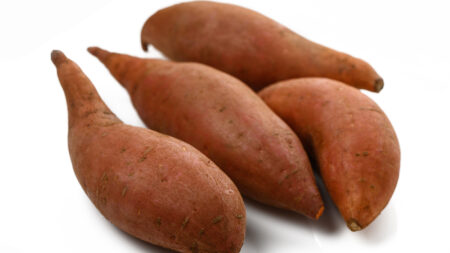
Dinner: 8 ounces of steak + mashed sweet potatoes (45g)
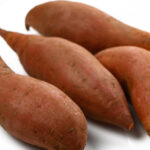
- More steak, more gains. Sweet potatoes add carbs to fuel recovery after workouts.
This is how you eat for muscle.
Higher Protein Intakes: What Do 170g and 180g of Protein Look Like?
If you’re training intensely, 170-180g of protein might be ideal. Who needs this? Competitive athletes, bodybuilders, or anyone on a muscle-building phase.
Here’s a 180g protein day:
- Breakfast: 5 eggs + turkey sausage + avocado toast (45g)
- Lunch: 7 ounces of grilled salmon + quinoa + veggies (45g)
- Snack: Protein shake + Greek yogurt + almonds (40g)
- Dinner: 8 ounces of chicken breast + baked potatoes (50g)
Protein intake doesn’t have to be confusing. Now you know exactly what 20g, 100g, 120g, 150g, 170g, and 180g of protein look like on your plate. Whether you’re aiming for fat loss, muscle gain, or overall strength, these examples make it easy to hit your targets.
Time to fuel up and grow stronger!
Related Article – Grilled Protein Recipes for Fitness: Healthy & Delicious Ideas for Athletes
Your Go-To High-Protein Grocery List
Grocery shopping shouldn’t be a guessing game. If you want high-protein foods, you need a solid plan. Grab a cart. Let’s go.
Animal Proteins (Muscle-Building Must-Haves)
- Chicken breast – You already know. It’s a classic.
- Ground turkey – Lean, easy, works in anything.
- Eggs & egg whites – Cheap. Easy. Protein-packed.
- Salmon & tuna – Protein plus omega-3s. Big win.
- Greek yogurt – Thick, creamy, loaded with protein.
- Cottage cheese – High in protein. Low in effort.
Plant Proteins (For the Meat-Free Gains)
- Lentils & chickpeas – Throw them in anything.
- Black beans & kidney beans – Solid protein. Cheap too.
- Tofu & tempeh – Absorbs flavor. Packs protein.
- Quinoa & oats – Not just carbs. Solid protein boost.
- Nuts & seeds – Almonds, chia, hemp. Easy snacks.
High-Protein Snacks (For When You’re Hungry Now)
- Protein bars – Some are great. Some are just candy.
- Protein shakes – Quick. Simple. No cooking.
- String cheese – Protein in a wrapper. No effort.
- Hard-boiled eggs – Meal prep them. Snack anytime.
- Beef jerky – Salty. Chewy. Protein-packed.
Stock up. Keep it simple. Having high-protein meals for weight loss starts with having the right food at home. No excuses. Let’s eat.
Easy Ways to Increase Your Protein Intake
Getting more protein doesn’t have to be complicated. Small changes make a big difference. Here’s how to do it:
Plan Ahead
Don’t wing it. Know what you’re eating. Prep your high-protein meals for weight loss so you never have to guess.
Batch Cook Your Protein
Grill chicken. Boil eggs. Cook a big batch of ground turkey. Having high protein foods ready makes life easy.
Use Protein Supplements Smartly
Protein shakes help, but don’t rely on them. Mix them into smoothies, oatmeal, or yogurt for extra protein. They won’t fulfil all the needs of your body. They don’t keep you full either. So diversify.
Snack on Protein
Skip the chips. Go for high-protein foods like Greek yogurt, nuts, cheese, or jerky. They are easy, filling, and effective. They are healthy and yummy, too. There is no guilt after them, either.
More protein = better recovery, more muscle, and fewer cravings. Make it a habit. Your body will thank you.
Mastering Your Daily Protein Intake
Hitting your protein goals isn’t guesswork. You need to see what high-protein foods look like in real meals. Knowing your portions makes meal planning easy, whether you eat 20 g of protein as a snack or 150g in a full day.
Keep it simple. Batch cook your proteins. Snack smart. Use protein shakes when needed. Make high-protein meals for weight loss a habit, not a struggle.
Consistency is key. Eat enough protein daily, and your body will reward you with better muscle growth, fat loss, and energy. Lock in the habit. Stay on track.