




So, does that mean you can take protein however you want and whatever quantity you see fit? Absolutely not! You take too much of it, and it will be harmful in many ways. You take too little of it and muscle growth will be slow. Other than that, there is a right way of protein intake and there is this wrong way of it too. There is a fixed amount that you can take.
You need protein for muscle building, but you need lots of information before you do that. Let’s delve deep into some awesome tips and facts about taking protein for muscle building:
Why Combat Athletes Need a High-Protein Diet?
Protein is important for all human beings. It is a major nutrient that our body needs for many functions that our body has to perform. As for athletes, it is essential because it is a primary nutrient that builds muscles and muscles are what they want the most.
Why muscles? Because muscle is strong and muscle keeps fat away. So a bug yes to muscles and to a high protein diet as well.
Protein is what rebuilds tears in muscles and makes them bigger and stronger after a workout. You recover when protein rushes to decrease inflammation and fill in and weave the torn muscles. A body deficient in protein won’t rebuild muscles after a workout, and its recovery phase will be long and painful too. So, protein is an absolute factor for recovery and muscle repair.
Fighters need to be very strong. That goes without saying, actually. Fights aren’t for weaklings. You need stamina, endurance, strength, and agility too. Where does all of that come from? Muscle mass, actually! Can you expect a fat and flabby body to have these things? NO! Muscles are strong, and they strengthen the bones. It keeps your weight off, and that makes your body a mighty machine of power, strength, endurance, and stamina.
Protein doesn’t just help recover; it can actually prevent injuries. This is done by strengthening your connective tissues and immune functions. With strong connective tissues like muscles, tendons, and ligaments, you are naturally going to resist and stand strong against most sprains and strains anyway.
So you see, a high protein diet for athletes is actually a lifesaver in so many different ways.
Related Article: High Protein Recipes for the Whole Day
Pros of High-Protein Diets for Combat Athletes

A high Protein diet for athletes comes with some serious benefits. In fact, the pros are so essential that a fighter can’t give up on a high-protein diet no matter what. Here is a summary:
Enhanced Muscle Recovery & Growth
Like we said earlier, protein builds new muscles from the torn and tired ones after an exhausting training session. When your muscles work harder and overcome challenges and basically exhaust themselves, they get these small tears in them.
Protein fills up these tears when your body is resting. When those tears are filled, your muscles grow bigger and stronger in size. This is exactly why rest is so crucial for muscle growth and recovery because it all happens when you rest after a workout.
Improved Strength & Power
When you take a high protein diet, you are actually strengthening your body. Its quite simple. Protein builds muscle and muscle mass enhances strength and power. Fat is nothing but flab. It has no strength. Muscle is powerful and with more muscles you get stronger. The stronger you are the better you fight and defend yourself against exhaustion, fatigue and your adversary.
Better Satiety & Weight Management
Protein is a great option for those who are looking to lose weight. This is because protein will digest slowly, and you’ll stay full for longer. It feeds your muscles, and they eat up more calories than fat. This way, protein keeps melting fat even when you are lounging around.
Protein isn’t stored in your cells either. Protein is not your body’s primary energy food either. Carbohydrates are. So when you eat protein, your body calls in carbs from its stores, melting some stubborn fat. So many ways protein helps keep your weight down.
Injury Prevention & Faster Healing
Protein feeds your connective tissues, which are your muscles, tendons, and bones. This means protein strengthens your bones and muscles, and that means you are not likely to get hurt easily. Your body can resist injuries. If you do get hurt, the same protein can repair these tissues faster. It will reduce inflammation and help your body heal in no time.
Optimized Performance
A high protein diet for athletes is a must because of yet another reason – it keeps them strong and assists amazing performance. Protein gives your body the strength it needs to keep up with the intensity of combat sports.
Related Article: 7 Easy High-Protein Lunch Options For Muscle Gains
Cons of High-Protein Diets for Combat Athletes
A high-protein diet is awesome for athletes, but not an all-protein diet. There are some serious side effects of taking too much protein.
One major concern is potential kidney strain. Excess protein increases the workload on the kidneys, which may be problematic for those with pre-existing kidney conditions. While healthy athletes typically handle high protein intake well, extreme amounts over long periods could contribute to issues.
Another downside is digestive discomfort. High-protein diets, especially those low in fiber, can cause bloating, constipation, or dehydration. Without enough water and fiber, protein digestion can slow down, leading to stomach discomfort and sluggishness.
A high-protein diet for athletes is very important but equally important is macronutrient balance. Too much protein, especially when other macros are ignored, can create a nutrient imbalance, and with that, you won’t be at your best. Protein strengthens, but remember, carbs fuel you for intense workouts and good fats balance your hormones – essential for recovery and agility. So an imbalance can bring down your performance drastically.
The cost factor is another consideration. Premium protein sources like lean meats, fish, and high-quality supplements can be expensive. For athletes on a budget, maintaining a protein-rich diet without compromising variety can be challenging.
No two bodies are alike. Some bodies need more carbs; others need more protein. As a fighter, your weight class, your training intensity, and even your metabolism factor in. Some fighters may not digest protein as efficiently as others, and some may need more carbs for instant energy. So, always keep in mind your own body’s response. Follow the standard but with a wide room for personal adjustments.
How Much Protein Do Combat Athletes Need?
When you are on a high-protein diet, you need to watch out for excess. Experts recommend consuming 1.6 to 2.2 grams of protein per kilogram of body weight daily. This is the perfect amount for proper muscle recovery, strength gains, and sustained energy levels.
However, this is not the rule. Different athletes will need different amounts especially if they have different goals. Those athletes who are purely focused on muscle growth should go for the higher end of this range. This will support muscle repair and hypertrophy. But those who are more towards weight management will need to watch out for excess protein. They need to balance it with carbs and good fats too.
Having said that, make sure you distribute your daily protein quota throughout the day. When it’s spread throughout the day, you will digest it properly, and your muscles will have a bigger chance of absorption as well.
Also important is to choose your protein from various sources and not rely on only one. You may love salmon, but don’t keep eating salmon all the time for your protein. Add some lentils, some tofu, sometimes chicken and beans too. Don’t bore your taste buds. You can even change your taste with some healthy protein shakes at times. This sort of taste shifting will keep you consistent.
Best Protein Sources for Combat Athletes

Protein has many sources, or say we have many options when it comes to protein. There are animal-based proteins, plant-based proteins, and even synthetic sources like protein supplements. If you don’t have the taste for one type, you can always choose the other type, making sure it’s good for your overall health.
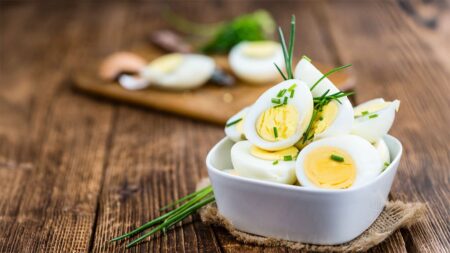
Animal-based proteins are a great favorite for many. Chicken, lean beef, and fish are packed with high-quality protein. Eggs are another good option – they’re easy to cook and full of nutrients. Don’t forget dairy, like Greek yogurt and cottage cheese. They’re high in protein and work well for snacks or quick meals.
Some people can’t stand animal-based protein at all. Don’t worry if you are one. If you don’t eat meat or eggs, it doesn’t mean you won’t have muscles. Go for lentils, chickpeas, and quinoa are excellent sources. Tofu and tempeh work well in stir-fries or salads. Nuts and seeds are there, too; they add yummy crunch to your meals. Plant-based options lack some amino acids. You can choose supplements for those.
The markets are full of protein supplements. Get some for your busy days or your amino acids if you are on a plant-based protein diet. You can even blend some awesome protein smoothies for a quick dose. Just keep mixing so you aren’t relying solely on one type of protein.
Balancing Protein with Carbs & Fats for Optimal Performance
Athletes need a high-protein diet, but athletes DON’T need an all-protein diet at all. They need their carbs and fats, too. So, balance is a must. Here’s why:
Carbohydrates are the primary energy source for combat sports. They power intense training sessions, enhance endurance, and aid muscle recovery. Without enough carbs, athletes may experience fatigue and sluggish performance. Good sources include fruits, whole grains, and vegetables, which provide sustained energy and essential vitamins.
Healthy fats are just as important. They support hormone production, joint health, and inflammation control, all crucial for fighters who put stress on their bodies. Avocados, nuts, seeds, and olive oil are excellent choices that provide long-lasting energy and essential fatty acids.
Find balance in everything in your life and your diet should be your top priority. Plan your diet in a way that there are carbs, fats and protein in harmony. Find organic and good sources of all macros so nothing unhealthy enters your system. Take lean proteins, some plant based options too, whole carbs, and good fats only. You’ll feel stronger, fresher, and heathier automatically.
Conclusion
A high protein diet is absolutely indispensable for a combat sports athlete because it gives you all you need to reach your dreams – power, strength, stamina, and endurance. But protein is definitely not the only thing you need. You need a balanced diet, and your protein intake has to be restricted, too. Follow the standard amounts given in the blog above. Plus, make sure you don’t stuff all of your allowed protein in a go. Spread it in all of your meals and snacks for better digestion and nutrient absorption and for perfect outcomes.
FAQ’s
References
- Paddon-Jones, Douglas, et al. “Protein, Weight Management, and Satiety.” The American Journal of Clinical Nutrition, vol. 87, no. 5, May 2008, pp. 1558S-1561S. PubMed, https://doi.org/10.1093/ajcn/87.5.1558S.