



The trick? Balance. High-protein, clean eating, plant-based—there’s a plan that fits your lifestyle. Meal prep makes it even easier. Less stress. Better results.
This guide breaks it all down. Simple meal plans. Easy prep. No nonsense. Just a sustainable way to eat, feel good, and actually see progress. Let’s do this.
What Makes a Meal Plan Effective for Weight Loss?
A good meal plan isn’t just about eating less. It’s about eating smart.
First, you need a calorie deficit—burn more than you eat. But starving won’t work. Your body still needs fuel to function. That’s where macronutrient balance comes in. You need protein to keep muscles strong, healthy fats for energy, and complex carbs to stay full.
Whole foods make a huge difference. Think lean meats, veggies, fruits, and whole grains. They’re nutrient-packed and keep you feeling satisfied. Processed junk? That’s a no-go.
Portion control is key. Even healthy food can add up if you eat too much. That’s why meal prep helps. Planning ahead means fewer bad choices and more consistency.
Bottom line? A great meal plan fuels your body, keeps hunger in check, and helps you lose weight without feeling miserable. That’s how you make it sustainable.
Key Components of a Balanced & Sustainable Meal Plan
If you think you’ll lose weight by cutting calories alone, you are dreaming. This is starving yourself and it won’t last. Yet, you need to go on and on to reach your goal. So what works? The balance! The right balance of protein, carbs, fats, and water is what makes the difference.
Protein
Protein is your best friend. It keeps you full, protects muscle, and even burns more calories during digestion. Without enough, you lose muscle instead of fat. Want a high-protein meal plan? Load up on chicken, fish, tofu, eggs, Greek yogurt, and lentils. Make sure every meal has some protein.
Carbs
Carbs aren’t the enemy. The key is picking the right ones. Brown rice, quinoa, oats, and veggies give steady energy and keep digestion smooth. Processed carbs? Skip them. White bread and sugary snacks spike blood sugar, leaving you hungry again.
Fats
Fats matter too. Fats regulate your hormones. With hormones, they manage your brain functions. Which means if you mess with them, you are dead! They also help with those killer cravings. We aren’t talking about deep fried food, though. We are talking about good fats like avocados, nuts, olive oil, and fatty fish. Ditch processed oils and trans fats.
Hydration
Water is underrated. You don’t think much of it when thinking about diet control. Yet, it makes a huge huge difference. It boosts metabolism and makes your digestion better. It even suppresses hunger. Sometimes you’re not hungry—you’re just thirsty. Drink at least 8 cups a day and even take in more if you are a super active person.
Types of Healthy Meal Plans for Weight Loss
Not all meal plans work the same. Some pack in protein. Others focus on whole, unprocessed foods. Some just cut calories. The key? Find what fits your lifestyle and keeps you on track.
High-Protein Meal Plan
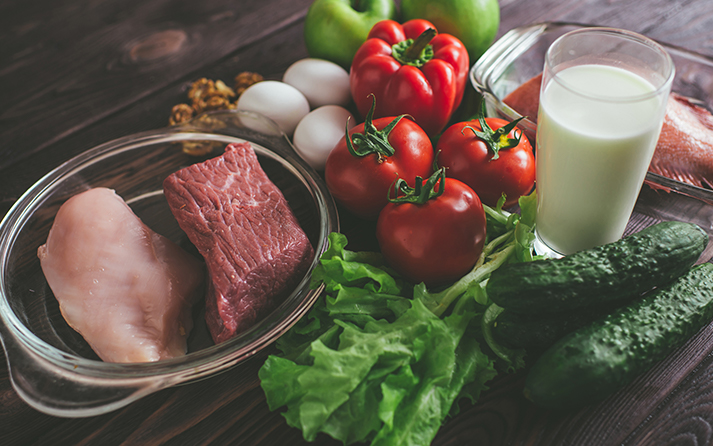
High- protein plans are pretty famous and for very obvious reasons too. Protein is your best friend for fat loss. It keeps you full, protects muscle, and even burns extra calories during digestion. If you want to lose fat but stay strong, this is the way to go.
Go for chicken, fish, eggs, Greek yogurt, tofu, and lentils. While each meal should have protein, you should have other nutrients too. Mix your crabs, proteins, and fats. This will make it balanced as well as nurturing.
Protein keeps you full anyway. You will feel much less hungry with high protein. When protein comes with carbs and fats, you’ll really be killing weight loss.
Plant-Based Meal Plans
A plant-based plan loads you up with fiber, vitamins, and minerals. It keeps you full without piling on calories. Plus, it’s great for digestion and overall health.
Lentils, chickpeas, quinoa, tofu, nuts, seeds, and veggies are key. Since plant proteins work differently than animal ones, mix them up for complete nutrition.
Try oatmeal with flax seeds and berries for breakfast. A quinoa and black bean salad for lunch. Stir-fried tofu with brown rice for dinner. Hummus and carrot sticks for a snack.
Clean Eating Meal Plan
In this plan, we are talking about real food. Food that is not processed. Food that comes from nature.. No artificial sugars, no preservatives, no refined junk. Just whole, nutrient-packed meals that fuel your body right.
You’ll be sticking to fresh veggies, fruits, whole grains, lean proteins, and healthy fats.
Eat anything that comes from nature and suits your taste buds. Enjoy your meals with food that energizes you, not makes you lazy and sick. Clean eating works for weight loss because real, organic foods do not have extra calories that come with processed and packed foods. They also keep you full for longer. This means you won’t be eating all the time.
Low-Calorie Meal Plans
At the end of the day, weight loss comes down to one thing—burning more calories than you eat. You get to control your portion but you still eat to your fill. This is because you are always choosing low-calorie foods.
What’s the best thing for a low calorie diet? Green vegetables, especially leafy ones. They have proteins, fibers, and they keep you full too. You can eat low-fat dairy products too.
You can start your day with a yummy spinach omelet that is made with egg white and the least amount of oil. Later, have lean proteins like turkey meat in grilled form. Shrimp stir-fry with cauliflower rice for dinner. Greek yogurt with chia seeds makes a solid snack.
Find What Works for You
There’s no magic formula. Some do better with more protein. Others feel great on plant-based meals. The key is sticking with whole foods, managing portions, and choosing a plan that fits your lifestyle. That’s how weight loss actually works.
Related Article – How the Keto Diet Helps with Weight Loss: Benefits, Tips & Best Practices
Your No-BS Weekly Meal Plan
Food should work for you, not feel like a chore. Eat smart. Keep it simple. No boring, flavorless meals here. Try our weekly meal plan for fitness:
Monday – Kickstart the Week
- Eggs and toast. Classic.
- Lunch? Grilled chicken wrap. Easy.
- Dinner? Salmon and sweet potatoes. Feels fancy, but it’s not.
- Snack? Dark chocolate and almonds. Because why not?
Tuesday – Protein Power
- Greek yogurt, berries, and honey. Sweet but good for you.
- Lunch? Quinoa, black beans, avocado. Hits the spot.
- Dinner? Turkey meatballs, zucchini noodles. Spaghetti vibes.
- Craving something? Rice cakes with almond butter.
Wednesday – Midweek Reset
- Overnight oats. No cooking, no stress.
- Lunch? Shrimp salad with a citrusy punch.
- Dinner? Tofu stir-fry. Quick and tasty.
- Hummus and veggies? Always a win.
Thursday – Strength & Recovery
- Eggs and smoked salmon on toast. Feels bougie.
- Lunch? Chicken and roasted veggies. No-fuss fuel.
- Dinner? Steak, mashed cauliflower, Brussels sprouts. Power meal.
- Evening snack? Protein shake. Because gains.
Friday – Light & Fresh
- Smoothie. Banana, spinach, protein powder. Done.
- Lunch? Tuna and avocado on crackers. Crunchy and good.
- Dinner? Baked cod, lemon quinoa, green beans. Feels light but fills you up.
- Snack? Cottage cheese with pineapple. Trust me.
Saturday – Treat Yourself (But Smartly)
- Whole-wheat pancakes with Greek yogurt. Feels like a win.
- Lunch? Chicken tacos. Because tacos.
- Dinner? Teriyaki salmon, coconut rice. Worth it.
- Snack? Dark chocolate. Because life.
Sunday – Chill & Recover
- Omelet with mushrooms and goat cheese. Solid start.
- Lunch? Lentil soup and whole-grain bread. Cozy vibes.
- Dinner? Chickpea and quinoa bowl. Topped with tahini.
- Snack? Protein bar. Grab and go.
Keep It Simple
No crazy rules. No suffering. Just real food that fuels you right.
Related Article – Building the Perfect Workout Routine for Weight Loss: A Step-by-Step Guide
Meal Prep for Diet Food
When you are trying to lose weight and you need a special diet, you will have to act smart. Give meal prep some time and it will serve you throughout the week. You won’t have to break your momentum when there is no food for your diet and you are starving.
Healthy meal prep for busy schedules goes like this:
- Plan Your Meals – Pick your breakfasts, lunches, dinners, and snacks for the week. Keep it simple and balanced. Your plan has to be a balanced diet meal plan.
- Make a Grocery List – Stick to whole foods like lean proteins, veggies, healthy fats, and whole grains. Avoid impulse buys.
- Batch Cook & Store – Cook proteins, chop veggies, and portion meals into containers. Refrigerate or freeze for easy grab-and-go options.
Meal Prep Items
- Proteins: Grilled chicken, boiled eggs, tofu, turkey, salmon
- Carbs: Quinoa, brown rice, whole wheat pasta, oats, sweet potatoes
- Veggies: Spinach, bell peppers, broccoli, carrots, cucumbers
- Healthy Fats: Avocados, nuts, seeds, olive oil
Quick Meal Prep Ideas
- Overnight oats with almond milk and berries
- Grilled chicken bowls with quinoa and roasted veggies
- Turkey and avocado wraps with whole wheat tortillas
- Greek yogurt with nuts and honey for a snack
Best Foods for a Healthy Lifestyle
Healthy eating isn’t about starving. It’s about eating smart. Pick the right foods, and your body will feel the difference.
Lean Proteins – Stay Full, Stay Strong
Chicken, fish, eggs, tofu—these build muscle and keep you satisfied. More protein = fewer cravings. Just skip the deep-fried stuff. Grill it, bake it, keep it clean.
Leafy Greens – Your Body’s Armor
Spinach, kale, arugula—these fight off sickness, boost digestion, and keep you feeling light. Throw them in a smoothie, mix them in a salad, or just sauté with garlic. Easy.
Whole Grains – No More Energy Crashes
Oats, quinoa, brown rice—these keep you full without the sugar rollercoaster. Ditch white bread. Go for fiber-rich options instead. Your gut will love you for it.
Healthy Fats – Fuel for Your Brain & Heart
Avocados, nuts, olive oil, fatty fish—these keep your mind sharp and heart happy. Add avocado to toast. Snack on almonds. Cook with olive oil instead of butter. Simple swaps, big wins.
Fruits & Veggies – The Real Superfoods
Berries, carrots, oranges—these load you up with vitamins. Want better skin? More energy? Fewer sick days? Eat more colors.
How to Make It Work
- Morning: Oatmeal with nuts and berries.
- Lunch: Grilled chicken or tofu on fresh greens.
- Better swaps: Quinoa over white rice. Whole wheat instead of white bread.
- Snacks: Greek yogurt with almonds. Hummus with veggies.
- Cooking tip: Use olive oil, not store-bought dressings.
Healthy eating isn’t complicated. Just pick the right stuff.
Healthy Meal Plans for Muscle Gain
Building muscle isn’t just about lifting weights—it’s about eating right. Unlike weight loss plans, muscle gain meal plans focus on higher calories from nutrient-dense foods to fuel workouts and recovery. The goal of nutritious meal plans for athletes? More protein, quality carbs, and healthy fats to support muscle growth.
Key Nutrients for Muscle Gain
- Protein: Repairs and builds muscle. (Chicken, fish, eggs, tofu, Greek yogurt)
- Carbs: Provides energy for intense workouts. (Brown rice, oats, sweet potatoes, quinoa)
- Fats: Supports hormones and overall health. (Avocados, nuts, olive oil, fatty fish)
Sample Post-Workout Meals
- Grilled chicken with brown rice and roasted veggies
- Protein smoothie with banana, almond butter, and oats
- Egg and avocado toast on whole wheat bread
- Salmon with quinoa and steamed broccoli
- Greek yogurt with granola and mixed berries
Here are your easy healthy meal ideas. Enjoy being healthy as you lose weight.
Conclusion
Losing weight seems like a huge task. Especially when our task is to eat less and less. You would be running back to your favorite foods madly in no time at all. This is why most diet plans fail. People can’t keep up. And that is exactly what we discussed today – sustainable and healthy meal plans. This gist is to eat in balance, no need to starve.
Forget fad diets. They don’t last. Real change comes from small, smart choices every day. Whole foods. Portion control. Meal prep. That’s the secret.